
Kasteel De Eng bij Vleuten — History & Facts
In Joseph Adolf Schmetterling's Kasteel De Eng bij Vleuten, the viewer encounters a vibrant interplay of movement frozen in time, inviting contemplation of what lies beneath the surface of tranquil beauty. Focus first on the castle, the centerpiece of the composition, rendered with exquisite detail. Notice the intricate stonework capturing the light as it casts soft shadows, evoking a sense of stability amidst the gentle waves of the surrounding landscape. As you shift your gaze, the lush greenery dances in the wind, depicted through fluid brush strokes that capture life and motion, creating a serene yet dynamic atmosphere. Yet, the painting hints at an underlying tension.
The sturdy castle, a symbol of permanence, contrasts sharply with the ephemeral qualities of nature surrounding it. The trees, bending ever so slightly, suggest the invisible forces of time and change, while the sky—clouded and uncertain—foreshadows an impending shift. This duality speaks to the fragility of beauty, a moment teetering between serenity and the inevitable passage of time. In 1822, while painting this piece in the Netherlands, Schmetterling was influenced by the Romantic movement, which often sought to express the sublime beauty of nature alongside human emotion.
During this period, there was a growing appreciation for landscapes, as artists turned to the natural world for inspiration, reflecting the broader cultural shift towards valuing individual perception and emotional depth in art.
More Artworks by Joseph Adolf Schmetterling
Browse all →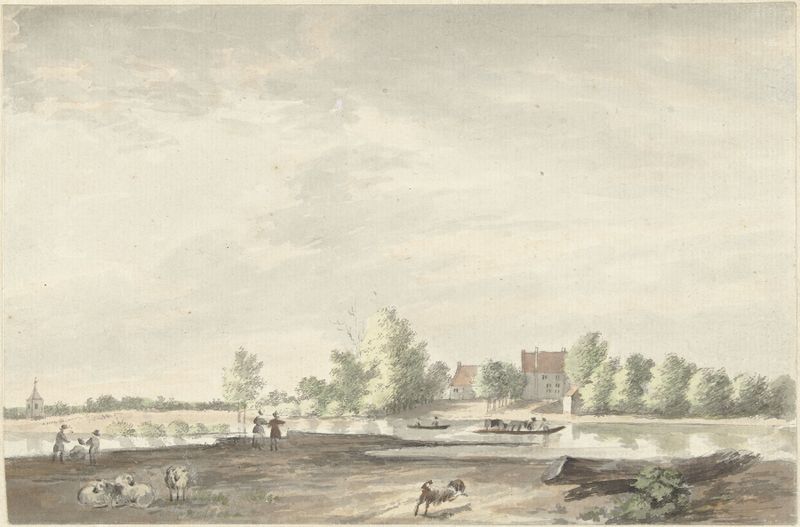
Het veerhuis aan de Lek bij Schoonhoven
Joseph Adolf Schmetterling
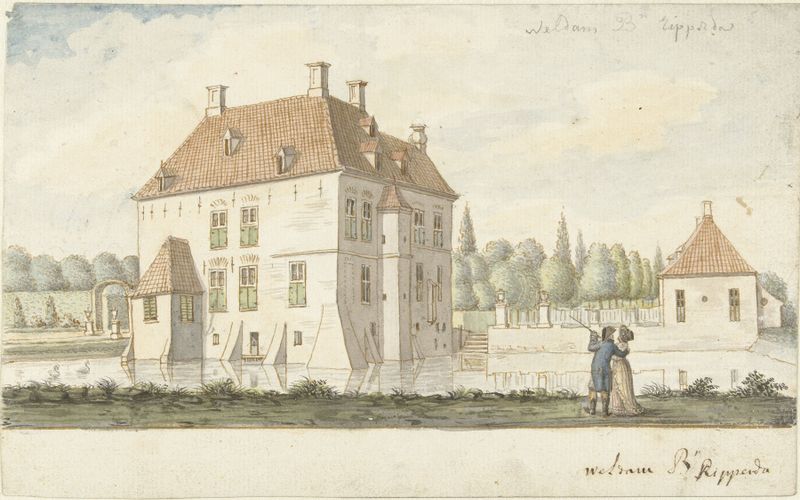
Kasteel ‘t Weldam bij Goor
Joseph Adolf Schmetterling

Het dorp Molenaarsgraaf in de Alblasserwaard
Joseph Adolf Schmetterling
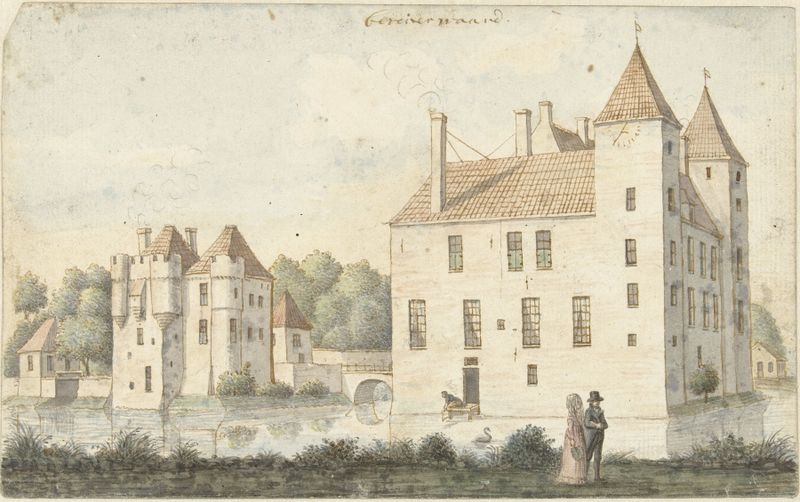
Kasteel Beverweerd
Joseph Adolf Schmetterling
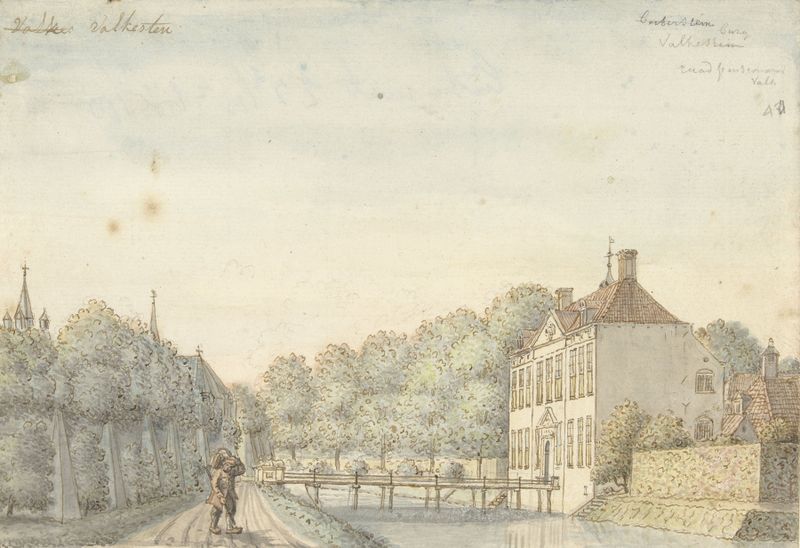
Huis Barbistein in Heinkensand
Joseph Adolf Schmetterling

Straat in het dorp Oosterland op Duiveland
Joseph Adolf Schmetterling
More Architecture Art
Browse all →
The statue of Liberty
Frédéric Auguste Bartholdi

View of Houses in Delft, Known as ‘The Little Street’
Johannes Vermeer

View of Houses in Delft, Known as ‘The Little Street’
Johannes Vermeer

The Cathedral in Rouen. The portal, Grey Weather
Claude Monet

The yellow house
Vincent van Gogh

The Church in Auvers-sur-Oise, View from the Chevet
Vincent van Gogh