
Huis Barbistein in Heinkensand — History & Facts
In the quietude of Huis Barbistein in Heinkensand, the chaos of life is rendered palpable through the stillness of architecture and nature, beckoning a deeper contemplation of the human experience. Look to the left, where the elegant gables of the house rise against a tumultuous sky, the brushstrokes capturing a moment caught between serenity and storm. Notice the way the light dances upon the textured surfaces, creating a harmonious contrast between the vibrant greens of the foliage and the muted earth tones of the structure. The composition is meticulously balanced, yet the palpable tension hints at an underlying turmoil that permeates the scene. Delve deeper into the details; the uneven ground beneath the house tells the story of instability, while the distant horizon, shrouded in ominous clouds, suggests impending change.
The delicate interplay of shadows and light reflects not just the physical world but also emotional chaos, as if the landscape itself is holding its breath. It’s a moment suspended in time where beauty and disorder coexist, inviting the viewer to ponder the complexities of existence. In 1821, during a period of socio-political upheaval in Europe, Joseph Adolf Schmetterling painted this work while living in the Netherlands. This was a time when Romanticism was influencing artists to explore themes of nature and emotion.
Schmetterling, amidst this artistic transition, sought to capture the essence of his environment, navigating the delicate balance between order and chaos that defined both his life and the broader world.
More Artworks by Joseph Adolf Schmetterling
Browse all →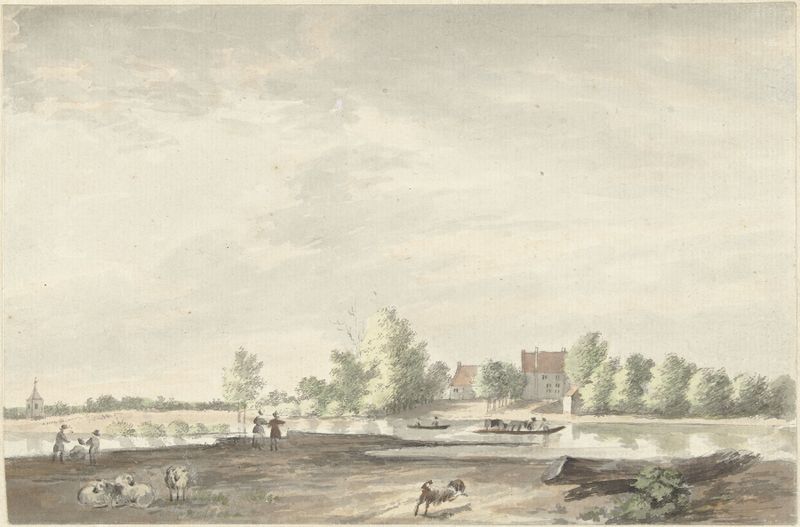
Het veerhuis aan de Lek bij Schoonhoven
Joseph Adolf Schmetterling
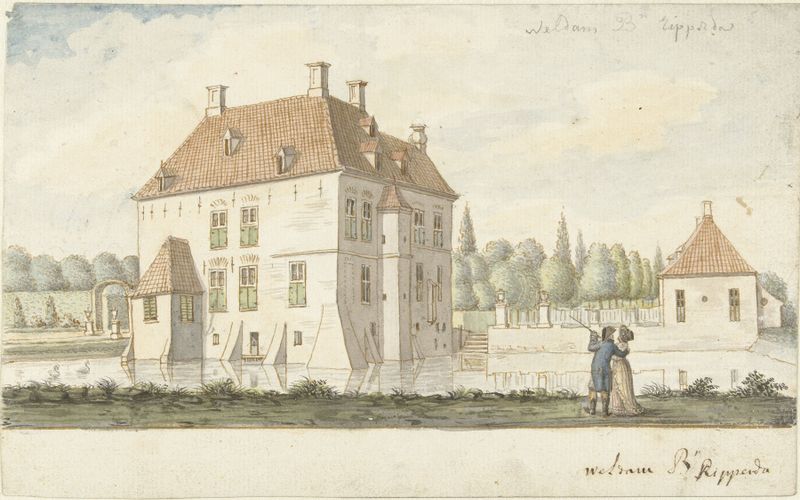
Kasteel ‘t Weldam bij Goor
Joseph Adolf Schmetterling

Het dorp Molenaarsgraaf in de Alblasserwaard
Joseph Adolf Schmetterling
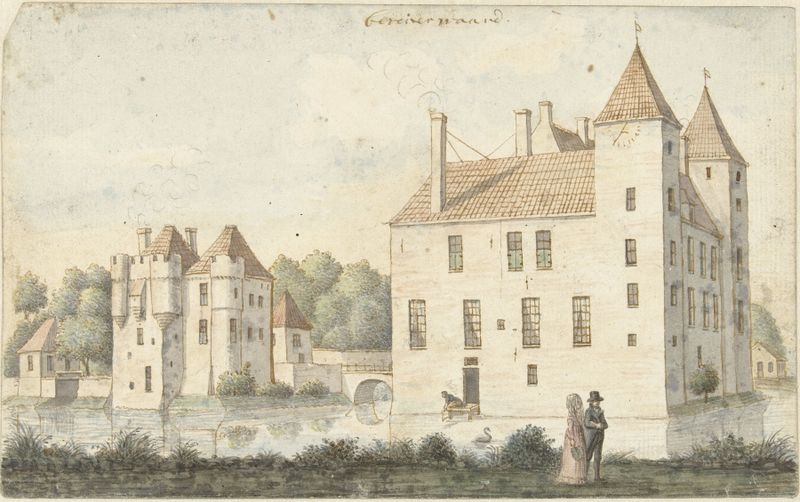
Kasteel Beverweerd
Joseph Adolf Schmetterling

Straat in het dorp Oosterland op Duiveland
Joseph Adolf Schmetterling
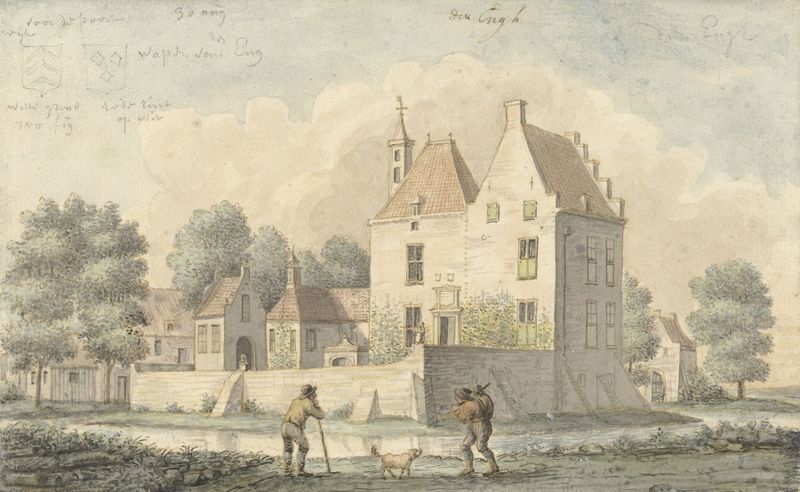
Kasteel De Eng bij Vleuten
Joseph Adolf Schmetterling
More Architecture Art
Browse all →
The statue of Liberty
Frédéric Auguste Bartholdi

View of Houses in Delft, Known as ‘The Little Street’
Johannes Vermeer

View of Houses in Delft, Known as ‘The Little Street’
Johannes Vermeer

The Cathedral in Rouen. The portal, Grey Weather
Claude Monet

The yellow house
Vincent van Gogh

The Church in Auvers-sur-Oise, View from the Chevet
Vincent van Gogh