Heuernte am Chiemsee — History & Facts
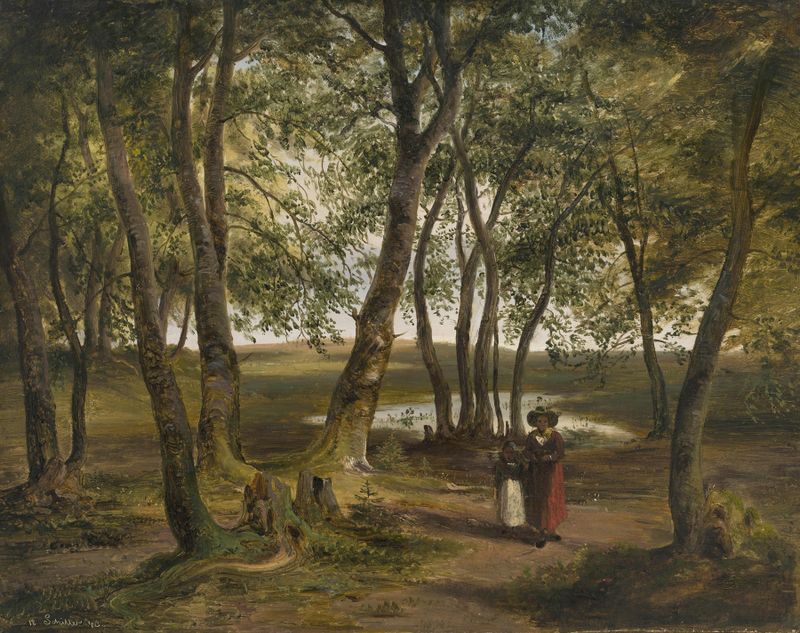
In the delicate interplay of hues and strokes lies an invitation to reflect on legacy and the ephemeral nature of life. Look to the center of Heuernte am Chiemsee, where the sun casts golden light on the hay harvesters, their figures both sturdy and graceful against the backdrop of a tranquil lake. Notice how the artist captures the rhythmic motion of scythes slicing through the grass, the vivid greens and soft earth tones merging to create harmony. The sweeping skies above, brushed in gentle blues and whites, cradle the scene, embodying a moment of labor intertwined with the serene beauty of nature. This painting encapsulates more than just a seasonal task; it evokes a sense of continuity, the connection between generations through the labor of the land.
The juxtaposition of the workers’ toil against the idyllic landscape serves as a poignant reminder of the simple yet profound relationship between humanity and the natural world. Each figure, engaged in their work, tells a story of dedication, while the stillness of the lake suggests an eternal watchfulness, hinting at time's relentless passage. In 1845, Felix von Schiller created this work amid a burgeoning interest in Romanticism, reflecting the ideals of harmony with nature and the celebration of rural life. Living in Germany during a period of political upheaval and transformation, he found solace and inspiration in the landscapes and daily routines of his surroundings.
This piece not only documents a moment in time but also serves as a testament to the enduring spirit of labor and love for the land.