
Heuvel met bebossing — History & Facts
In the quiet embrace of nature, our surroundings become a mirror of our inner selves, whispering truths that elude the noise of daily life. Focus on the gentle undulations of the hillside, where a dense cluster of trees forms a lush canopy. The vibrant greens contrast with the soft earth tones, drawing the eye toward the tranquil heart of the landscape. Notice how the light filters through the foliage, creating dappled patterns on the ground, suggesting a sense of serenity and harmony.
Each stroke of the brush, with its careful layering, reveals both the meticulous technique and the artist’s deep connection to this pastoral scene. Beneath the surface, the work speaks of balance and the fleeting nature of tranquility. The trees, with their sturdy trunks and delicate leaves, embody resilience amidst the passage of time. The subtle play of shadow and light evokes a feeling of introspection, inviting viewers to ponder their own place within nature's cycles.
This exploration of the natural world serves as a profound reminder of the beauty that flourishes in stillness and solitude. During the years 1610 to 1653, Simon de Vlieger navigated a world transitioning from the tumult of war to a burgeoning appreciation for landscapes in art. Creating Heuvel met bebossing, he captured not only the physical beauty of the Dutch countryside but also the profound introspection that such scenes inspire. Amidst a rich tradition of landscape painting, he carved a niche for himself, allowing nature to speak with an eloquence that resonates through the ages.
More Artworks by Simon de Vlieger
Browse all →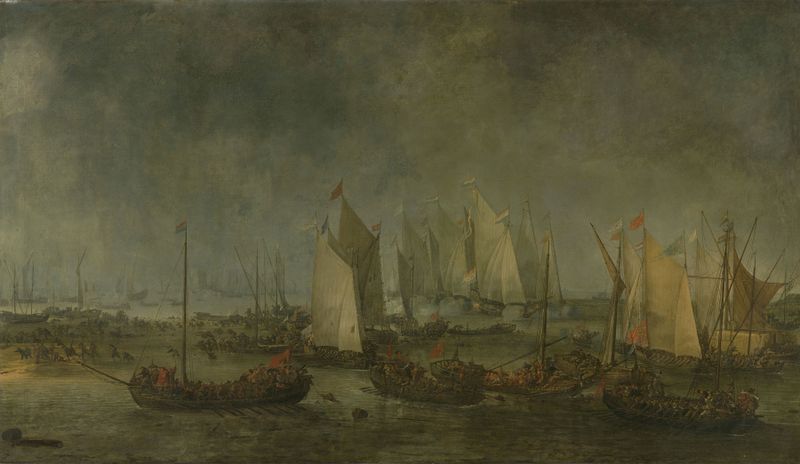
The Battle on the Slaak between the Dutch and Spanish Fleets during the Night of 12-13 September 1631
Simon de Vlieger

Stretch of coast by the Zuiderzee
Simon de Vlieger

Seaside in Scheveningen with fishing boats
Simon de Vlieger
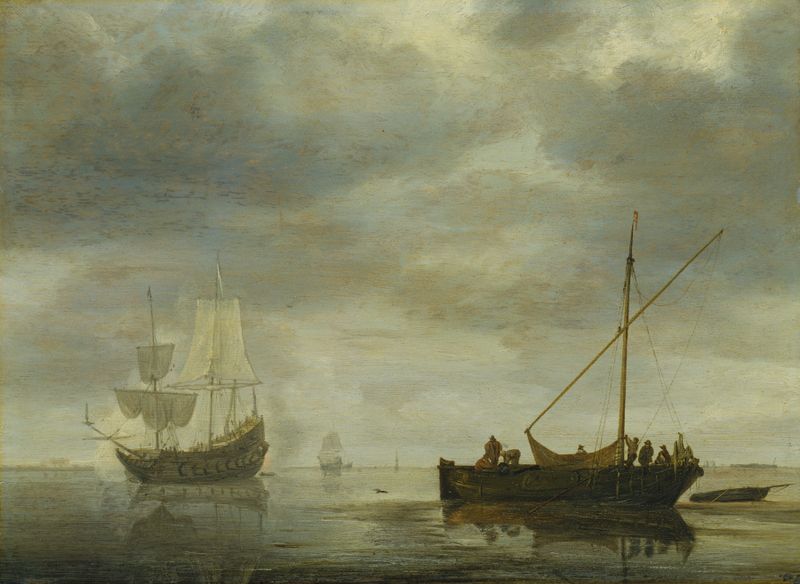
Single-Master and Frigate Firing Salute on a Calm Sea
Simon de Vlieger
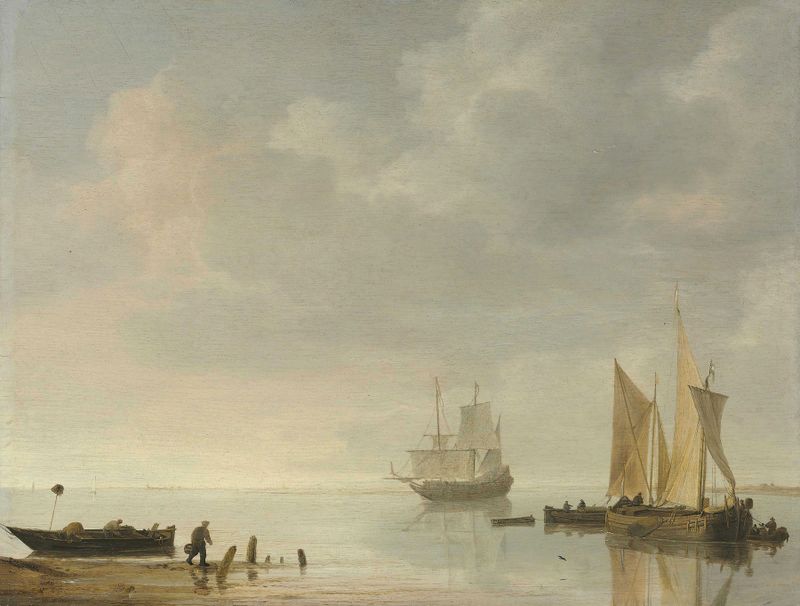
Coastal Scene With Ships Resting On Calm Waters
Simon de Vlieger

A calm estuary with a smalschip and a waterschip at anchor, with other ships in the distance
Simon de Vlieger
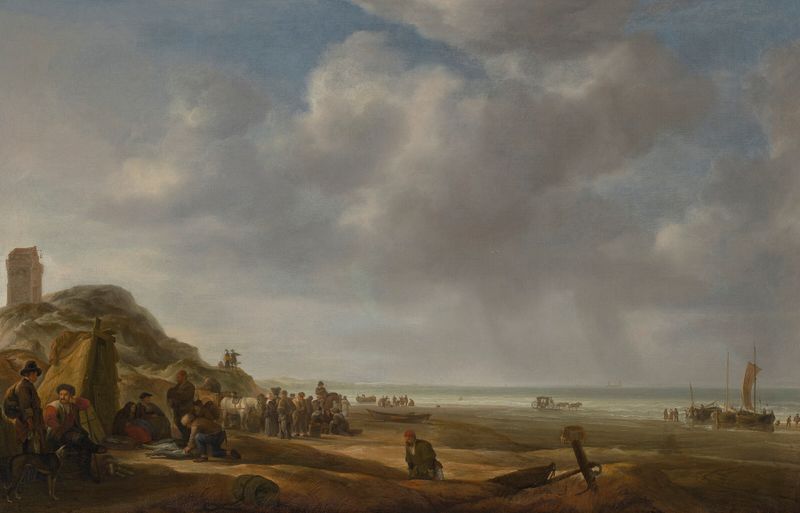
A beach scene with fishermen displaying their catch
Simon de Vlieger

Ship in Distress off a Rocky Coast
Simon de Vlieger
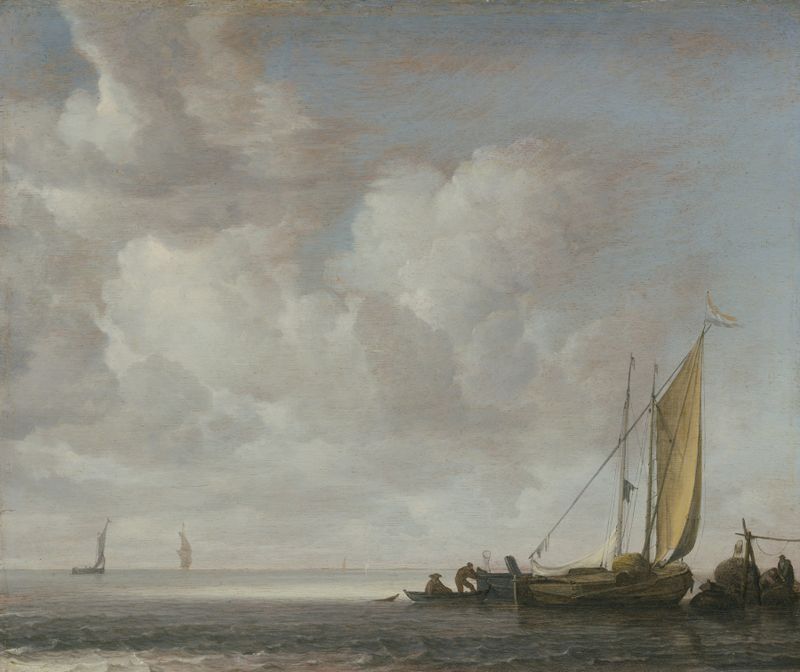
Calm Sea
Simon de Vlieger
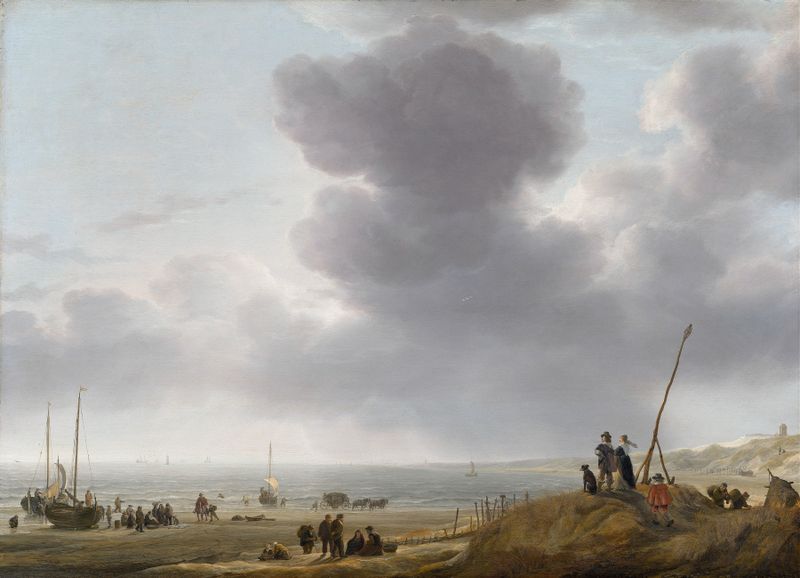
Beach View
Simon de Vlieger





