
High Street at the Manor House, Marylebone — History & Facts
What if silence could speak through light? In the delicate interplay of hues and shadows, the essence of awakening emerges in unexpected ways. Notice how the sunlight spills across the cobblestone path, illuminating the varied textures of the architectural facades nestled within this serene Marylebone scene. Focus on the graceful lines of the buildings, where the warm ochres and soft greys contrast with the vibrant greens of the trees lining the street. The meticulous detail in each element invites the viewer's eye to wander, revealing the harmony between nature and urban life. Hidden within this tranquil composition lies a powerful contrast between stillness and the vibrancy of everyday life.
The figures, though small, suggest a narrative of routine, embodying the pulse of a community awakening to the day's possibilities. This moment captures not just a location but an era rich with promise, hinting at the transitions of society and the subtle tensions within a bustling world—a world on the brink of the Industrial Revolution. In 1772, Samuel Hieronymus Grimm painted this piece during a time when London was evolving rapidly. As an artist rooted in the realism of the picturesque, Grimm focused on depicting the beauty of everyday life, reflecting both the charm and the complexities of urban existence.
This period marked a significant phase in the history of art, as artists sought to capture the essence of their surroundings amidst the changing tides of culture and society.
More Artworks by Samuel Hieronymus Grimm
Browse all →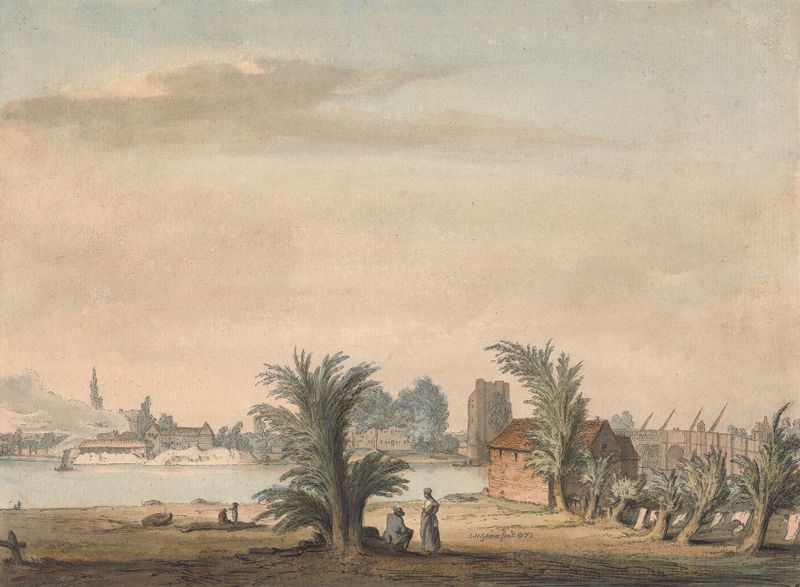
Putney Church and Bridge
Samuel Hieronymus Grimm

Between Chiswick and Brentford
Samuel Hieronymus Grimm
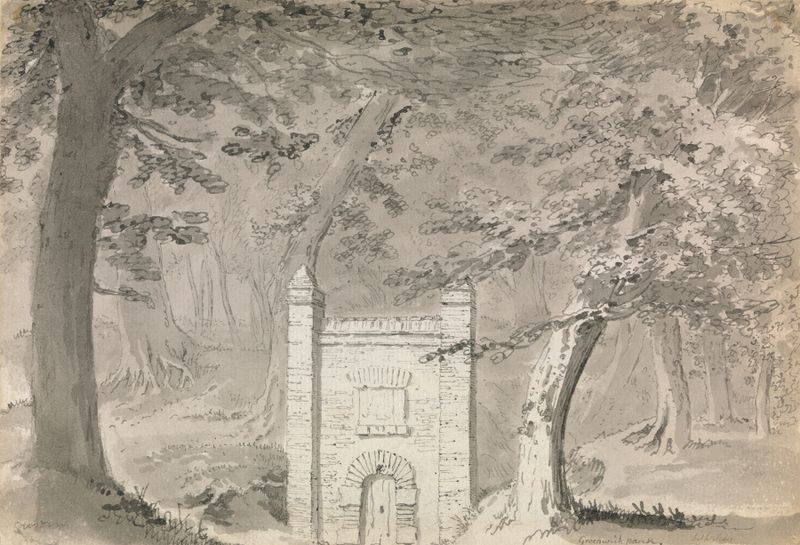
Greenwich Park
Samuel Hieronymus Grimm
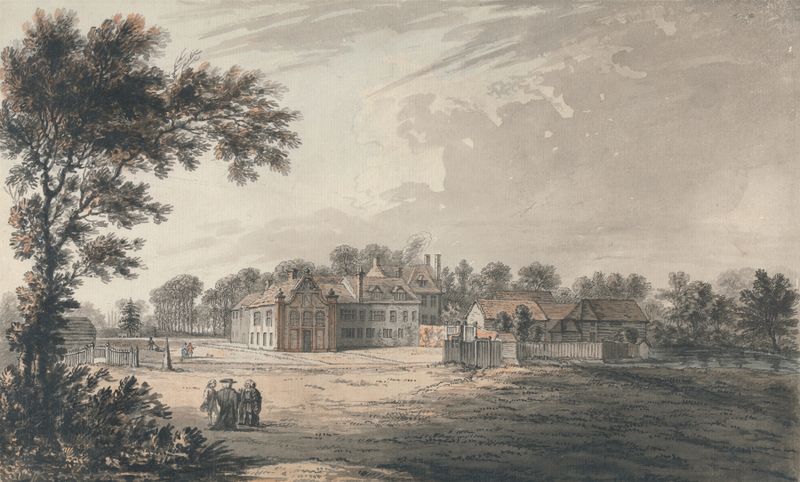
The Bishop’s Palace, Bromley
Samuel Hieronymus Grimm
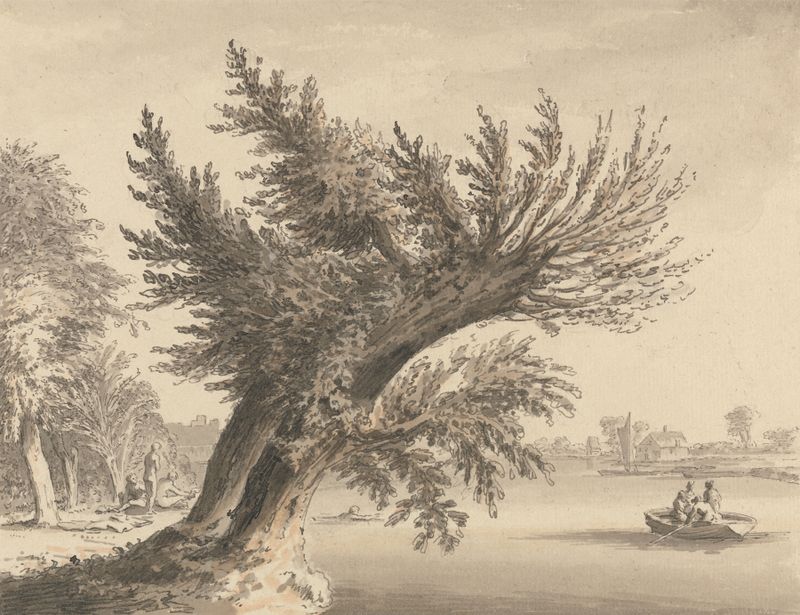
On the Thames at Barnes
Samuel Hieronymus Grimm

View of a Village alongside a River
Samuel Hieronymus Grimm
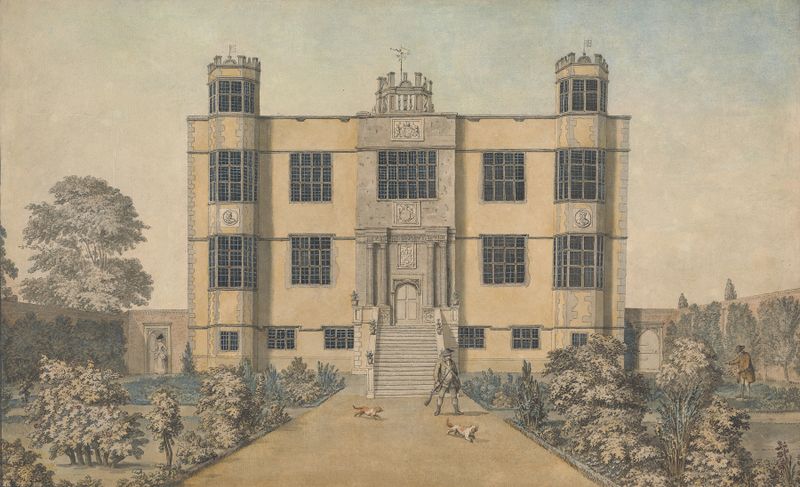
Barlborough Hall, near Chesterfield, Derbyshire; the Main Front of the Hall
Samuel Hieronymus Grimm

Haverfordwest, Pembrokeshire
Samuel Hieronymus Grimm
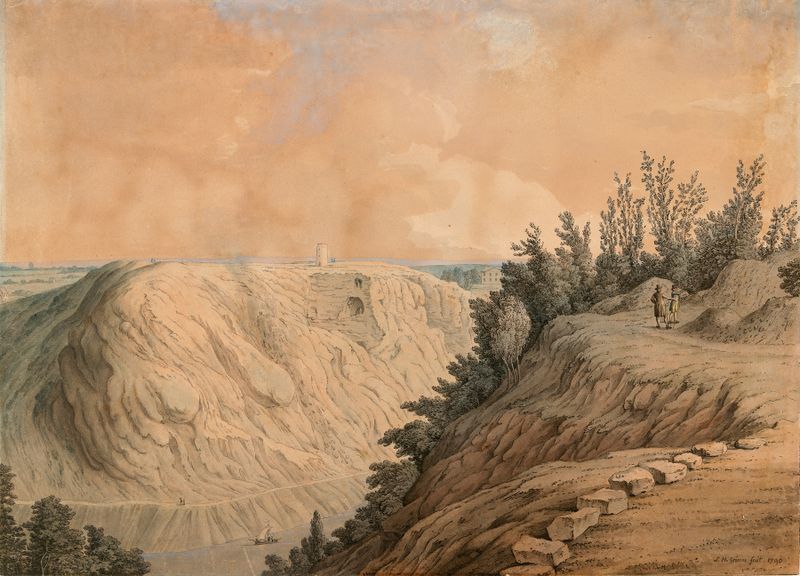
Saint Vincent’s Rock and Cave (The Giant’s Hole) on the River Avon, Somerset
Samuel Hieronymus Grimm

The Gatehouse, Reading Abbey
Samuel Hieronymus Grimm
More Architecture Art
Browse all →
The statue of Liberty
Frédéric Auguste Bartholdi

View of Houses in Delft, Known as ‘The Little Street’
Johannes Vermeer

View of Houses in Delft, Known as ‘The Little Street’
Johannes Vermeer

The Cathedral in Rouen. The portal, Grey Weather
Claude Monet

The yellow house
Vincent van Gogh

The Church in Auvers-sur-Oise, View from the Chevet
Vincent van Gogh