High Street, Salisbury — History & Facts
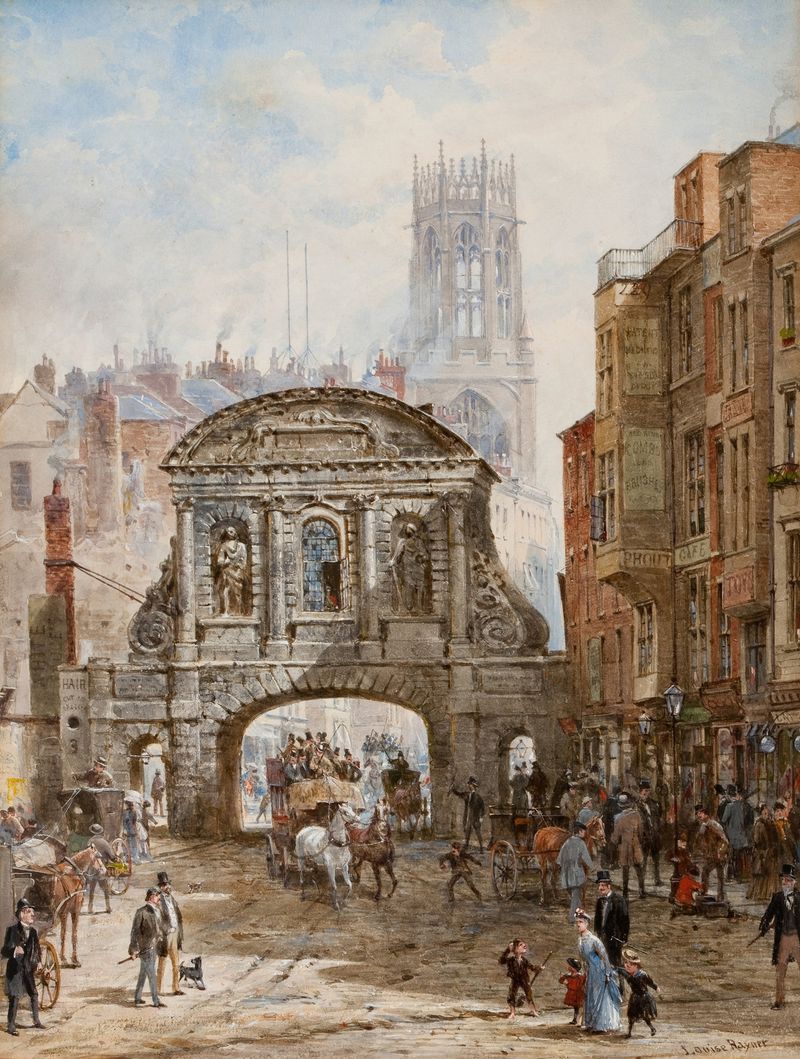
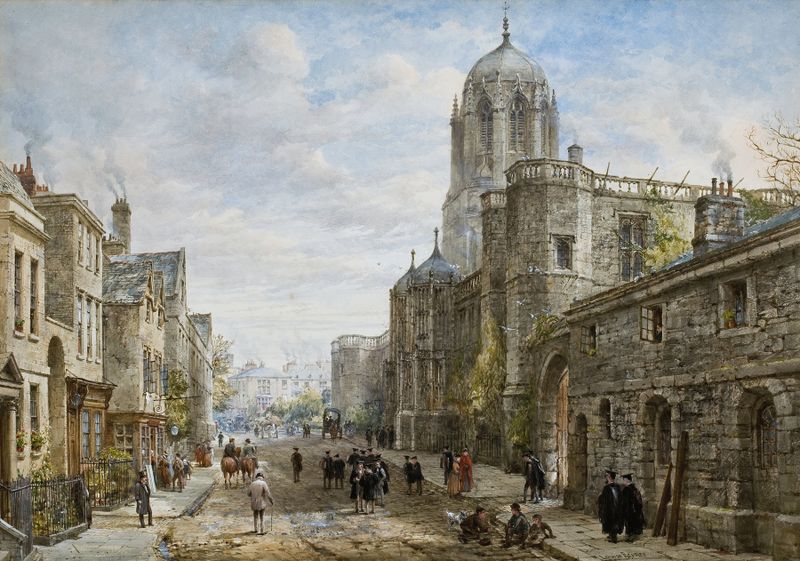
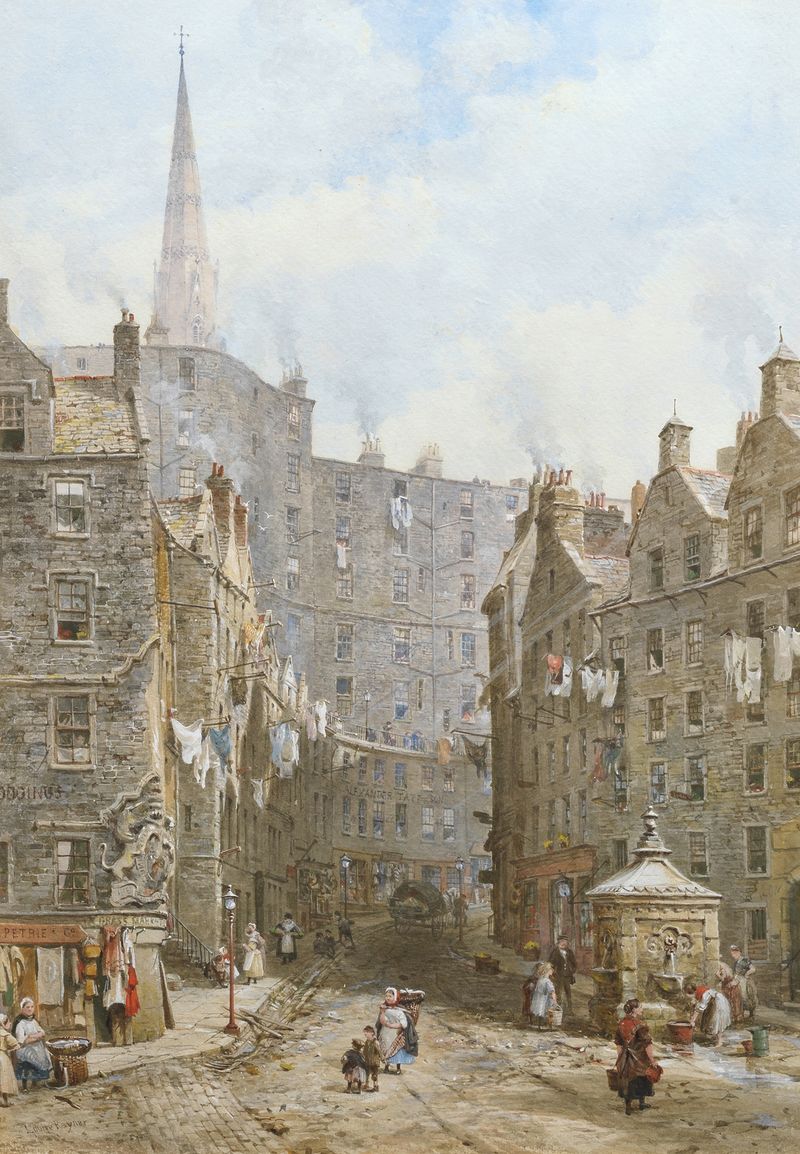
When did color learn to lie? The tranquil hues of serenity invite the viewer to ponder the authenticity of everyday life, as they are enveloped in a world where stillness reigns. Notice how your gaze is drawn to the charming buildings that line the street, each carefully crafted with warm, inviting colors. The soft blues and gentle browns suggest a quiet afternoon, while the dappled light dances across the scene, highlighting the intricate details of the facades. Take a moment to appreciate the meticulous brushwork, which breathes life into the cobblestones underfoot, creating a textured tapestry that beckons you to walk along and explore. Yet, beneath this idyllic surface lies a contrast between the vibrancy of the architecture and the absence of human presence.
The street, devoid of bustling life, evokes a sense of stillness that belies the energy of life just out of view. The gentle play of light and shadow further emphasizes this duality, whispering stories of the lives that once thrived in this space while evoking a longing for connection that feels just beyond reach. Louise Rayner painted this piece during a time when she was deeply involved in the artistic revival of the late 19th century in England. Renowned for her depictions of architectural landscapes, she captured the charm of local towns, reflecting both a personal appreciation for her surroundings and a desire to celebrate the pastoral beauty of her homeland.
In crafting High Street, Salisbury, she contributed to a growing interest in realism, capturing the essence of everyday life with a sensitivity that resonates through the ages.