Temple Bar — History & Facts
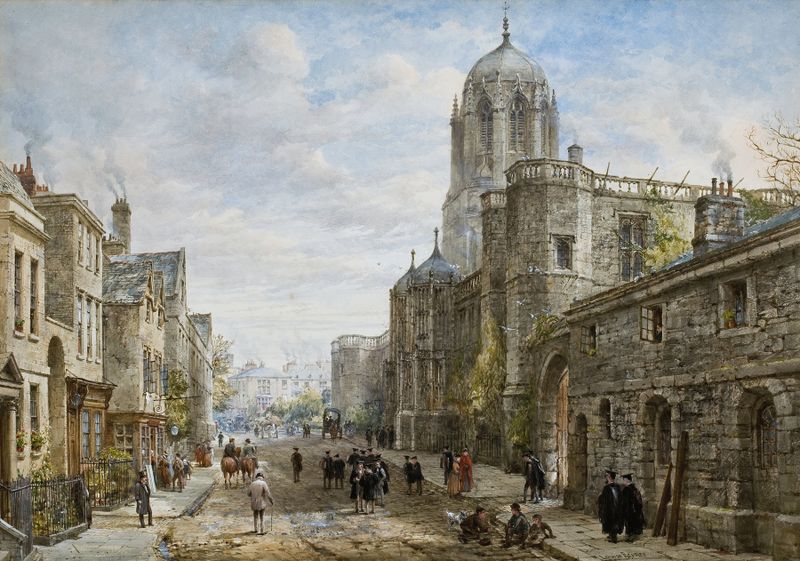
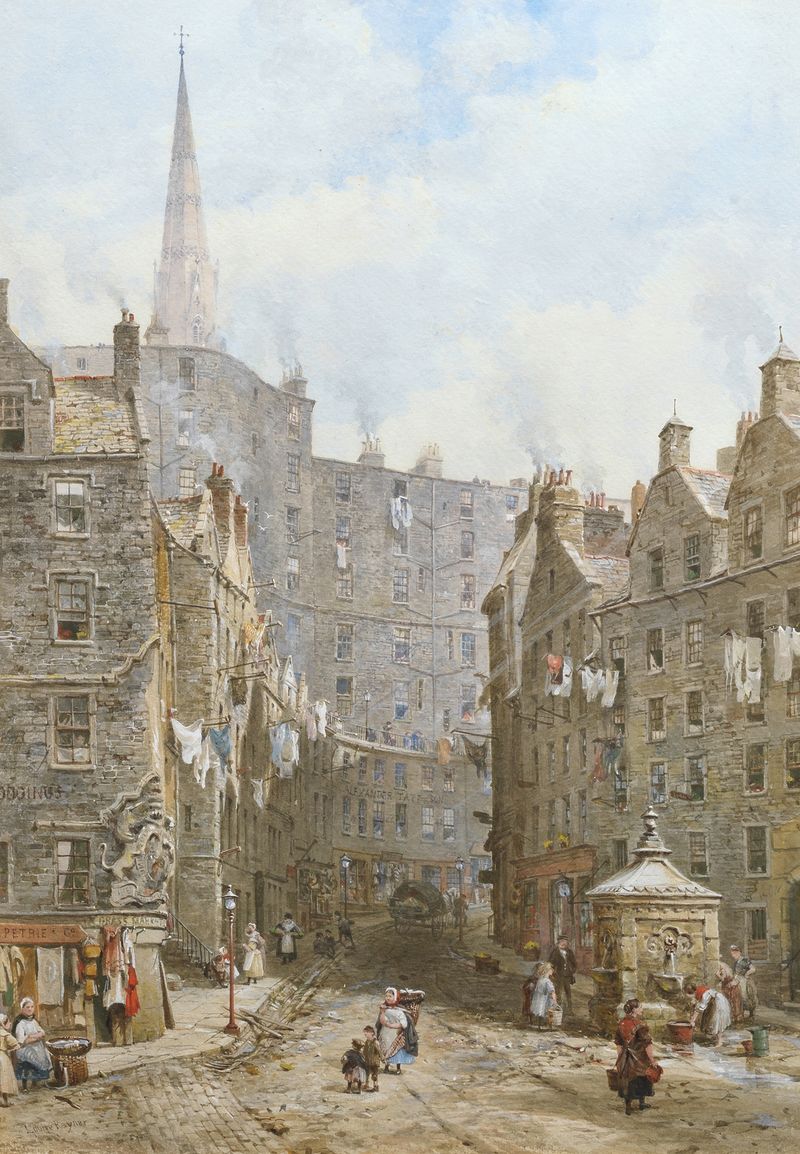
Could beauty survive in a century of chaos? In a world rife with betrayal, the elegance of our surroundings often serves as a poignant reminder of what we stand to lose. Look to the foreground, where the bustling figures envelop the street, their lively interactions hinting at stories untold. Notice how the soft pastels of the buildings contrast with the more vibrant hues of the clothing, lending a sense of warmth amidst the chill that can creep into urban life. The play of light dances off the cobblestones, drawing your gaze deeper into the composition, inviting you to wander along the invisible paths forged by both the artist’s brush and the inhabitants of this lively scene. Within this lively tableau, a subtle tension unfolds as the vibrant colors of the marketplace reflect the duality of joy and sorrow.
The characters, seemingly engaged in joyous commerce, might mask underlying emotions of treachery or disappointment, leaving us to ponder their true intentions. Each detail, from a lifted gaze to a supportive hand on a shoulder, speaks volumes of human connection and the fragility that accompanies it. Painted during an undetermined period, the artist found herself amidst a rapidly changing social landscape. Louise Rayner captured the essence of urban life in a time when the Industrial Revolution was reshaping society, transforming traditional values and relationships.
Her works often reflect a fascination with the juxtaposition of beauty and the complexities of daily existence, resonating with viewers who grappled with the shifting tides of their own lives.