
High Tatras — History & Facts
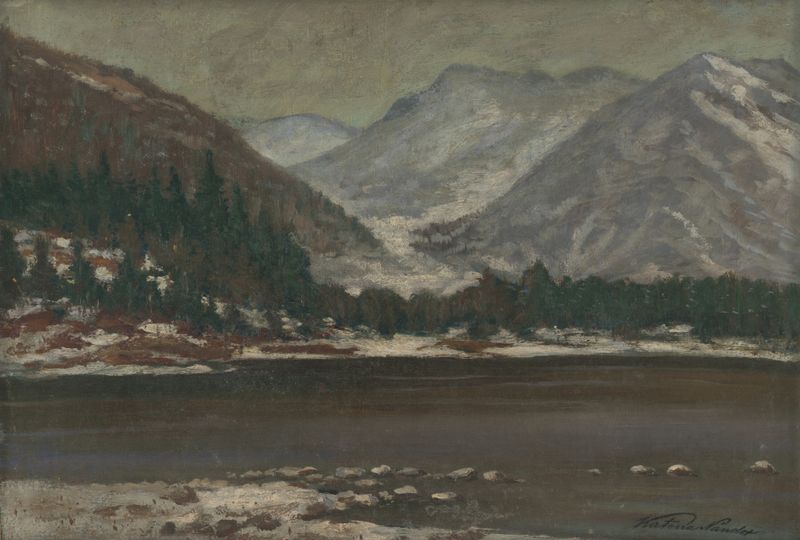
Can paint confess what words never could? In High Tatras, the artist captures the purity of nature, evoking a sense of innocence that transcends language. Look to the left at the majestic peaks, where soft strokes of white depict snow-capped summits that pierce the sky. The vibrant greens and earthy browns of the valleys below contrast vividly with the stark ice above, inviting the viewer to traverse this mountainous landscape. Notice how the clouds hover gently, their soft edges blending into the blue—creating a dreamy atmosphere that suggests both tranquility and the untamed spirit of nature.
The delicate balance of light across the canvas draws your eye, encouraging exploration of every crevice and shadow. Beneath the surface, there are tensions between the monumental presence of the mountains and the fragile beauty of the landscape. This interplay reflects the innocence of untouched nature, yet hints at the vulnerability of such environments in the face of human encroachment. The subtle gradations of color speak to the passage of time, suggesting that what once was remains threatened and precious.
The painting reveals a world where innocence and the sublime coexist, urging viewers to reflect on their relationship with nature. Ferdinand Katona created High Tatras during a transformative period for art, between 1893 and 1932, in a time when European artists were exploring the themes of nationalism and nature in their work. Living in Czechoslovakia, Katona was surrounded by the stunning landscapes that inspired him, while the rise of modernism began to challenge traditional techniques. His focus on the sublime beauty of the High Tatras echoes the Romantic ideals of the time, capturing both the awe and fragility of the natural world.
More Artworks by Ferdinand Katona
Browse all →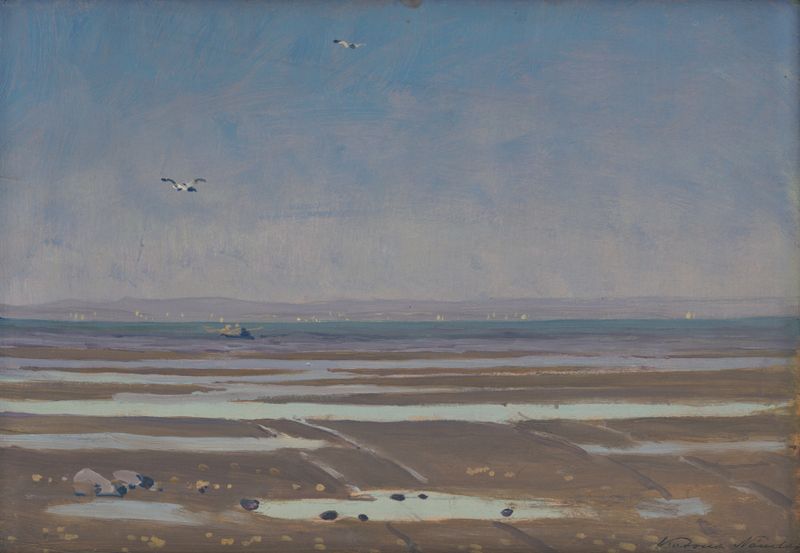
Early spring
Ferdinand Katona
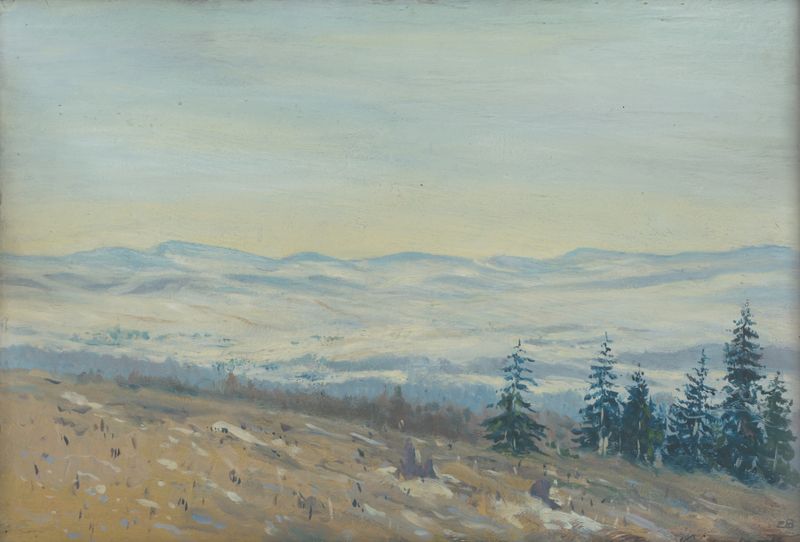
High Tatras
Ferdinand Katona
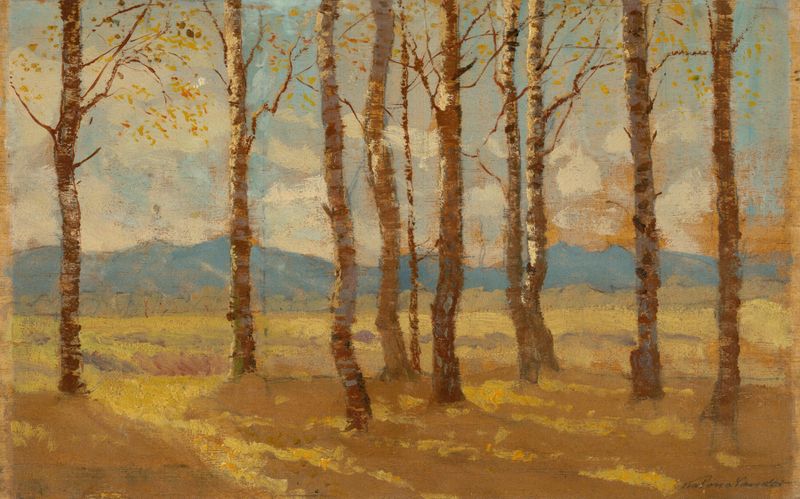
Birches in Autumn
Ferdinand Katona
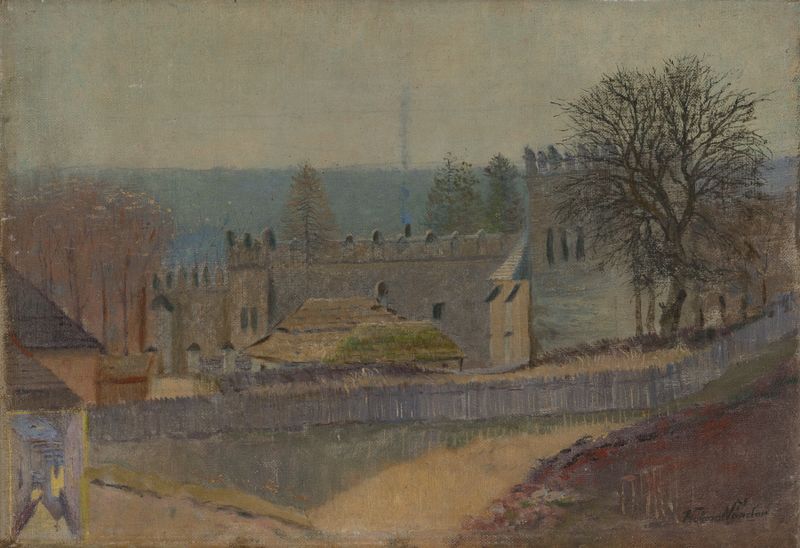
View of Strážky
Ferdinand Katona
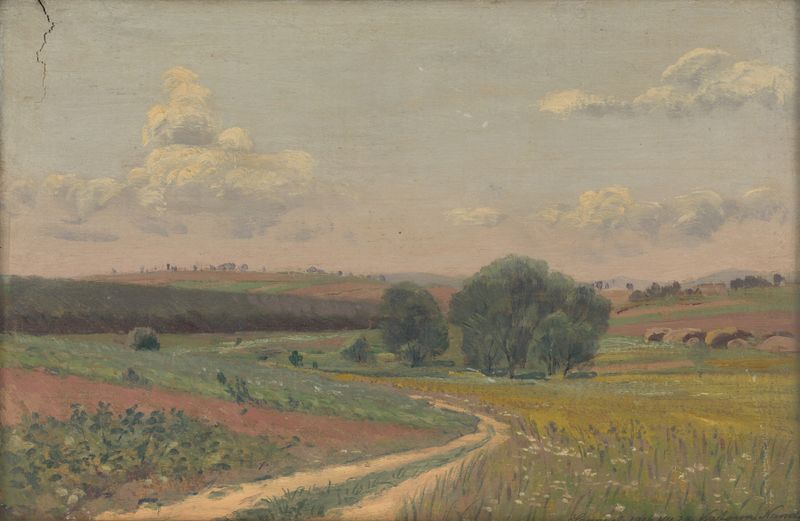
Landscape with a dirt road
Ferdinand Katona
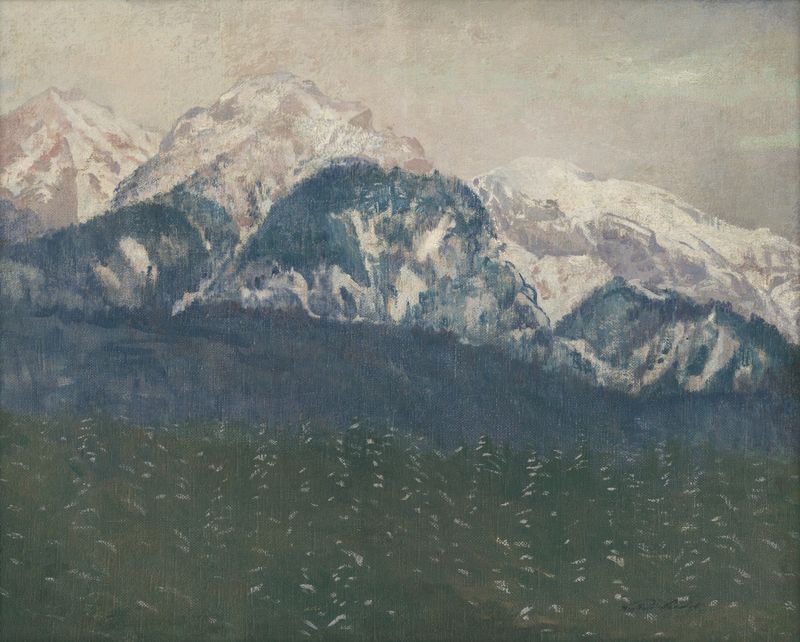
View of the High Tatras
Ferdinand Katona
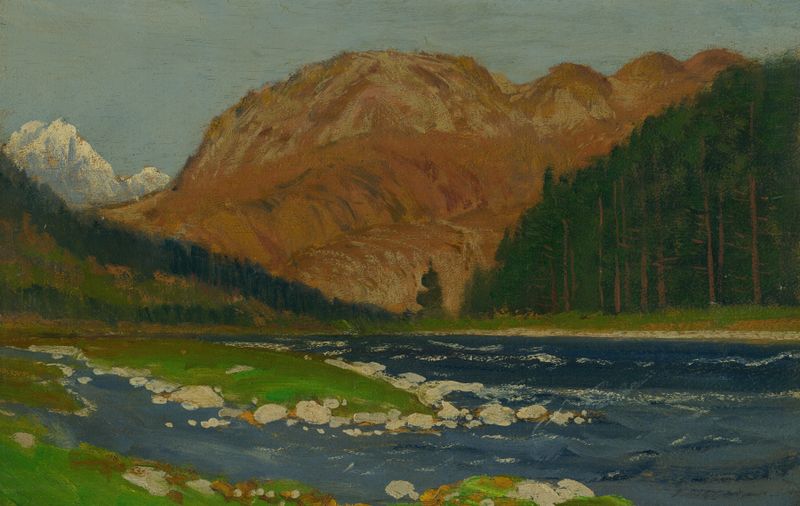
Landscape by the Danube
Ferdinand Katona
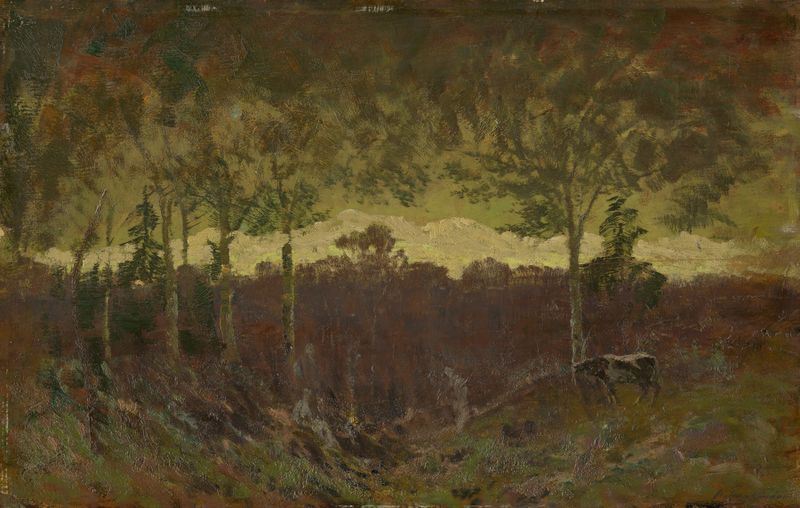
Early Evening Tatras Landscape
Ferdinand Katona
View of the High Tatras
Ferdinand Katona
Poplars by the water
Ferdinand Katona





