
Landscape by the Danube — History & Facts
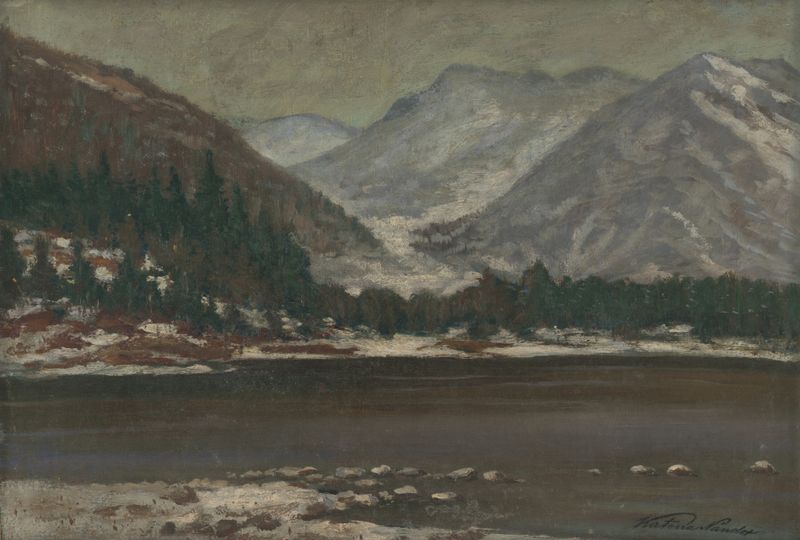
Who listens when art speaks of silence? In Landscape by the Danube, melancholy drips from the canvas like the slow flow of water, inviting reflection and contemplation. Look to the left at the muted greens and browns, where trees sway gently in an unseen breeze. The brushwork is loose yet deliberate, capturing the essence of the landscape rather than its minutiae. Notice how the light filters through the foliage, casting dappled shadows on the riverbank.
The soft blues of the Danube stretch across the foreground, creating a serene yet poignant contrast with the surrounding earth tones. At first glance, the peaceful scene may evoke tranquility, yet deeper exploration reveals an underlying sense of solitude. The distant hills loom like guardians of secrets, while the stillness of the water hints at unspoken stories. Each element—the overcast sky, the lone tree—serves as a reminder of the passage of time, immersing the viewer in a bittersweet narrative of longing and quiet reflection. In the late 19th century, Ferdinand Katona created this piece during a period of artistic transition in Europe.
Painting in Vienna, he was influenced by the burgeoning modernist movement, which sought to capture the essence of life beyond mere representation. This work reflects both his personal struggles and a broader cultural shift towards introspection, embodying a moment where the natural world and human emotion intertwine.
More Artworks by Ferdinand Katona
Browse all →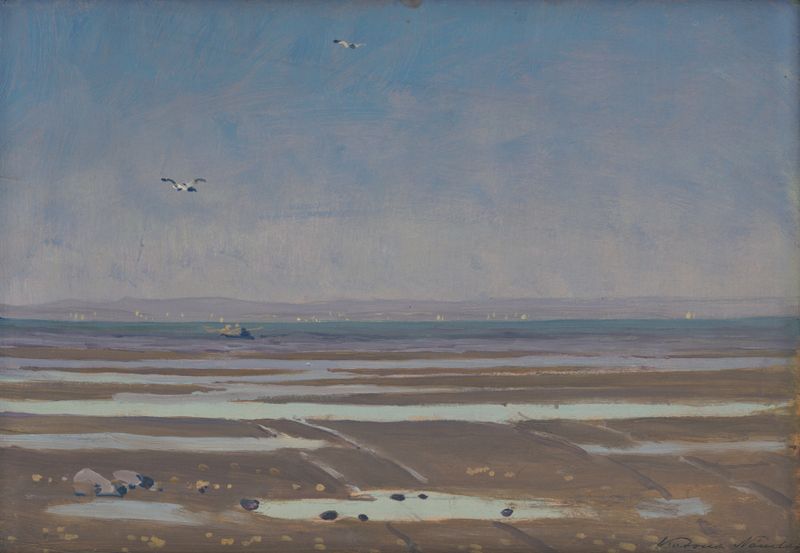
Early spring
Ferdinand Katona
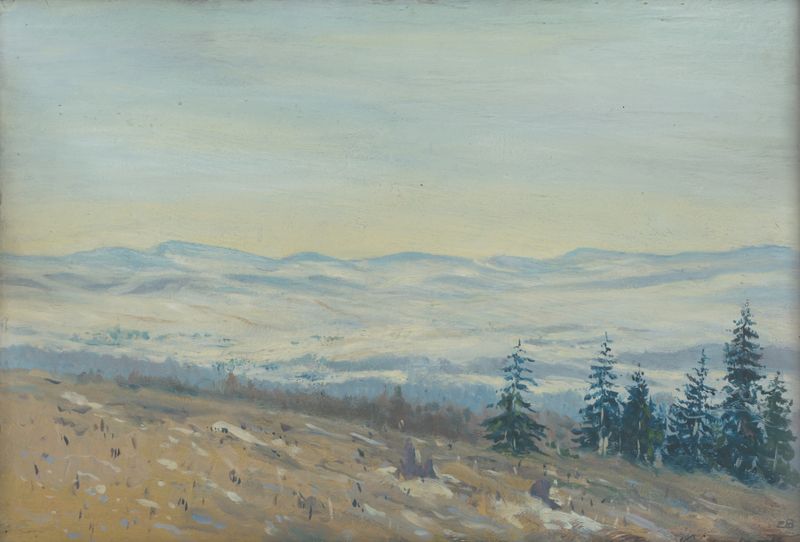
High Tatras
Ferdinand Katona
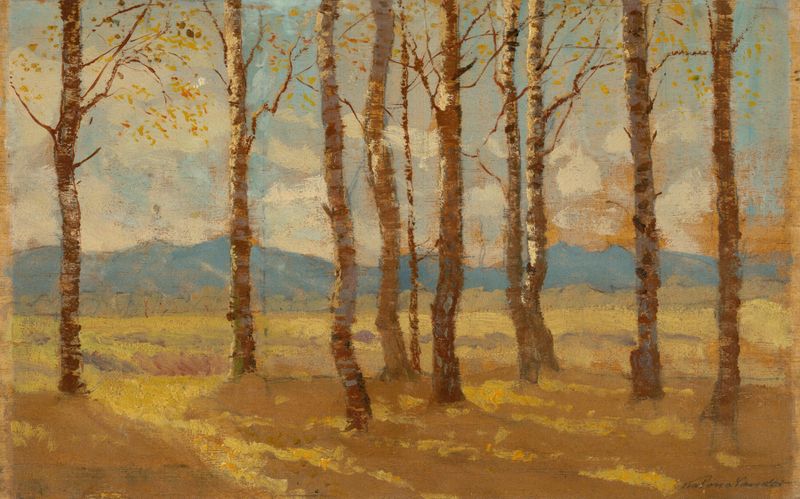
Birches in Autumn
Ferdinand Katona
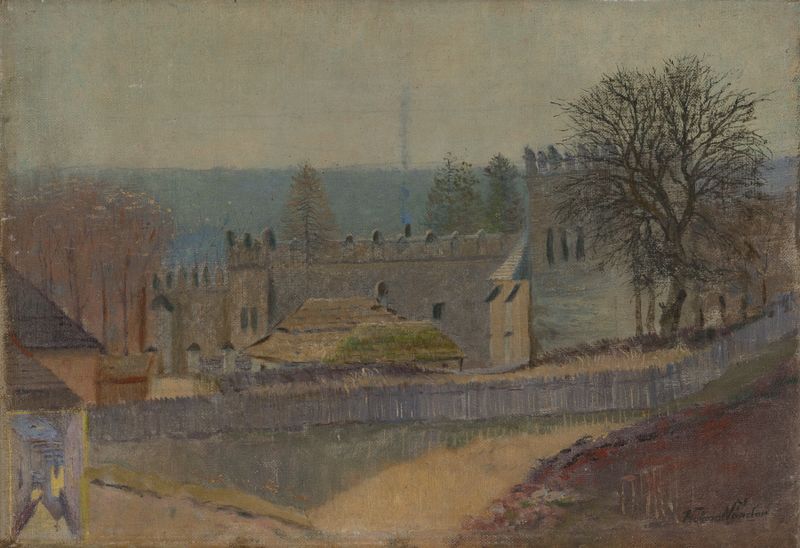
View of Strážky
Ferdinand Katona
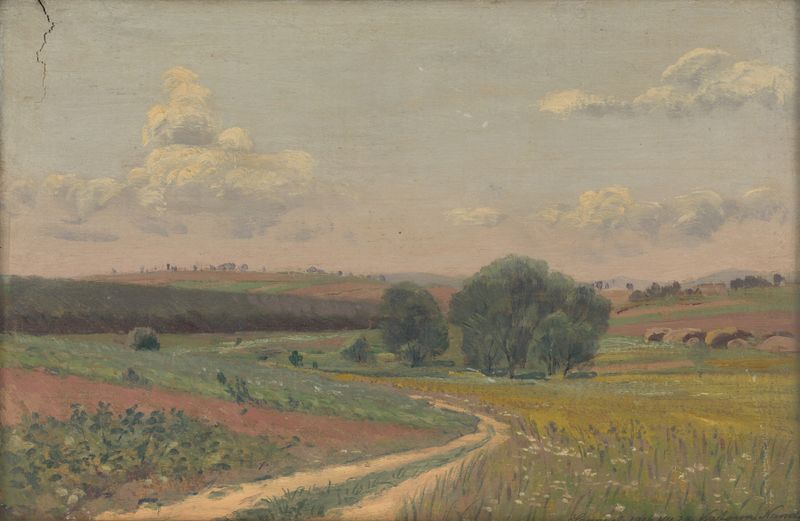
Landscape with a dirt road
Ferdinand Katona
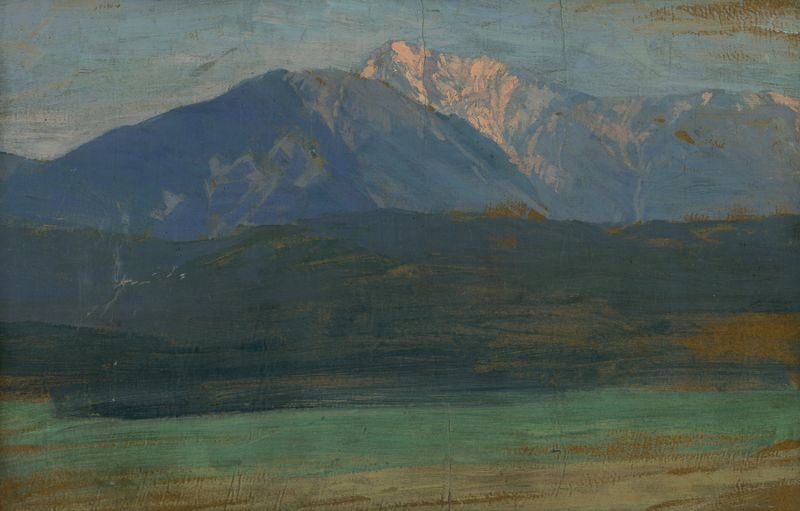
High Tatras
Ferdinand Katona
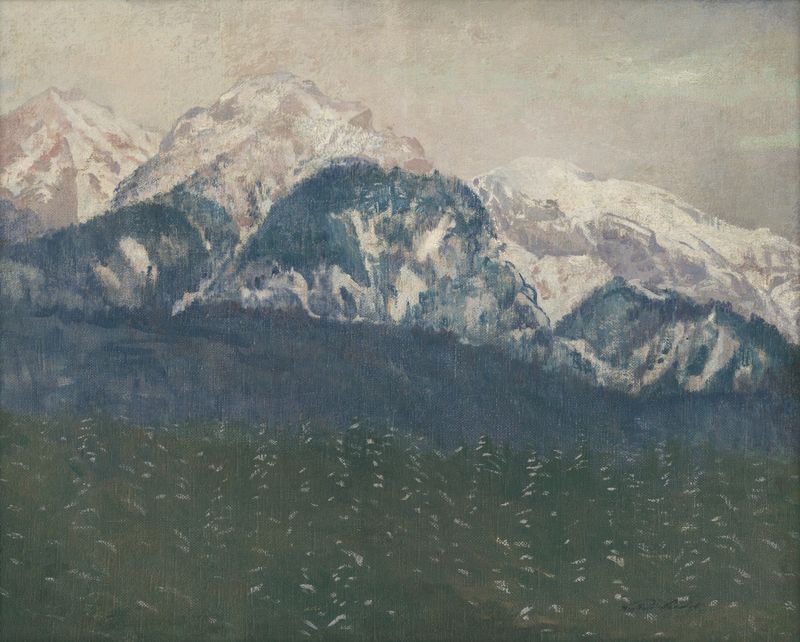
View of the High Tatras
Ferdinand Katona
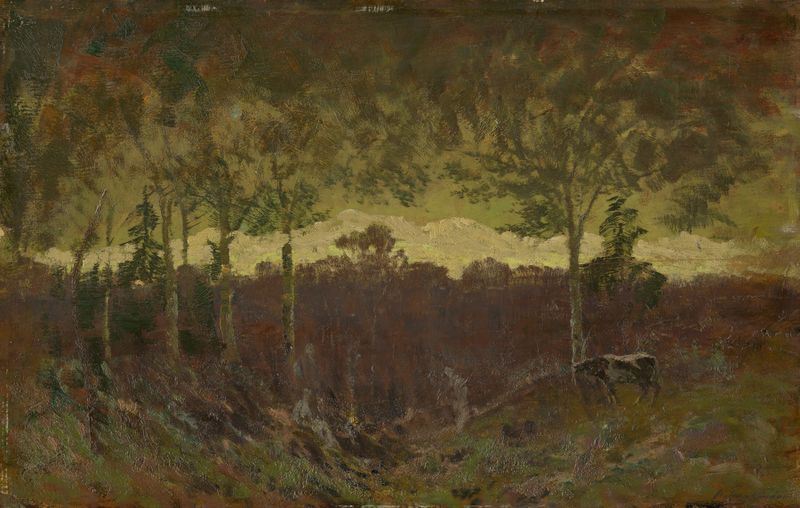
Early Evening Tatras Landscape
Ferdinand Katona
View of the High Tatras
Ferdinand Katona
Poplars by the water
Ferdinand Katona





