High Tor, Matlock Derbyshire — History & Facts
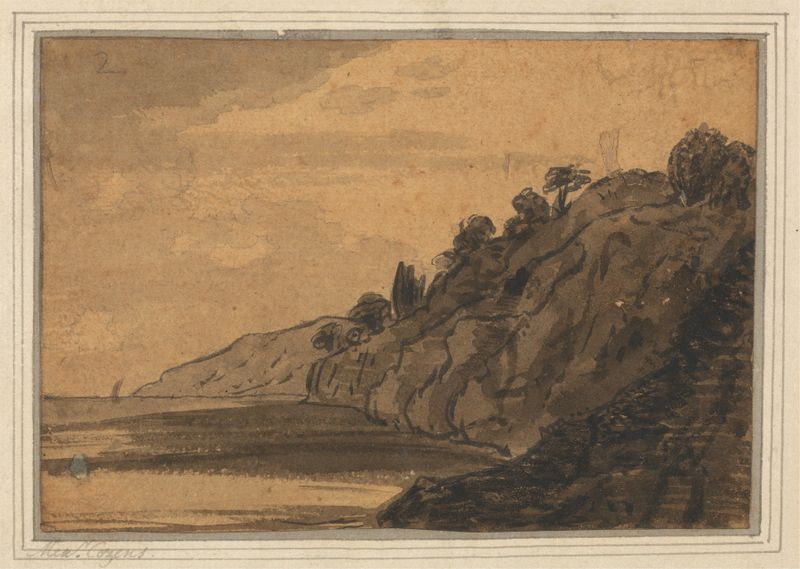
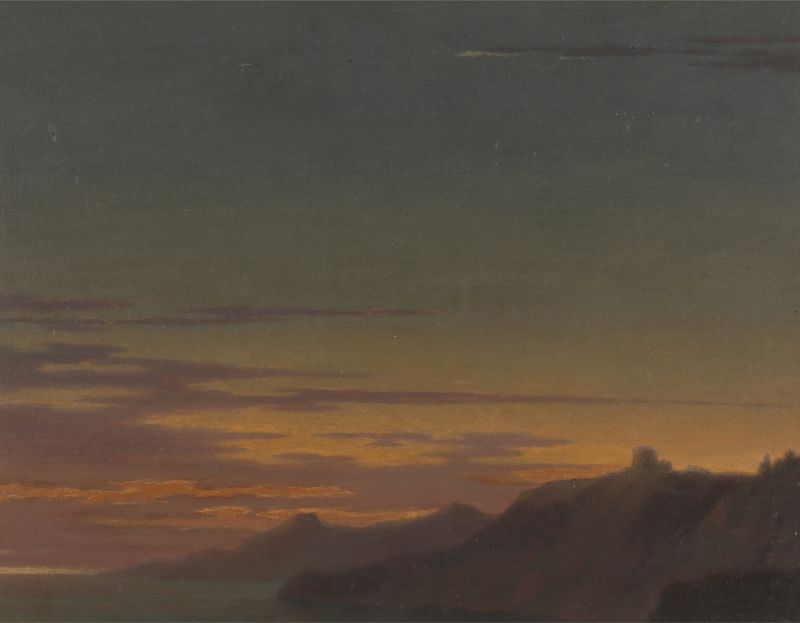
Could beauty survive in a century of chaos? In the serene vistas of High Tor, Matlock Derbyshire, the answer finds its form. Look to the foreground, where the rugged cliffs rise majestically against a backdrop of rolling hills and a tranquil river. The interplay of light and shadow dances across the textured surfaces, revealing the meticulous brushwork that defines this landscape. Soft, muted colors blend seamlessly, hinting at the ethereal quality of the atmosphere, pulling the viewer into a moment suspended in time. The contrast between the monumental cliffs and the gentle flow of the water evokes a profound tension between permanence and transience.
While the rocks stand resolute, the rippling stream suggests a fleeting nature, a reminder of change. The delicate clouds overhead watch as both elements coexist, whispering of nature’s eternal cycle. It's in these small details—the fluttering leaves, the calm yet flowing water, and the vast sky—that the narrative of resilience unfolds. In 1756, Alexander Cozens painted this work during a period when Romanticism was beginning to shape the artistic landscape.
Living in England, he found inspiration in the natural beauty surrounding him, in stark contrast to the political and social upheavals of the time. As artists sought to connect with the sublime and the emotional power of nature, Cozens’s reflections on the English countryside contributed to the evolving dialogue of art, where tranquility could emerge amid the chaos of human existence.