
Hills of Tullock — History & Facts
In a world often marked by violence, the act of painting can transform turmoil into beauty, revealing the delicate balance that lies beneath the surface. Look closely at the foreground of Hills of Tullock, where rolling hills undulate like waves caught in a fleeting moment. The lush greens and muted browns create a rich tapestry, inviting you to explore the interplay of light and shadow. Notice how the artist's bold strokes create texture, suggesting the wind's caress over the landscape, while softer hues in the distance hint at the tranquility that belies the latent tension of the scene. Delve deeper into the nuances of this composition; the contrasting colors do more than just depict a serene hillscape.
They whisper of underlying conflict — the vibrant greens hint at life, yet the sharp lines evoke a sense of foreboding, as if nature itself holds its breath. The horizon, tinged with ominous clouds, conveys both beauty and impending change, a reflection of the violence that lurked in the world during the creation of this piece. In 1915, Cameron was immersed in a tumultuous period, as the Great War cast a long shadow over Europe. Working from his studio in Scotland, he sought to capture the essence of his homeland while processing the chaos unleashed by conflict.
This was a time when many artists were grappling with their relationships to nature and humanity, and Hills of Tullock stands as a testament to their struggle to find grace amid disarray.
More Artworks by David Young Cameron
Browse all →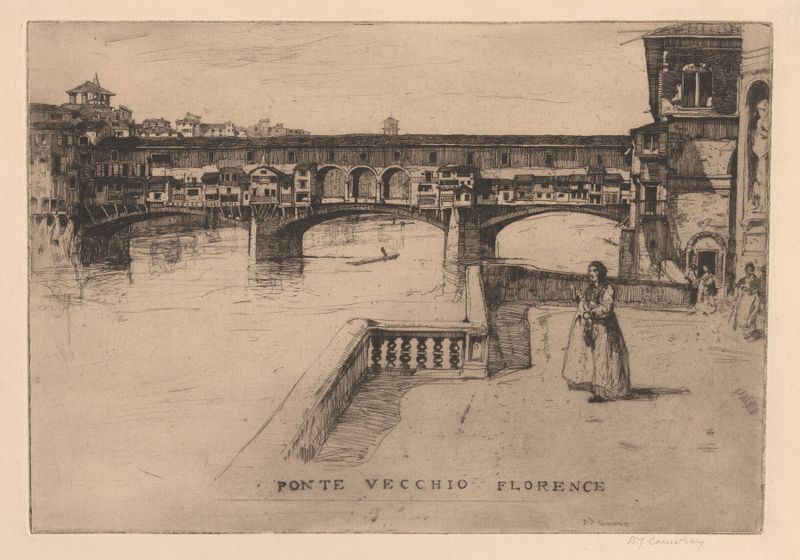
Ponte Vecchio
David Young Cameron

The Deanery, Winchester
David Young Cameron
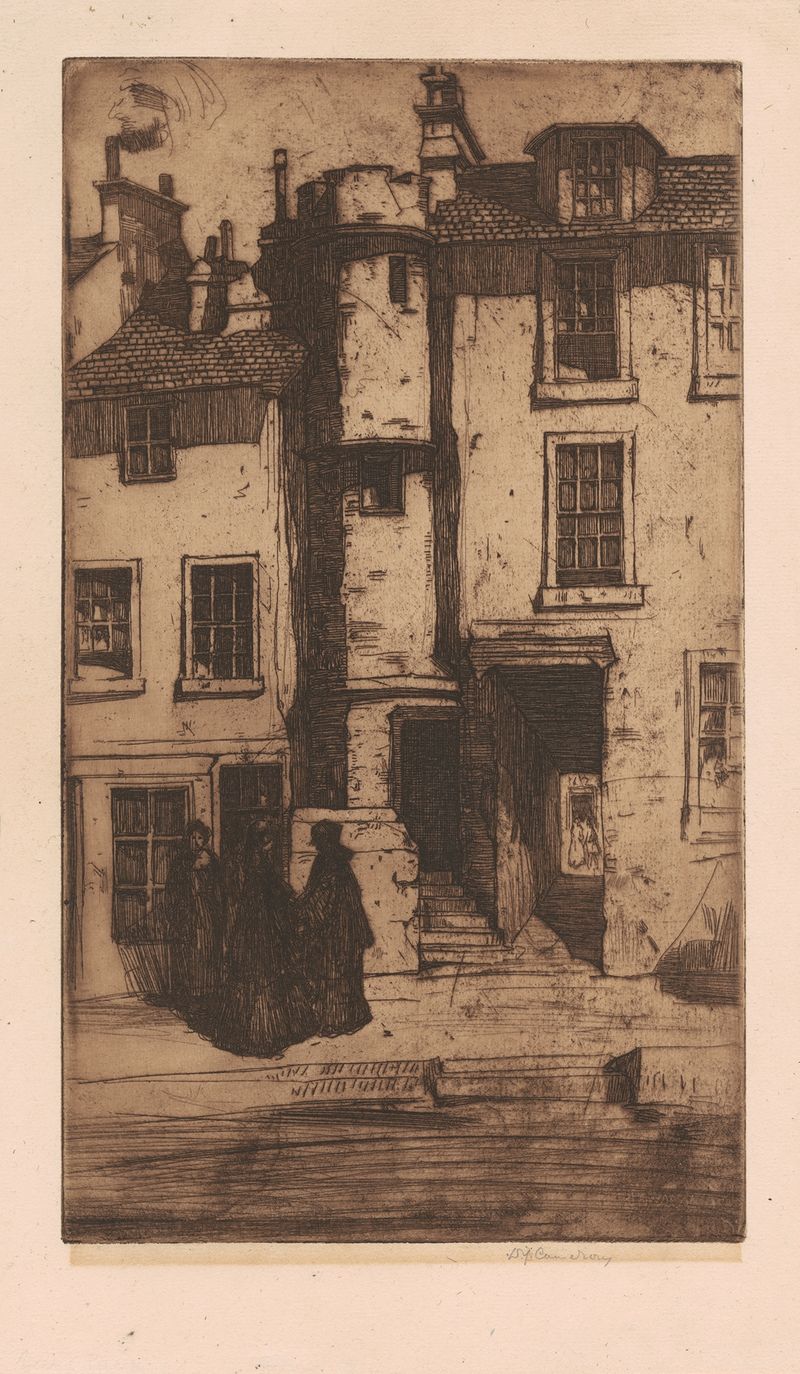
Old Houses, Stirling
David Young Cameron
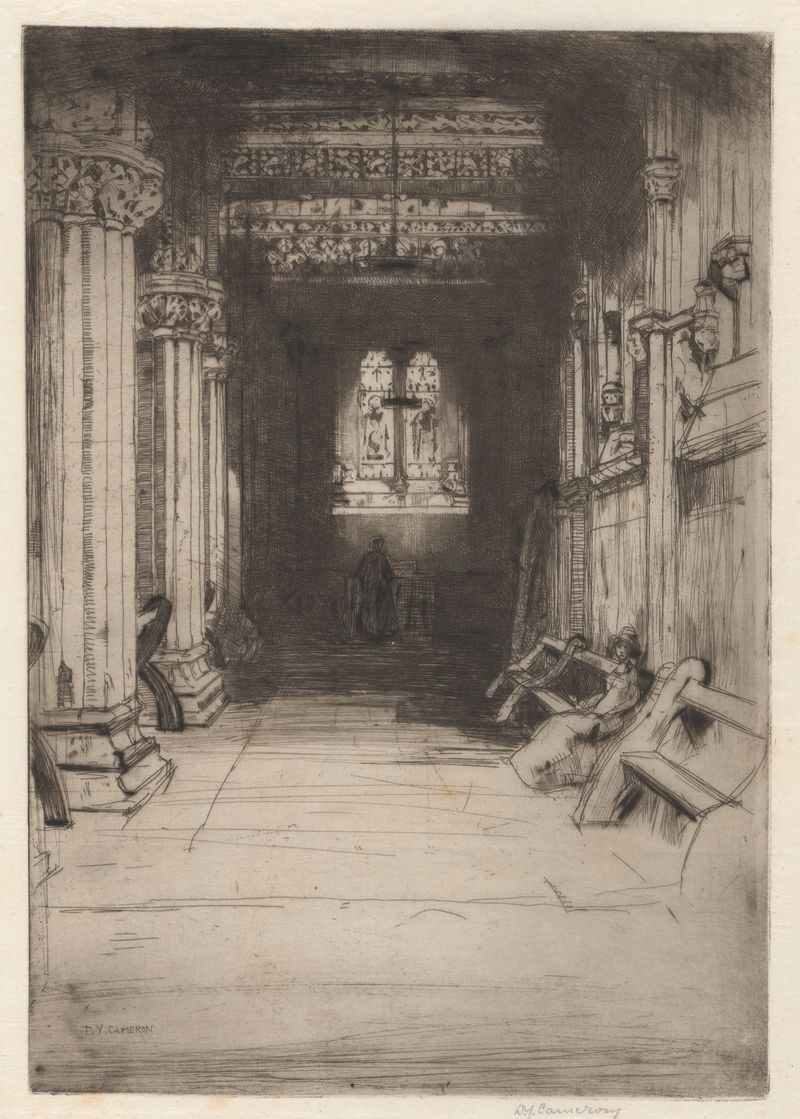
Rosslyn Chapel
David Young Cameron

The Old Museum, Beauvais
David Young Cameron
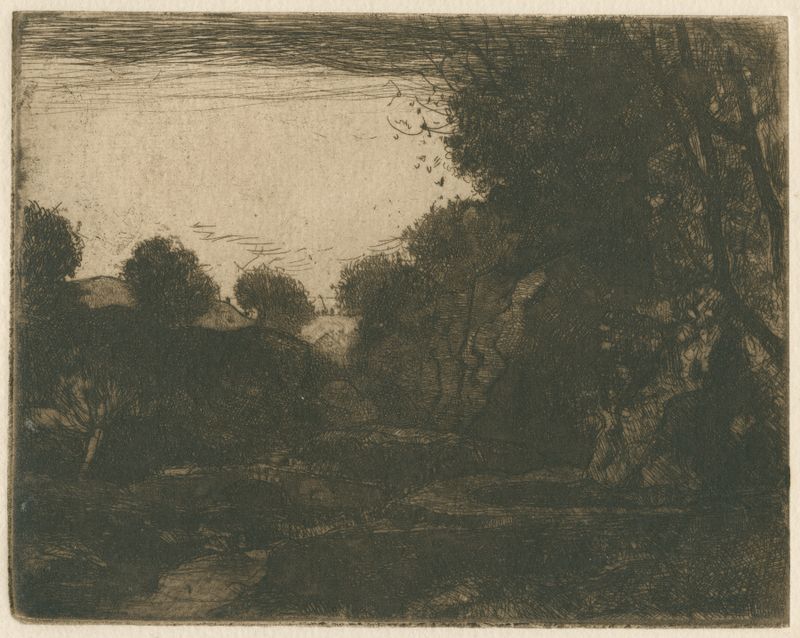
On the Bradford
David Young Cameron

The Smithy
David Young Cameron
Castle Moyle
David Young Cameron
Downing Street
David Young Cameron

Glasgow Cathedral
David Young Cameron





