Hillside — History & Facts
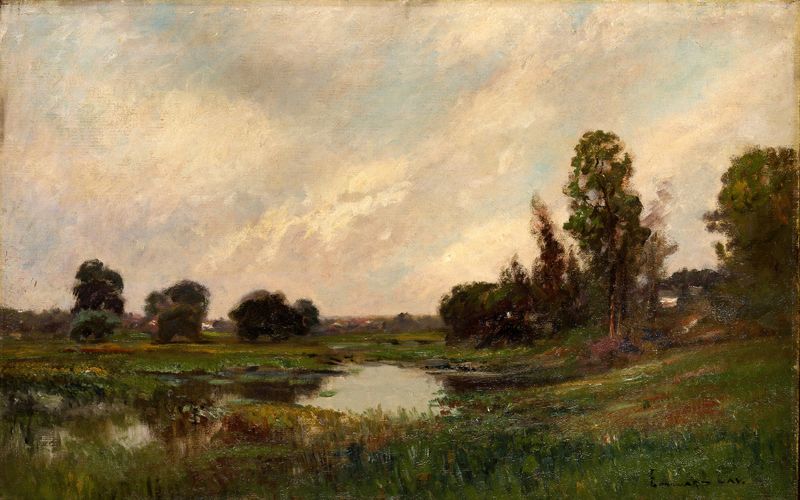
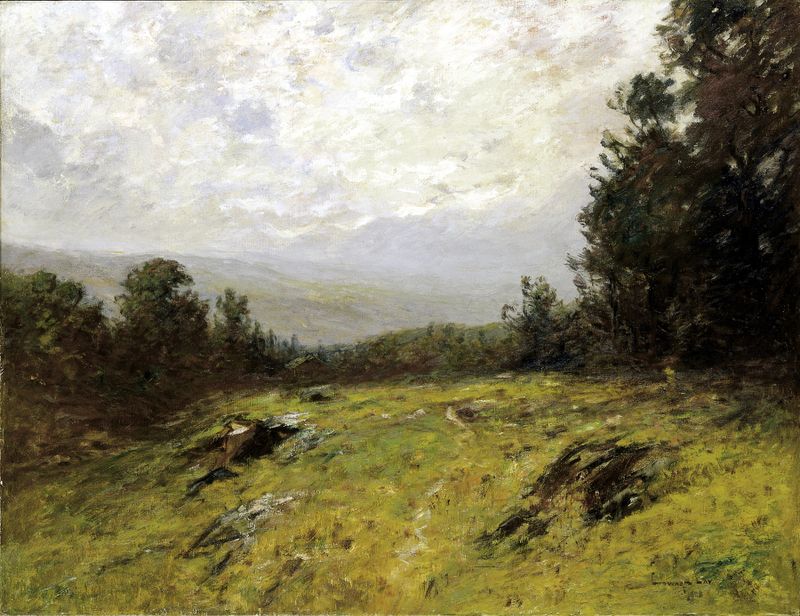
In the embrace of nature’s palette, Hillside unfolds as a vibrant testament to the beauty that time cannot erase. Look to the upper left where vivid greens of the hills gently cascade down, each brushstroke pulsating with life. The radiant hues blend seamlessly into the warm golden tones of the earth below, creating a harmonious transition that invites you deeper into the scene. Notice how the dappled sunlight filters through the trees, casting delicate shadows that dance along the path winding through the landscape, emphasizing the contrast between light and dark with a deliberate softness. Hints of wildflowers peek through the verdant underbrush, their colors bold yet fleeting, mirroring moments of joy and transience.
The composition strikes a balance between chaos and serenity, where the vibrant flora evokes a sense of exuberance, while the peaceful hillside whispers of stillness and reflection. Each element works together, revealing not just a physical space but an emotional landscape, one that celebrates the passage of time with both nostalgia and exuberance. Painted in 1908, this work emerged during a period of growth in Gay’s career, rooted in the burgeoning American Impressionist movement. Working primarily in California, he was deeply influenced by the surrounding landscape and the light that danced upon it.
It was a time when artists sought to capture the ephemeral qualities of nature, striving to convey not just what they saw, but what they felt in those fleeting moments of beauty.