Discover insights about this artwork
Hina Tefatou (The Moon and the Earth) — History & Facts
In Hina Tefatou (The Moon and the Earth), vibrant colors dominate the canvas, with deep blues and greens representing the earth and the moon. The figures are stylized, with a focus on their connection to nature and the cosmos. Gauguin uses bold outlines and flat areas of color, typical of his Post-Impressionist style.
The setting appears to blend elements of Polynesian culture with a dreamlike quality. The painting is executed in oil on canvas, showcasing Gauguin's characteristic brushwork and use of color. The dimensions are approximately 90 x 70 cm, making it a medium-sized work that invites close inspection. The composition is balanced, with the moon and earth figures interacting harmoniously.
This piece reflects Gauguin's interest in symbolism and the spiritual connections between humanity and nature. Paul Gauguin created Hina Tefatou during his time in Tahiti, where he sought to escape European society and explore indigenous cultures. This work is a reflection of his fascination with mythology and the natural world. An interesting fact about this painting is that it embodies Gauguin's belief in the spiritual significance of the moon and earth, which he often explored in his art.
The piece is now housed in the Musee d'Orsay, a fitting location for such a culturally rich work.
More Artworks by Paul Gauguin
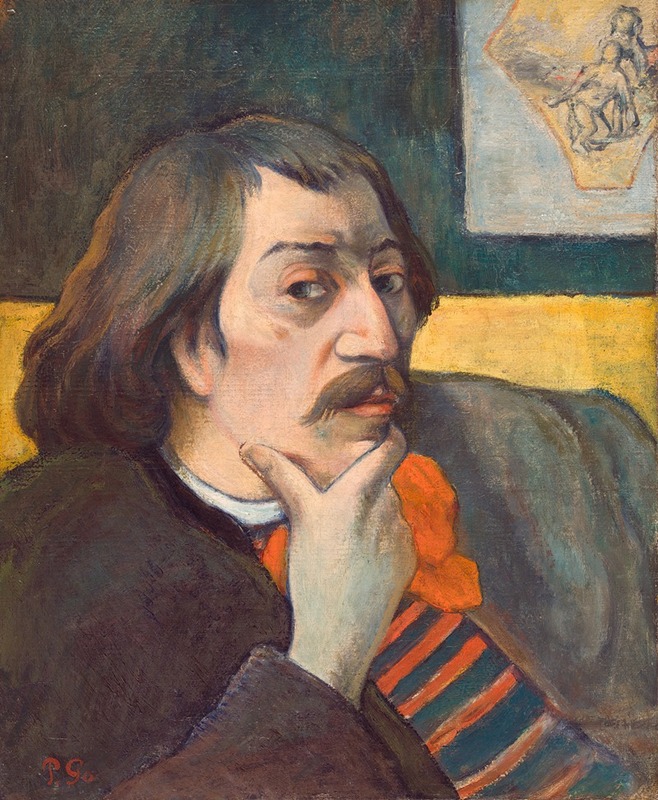
Self Portrait
Paul Gauguin
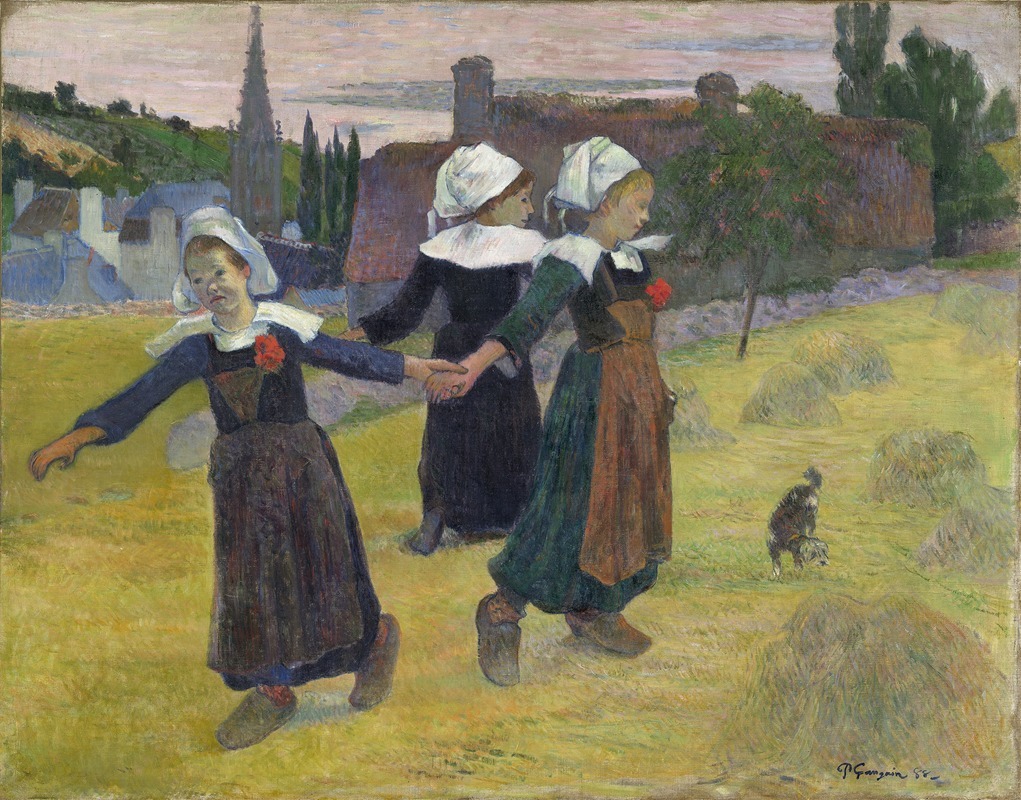
Breton Girls Dancing,Pont-Aven
Paul Gauguin
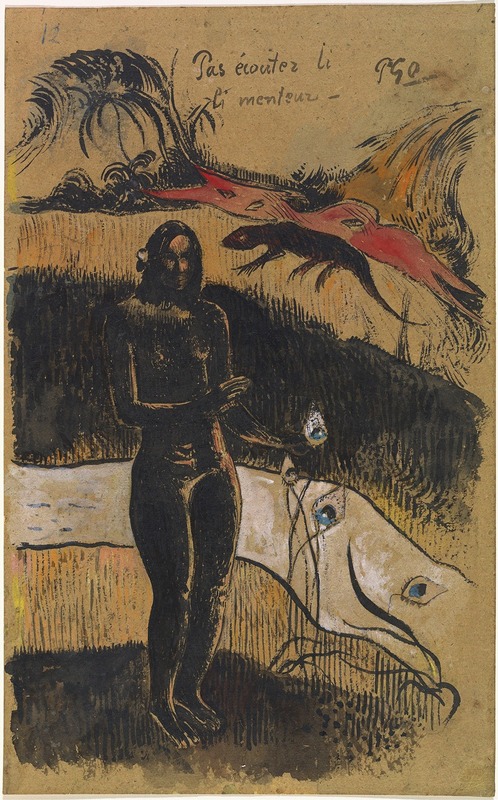
Nave Nave Fenua
Paul Gauguin
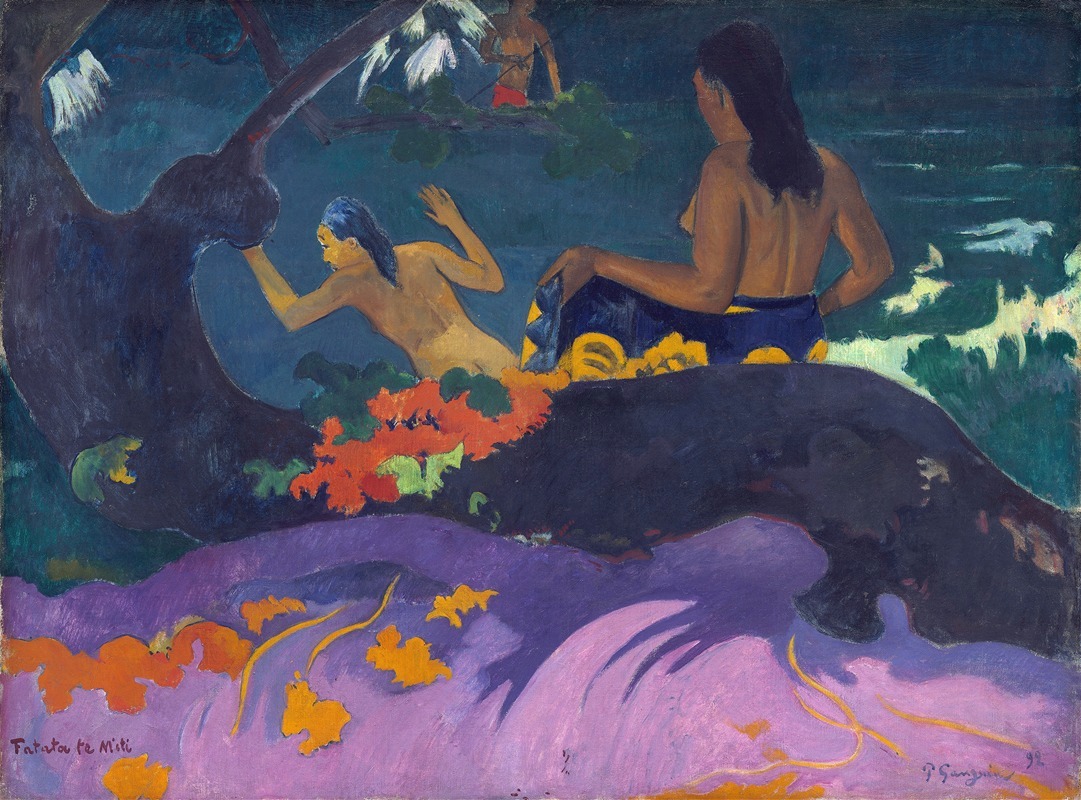
Fatata te Miti (By the Sea)
Paul Gauguin
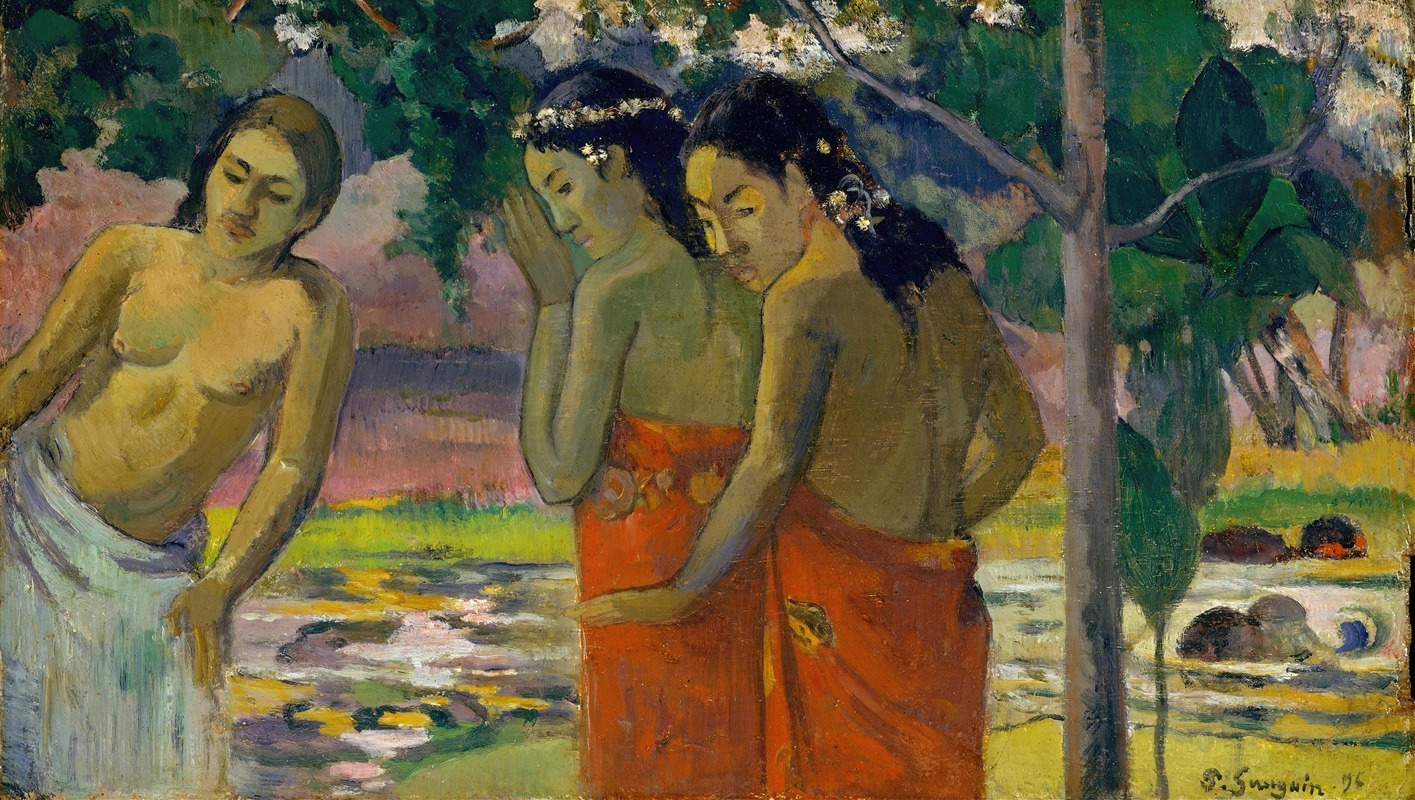
Three Tahitian Women
Paul Gauguin
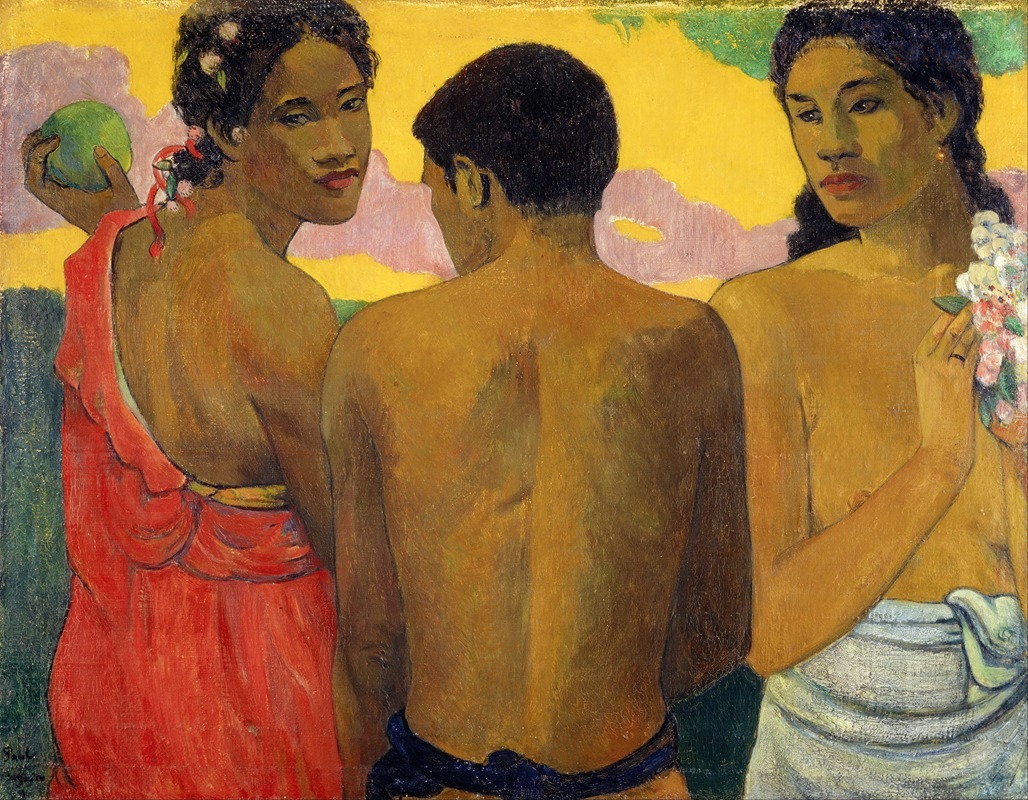
Three Tahitians
Paul Gauguin
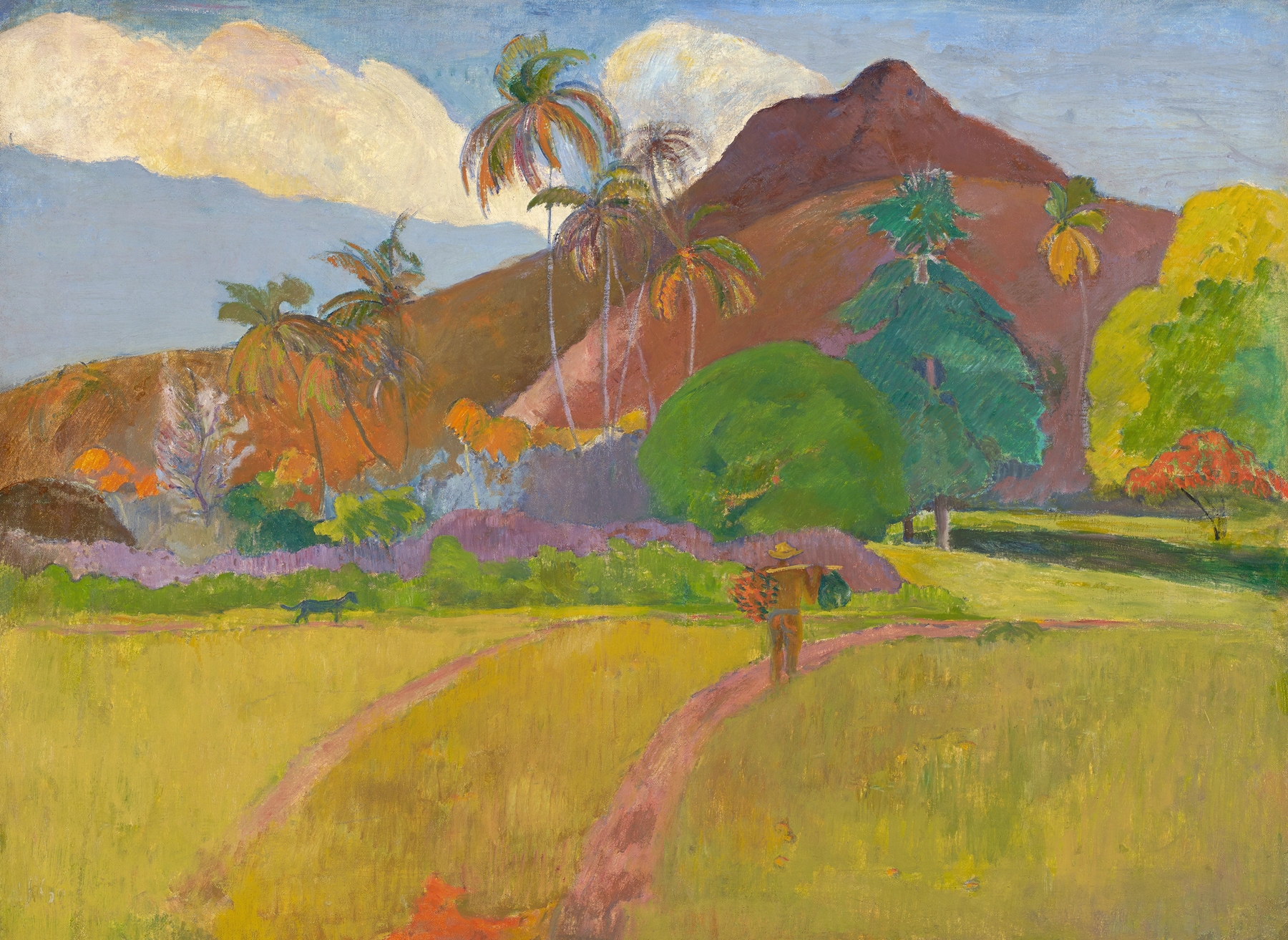
Tahitian Landscape
Paul Gauguin
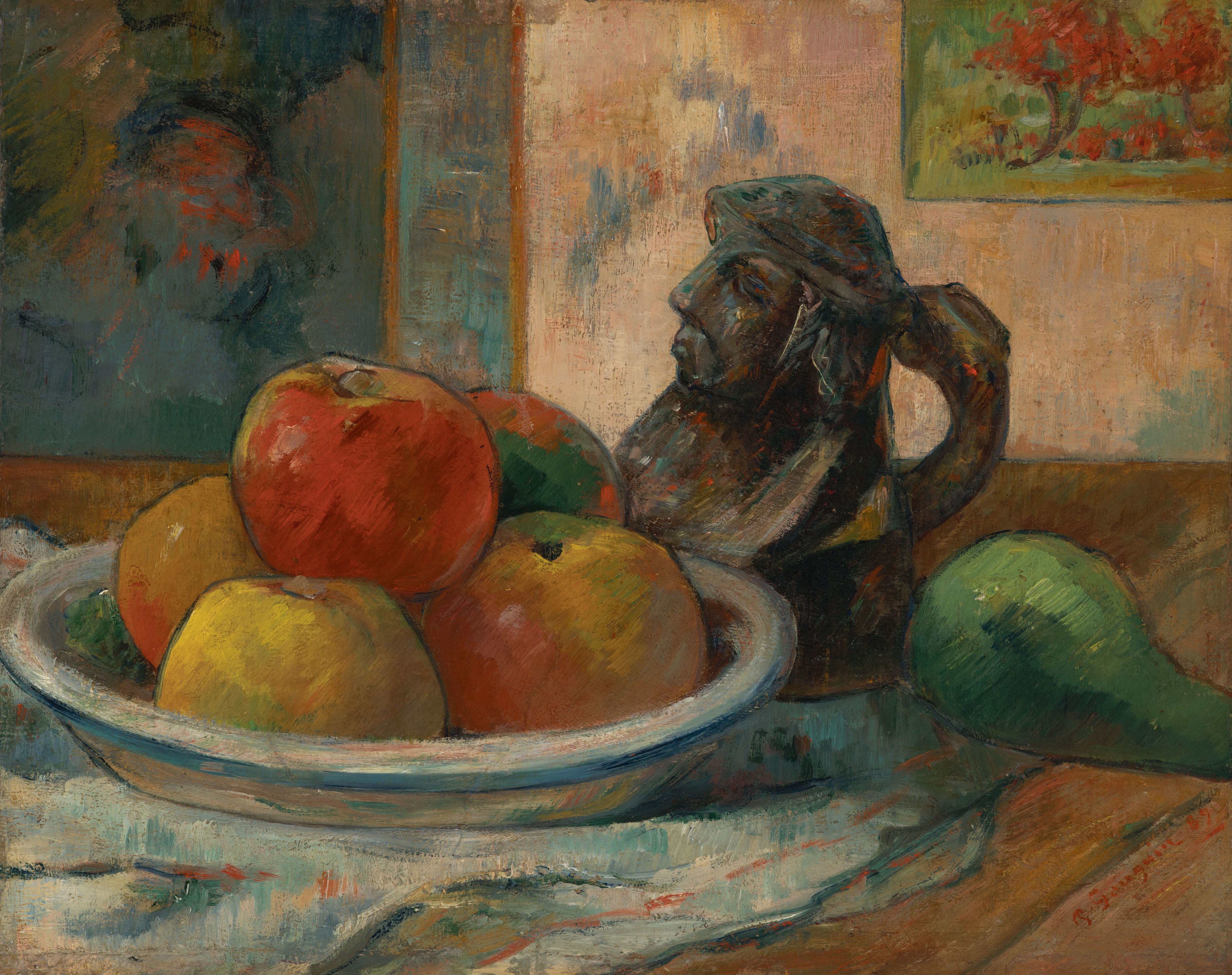
Still Life with Apples, a Pear, and a Ceramic Portrait Jug
Paul Gauguin
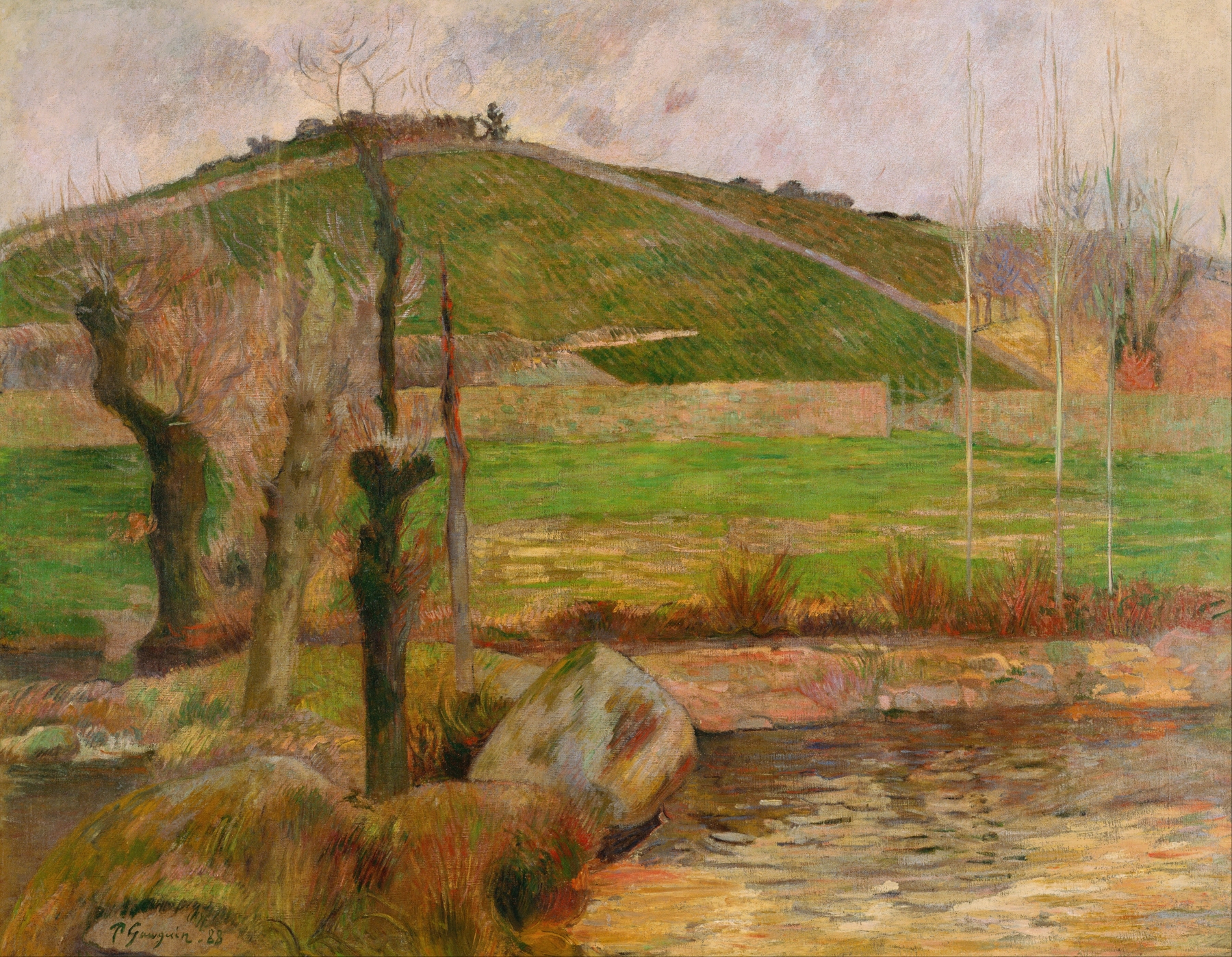
Landscape near Pont-Aven
Paul Gauguin

No te aha oe riri (Why Are You Angry?)
Paul Gauguin