
Hindeloopen in Frisia — History & Facts
In the realm of dreams, moments flutter like delicate leaves, caught between wakefulness and slumber, echoing a sense of longing. Look to the horizon where soft blues and gentle greens entwine, revealing the serene landscape of Hindeloopen. The artist employs a soft palette, the colors blending harmoniously to evoke tranquility. Notice how the light dances across the water, giving life to the reflections of quaint houses, while wisps of clouds float lazily above the scene, inviting you to linger and breathe in the stillness. Yet beneath this calm exterior lies a subtle tension.
The juxtaposition of the bustling boats and the serene village hints at a world in transition, a delicate balance between the past and the inevitable march of progress. The intricate details of the boats, their sails catching the light, whisper stories of journeys and dreams long held. Meanwhile, the lush greenery encapsulates a sense of nostalgia, as if the village itself is a dreamscape, unfurling its secrets to those who dare to gaze closely. In 1899, the artist captured this idyllic scene in the Netherlands, a time when Impressionism was blossoming across Europe.
As Morgenstern strolled the waterways of Frisia, he sought to encapsulate not just a landscape, but an emotional resonance that transcends the physical world. Art was evolving, and so was his vision—merging the ethereal with the tangible, creating a dream that still beckons us to explore.
More Artworks by Friedrich Ernst Morgenstern
Browse all →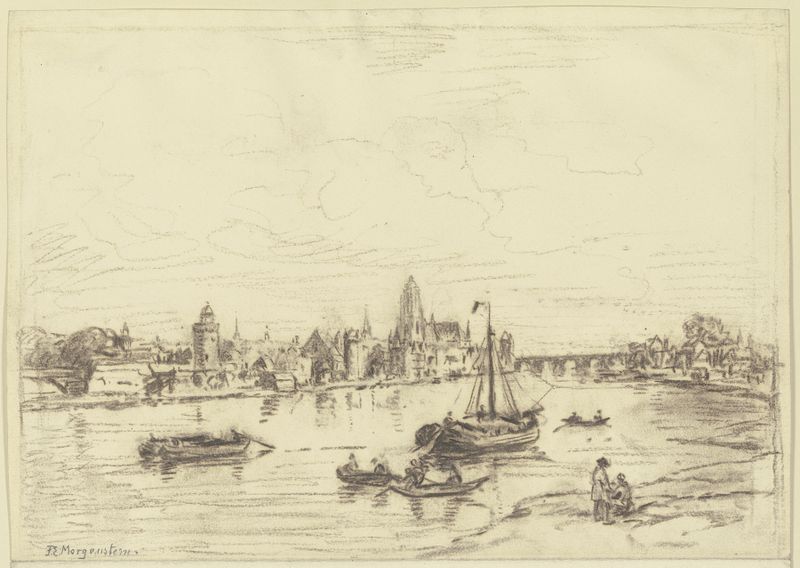
View of Frankfurt
Friedrich Ernst Morgenstern

On the Scheldt near Veere
Friedrich Ernst Morgenstern
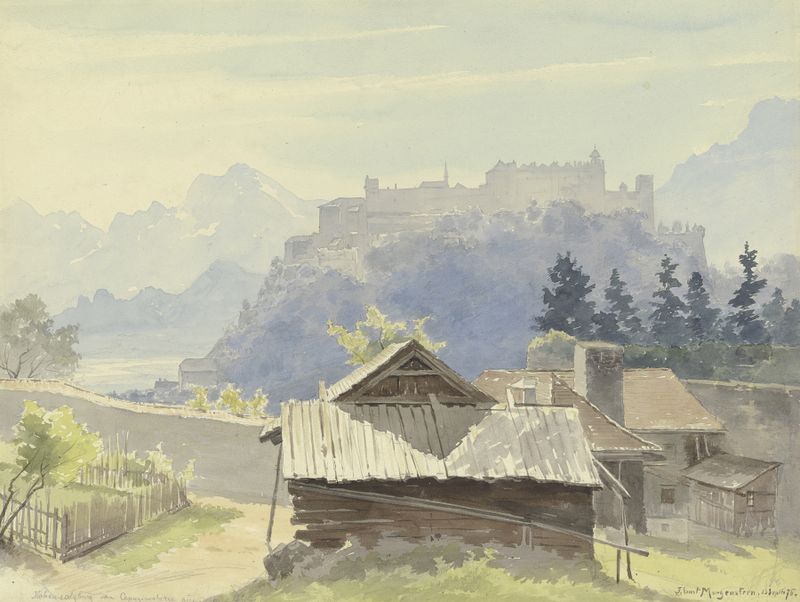
Hohensalzburg vom Kapuzinerberg aus gesehen
Friedrich Ernst Morgenstern
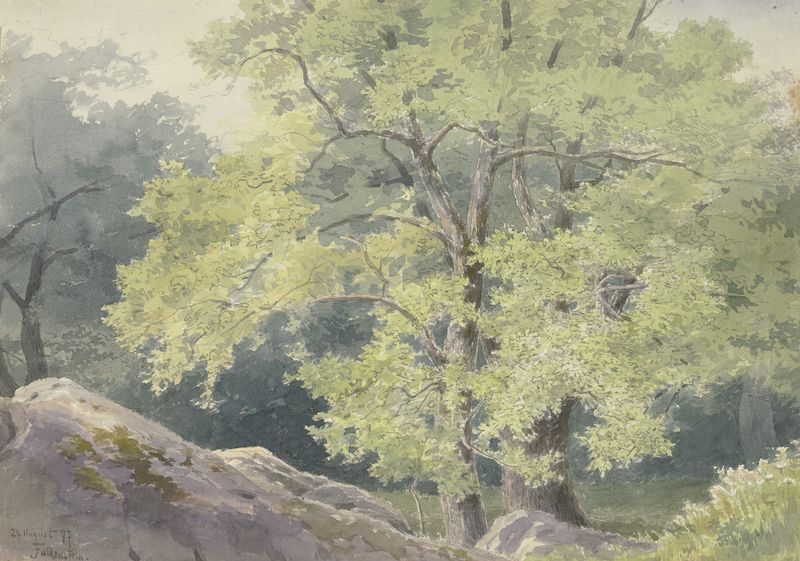
In the forest near Falkenstein
Friedrich Ernst Morgenstern
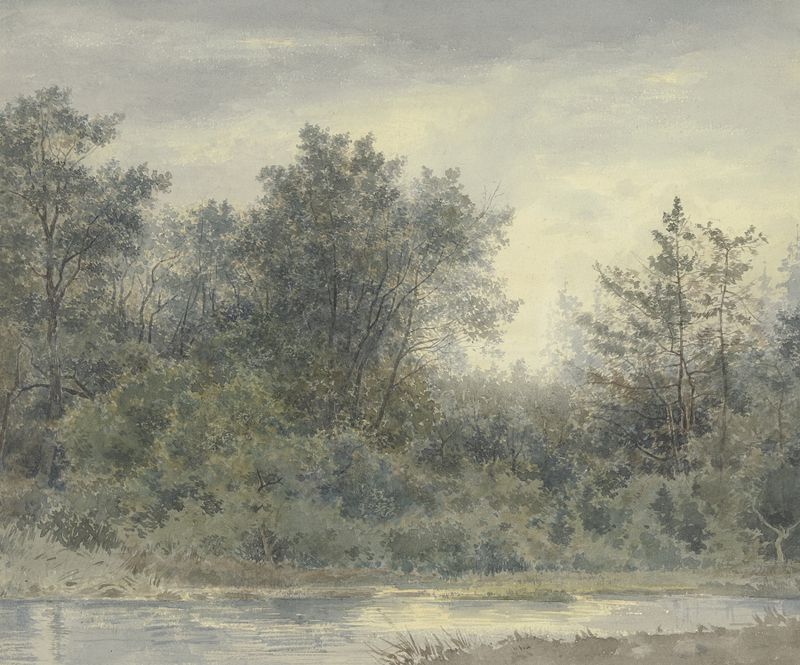
Wood by the water
Friedrich Ernst Morgenstern
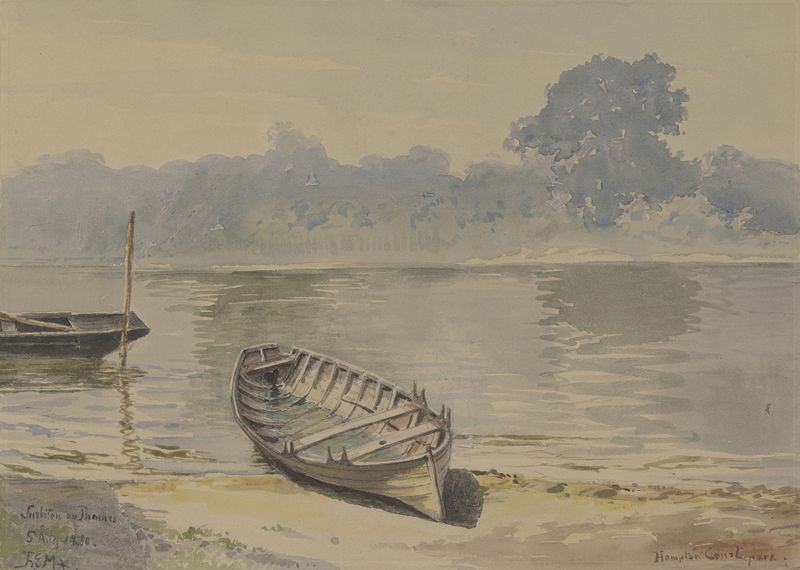
From Hampton Court Park
Friedrich Ernst Morgenstern
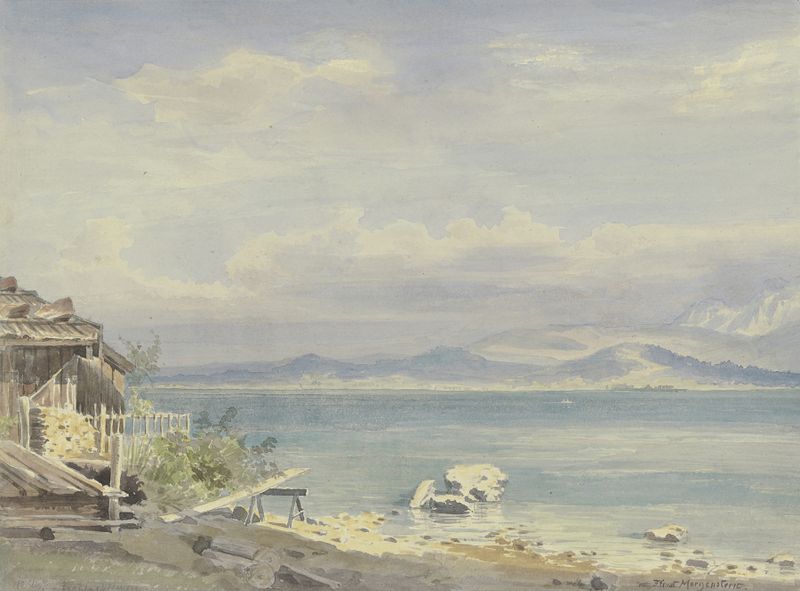
Frauenchiemsee
Friedrich Ernst Morgenstern
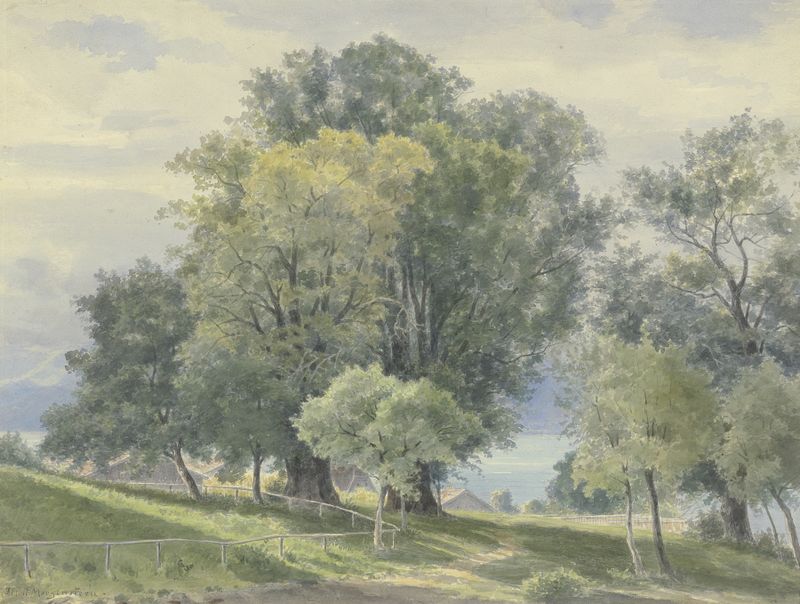
Frauenchiemsee
Friedrich Ernst Morgenstern
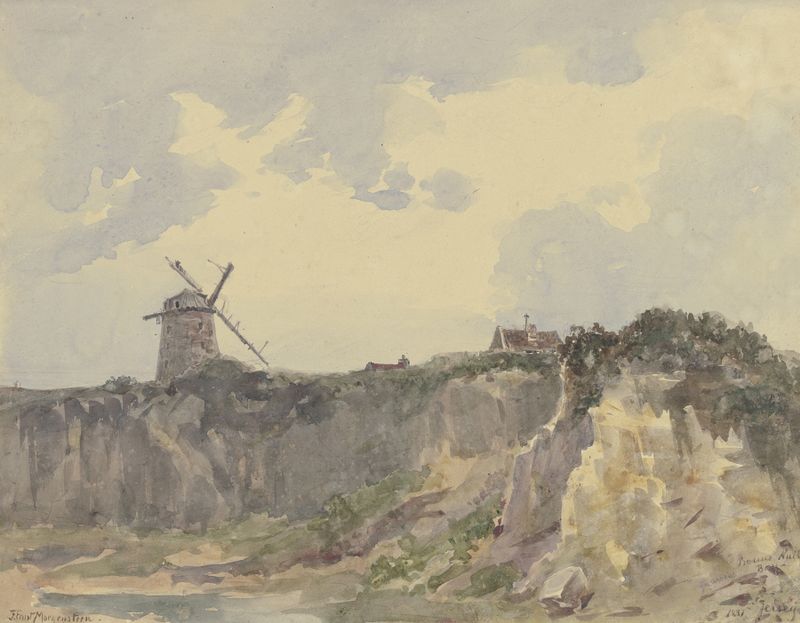
Küstenlandschaft der Bonne Nuit Bay
Friedrich Ernst Morgenstern
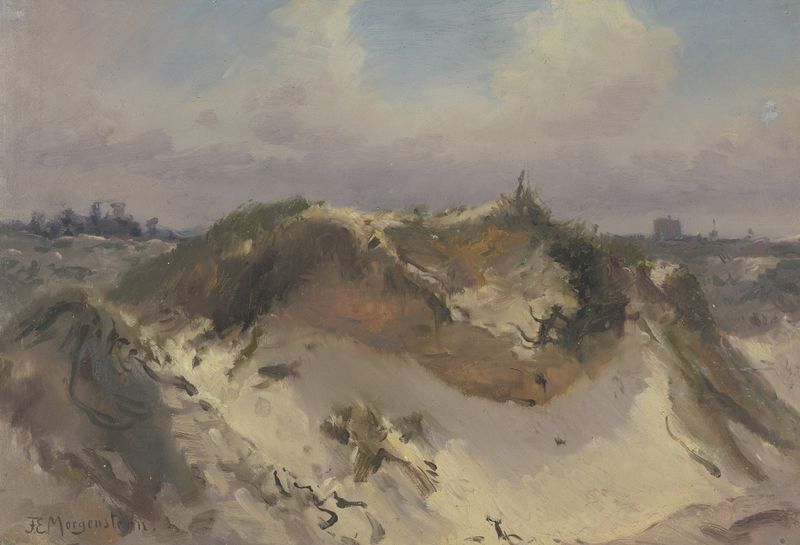
Dune near De Panne
Friedrich Ernst Morgenstern





