Hochgolling (mountain) in Schladminger Tauern — History & Facts
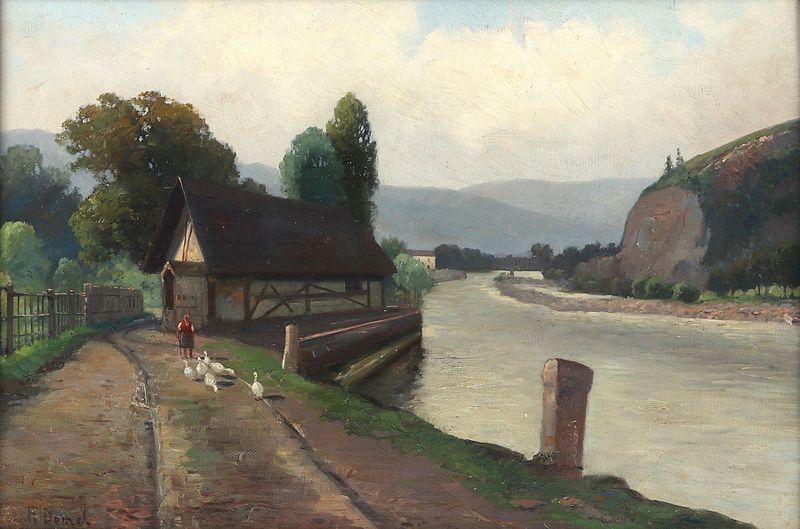
In the stillness of the alpine landscape, echoes of loss reverberate through the towering peaks and empty valleys. The viewer is invited into a world where nature speaks volumes without uttering a single word, a realm where the absence of human presence enhances the poignant beauty of solitude. Look to the center of the canvas where the majestic Hochgolling rises, its sharp, jagged silhouette cutting into the azure sky. Notice how the light dances upon the snow-capped summit, illuminating the stark contrasts between the rugged rock and the soft whites.
The careful brushstrokes capture the texture of the mountain, drawing the eye to its grandeur while inviting contemplation of what lies beneath the surface—the unspoken stories of those who have wandered this terrain. Hidden within the tranquility of the landscape lies a tension between beauty and desolation. The soft pastel hues of the foreground suggest a fleeting moment in time, a fragile reminder of nature's impermanence. The vastness of the scene reflects the emotional weight of loss, each peak and valley a testament to the struggles faced in both life and nature.
This interplay of light and shadow serves not only as a visual contrast but as a metaphor for the duality of joy and sorrow that comes with remembrance. Franz Demel created this work during a time when the Romantic movement was gaining momentum, likely influenced by the profound connection between man and the natural world. While the exact date remains unknown, the artist's dedication to capturing the essence of his surroundings aligns with the mid to late 19th century, a period marked by a growing appreciation for landscapes as reflections of human emotion and experience. In this work, Demel encapsulates a moment in the majesty of nature while resonating deeply with the themes of introspection and loss.