Hoed van zwarte tule met toef rode kersen — History & Facts
What secret hides in the quiet of the canvas? Beneath layers of shadow and light lies a silent testament to faith, waiting to whisper its stories. Look to the center — the stark black tulle hat crowned with vibrant red cherries commands immediate attention. The contrast of texture and hue draws the eye, inviting a close examination of the delicate folds in the fabric and the lustrous sheen of the fruit. The muted background serves as a perfect canvas, allowing the hat to emerge as a striking focal point, while subtle brushwork suggests depth and dimension, creating an almost tactile experience. Delving deeper, one begins to sense the emotional tension at play.
The hat, a symbol of both elegance and protection, hints at a narrative of identity and belonging, perhaps reflecting a struggle between societal expectations and personal faith. The cherries, vibrant and ripe, symbolize hope and temptation, suggesting the duality of desire and restraint. Together, they evoke a poignant dialogue on the nature of faith—fragile yet fortified, dedicated yet yearning. This artwork, created in the early 20th century, emerges from a period of great change and upheaval.
The artist, whose identity remains unknown, painted it between 1910 and 1917, a time characterized by shifting societal norms and burgeoning modernism. As Europe grappled with emerging ideas and the scars of war, these themes resonated within the art world, echoing the search for meaning amid chaos, captured beautifully in this moment of stillness.
More Artworks by Unknown Artist
Browse all →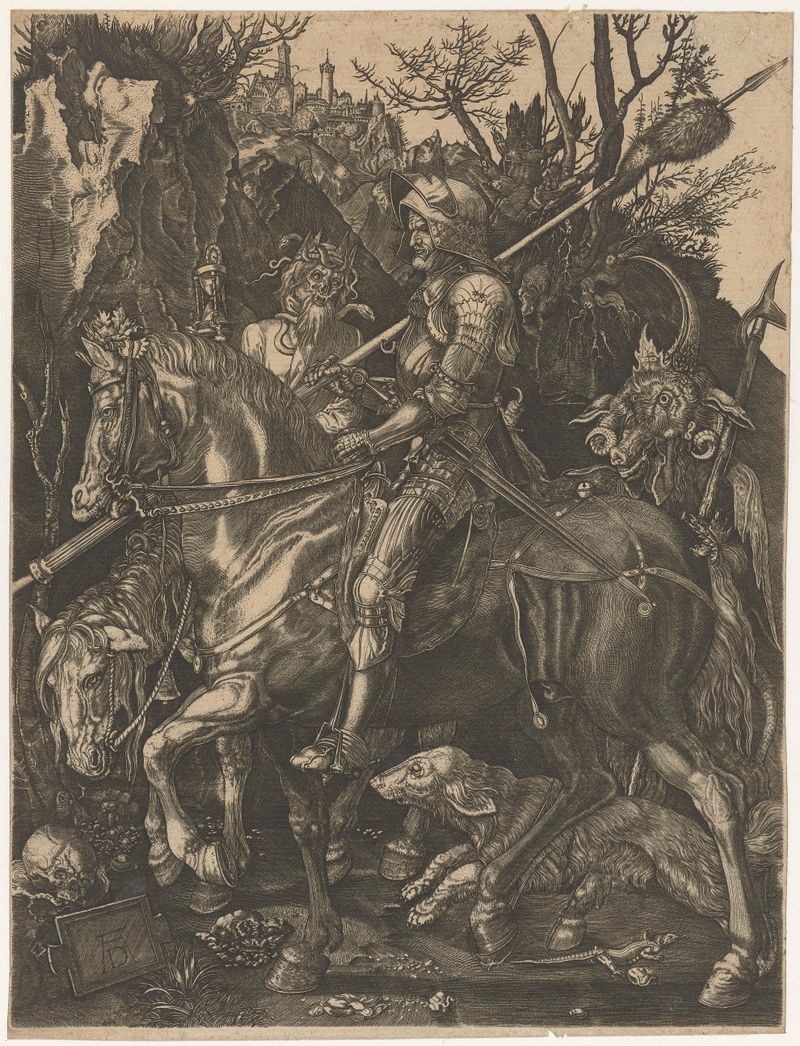
Ridder, Dood en Duivel
Unknown Artist
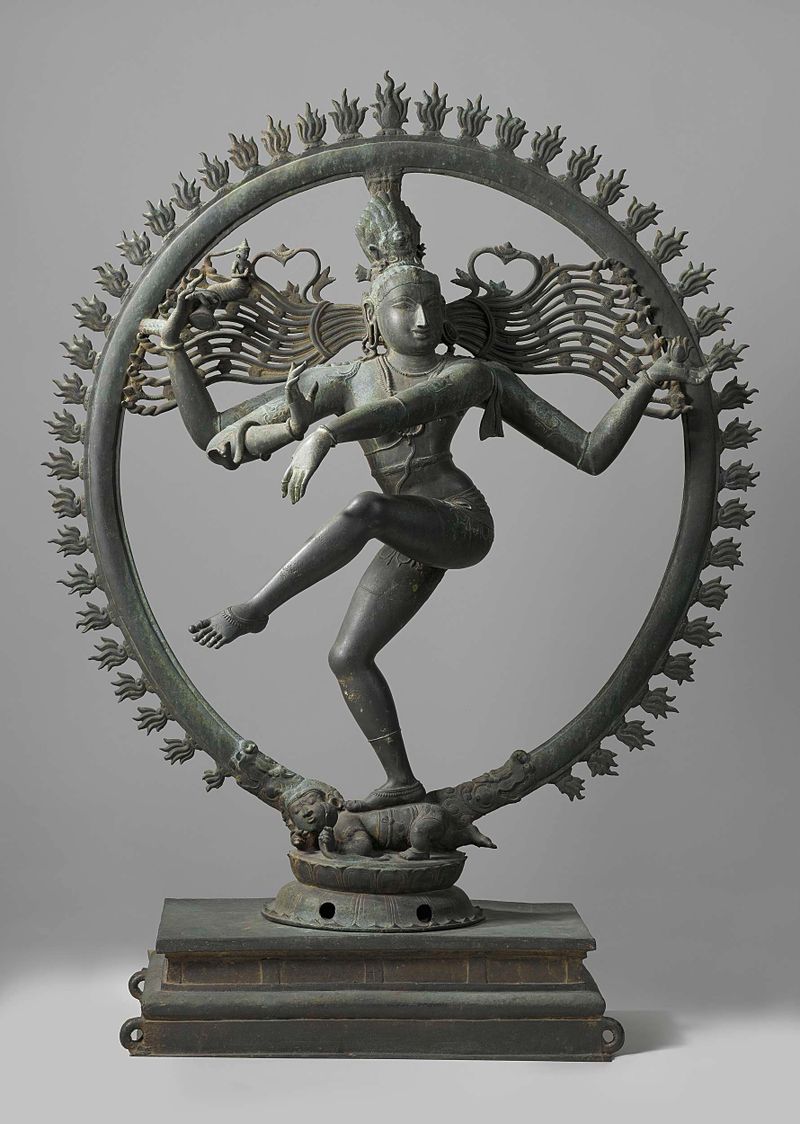
Shiva Nataraja
Unknown Artist
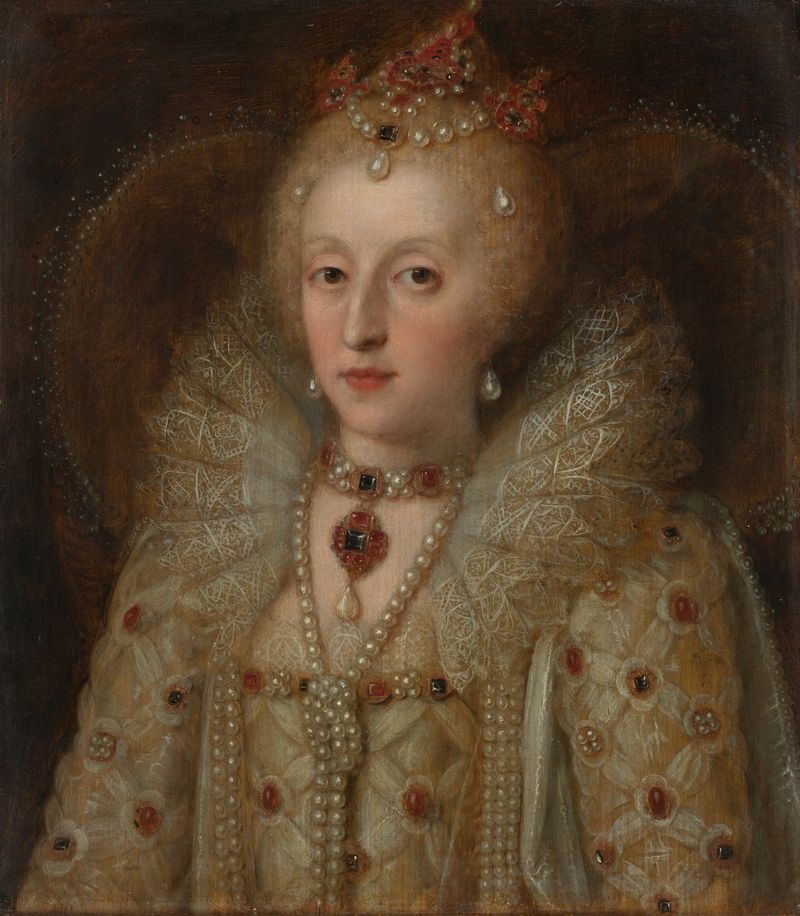
Portrait of Elizabeth I, Queen of England
Unknown Artist
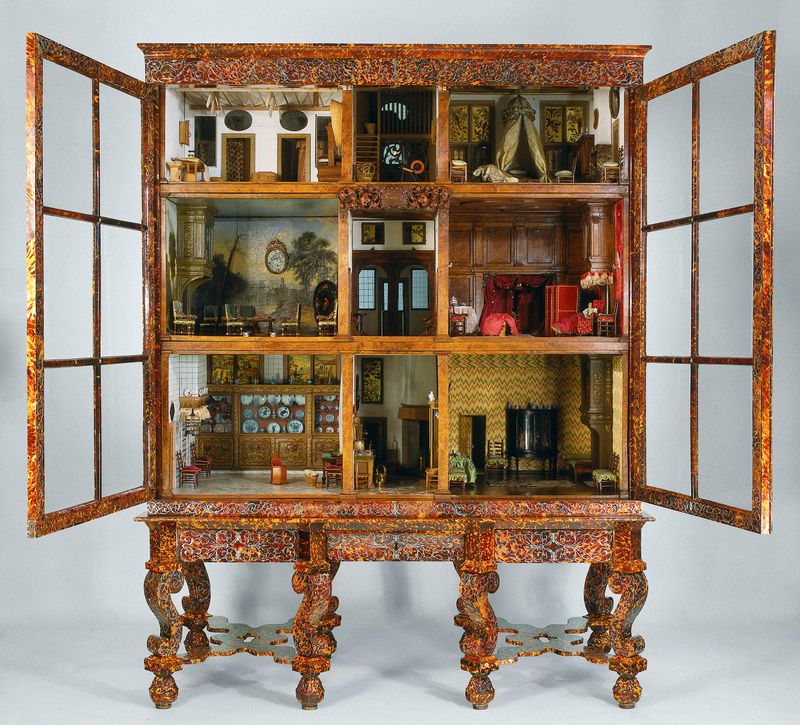
Dolls’ house of Petronella Oortman
Unknown Artist
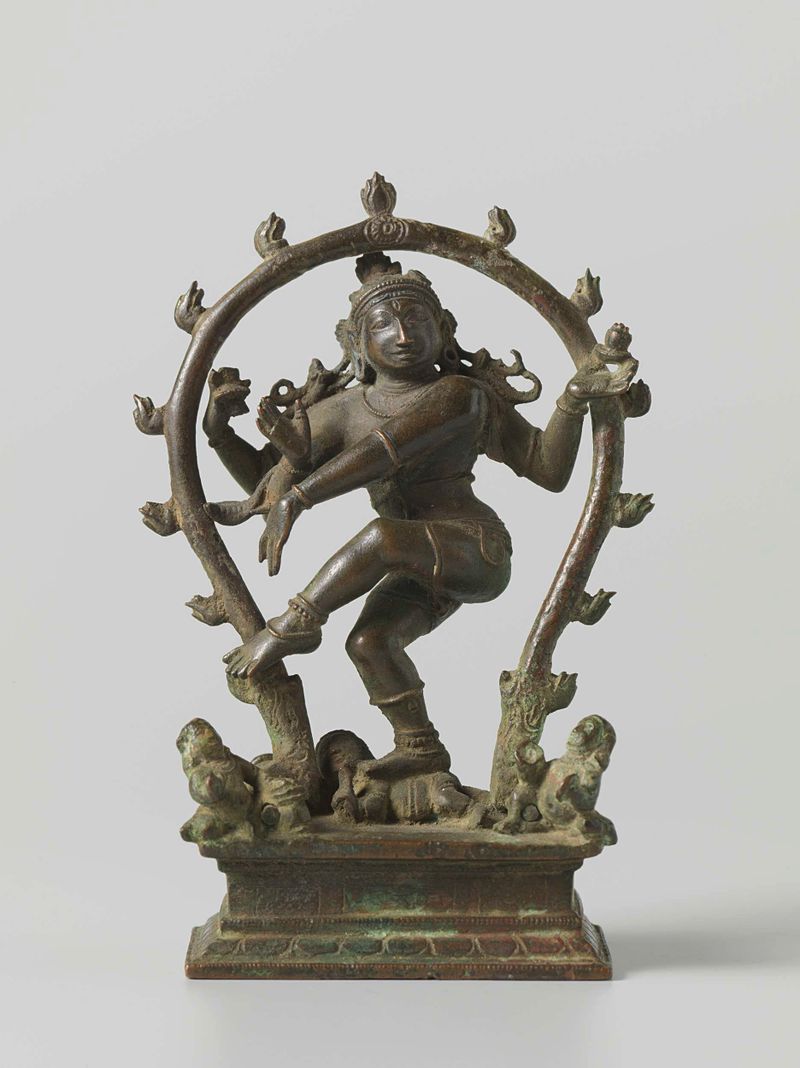
Shiva Nataraja
Unknown Artist

The Tale of Genji
Unknown Artist

The Tale of Genji
Unknown Artist

Cong
Unknown Artist
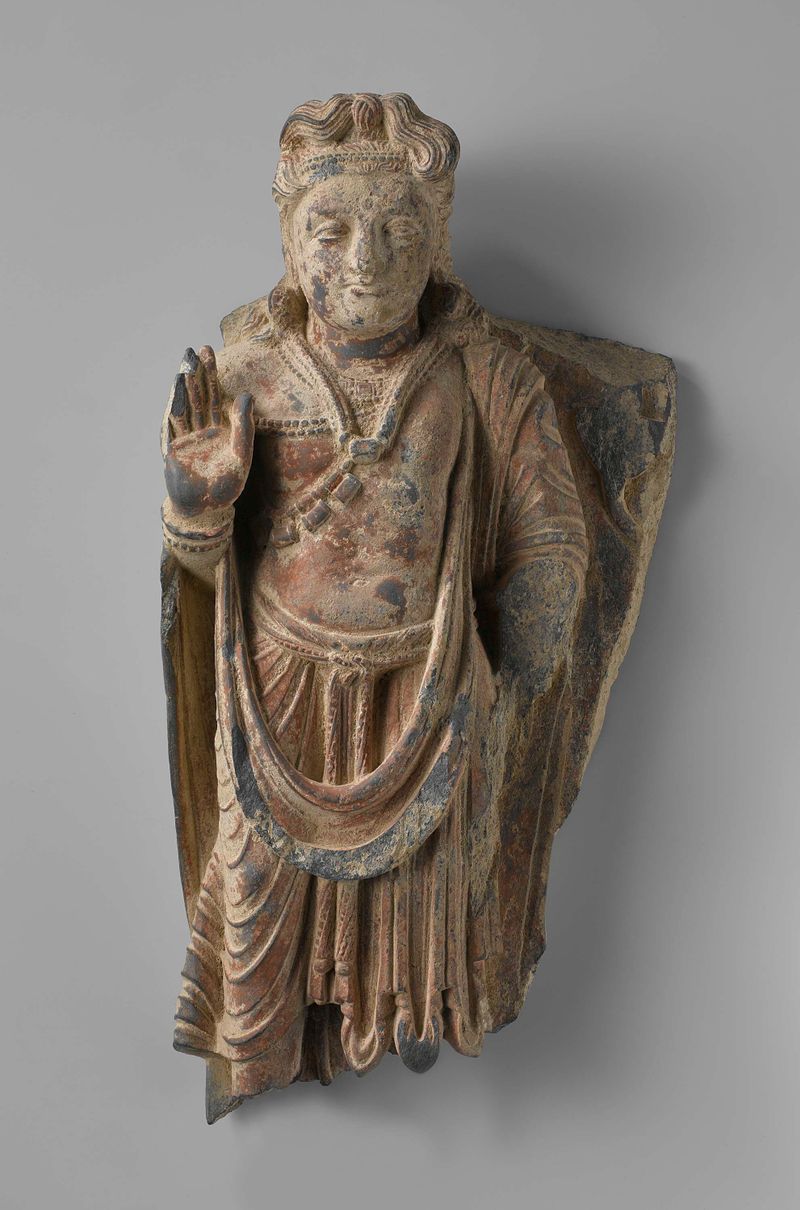
The bodhisattva Maitreya
Unknown Artist

Teabowl with a 'hare's fur' glaze
Unknown Artist