
Hoekhuis aan de Korte Prinsengracht — History & Facts
This notion resonates deeply within the realm of decay, where beauty and deterioration coexist in fragile harmony. Such a duality invites the viewer to contemplate not just the scene, but the passage of time and the layers of history that shape our perceptions. Focus your gaze on the warm, muted tones that envelop the structure, emphasizing both its elegance and the shadows of neglect. Notice how the light dances across the weathered facades, illuminating the delicate details – the peeling paint, the cracked windows – that speak volumes of stories long forgotten.
The composition draws you in, creating a dialogue between the sturdy lines of architecture and the soft encroachment of nature, suggesting an ongoing struggle between man-made beauty and the relentless advance of time. Amidst the visual narrative, peel back the layers to reveal deeper tensions. The contrast between vibrant color and signs of decay suggests a bittersweet reflection on permanence versus impermanence. The juxtaposition of the tamed façade against the wild greenery begs the question: what remains when the vibrancy fades? Each detail, each crevice, whispers of the beauty found in deterioration, prompting a meditation on the cycle of life and the inevitable passage toward oblivion. Wenckebach painted this piece in the 20th century, a time when artists were increasingly drawn to the themes of modernity and the human experience.
Working in the Netherlands, he captured the essence of his surroundings, reflecting the tension between urban life and nature's reclamation. This work emerges from an era marked by both innovation and nostalgia, encapsulating the complexity of existence within its layers of decay.
More Artworks by Willem Wenckebach
Browse all →
Bakkersgang te Amsterdam
Willem Wenckebach

Oude huizen aan het Markenplein te Amsterdam
Willem Wenckebach

Oude huizen aan het Waterlooplein te Amsterdam
Willem Wenckebach
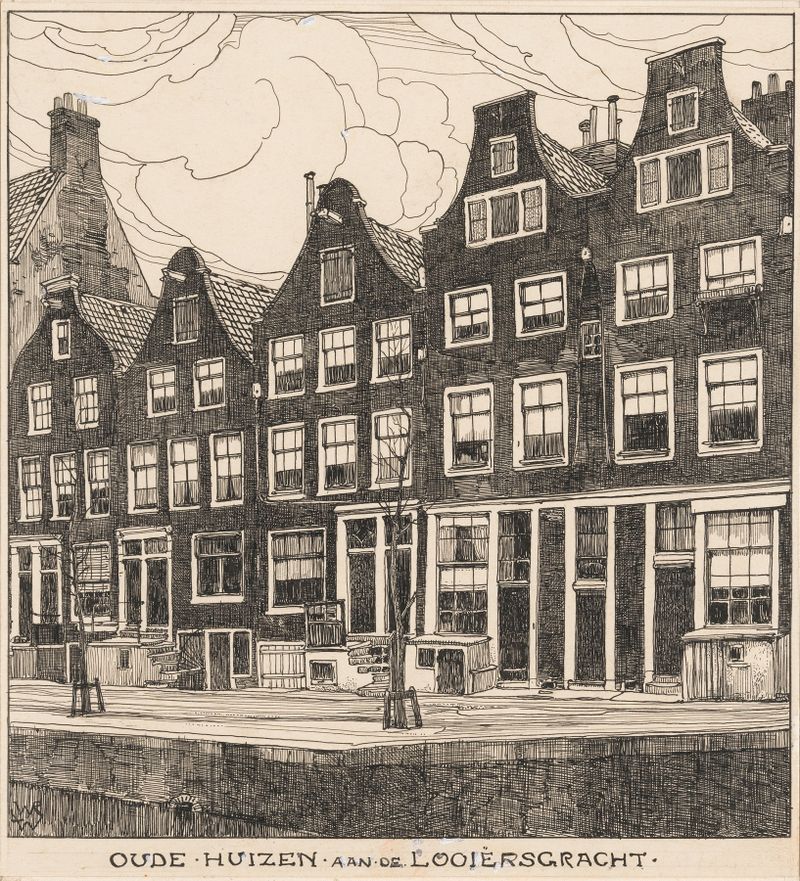
Oude huizen aan de Looiersgracht te Amsterdam
Willem Wenckebach
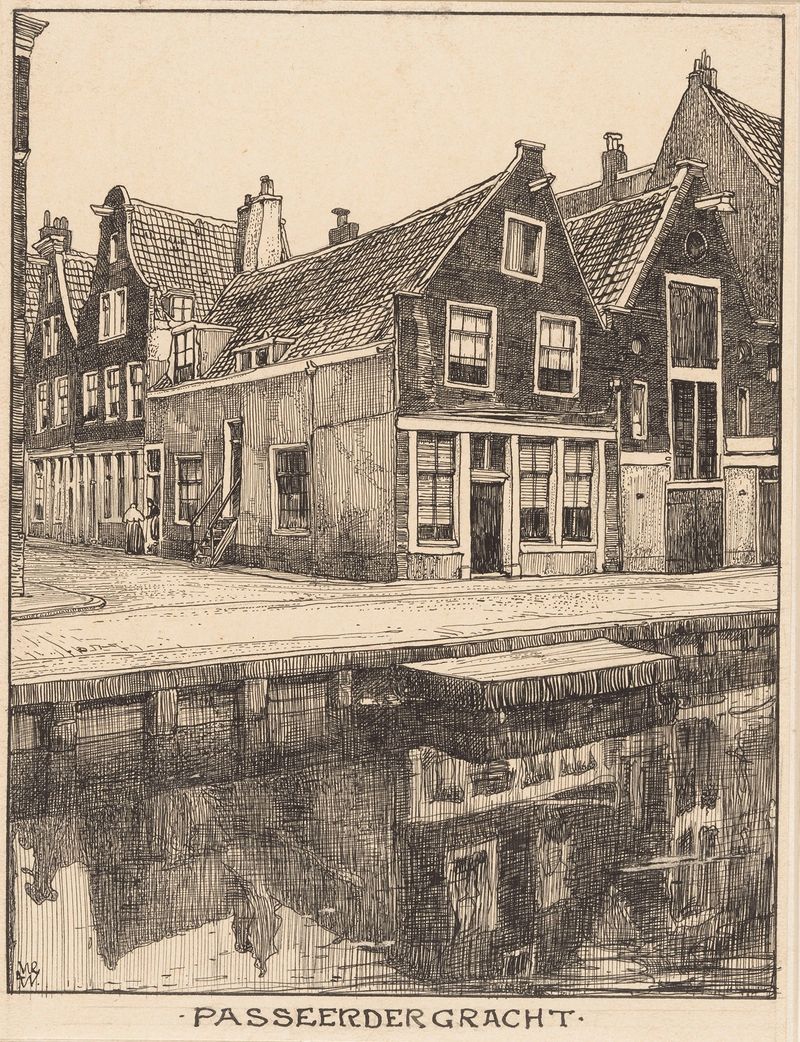
Passeerder Gracht te Amsterdam
Willem Wenckebach
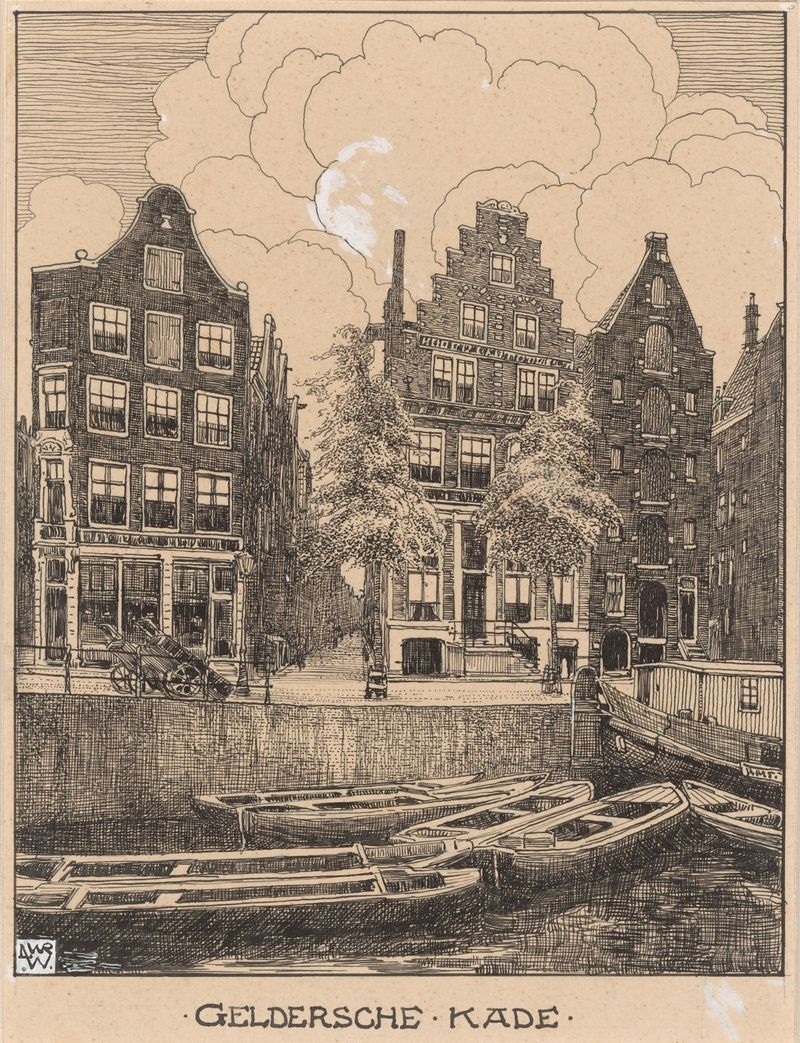
De Gelderse Kade te Amsterdam
Willem Wenckebach
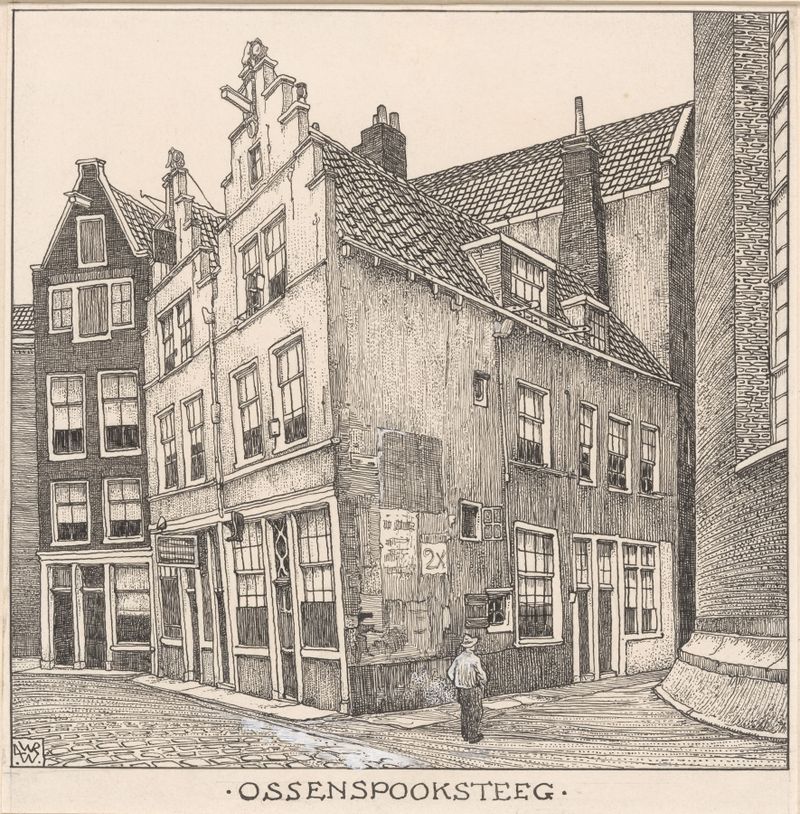
De Ossenspooksteeg te Amsterdam
Willem Wenckebach

Het Beurspleintje te Amsterdam
Willem Wenckebach
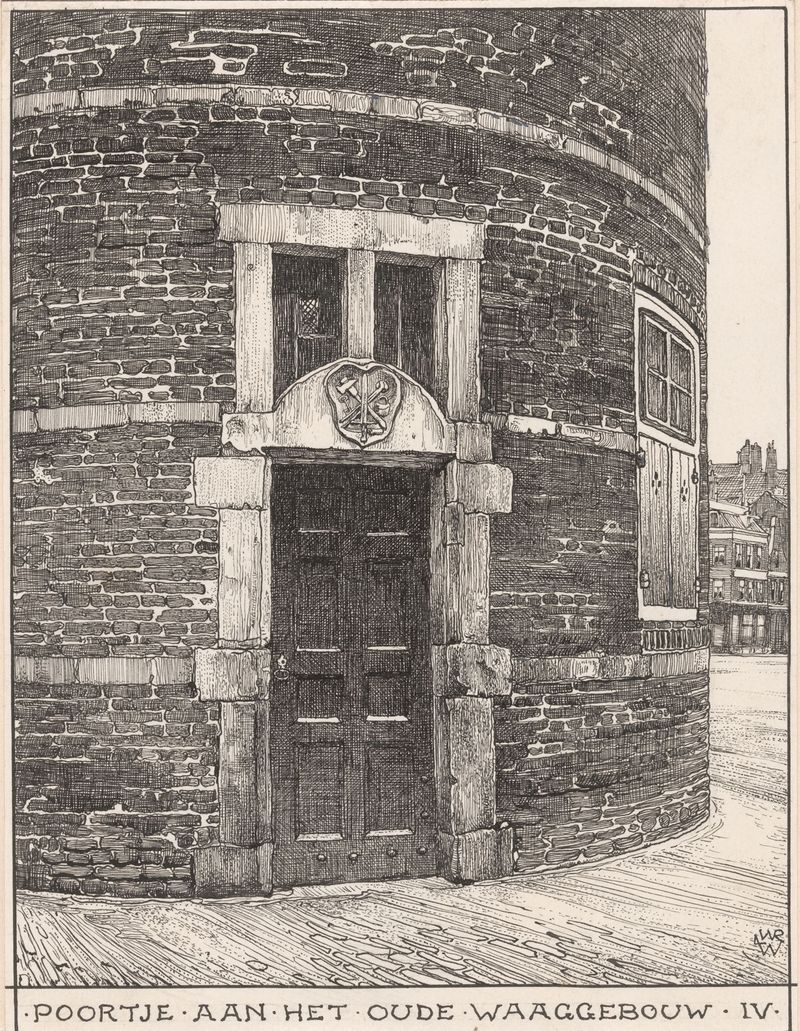
Poortje aan het oude Waaggebouw te Amsterdam
Willem Wenckebach

Torensluis te Amsterdam
Willem Wenckebach
More Architecture Art
Browse all →
The statue of Liberty
Frédéric Auguste Bartholdi

View of Houses in Delft, Known as ‘The Little Street’
Johannes Vermeer

View of Houses in Delft, Known as ‘The Little Street’
Johannes Vermeer

The Cathedral in Rouen. The portal, Grey Weather
Claude Monet

The yellow house
Vincent van Gogh

The Church in Auvers-sur-Oise, View from the Chevet
Vincent van Gogh