
Holkham, August 1824 — History & Facts
Could a single brushstroke hold eternity? In Holkham, August 1824, the passage of time is captured, pausing the vibrant essence of a fleeting summer day within the canvas’s embrace. Look to the lush greens woven throughout the landscape, where each blade of grass seems to dance in the summer breeze. Notice how the sunlight spills over the horizon, illuminating patches of wildflowers and casting soft shadows that evoke a sense of depth and tranquility. The careful layering of paint creates a textured surface, inviting the viewer to immerse themselves in the scene and breathe in the warmth of the moment. Yet, amid the beauty lies a tension between permanence and transience.
The bright, vivid colors symbolize the peak of life, while the distant clouds hint at the inevitable change that follows. The contrast between the lively foreground and the shadowed background suggests a duality—joy intertwined with the knowledge of time's relentless march. Each element serves as a reminder that beauty, while vibrant, is often tinged with the sorrow of impermanence. In 1824, Anne Rushout painted this work during a time of artistic exploration in England.
As the Romantic movement flourished, artists sought to capture emotion and nature’s sublime beauty, breaking free from the constraints of classicism. Rushout’s focus on the pastoral scene reflects the growing appreciation for rural landscapes, influenced by her surroundings and the evolution of landscape painting in an era of change.
More Artworks by Anne Rushout
Browse all →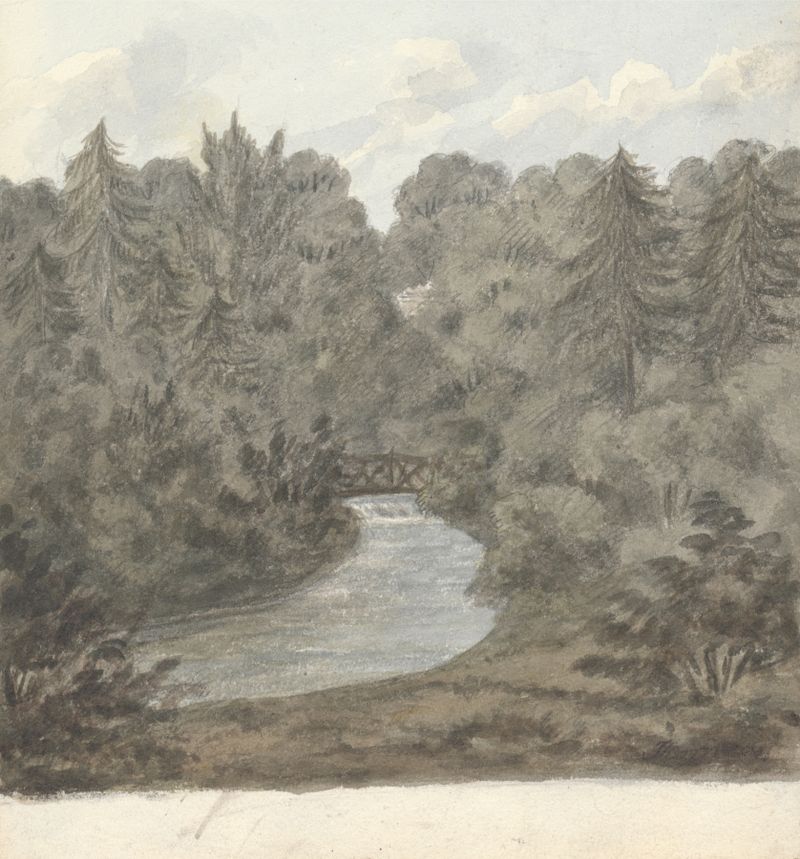
Thornery Pool, Sezincote
Anne Rushout
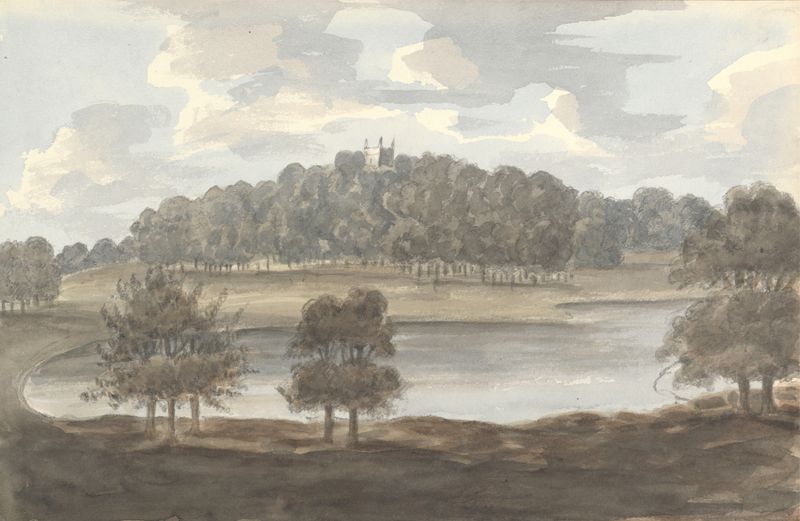
Holkham, August 1824
Anne Rushout

Grove Cottage, Wanstead May 18th, 1825
Anne Rushout
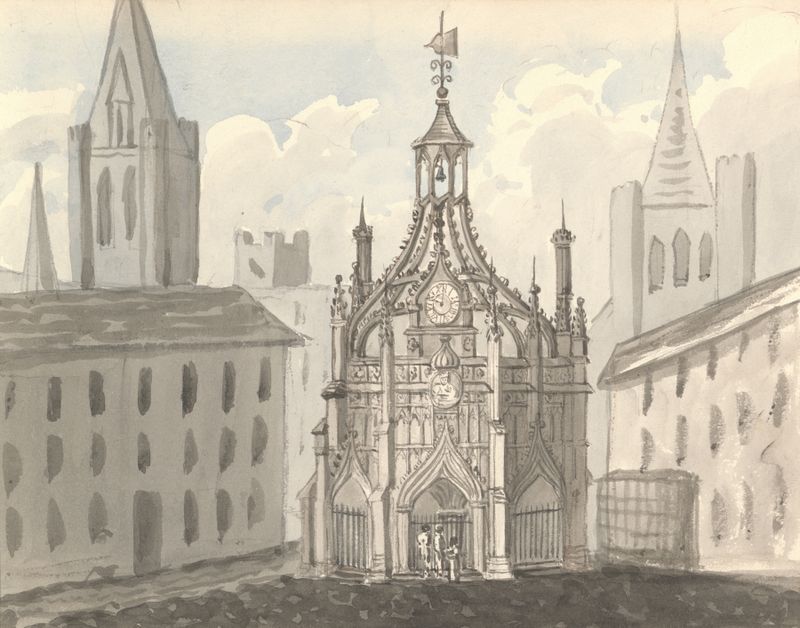
From Inn at Chichester, July 1828
Anne Rushout
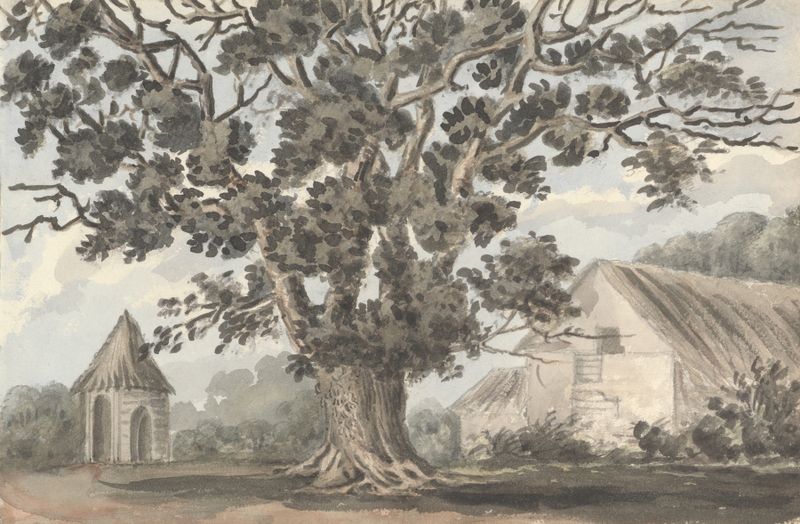
Queen Elizabeth’s Oak near Finborough Hall
Anne Rushout
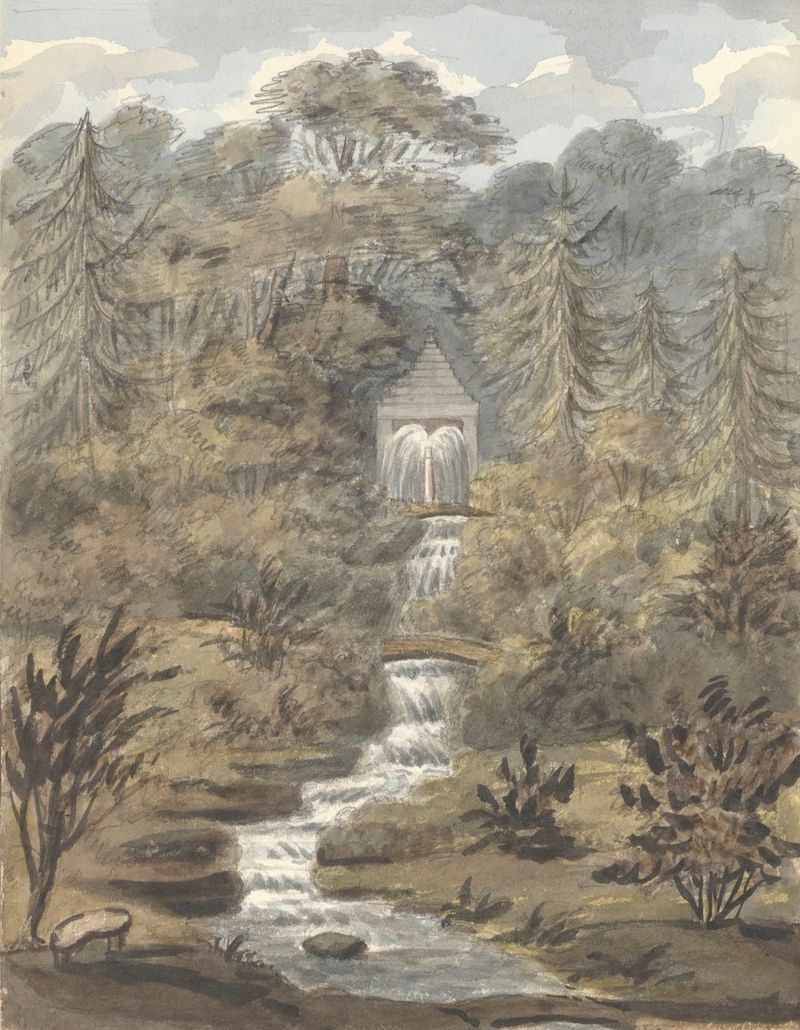
Temple and Falls, Sezincote
Anne Rushout

From Flower Garden, Wanstead Grove
Anne Rushout

From Window at Eastnor Castle, Gloucestershire Beacon, September 28, 1829
Anne Rushout

From Portico at Wanstead Grove, May 24, 1825
Anne Rushout

Dove Dale, October 30, 1824
Anne Rushout





