
Queen Elizabeth’s Oak near Finborough Hall — History & Facts
What if silence could speak through light? In the stillness of a serene landscape, a timeless tree stands as a testament to endurance and rebirth, inviting reflection on nature's resilience. Focus on the majestic oak tree, its gnarled branches stretching elegantly against a soft, diffused sky. The rich greens and earthy browns of the foliage contrast beautifully with the gentle blues and grays above, creating a sense of harmony. Notice how the dappled sunlight filters through the canopy, casting intricate shadows on the ground below, and drawing your gaze deeper into the scene.
Each leaf appears to shimmer with life, hinting at the passage of time and the stories woven into its bark. The oak embodies both strength and vulnerability, capturing the tension between permanence and change. Surrounding flora encircles the tree, presenting a vibrant tapestry of life that contrasts with the stillness of the oak. This lush setting serves as a reminder of nature’s cyclical essence, suggesting that even in solitude, existence thrives.
The play of light seems to whisper untold tales of rebirth and continuity, urging the viewer to ponder their own connection to the natural world. In the early 1820s, Anne Rushout painted this work amidst the Romantic movement, which championed nature and individual experience. Set in a period of personal upheaval for the artist, she sought solace in the British countryside, capturing the delicate interplay of light and landscape. This painting reflects a broader trend in art of the time, where nature was revered not only for its beauty but also as a source of inspiration and renewal.
More Artworks by Anne Rushout
Browse all →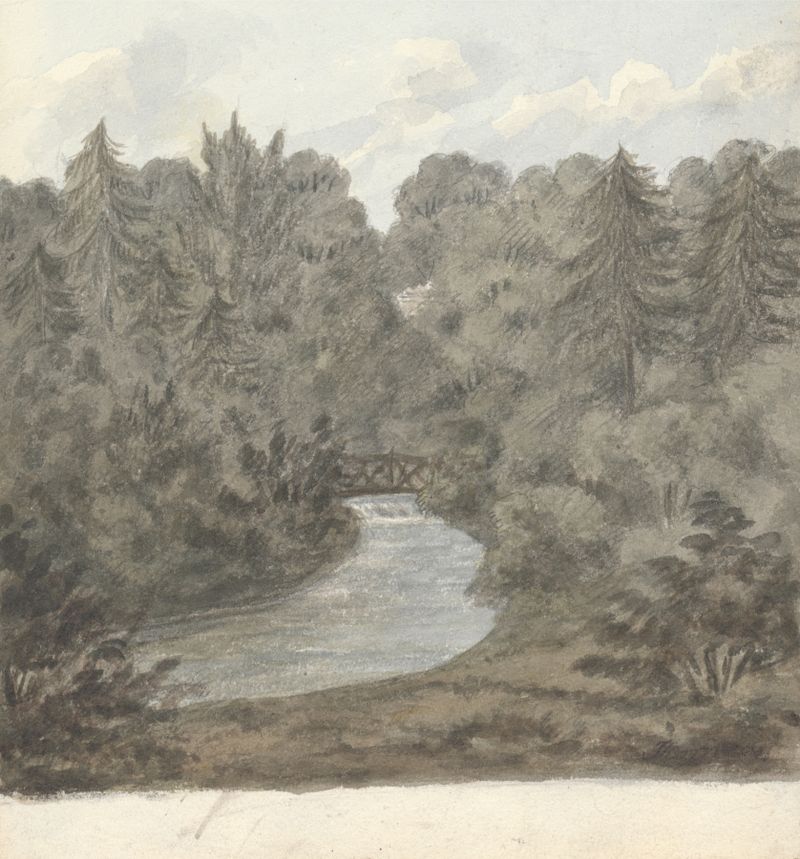
Thornery Pool, Sezincote
Anne Rushout
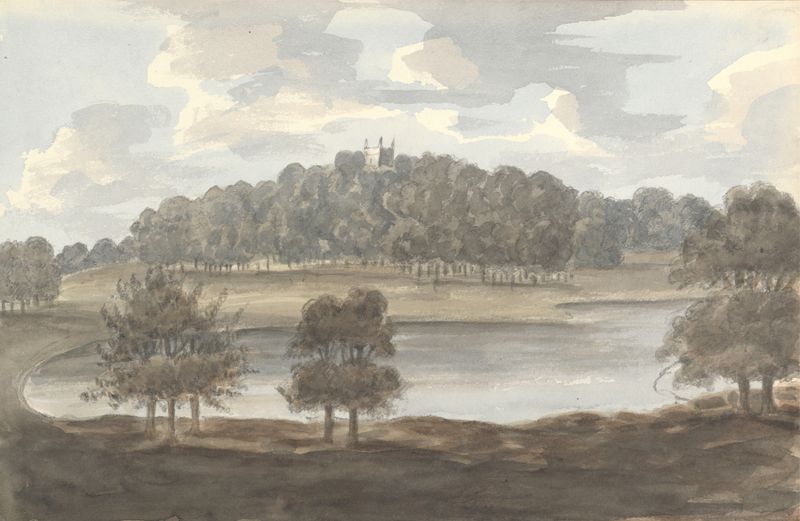
Holkham, August 1824
Anne Rushout

Grove Cottage, Wanstead May 18th, 1825
Anne Rushout
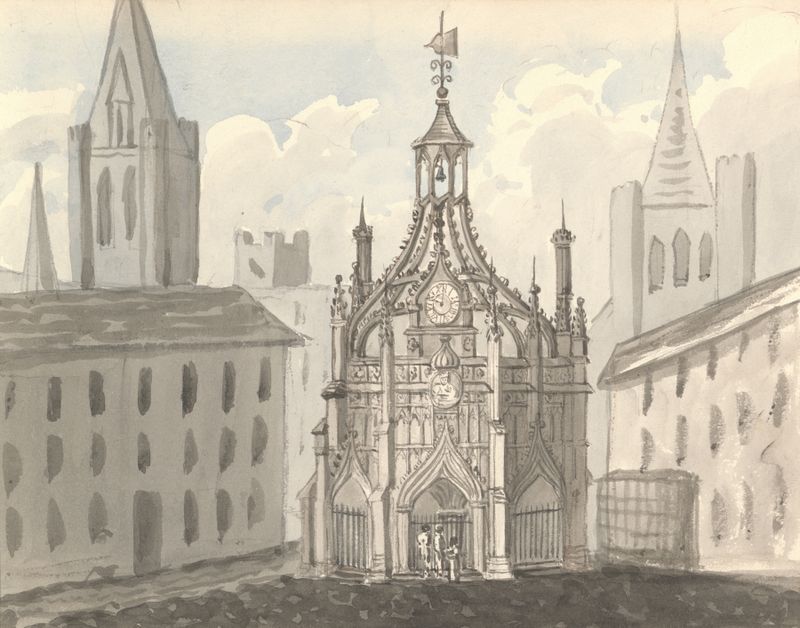
From Inn at Chichester, July 1828
Anne Rushout

Holkham, August 1824
Anne Rushout
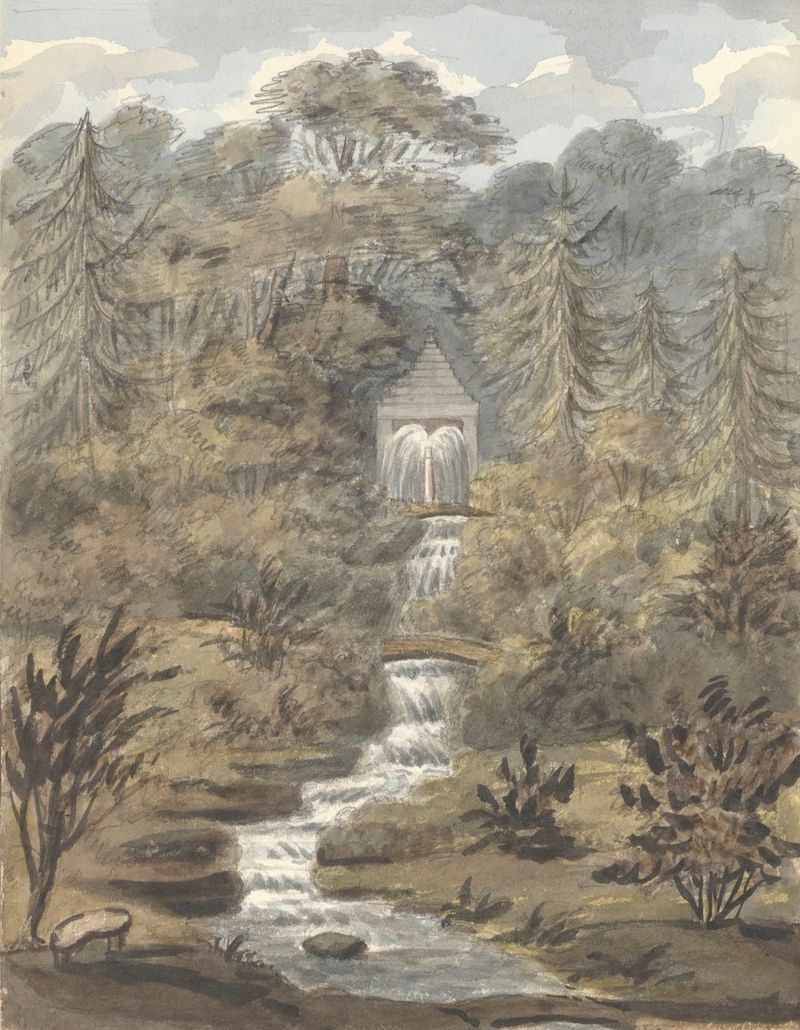
Temple and Falls, Sezincote
Anne Rushout

From Flower Garden, Wanstead Grove
Anne Rushout

From Window at Eastnor Castle, Gloucestershire Beacon, September 28, 1829
Anne Rushout

From Portico at Wanstead Grove, May 24, 1825
Anne Rushout

Dove Dale, October 30, 1824
Anne Rushout





