
Holkham, August 1824 — History & Facts
Can beauty exist without sorrow? In Holkham, August 1824, nostalgia colors every brushstroke, suggesting a bittersweet remembrance of a moment forever lost in time. Look to the center of the canvas, where the gentle undulations of the landscape unfold. The rolling hills, adorned with patches of lush greenery and golden fields, invite your gaze to dance across the scene. Notice how the light bathes the sky in soft pastels, casting ethereal reflections on the tranquil waters.
The composition flows with delicate harmony, blending natural elements that evoke a sense of serene isolation. Yet amid this idyllic setting, tension resides in the interplay of shadow and light. The juxtaposition of bright, vibrant hues against the more muted tones hints at the fleeting nature of joy. The distant figure, seemingly engulfed in contemplation, embodies the essence of longing— a silent witness to the passage of time, caught between the allure of the present and the weight of reminiscence.
The painting resonates with the emotional depth of nostalgia, capturing a moment that feels both intimate and universally familiar. Painted between 1824 and 1832, this piece emerged during a transformative period in Anne Rushout's life, marked by a growing recognition of her talents. She painted in England, amidst the burgeoning Romantic movement that sought to capture nature’s sublime beauty and the complexities of human emotion. As an artist striving to establish her voice, she navigated a male-dominated art world, infusing her work with the nuances of personal experience and emotional depth.
More Artworks by Anne Rushout
Browse all →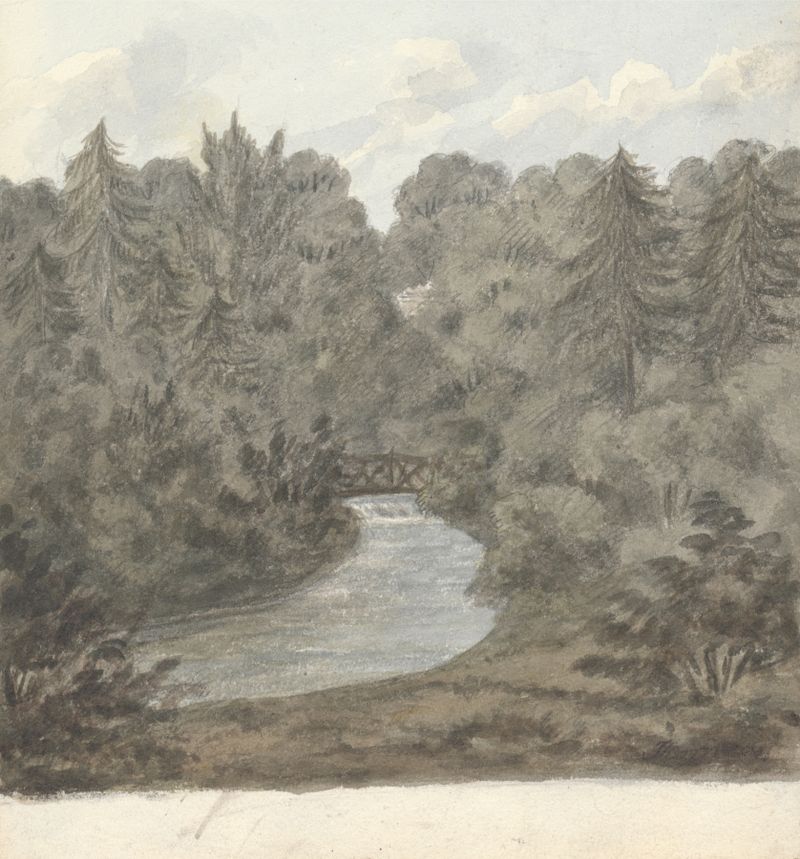
Thornery Pool, Sezincote
Anne Rushout

Grove Cottage, Wanstead May 18th, 1825
Anne Rushout
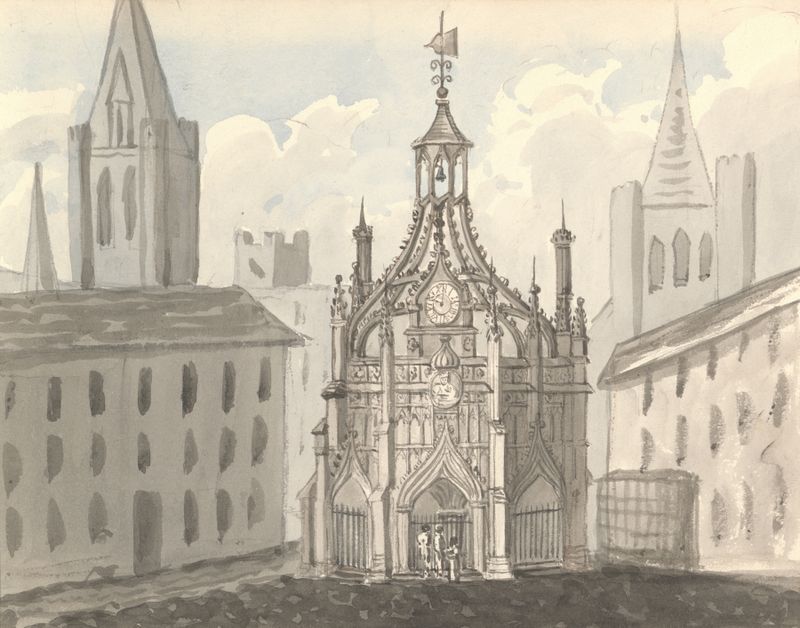
From Inn at Chichester, July 1828
Anne Rushout
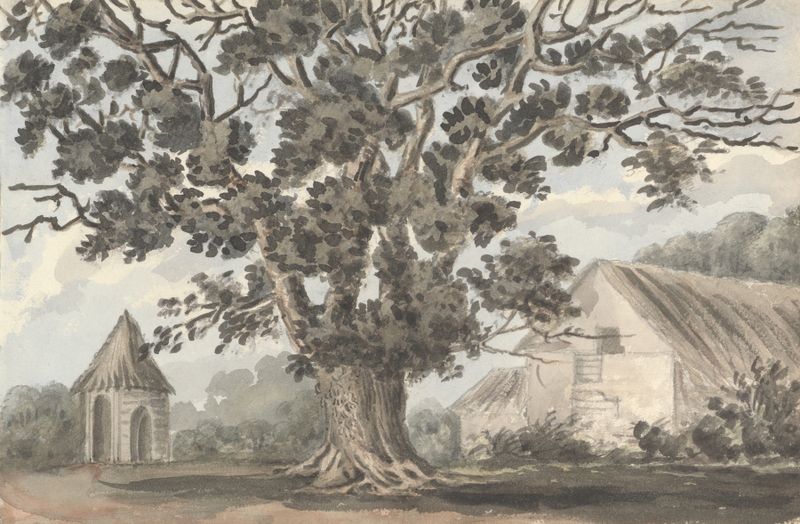
Queen Elizabeth’s Oak near Finborough Hall
Anne Rushout

Holkham, August 1824
Anne Rushout
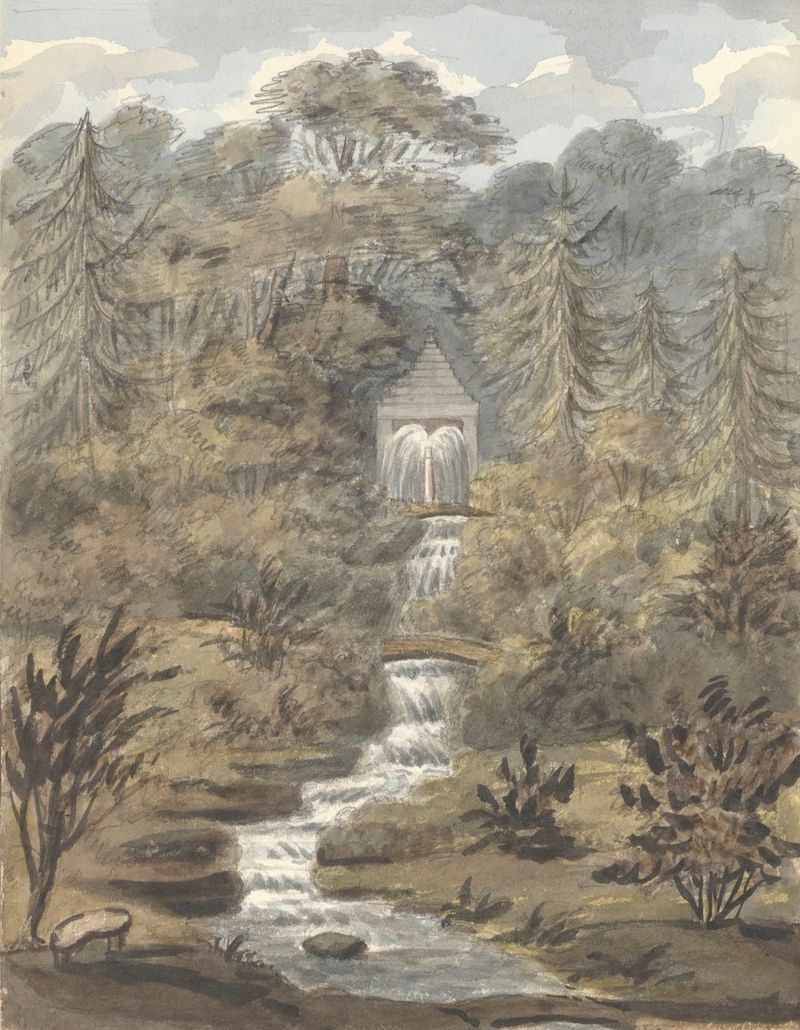
Temple and Falls, Sezincote
Anne Rushout

From Flower Garden, Wanstead Grove
Anne Rushout

From Window at Eastnor Castle, Gloucestershire Beacon, September 28, 1829
Anne Rushout

From Portico at Wanstead Grove, May 24, 1825
Anne Rushout

Dove Dale, October 30, 1824
Anne Rushout





