
Temple and Falls, Sezincote — History & Facts
Did the painter know this moment would outlive them? In the serene expanse of Temple and Falls, Sezincote, an image of tranquility whispers promises of time and memory, forever captured in hues and forms. Look to the foreground where the cascading water tumbles over the rocks, shimmering under a gentle sun. Notice how the orange and sandy tones of the temple’s façade contrast with the verdant greens surrounding it, framing the structure beautifully. The delicate brushwork invites you to linger on the details—each stroke renders the foliage alive, swaying softly in an imagined breeze.
The light dances across the surface, creating a luminescence that draws the eye toward the temple, suggesting its significance in this idyllic landscape. Within this peaceful moment lies a deeper narrative of integration and harmony. The interplay between the manmade and the natural evokes a dialogue—the temple stands as a testament to human creativity amid the relentless beauty of nature. Yet, the tranquil falls speak of time’s passage, a reminder of nature's enduring power, contrasting with the fleeting essence of human endeavors.
Together, they reflect on existence's transience, hinting at the eternal cycle of creation and decay. Anne Rushout painted this piece between 1824 and 1832, during a period marked by a burgeoning interest in Romanticism and landscape painting within England. Living in a time of social change and artistic exploration, she sought to capture the sublime beauty of nature while imbuing her work with a distinctly personal touch. In an era where the connection between nature and architecture was increasingly being celebrated, this work stands as a testament to both her skill and the zeitgeist of her time.
More Artworks by Anne Rushout
Browse all →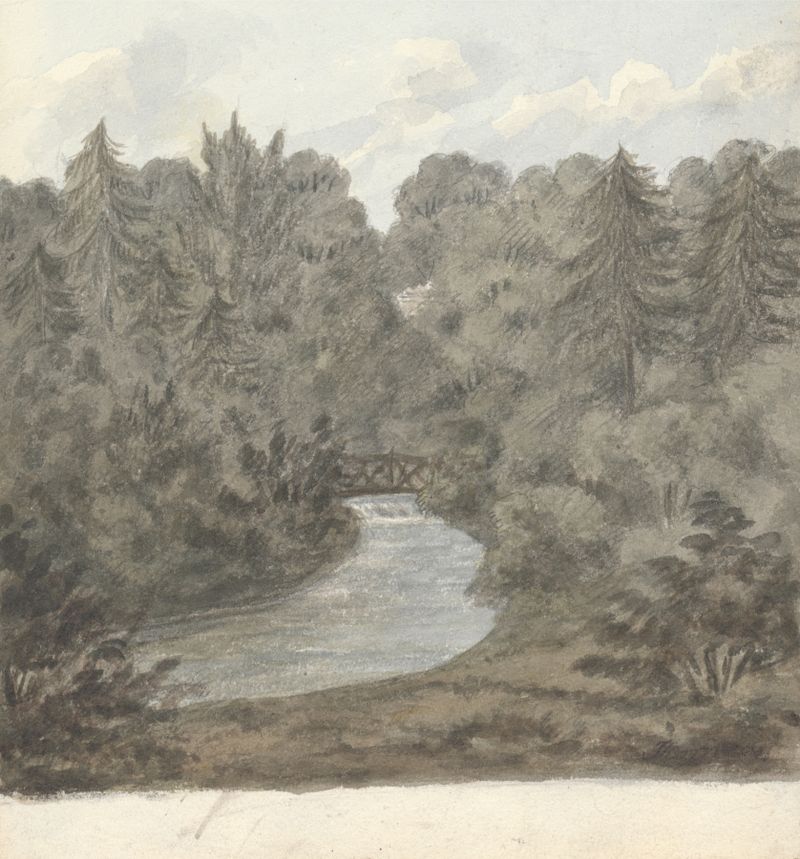
Thornery Pool, Sezincote
Anne Rushout
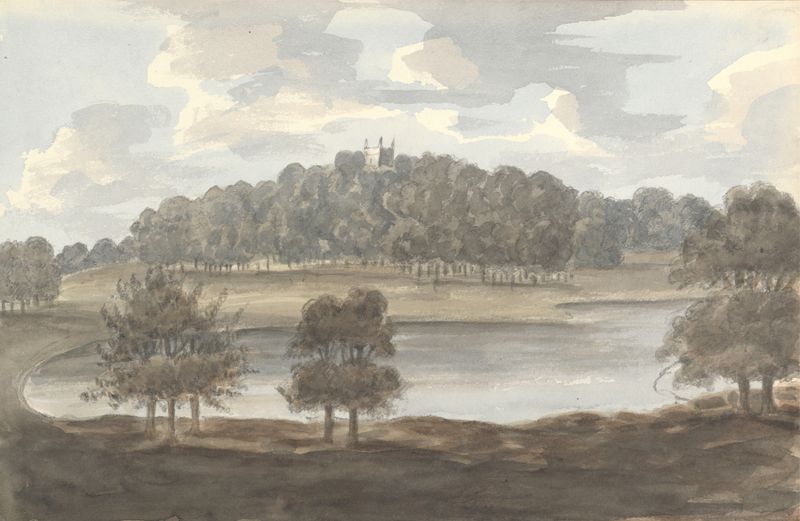
Holkham, August 1824
Anne Rushout

Grove Cottage, Wanstead May 18th, 1825
Anne Rushout
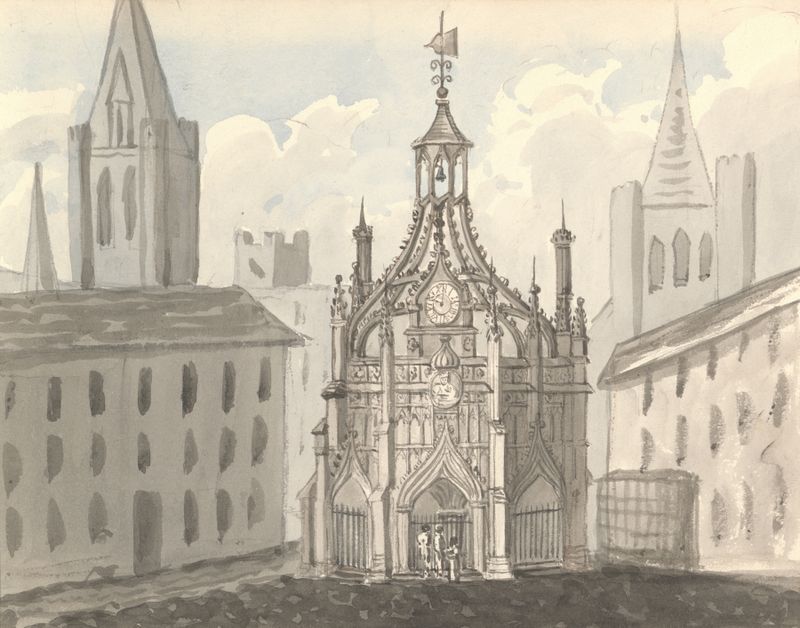
From Inn at Chichester, July 1828
Anne Rushout
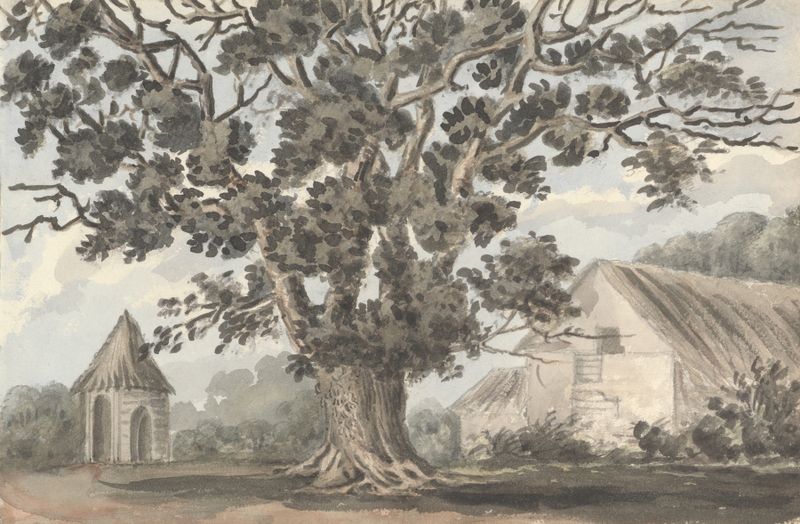
Queen Elizabeth’s Oak near Finborough Hall
Anne Rushout

Holkham, August 1824
Anne Rushout

From Flower Garden, Wanstead Grove
Anne Rushout

From Window at Eastnor Castle, Gloucestershire Beacon, September 28, 1829
Anne Rushout

From Portico at Wanstead Grove, May 24, 1825
Anne Rushout

Dove Dale, October 30, 1824
Anne Rushout





