
Holofernes bij Nebukadnessar — History & Facts
This haunting truth resonates through the ages, revealing the eternal struggle between ambition and demise, power and vulnerability. Look at the figures within Holofernes bij Nebukadnessar. Notice how the dramatic interplay of light and shadow casts an almost theatrical quality over the scene. The central figure looms large, exuding both command and trepidation, while the smaller characters surround him in a dance of tension and disbelief.
The meticulous details in the fabric of their garments and the glistening armor reflect not only the technical prowess of the artist but also the weight of their historical significance. Each brushstroke breathes life into the emotions, inviting the viewer to witness a pivotal moment. Yet beyond the surface, there lies a deeper narrative. The vibrant hues of red and gold suggest both the glory of conquest and the impending fall from grace.
Holofernes, caught in his moment of hubris, embodies the fragility of legacy, while Nebuchadnezzar’s stoic gaze hints at the burden of power — the very thing that builds empires can just as quickly shatter them. The tension between triumph and tragedy is palpable, a reminder of the cyclical nature of history. Gerard de Jode crafted this compelling work during a period teeming with political and religious upheaval in the late 16th century. Active in Antwerp, he found himself amidst the Renaissance, where the arts flourished yet were often overshadowed by strife.
This painting, likely created between 1547 and 1591, encapsulates the duality of human ambition and the fleeting nature of glory, reflecting both his personal artistic journey and the wider cultural landscape of an era in flux.
More Artworks by Gerard de Jode
Browse all →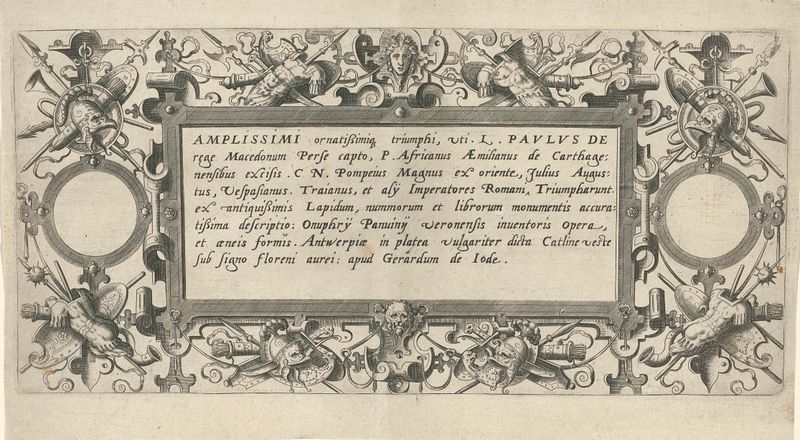
More Historical Art
Browse all →
The Night Watch Militia Company of District II under the Command of Captain Frans Banninck Cocq
Rembrandt van Rijn
Lincoln Memorial
Henry Bacon
The Third of May 1808
Francisco de Goya

Isaac and Rebecca, Known as ‘The Jewish Bride’
Rembrandt van Rijn
The Charge of the Mamelukes (1814)
Francisco de Goya

De vier ruiters van de apocalyps
Albrecht Dürer