
Titelprent voor een serie met Romeinse triomfen — History & Facts
What if beauty was never meant to be finished? The allure of the unfinished invites us to reflect on the perfection inherent in imperfection, a concept that resonates profoundly in the work of Gerard de Jode. Focus on the intricate details of the composition, where the delicate lines and fluid forms invite your gaze to wander across the page. Notice how the figures emerge into life — each one carefully rendered, their expressions a blend of triumph and contemplation. The chiaroscuro technique enhances this sense of depth, creating a visual echo of ancient grandeur that feels both powerful and ephemeral, as if the scene teeters on the edge of completion. Within the elegant framing lies a contrast between chaos and harmony.
The figures, poised in their ceremonial roles, represent triumph, yet their transient expressions suggest a fleeting moment in time. Look closely to discern the nuanced gestures; each movement is laden with emotional weight, highlighting the tension between victory and the inevitable passage of time. The work speaks to the triumphs of history, but also to the fragility of human achievement, inviting a meditation on what it means to bask in fleeting glory. Gerard de Jode created this artwork in the late 16th century, during his significant period in Antwerp, where he honed his skills in engraving and design.
This was an era of rich artistic exploration, with a growing fascination for classical themes and humanist ideals. His work reflects the cultural currents of the time, where reflections on antiquity intermingled with the burgeoning styles of the Northern Renaissance, capturing a moment of both artistic ambition and introspection.
More Artworks by Gerard de Jode
Browse all →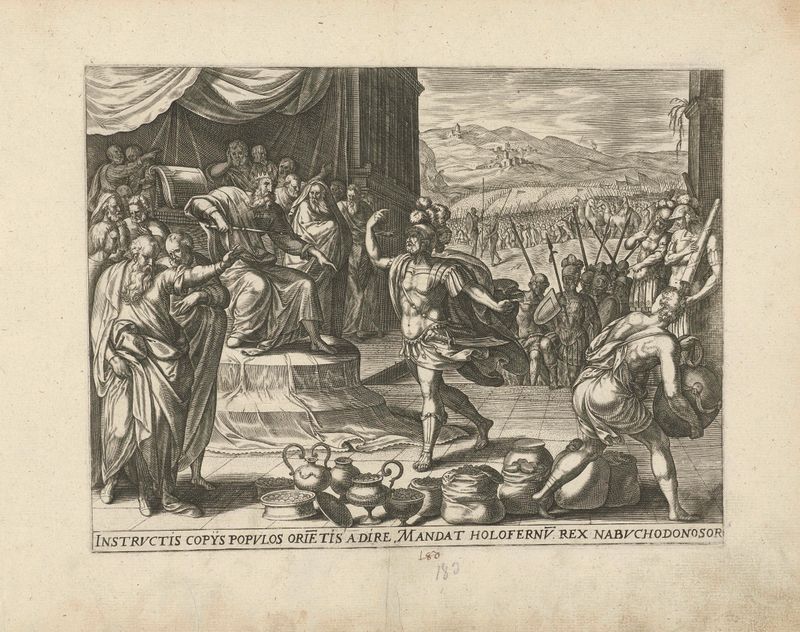
More Historical Art
Browse all →
The Night Watch Militia Company of District II under the Command of Captain Frans Banninck Cocq
Rembrandt van Rijn
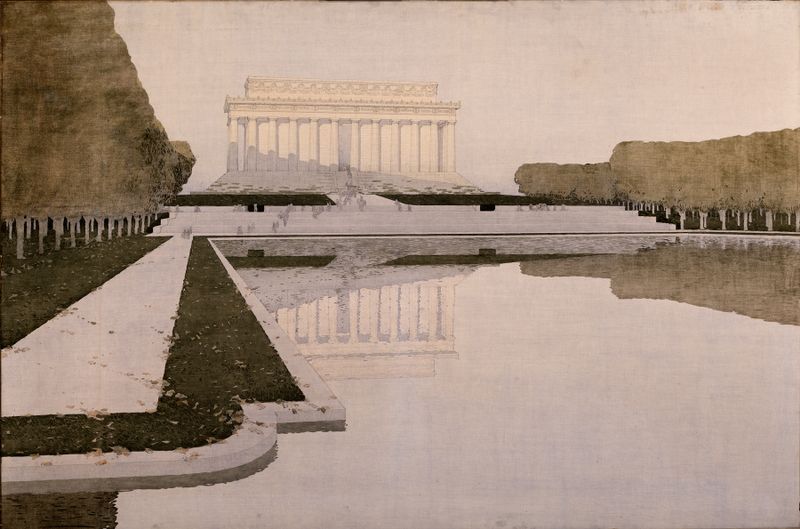
Lincoln Memorial
Henry Bacon
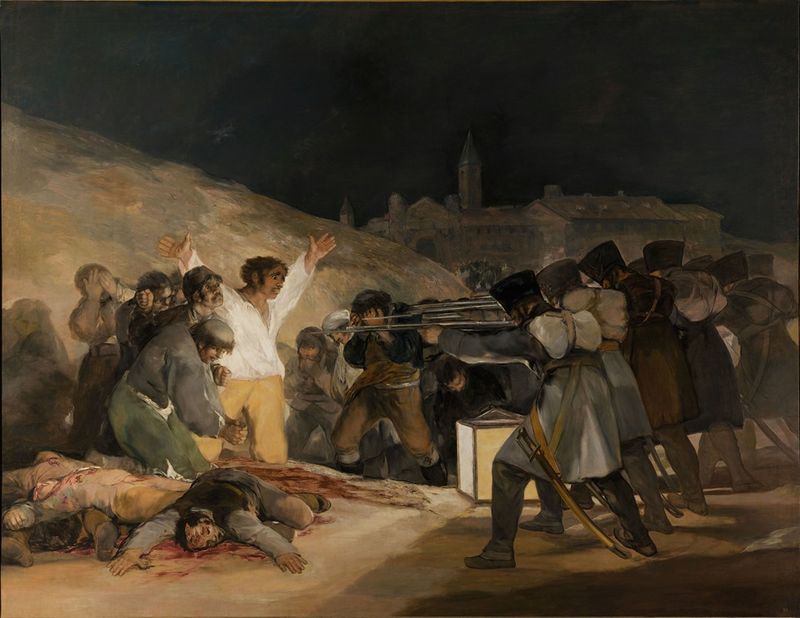
The Third of May 1808
Francisco de Goya

Isaac and Rebecca, Known as ‘The Jewish Bride’
Rembrandt van Rijn
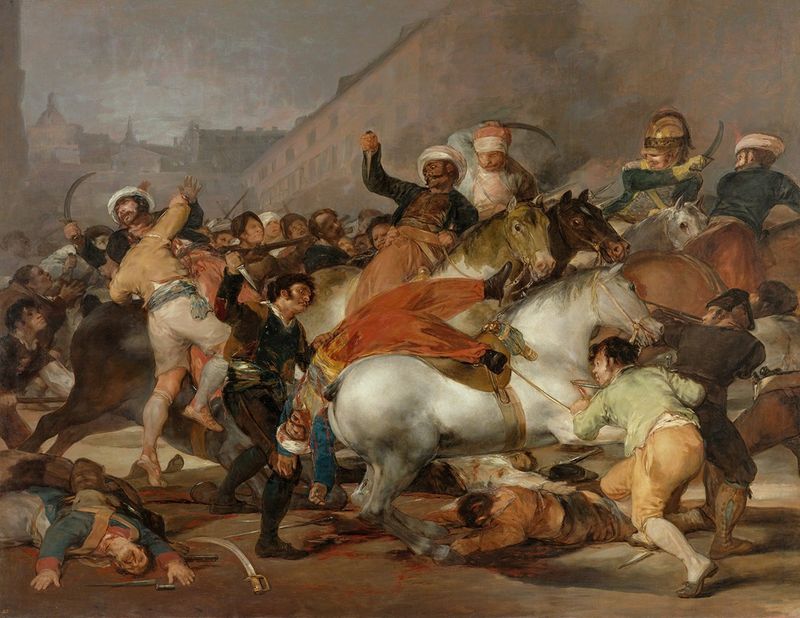
The Charge of the Mamelukes (1814)
Francisco de Goya

De vier ruiters van de apocalyps
Albrecht Dürer