
Homage of Bohdan Khmelnytskyi at Zborow. — History & Facts
In the summer of 1649, a dramatic encounter on the fields near Zborow changed the course of Eastern European history: Bohdan Khmelnytskyi, leader of the Cossack uprising, knelt before the Polish king’s envoys, sealing a fragile peace after months of bloody conflict. Jan Matejko’s Homage of Bohdan Khmelnytskyi at Zborow, painted in 1859, brings this pivotal event to life at a time when Poland’s own sovereignty was under threat, and the memory of past alliances and betrayals felt especially urgent. The painting stands as one of the earliest major historical canvases by Matejko, who would later become renowned for his grand reconstructions of Poland’s turbulent past. At the center, Khmelnytskyi bows low, his fur hat in hand, surrounded by a swirl of Cossack officers and Polish nobles.
The artist captures the tension of the moment: the Cossack leader’s gesture of submission is ambiguous, both respectful and wary, while the Polish envoys, draped in rich crimson and gold, regard him with a mix of triumph and suspicion. The gleam of armor, the flutter of banners, and the tightly packed crowd evoke the uneasy truce that followed the siege. In contrast to the more theatrical, idealized depictions by earlier painters, Matejko’s scene is crowded, almost chaotic, emphasizing the uneasy balance of power.
The artist’s attention to historical costume and facial expression invites the viewer to read the scene as both a political negotiation and a personal drama. Little is known about the original commission or early history of this painting, but it marks an important step in Matejko’s career, foreshadowing his later monumental works such as The Battle of Grunwald. Painted when he was just twenty-one, it demonstrates his early fascination with national history and his meticulous approach to research. Today, Homage of Bohdan Khmelnytskyi at Zborow is preserved in the collection of the Lviv National Art Gallery, where it continues to attract viewers interested in the complex legacy of Polish-Ukrainian relations.
The painting’s survival through wars and shifting borders is itself a testament to the enduring power of history in art.
More Artworks by Jan Matejko
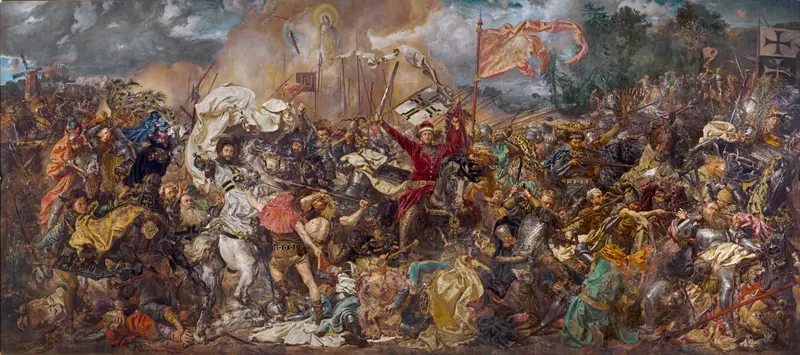
Battle of Grunwald
Jan Matejko

Stańczyk
Jan Matejko

Battle of Raclawice
Jan Matejko
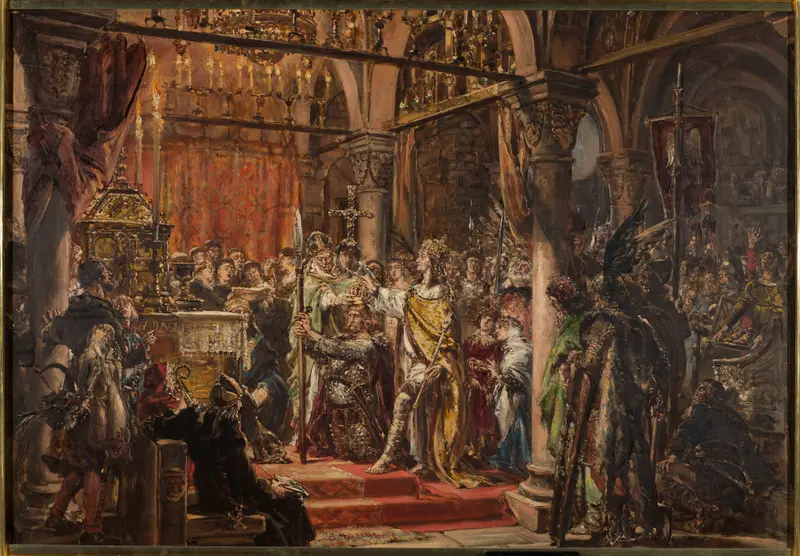
Coronation of the First King, 1001 AD, from the series “History of Civilization in Poland”
Jan Matejko
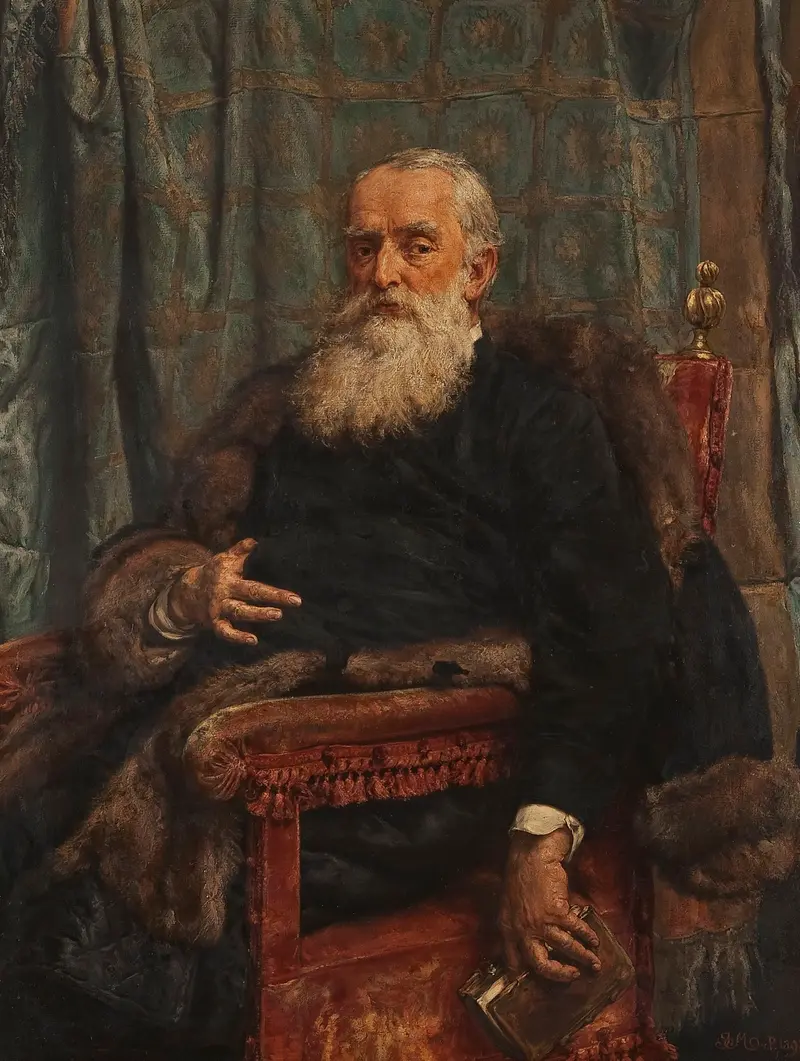
Portrait of Henryk Krajewski
Jan Matejko
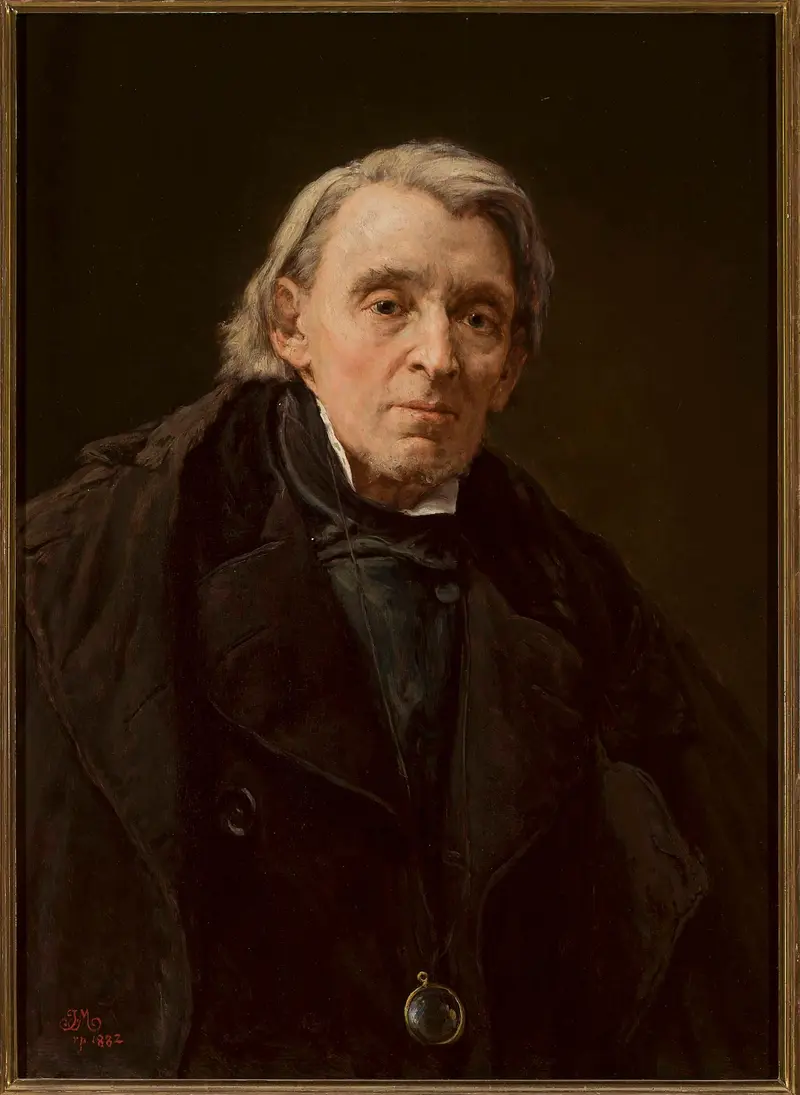
Portrait of Karol Podlewski
Jan Matejko
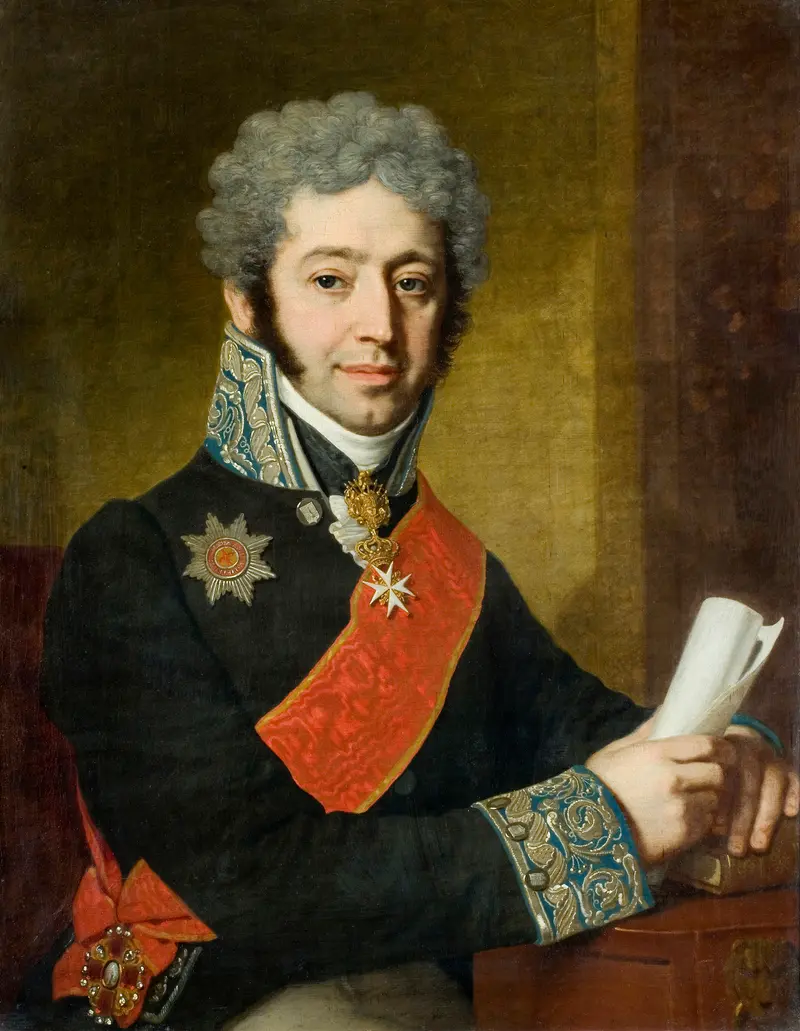
Portrait of Potocki and Poninski
Jan Matejko
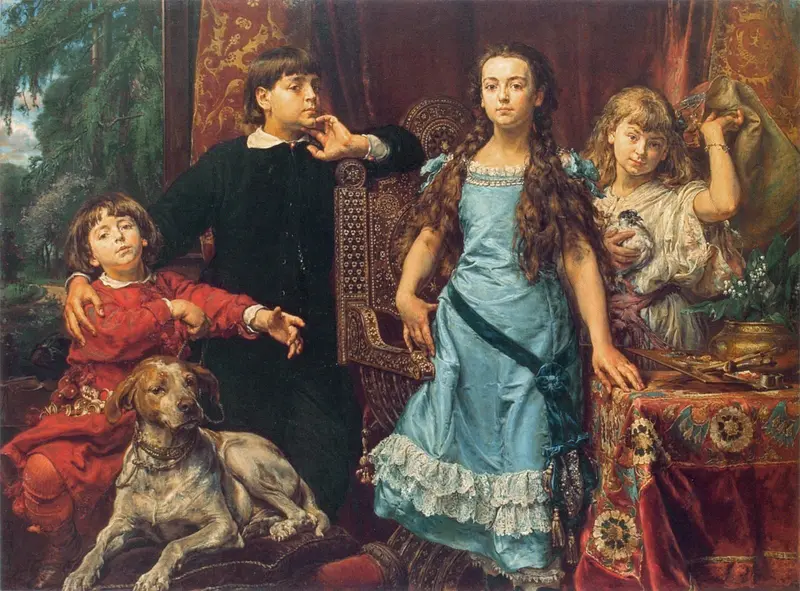
Portrait of the artist's four children
Jan Matejko
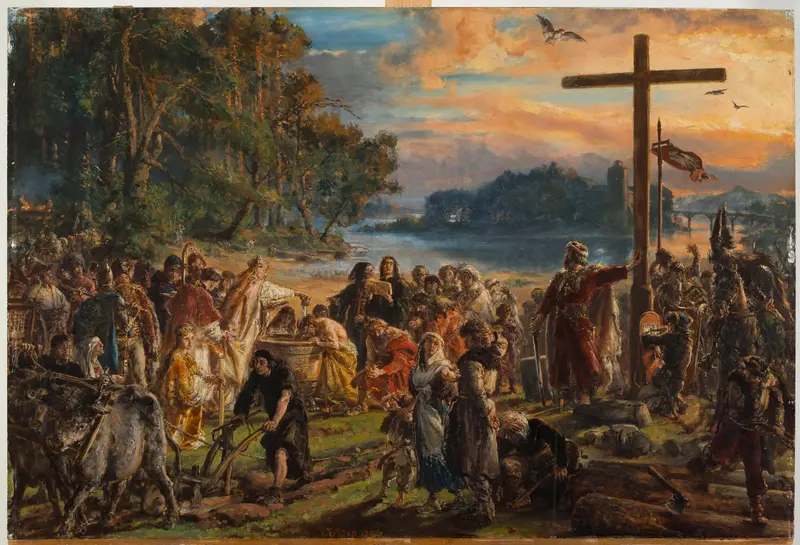
Introduction of Christianity in Poland
Jan Matejko
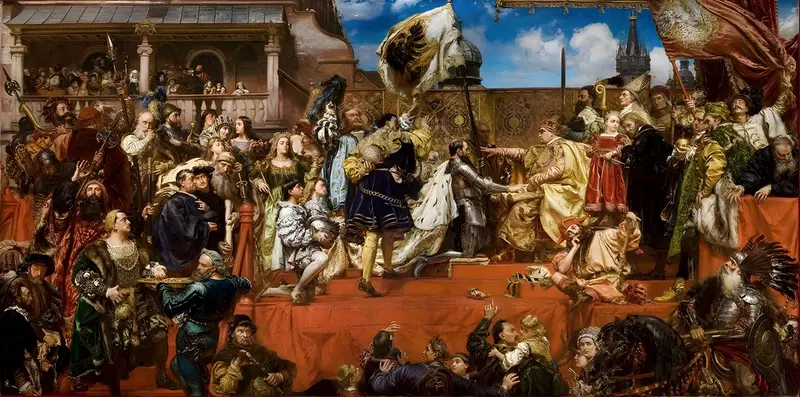
Prussian Homage
Jan Matejko





