
Home Fields — History & Facts
In the gentle expanse of this artwork, desire whispers through the verdant fields, where every blade of grass seems to hold a secret. Focus on the solitary figure to the left, poised gracefully against the lush backdrop, embodying both tranquility and yearning. The vibrant greens of the landscape contrast sharply with the warm tones of the attire, drawing the eye towards the longing gaze that seems to reach out to the horizon. Notice how Sargent masterfully captures the play of light—soft yet radiant—imbuing the scene with a serene quality that speaks of nostalgia and hope. Beneath the surface, the painting reveals layers of emotional contrast.
The juxtaposition of the lone figure against the expansive field evokes a sense of isolation amidst nature’s abundance, suggesting an inner world filled with unspoken dreams and unfulfilled desires. The stillness of the moment is palpable, yet it resonates with the unvoiced longing for connection with something greater beyond the canvas. John Singer Sargent painted Home Fields in 1885 while in the English countryside, a time when he was gaining acclaim for his portraiture yet sought solace in capturing landscapes. The artist was navigating the shifting tides of artistic expectations and his desire to express intimacy with nature.
In this piece, he explores the intersection of solitude and aspiration, reflecting both personal and universal experiences as he established his legacy in the art world.
More Artworks by John Singer Sargent
Browse all →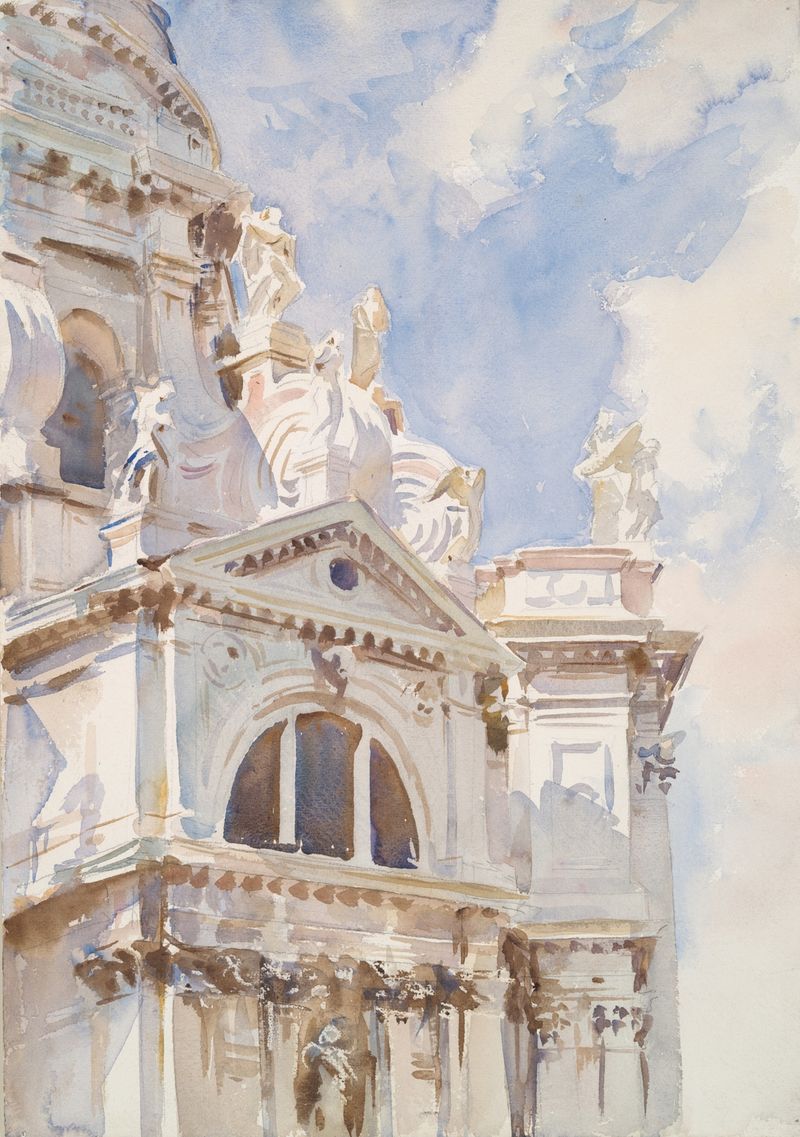
The Salute, Venice
John Singer Sargent

Mrs. Charles Deering (Marion Denison Whipple)
John Singer Sargent
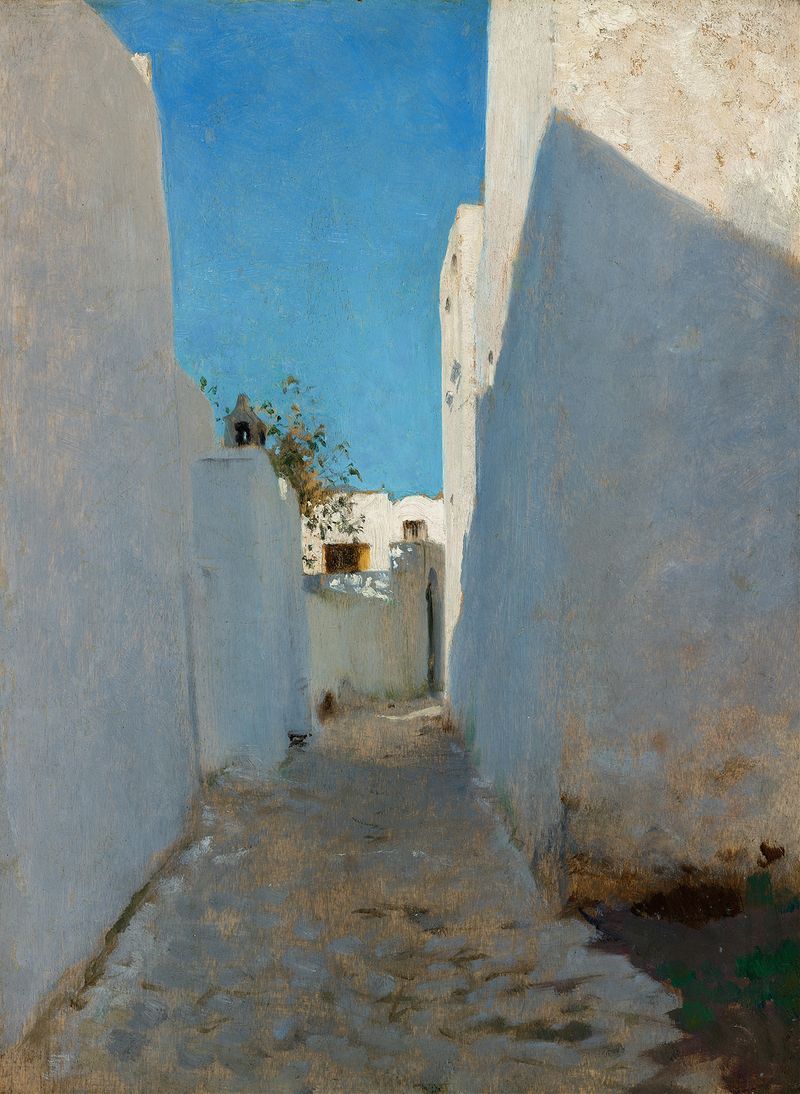
A Moroccan Street Scene
John Singer Sargent
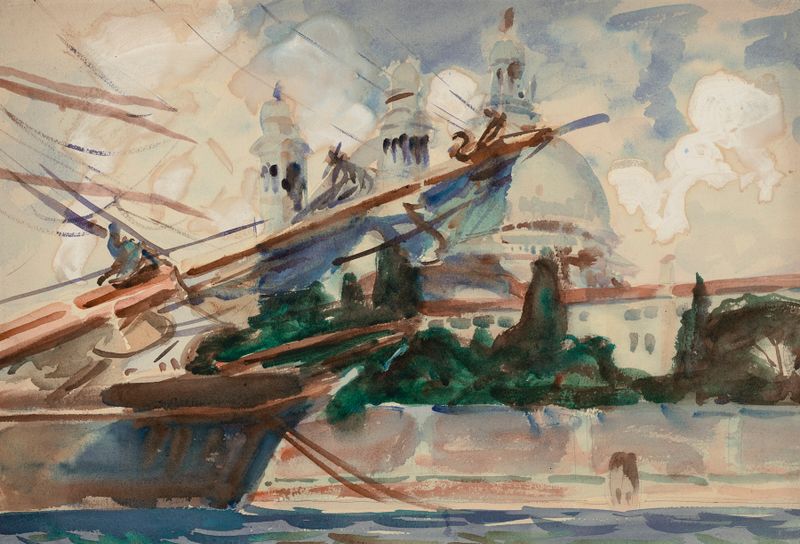
The Salute, Venice
John Singer Sargent
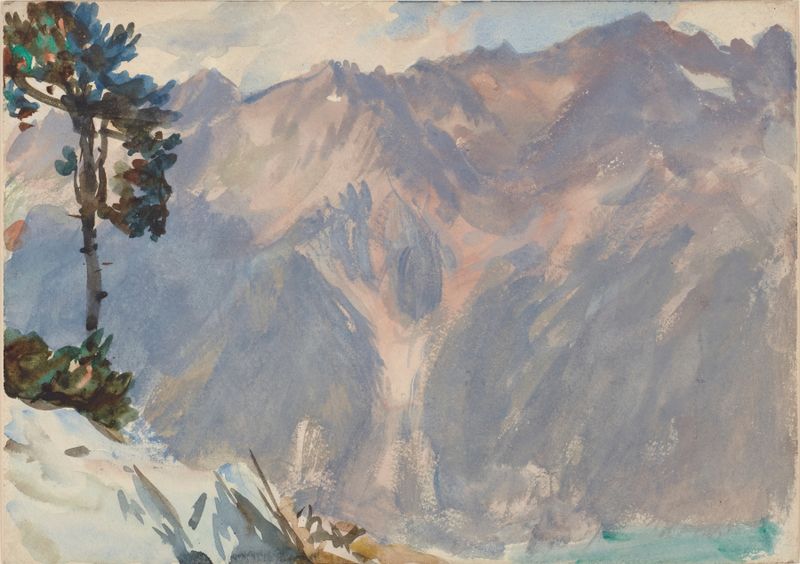
Tyrol
John Singer Sargent
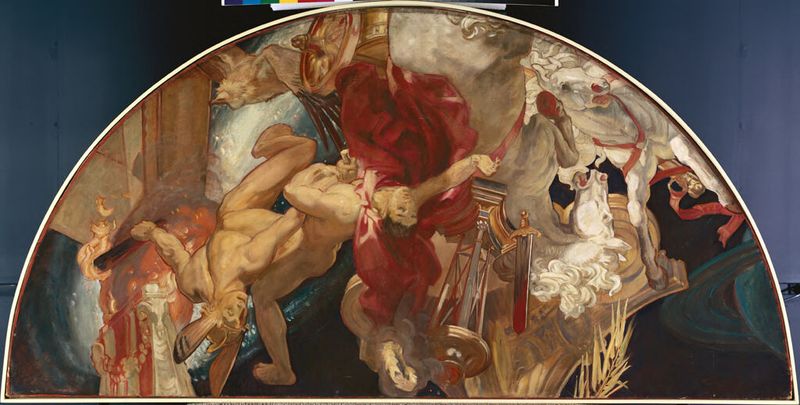
Study for "Gog and Magog," for the Boston Public Library
John Singer Sargent
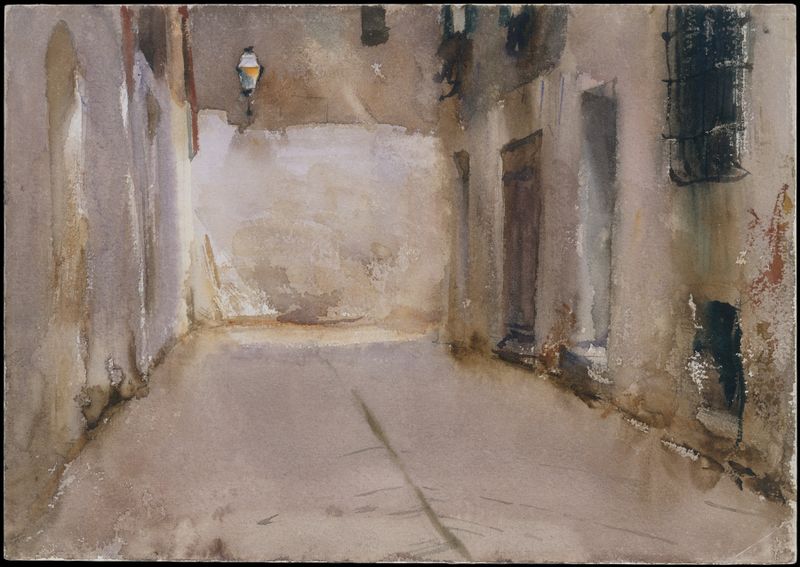
Venice
John Singer Sargent
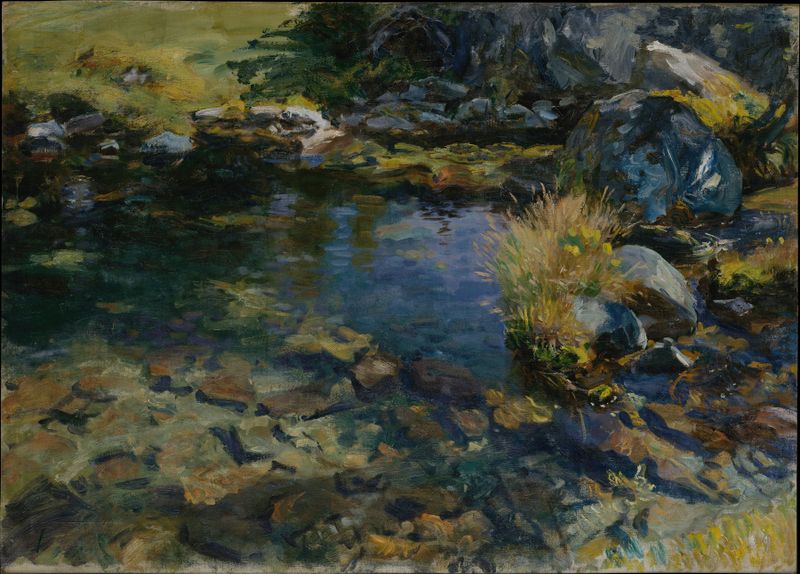
Alpine Pool
John Singer Sargent
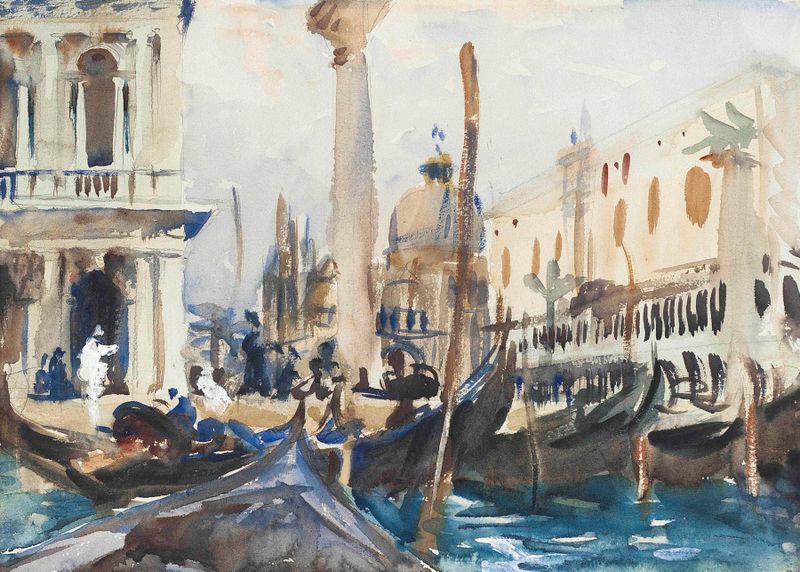
The Piazzetta with Gondolas
John Singer Sargent
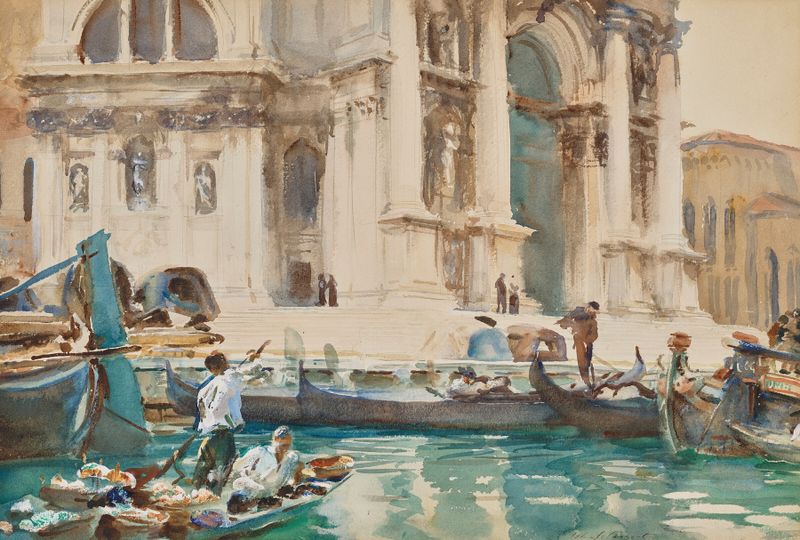
The Façade of La Salute, Venice
John Singer Sargent





