Hooimijten — History & Facts
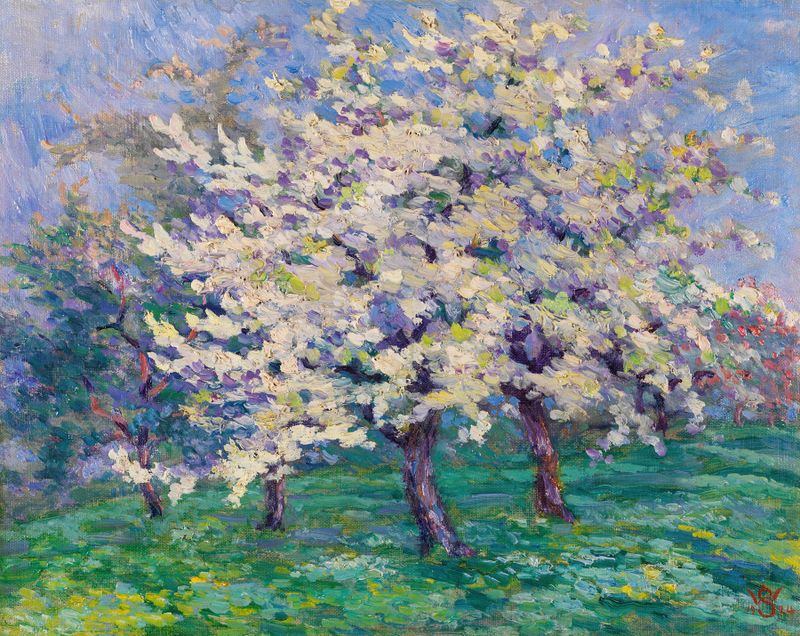
What secret hides in the quiet of the canvas? Perhaps it whispers of destiny, the threads of fate woven delicately through the strokes of paint. Look closely at the textured surface where earthy tones of ochre and deep green converge. Notice how the light plays across the scene, illuminating the figures who labor over a sprawling field, their movements almost synchronized in a dance of toil. This harmonious composition draws the viewer's eye toward the intricate details—the tools cradled in hands, the gentle sway of the crops, and the sprawling expanse of the landscape that seems to stretch into eternity. In the background, a fleeting shadow hints at an unseen presence, an echo of the past that contrasts with the laborers’ steadfast determination.
The figures embody a sense of unity and purpose, yet their faces reveal a quiet struggle against the weight of their burdens. Each grain of wheat they harvest signifies not just sustenance, but the passage of time and the inevitability of change, underscoring the delicate balance between hope and hardship. Willy Schlobach created Hooimijten in 1902, during a period when the world of art was shifting rapidly towards modernity. Living in the Netherlands, he was influenced by the burgeoning impressionist movement and sought to capture the essence of rural life.
This painting reflects both the personal and collective experiences of a society navigating the complexities of agrarian existence amidst industrial advancements.