
Discover insights about this artwork
Hope, II — History & Facts
In Hope, II, Gustav Klimt uses a rich palette dominated by gold, deep blues, and vibrant reds. The painting features a central female figure, adorned with intricate patterns and symbols. She appears to be in a state of contemplation, surrounded by abstract forms that suggest both hope and uncertainty.
The background is filled with swirling shapes that enhance the sense of movement and emotion. The technical aspects of Hope, II reveal Klimt's signature style, characterized by the use of gold leaf and detailed ornamentation. The painting is executed in oil on canvas, allowing for a smooth application of color and texture. Klimt's meticulous attention to detail is evident in the patterns on the figure's clothing and the surrounding elements.
This work exemplifies the Symbolist movement, blending realism with decorative art. Gustav Klimt created Hope, II during a period when he was exploring themes of femininity and emotional depth. This work is part of a series that reflects his fascination with the concept of hope as a guiding force. An interesting fact about this painting is that it showcases Klimt's transition towards more abstract forms, moving away from traditional representation.
The use of gold and intricate patterns also aligns with his broader artistic vision in the Art Nouveau movement.
More Artworks by Gustav Klimt
The kiss
Gustav Klimt
Portrait of Adele Bloch-Bauer I
Gustav Klimt
Judith II (Salome)
Gustav Klimt
Woman with fan
Gustav Klimt
The kiss (lovers)
Gustav Klimt
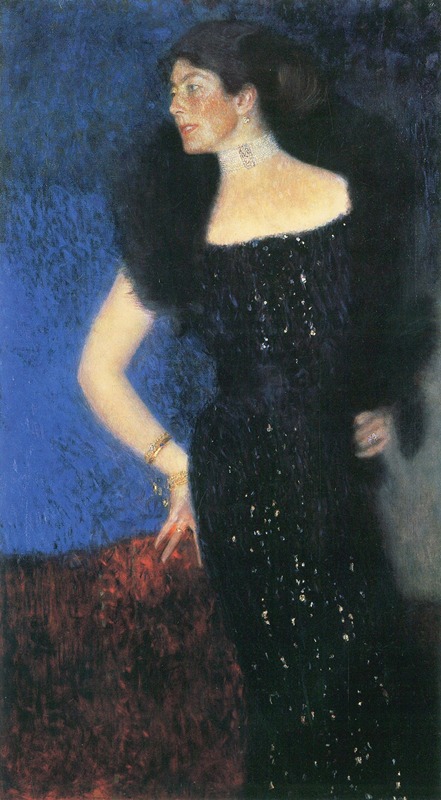
Portrait of Rose von Rosthorn-Friedmann
Gustav Klimt
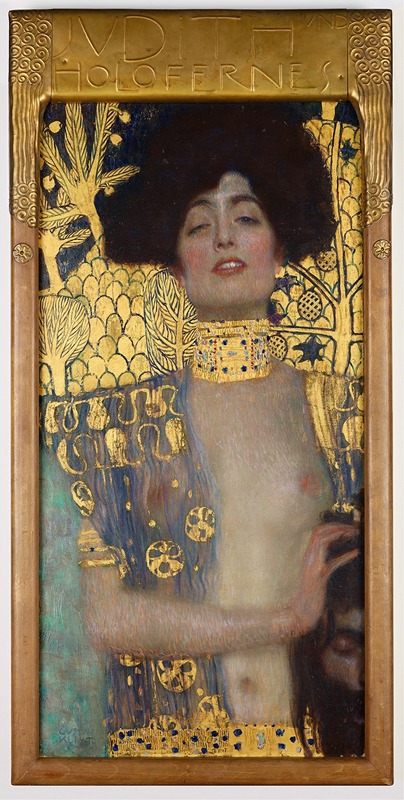
Judith
Gustav Klimt
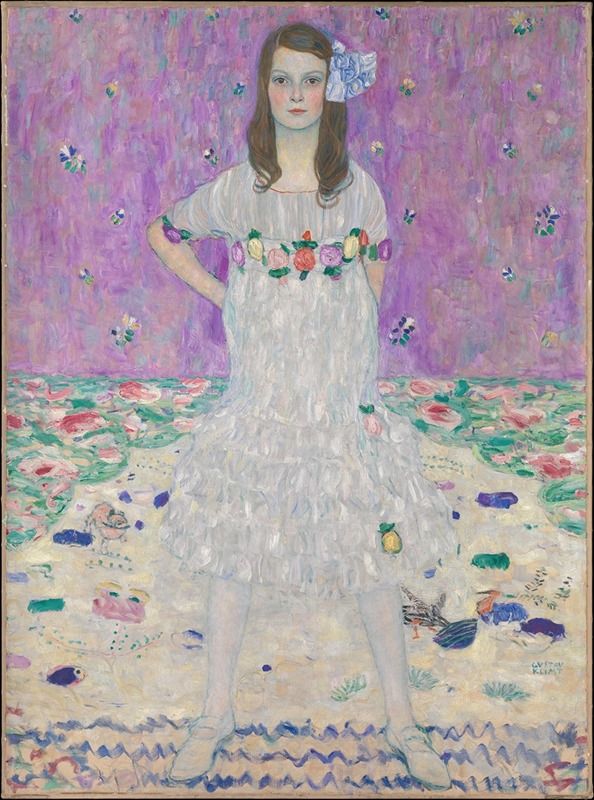
Mäda Primavesi
Gustav Klimt
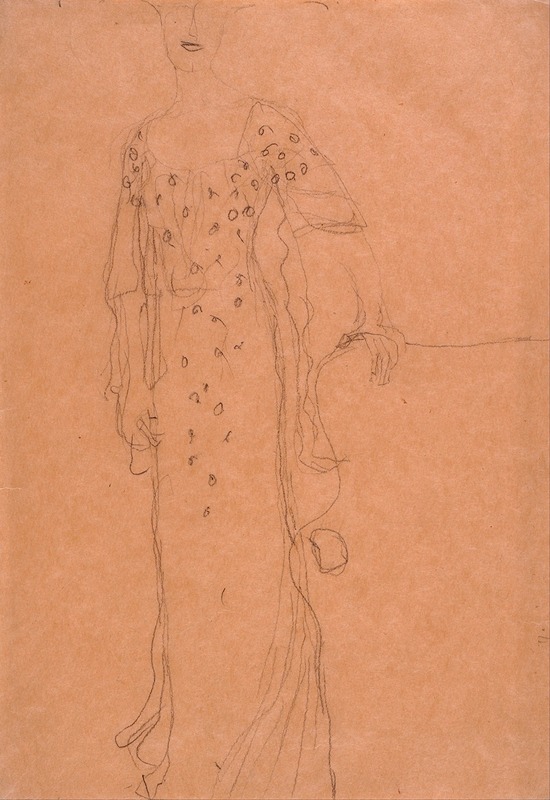
Study for Portrait of Adele Bloch-Bauer I
Gustav Klimt
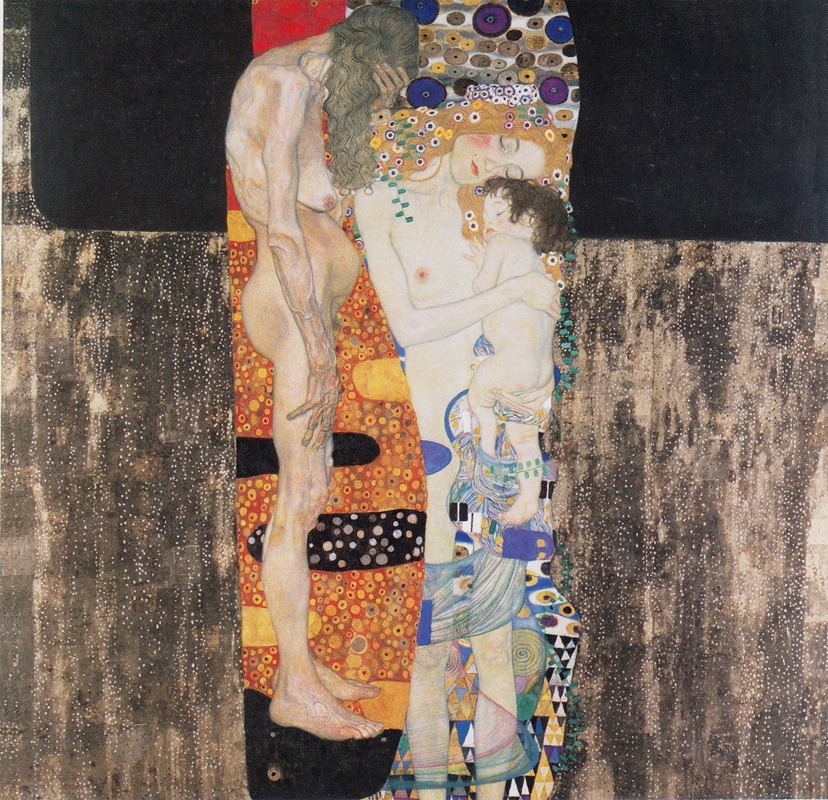
The Three Ages of the Woman
Gustav Klimt
More Allegory Art
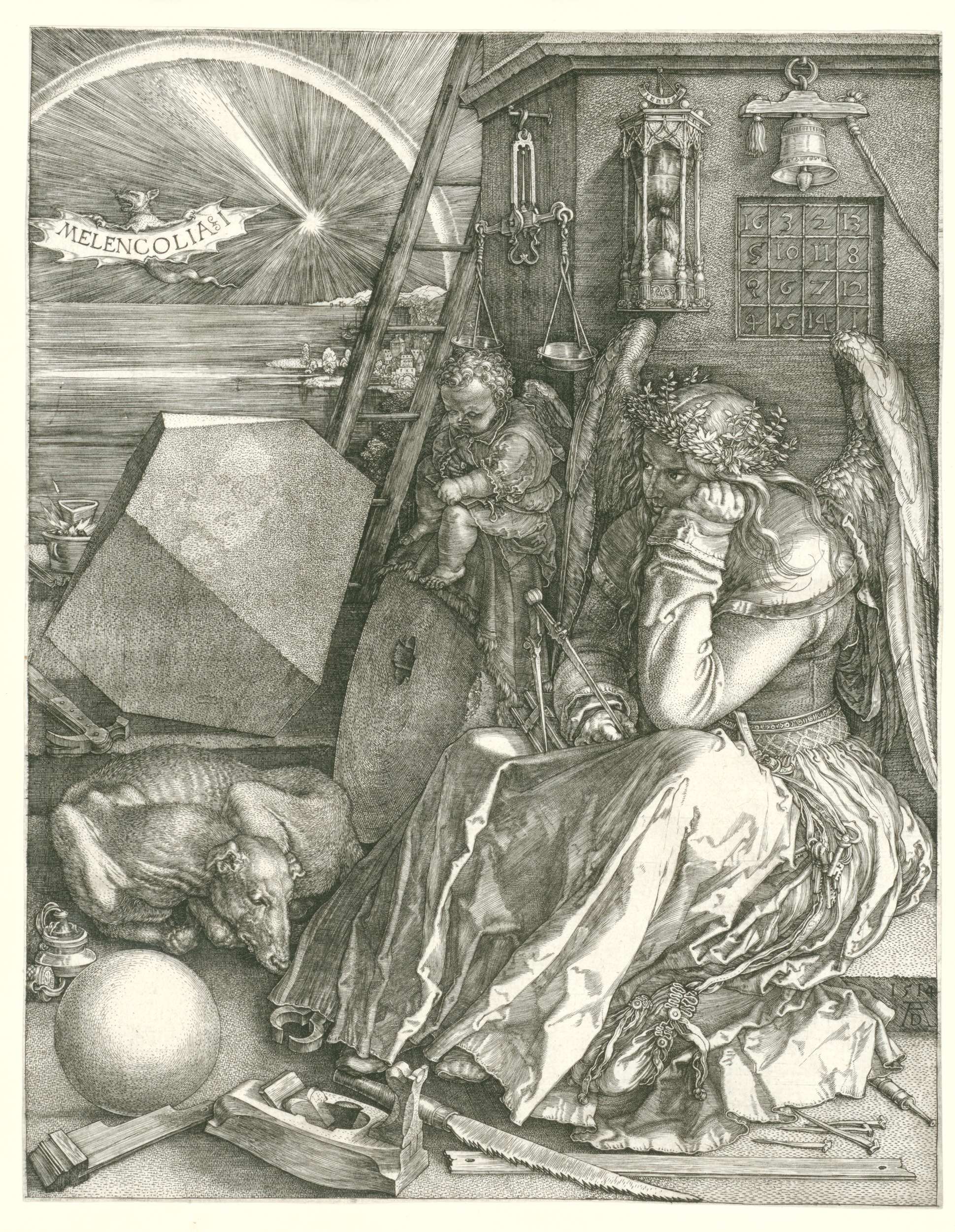
Melancholia
Albrecht Dürer
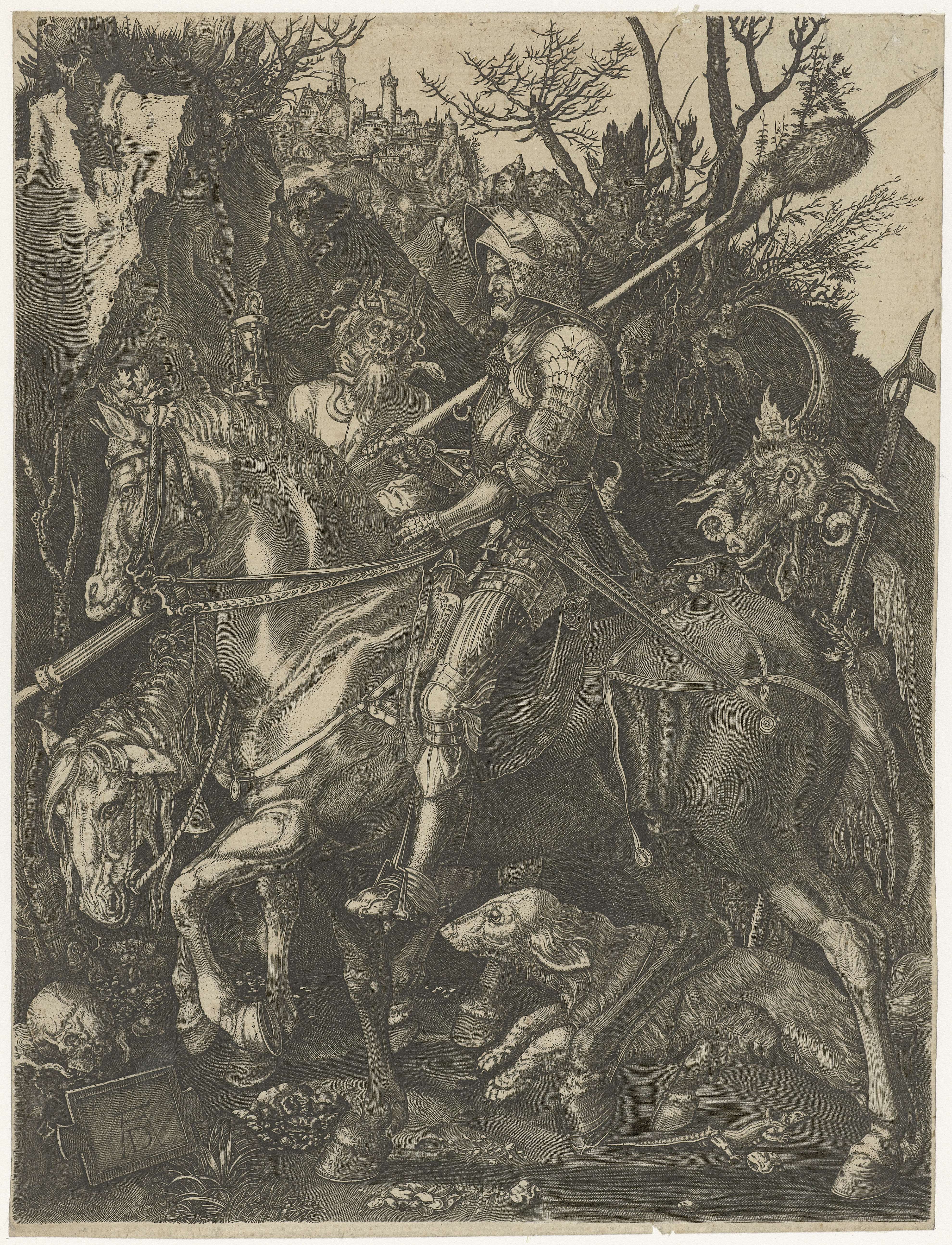
Ridder, Dood en Duivel
Unknown Artist
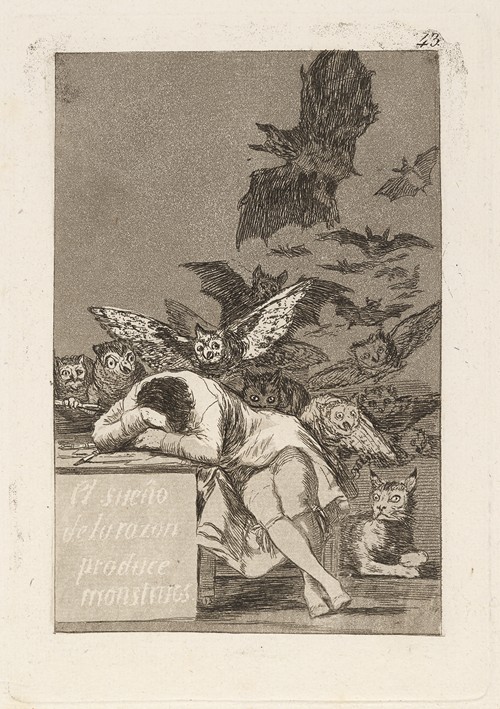
El sueño de la razon produce monstruos. (The sleep of reason produces monsters.)
Francisco de Goya
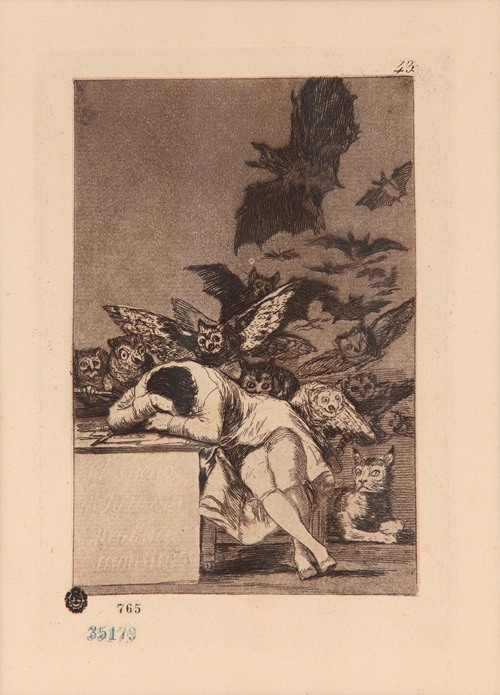
El sueño de la razon produce moustruos (Serie Caprichos)
Francisco de Goya
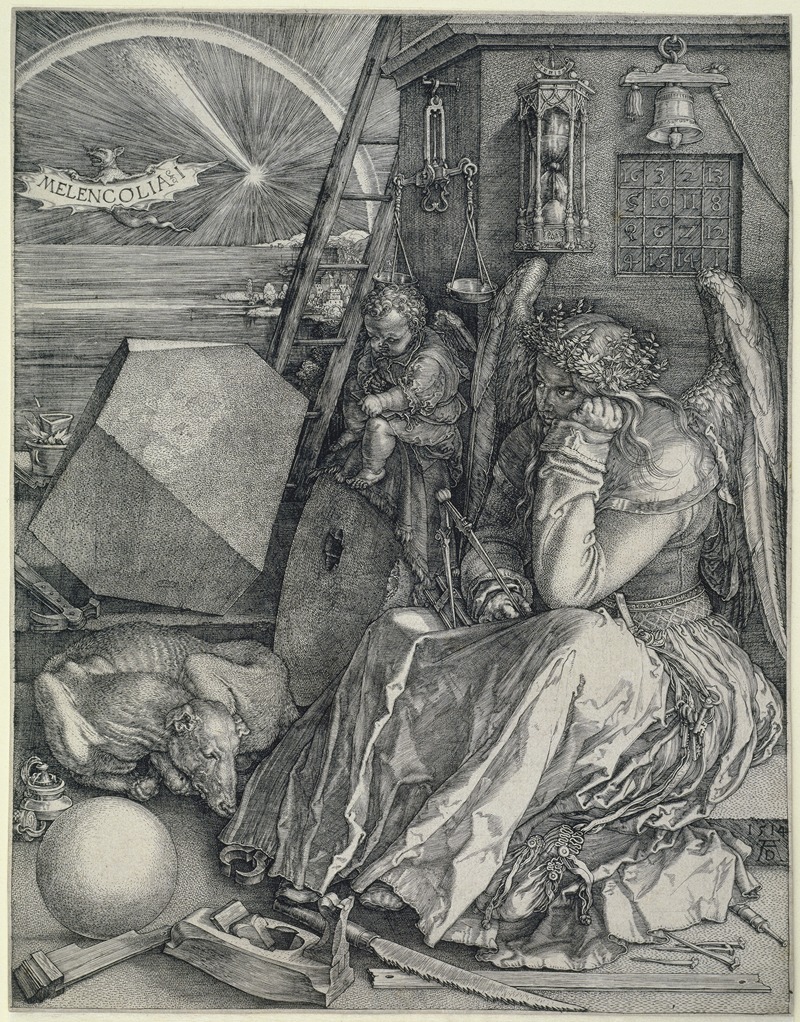
Melencolia I (The Melancholy)
Albrecht Dürer
The Three Ages of the Woman
Gustav Klimt