Horloge van verguld koper — History & Facts
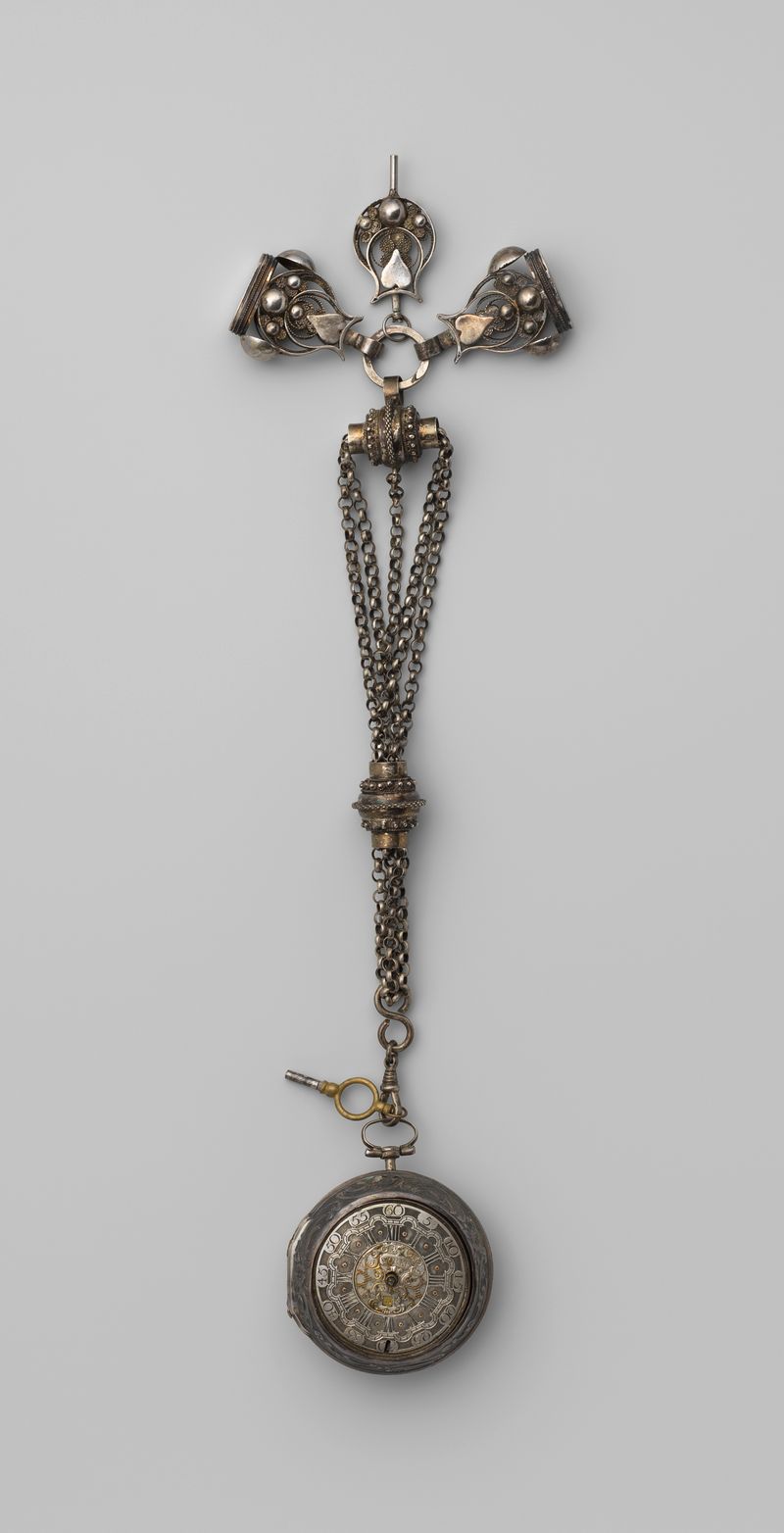
It is within this stillness that we confront the specter of decay, a riveting reminder of time’s relentless passage. Look to the center where the gleaming clock face captures our gaze, its opulent golden hue radiating an alluring warmth. Notice how the intricately crafted hands hover, frozen in a moment that both entices and unnerves. The surrounding details, delicate and ornate, serve not merely as decoration but speak to a world striving for permanence against the inevitable ebb of time.
The shadows play along the edges, emphasizing the fragility of both the artifact and the moment it encapsulates. Yet, as we delve deeper, the contradictions emerge. The vibrant gold exudes affluence, while the wear and tarnish whisper of neglect and the inexorable decay that follows beauty. The faintest traces of dust settle upon the clock, creating a tension between the desire to relish every second and the surrender to the passage of time.
This juxtaposition invites us to reflect on our own relationship with time — a pursuit of significance amid the transitory nature of existence. John Worke created this piece around the late 18th century, a time of both artistic flourish and the dawning awareness of industrial change. Working in London, he sought to blend craftsmanship with practical utility, capturing a moment in the clockmaker’s art that would eventually give way to mechanization. As society grappled with modernization, his work served as a poignant reminder of the beauty found in impermanence, encapsulating the tension between aspiration and the inevitability of decay.