
Horse and Man, The Ass and the Enemy — History & Facts
In Horse and Man, The Ass and the Enemy, we see a striking scene featuring a horse and a man, with an ass positioned nearby. The colors are rich and vibrant, showcasing a palette that includes deep browns, greens, and hints of gold. The figures are depicted in a naturalistic style, with attention to detail in their expressions and postures.
The setting appears to be a pastoral landscape, suggesting a rural or agrarian context. The painting is executed in oil on canvas, a common medium for the Victorian era. Crane's technique includes fine brushwork that captures the texture of the animals' fur and the foliage in the background. The composition is balanced, with the horse and man on one side and the ass on the other, creating a visual tension.
This arrangement invites viewers to consider the relationship between the figures and the underlying themes of conflict. Walter Crane was a prominent figure in the Victorian art scene, known for his illustrations and decorative arts. This work, created in the 1890s, reflects the era's fascination with allegory and symbolism. An interesting fact about this painting is its exploration of the dynamics between man and beast, which was a recurring theme in Crane's oeuvre.
The title itself suggests a deeper commentary on societal conflicts and the nature of adversaries.
More Artworks by Walter Crane

Oranges and Lemons
Walter Crane
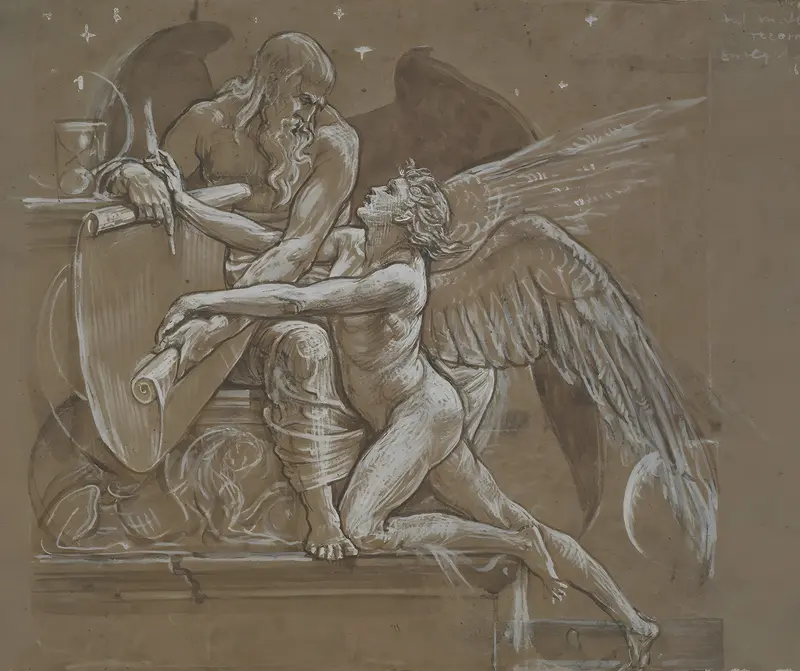
The Roll of Fate, England
Walter Crane
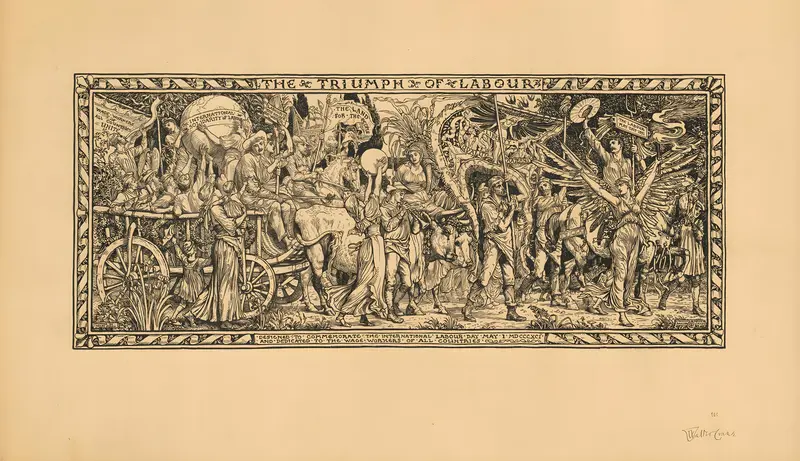
The Triumph of Labour. Designed to commemorate The International Labour Day
Walter Crane
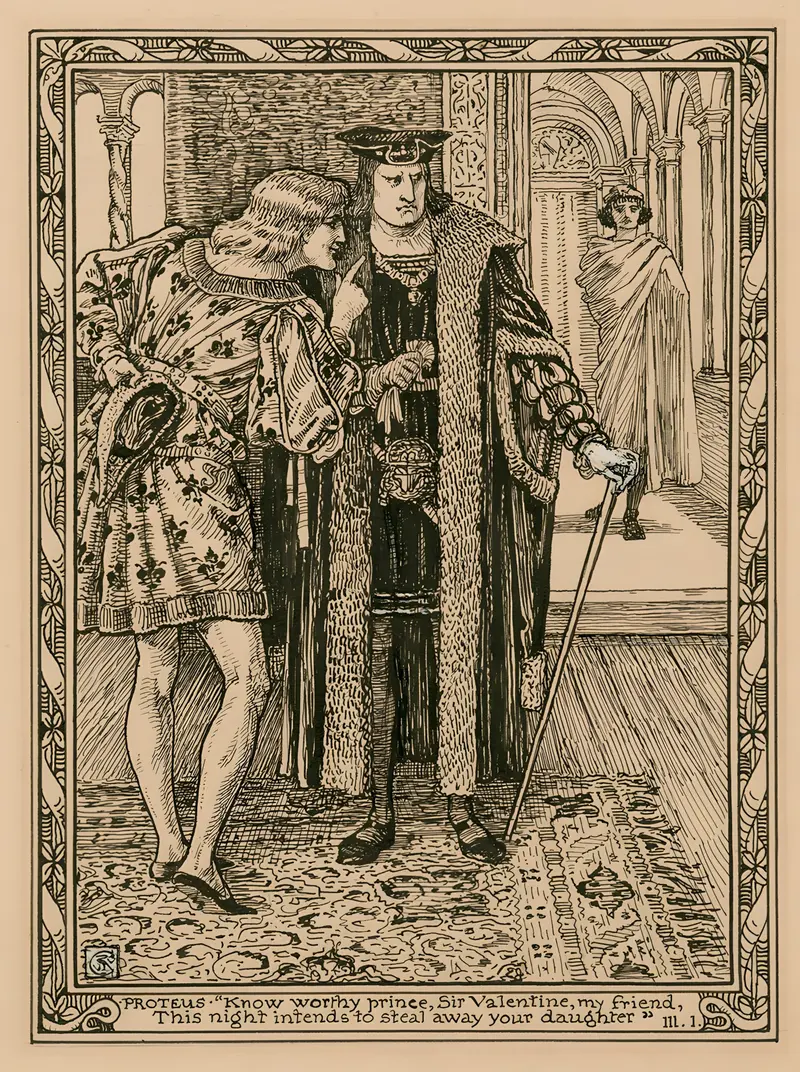
Proteus; ‘Know worthy prince, Sir Valentine, my friend, this night intends to steal away your daughter’, III, 1
Walter Crane
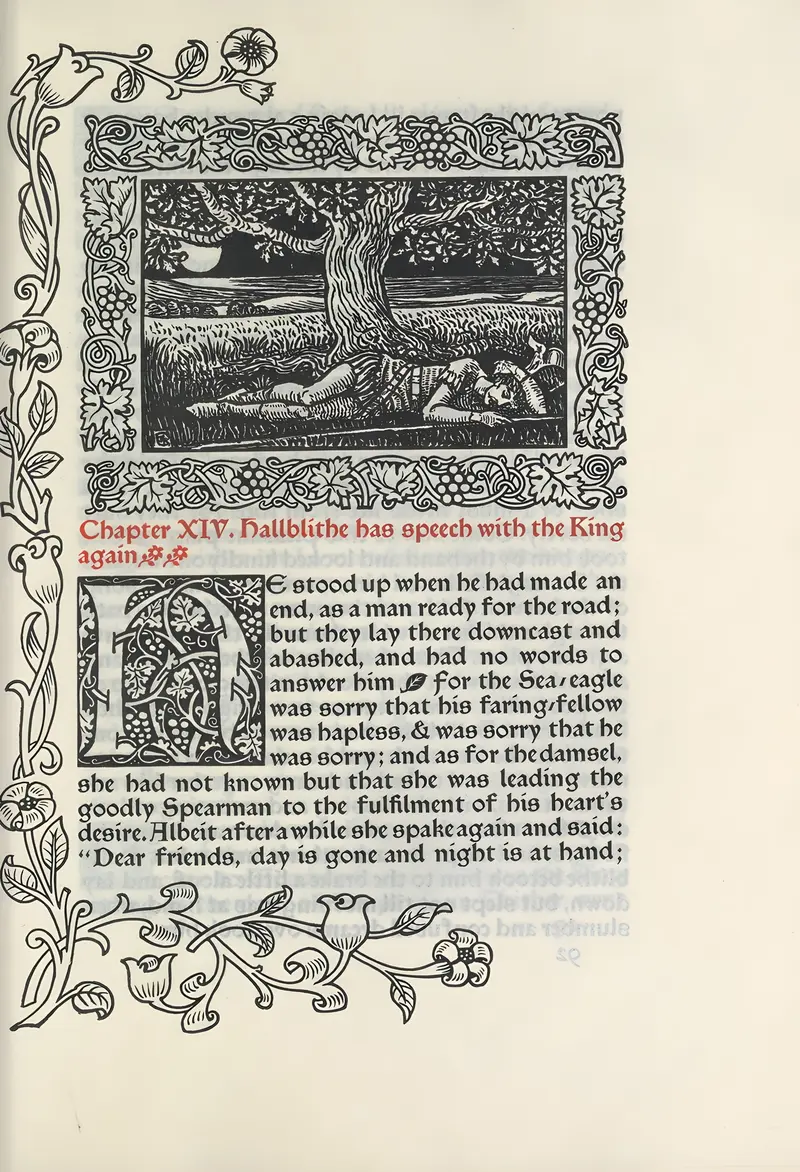
Chapter XIV. Hallblithe has speech with the King again
Walter Crane
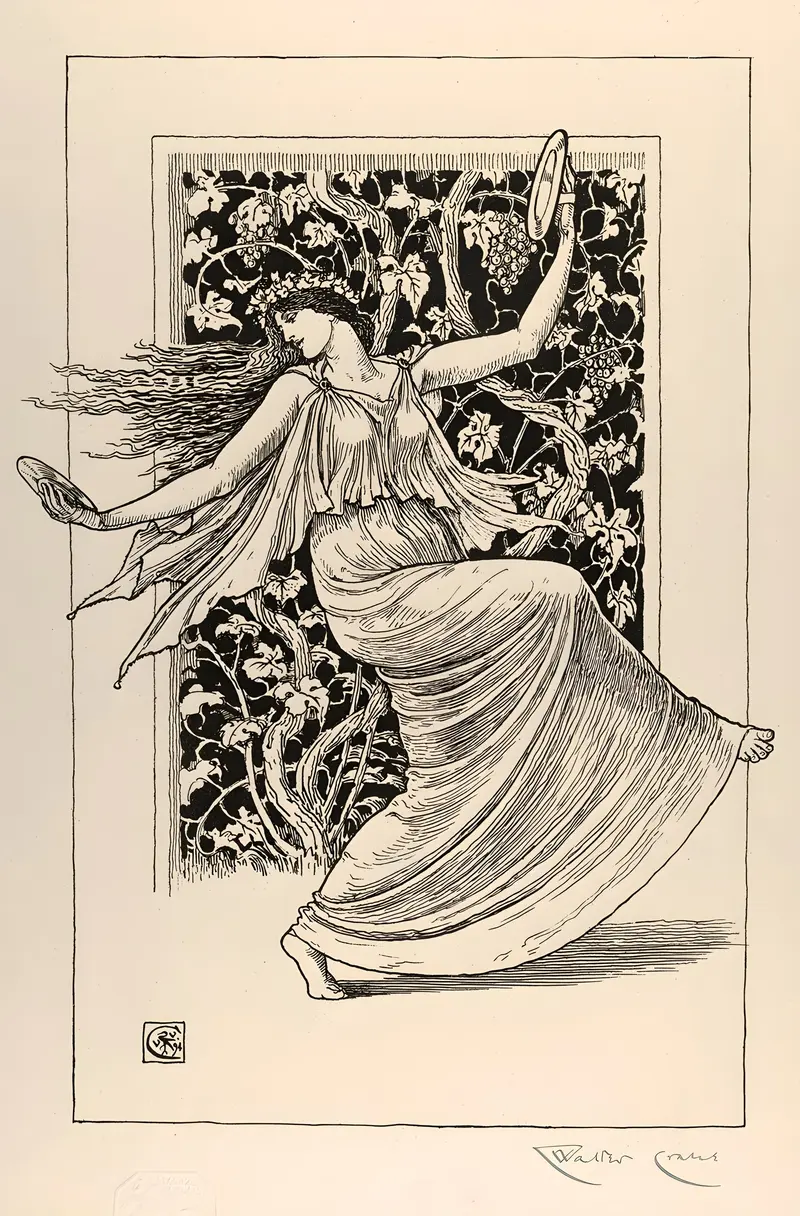
Dancing Nymph
Walter Crane
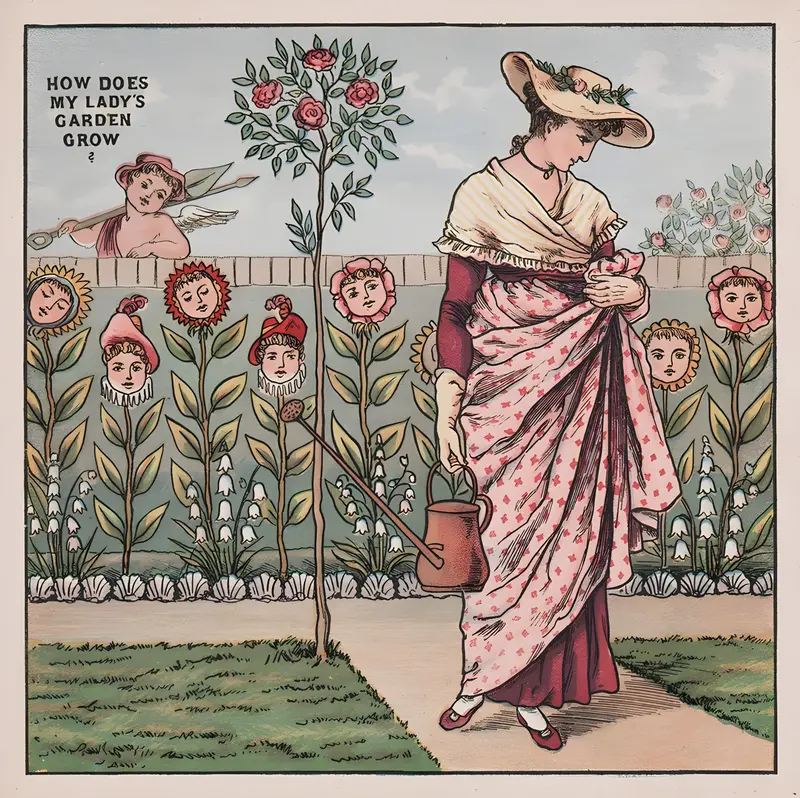
How does my lady’s garden grow
Walter Crane
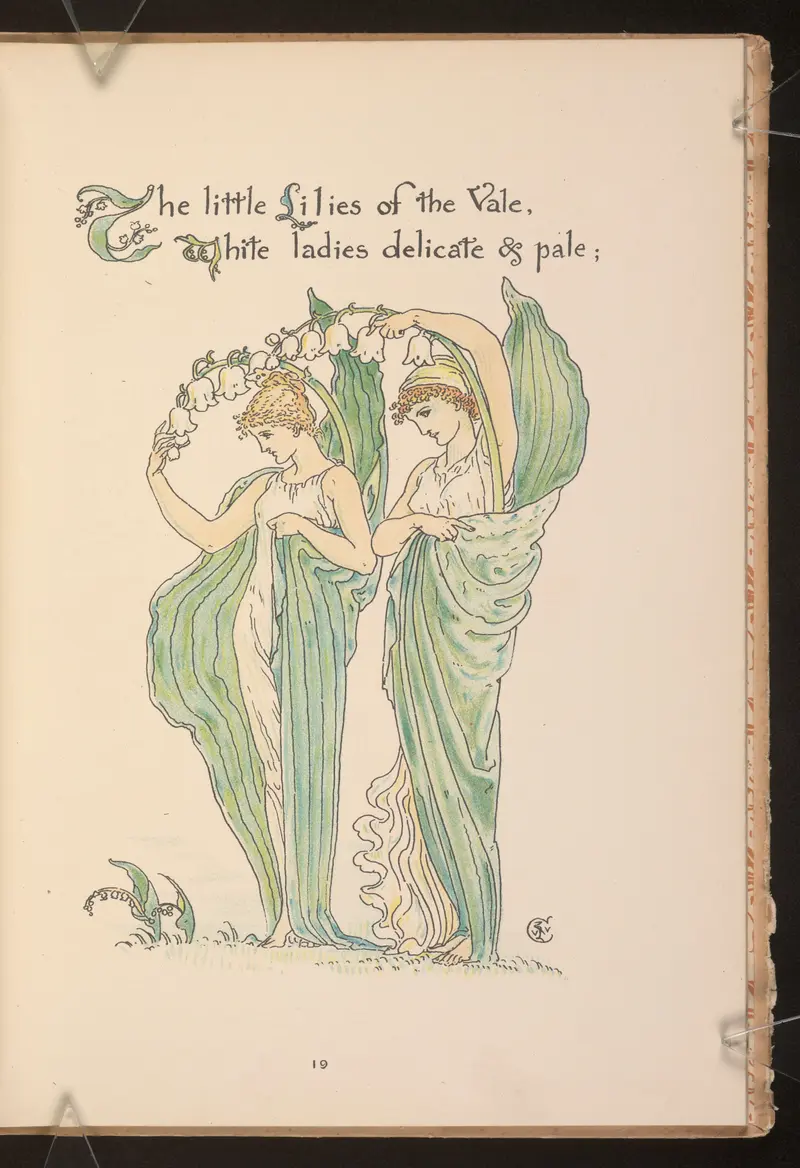
Flora’s feast; A masque of flowers Pl.19
Walter Crane
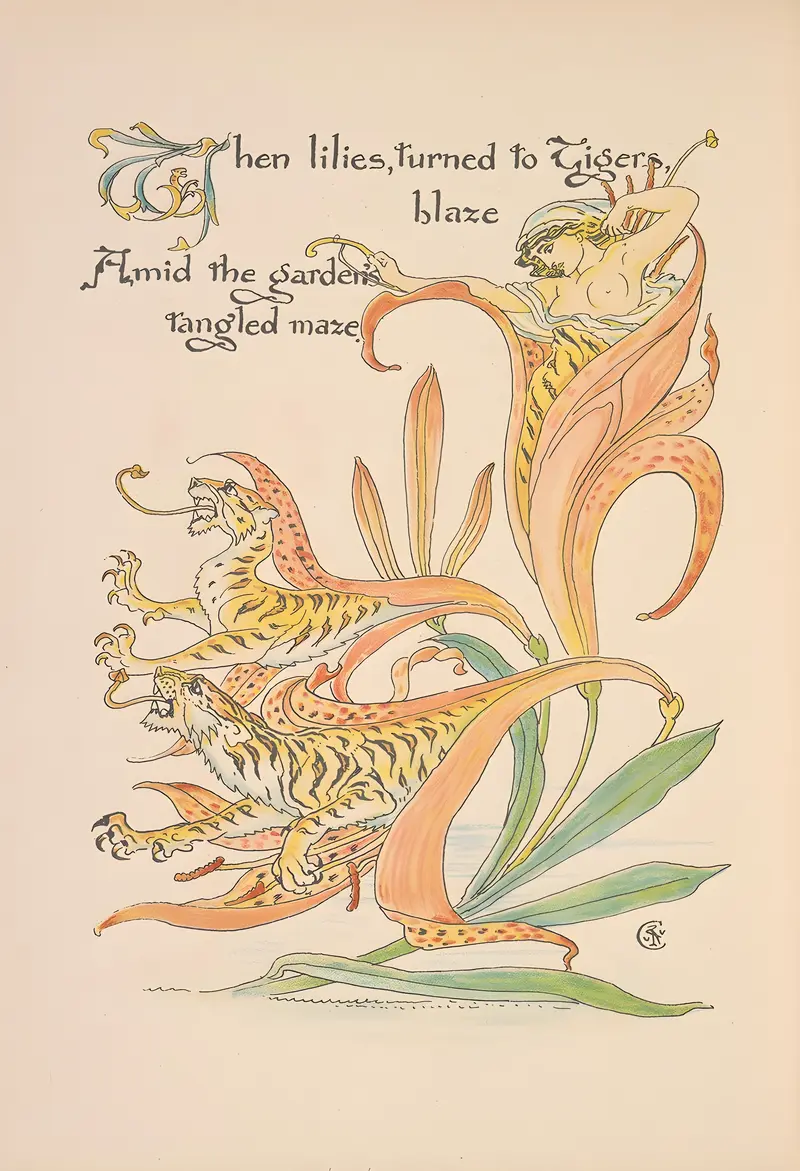
Flora’s feast; A masque of flowers Pl.34
Walter Crane
Flora’s feast; A masque of flowers Pl.29
Walter Crane





