
Hotel de Sens — History & Facts
Can beauty exist without sorrow? In Hotel de Sens, David Young Cameron captures the delicate ecstasy of a fleeting moment, where the allure of a historic structure mingles with an undercurrent of wistfulness. Look to the left at the intricate stonework of the hotel façade, where soft brush strokes lend texture and depth, creating an inviting yet melancholic atmosphere. Notice how the light bathes the building in a warm embrace, casting long shadows that stretch across cobblestone streets, drawing the viewer’s gaze toward the interplay of illumination and darkness. The muted palette of earthy tones harmonizes with the delicate whispers of green foliage, suggesting a world caught between the vibrancy of life and the weight of history. Hidden within this picturesque scene lies an emotional tension.
The grandeur of the hotel stands as a testament to time, yet the surrounding quietude speaks of forgotten stories and lost laughter. The tender balance between light and shadow evokes a sense of longing, inviting contemplation on the passage of time. Cameron’s brush captures moments that feel both serene and poignant, transforming a simple view into a profound reflection on existence itself. In the spring of 1904, while living in Scotland, Cameron painted Hotel de Sens.
During this period, he was deeply influenced by the Symbolist movement, creating works that emphasized mood over realism. The world of art was transitioning, and Cameron sought to blend impressionistic techniques with his own emotive vision, crafting landscapes that resonate with both beauty and a hint of nostalgia.
More Artworks by David Young Cameron
Browse all →
Ponte Vecchio
David Young Cameron

The Deanery, Winchester
David Young Cameron
Old Houses, Stirling
David Young Cameron
Rosslyn Chapel
David Young Cameron

The Old Museum, Beauvais
David Young Cameron
On the Bradford
David Young Cameron

The Smithy
David Young Cameron
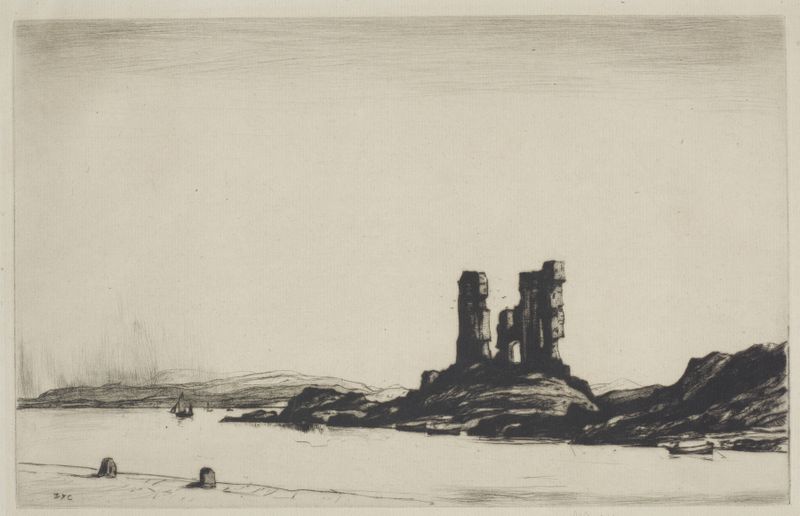
Castle Moyle
David Young Cameron
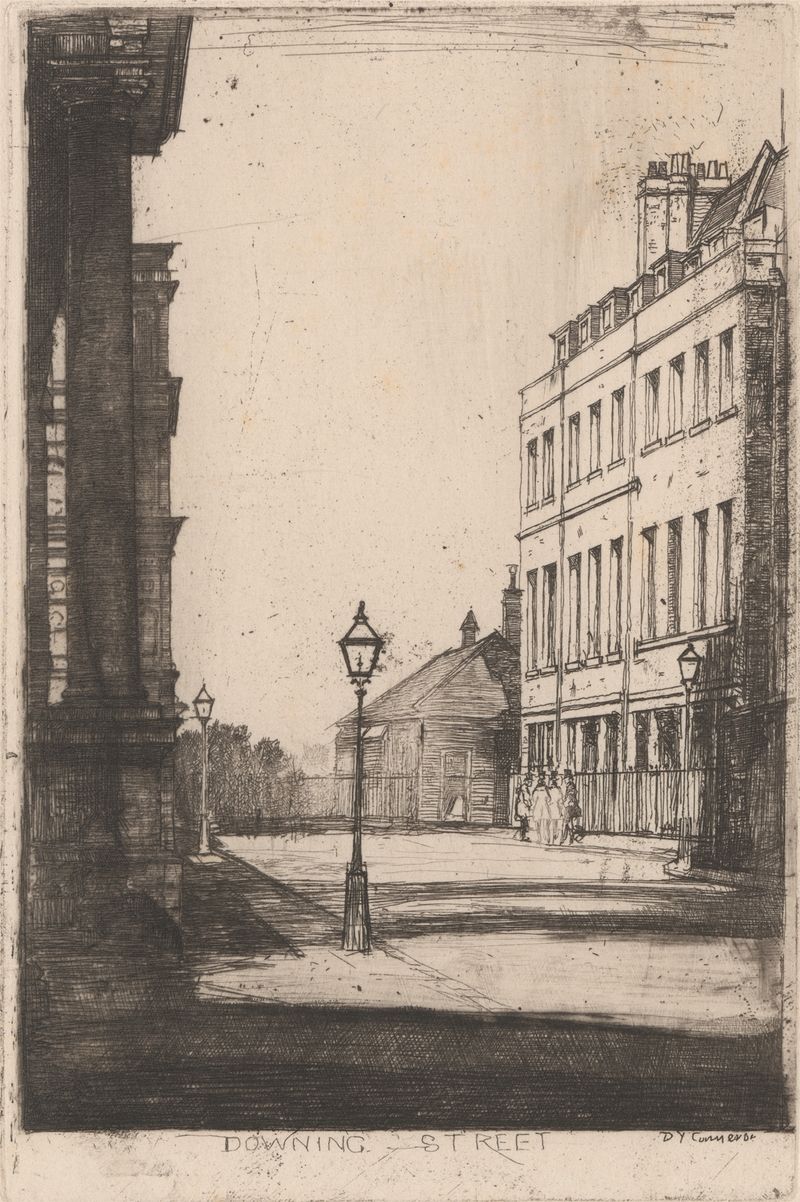
Downing Street
David Young Cameron

Glasgow Cathedral
David Young Cameron
More Architecture Art
Browse all →
The statue of Liberty
Frédéric Auguste Bartholdi

View of Houses in Delft, Known as ‘The Little Street’
Johannes Vermeer

View of Houses in Delft, Known as ‘The Little Street’
Johannes Vermeer

The Cathedral in Rouen. The portal, Grey Weather
Claude Monet

The yellow house
Vincent van Gogh

The Church in Auvers-sur-Oise, View from the Chevet
Vincent van Gogh