
House and Courtyard — History & Facts
Is this a mirror — or a memory? The nuances of light and shadow transform the mundane into the extraordinary, as if inviting us to peer into the echoes of a forgotten past. Look to the left at the soft glow reflecting off the sunlit walls, illuminating a worn path leading toward the house. Notice how the brilliant whites and muted earth tones intertwine, creating a symbiotic relationship between the structure and the surrounding foliage. The interplay of light accentuates textures, revealing peeling paint and crumbling stone, while vibrant greens of the courtyard explode with life, juxtaposing the stillness of decay. Delve deeper into the painting’s composition, where the contrasting elements evoke a spectrum of emotions.
The starkness of the house stands resolute yet reflects a history etched in its surfaces, echoing the passage of time. Meanwhile, the animated leaves sway in the breeze, whispering of renewal amid a scene that hints at abandonment. This tension between decay and vitality forms a poignant commentary on the cycles of life. John Singer Sargent painted this work between 1895 and 1903 during a period marked by his exploration of light and atmosphere.
Living primarily in Paris, he was captivated by the impressionist movement yet maintained a distinctive style. At this time, he was garnering acclaim for his portraiture while also increasingly experimenting with landscapes, capturing moments that linger like memories, forever etched in the canvas.
More Artworks by John Singer Sargent
Browse all →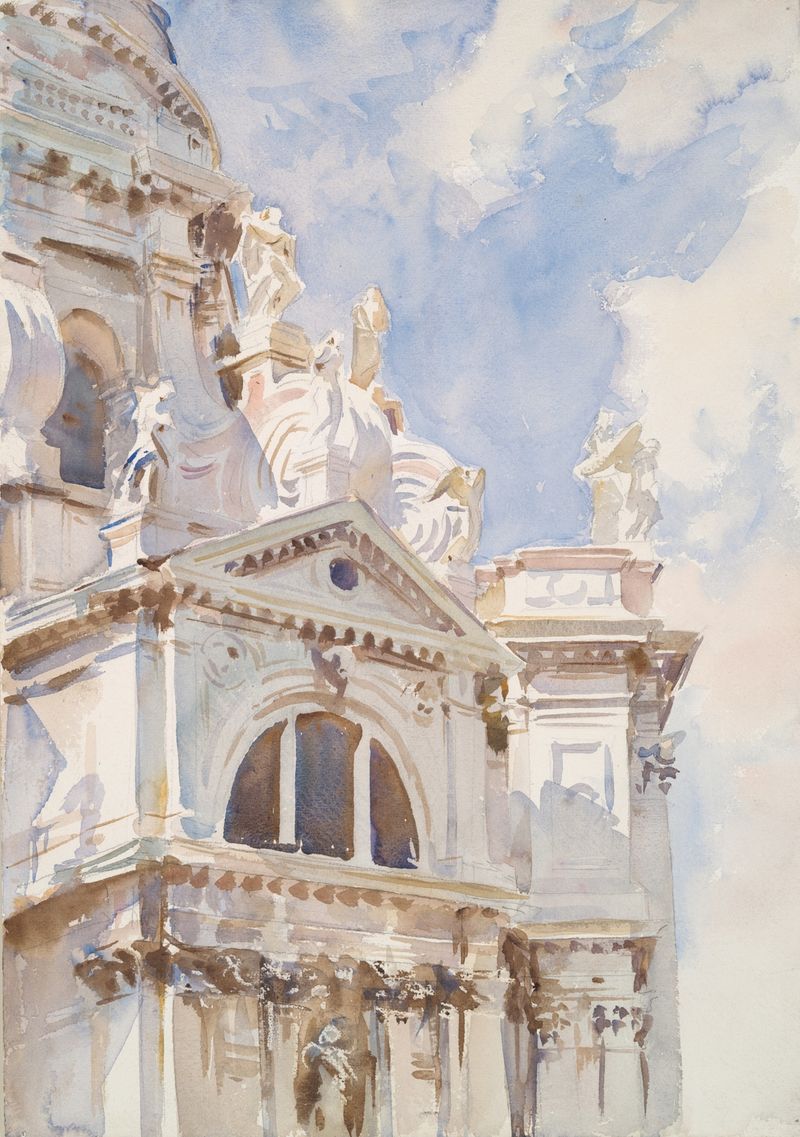
The Salute, Venice
John Singer Sargent

Mrs. Charles Deering (Marion Denison Whipple)
John Singer Sargent
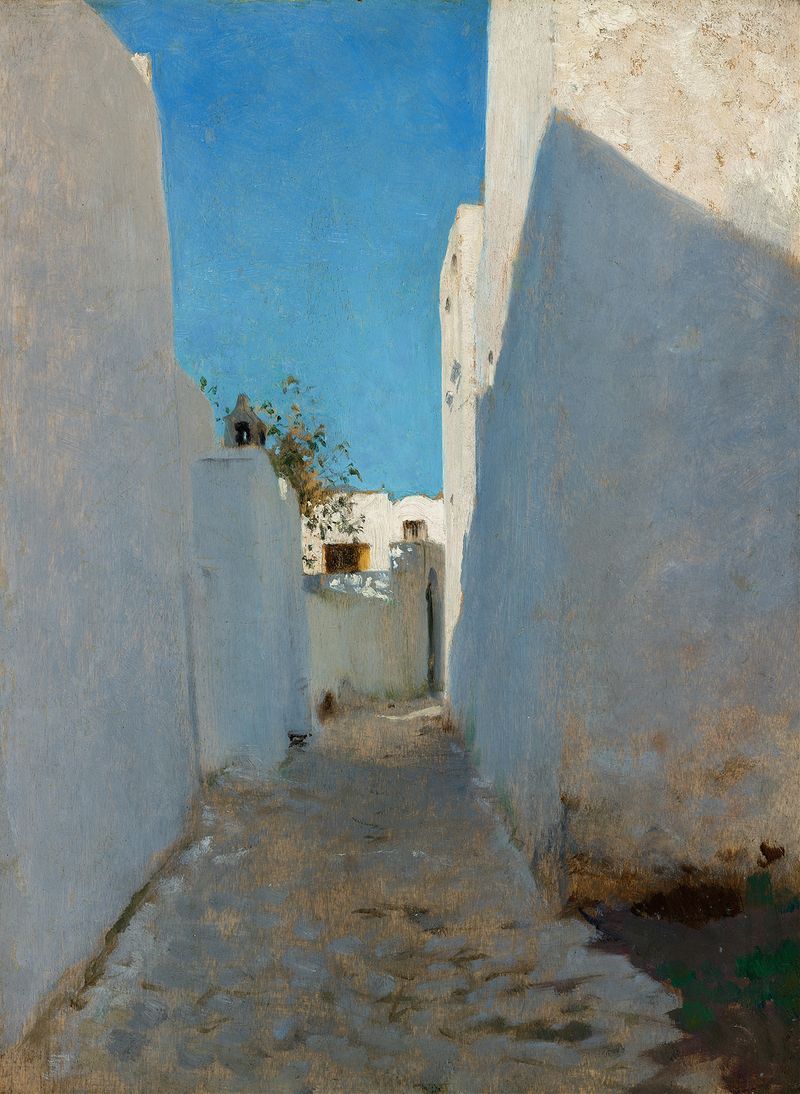
A Moroccan Street Scene
John Singer Sargent

The Salute, Venice
John Singer Sargent
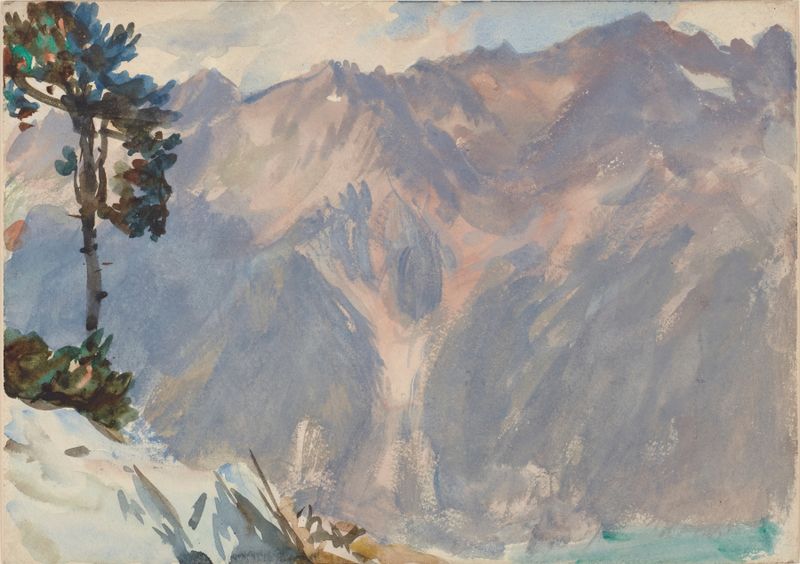
Tyrol
John Singer Sargent
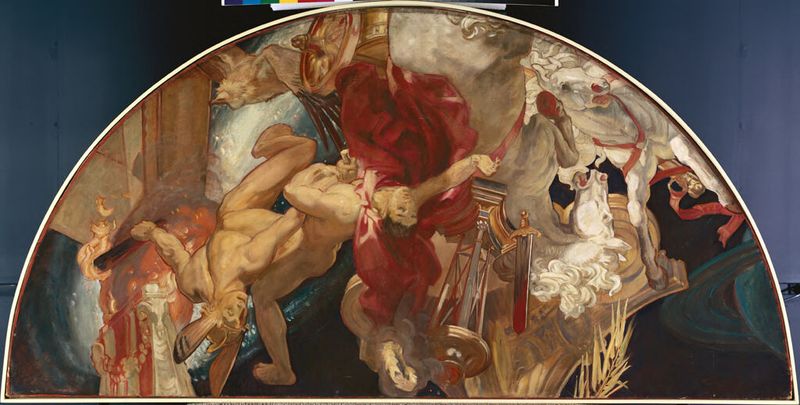
Study for "Gog and Magog," for the Boston Public Library
John Singer Sargent
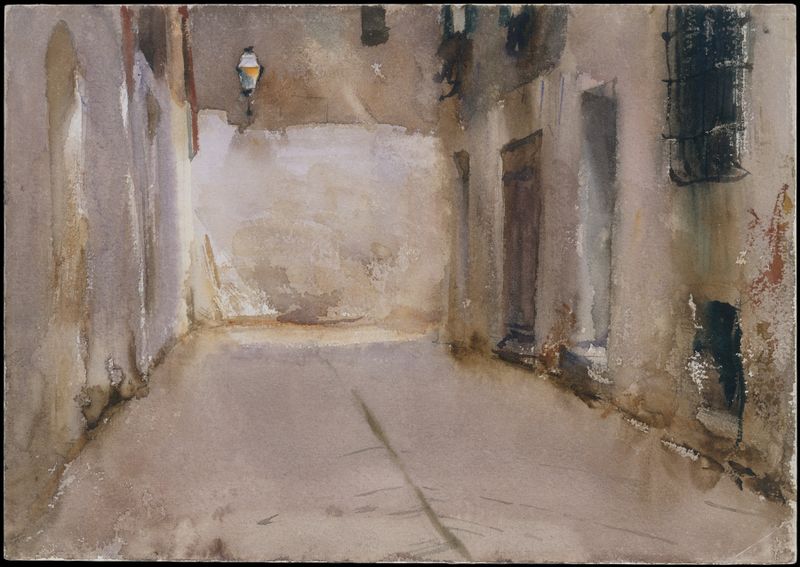
Venice
John Singer Sargent
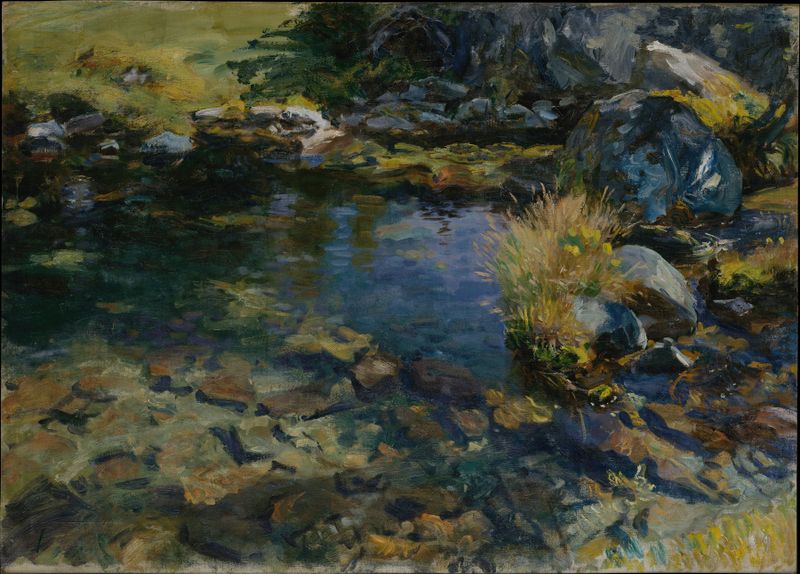
Alpine Pool
John Singer Sargent
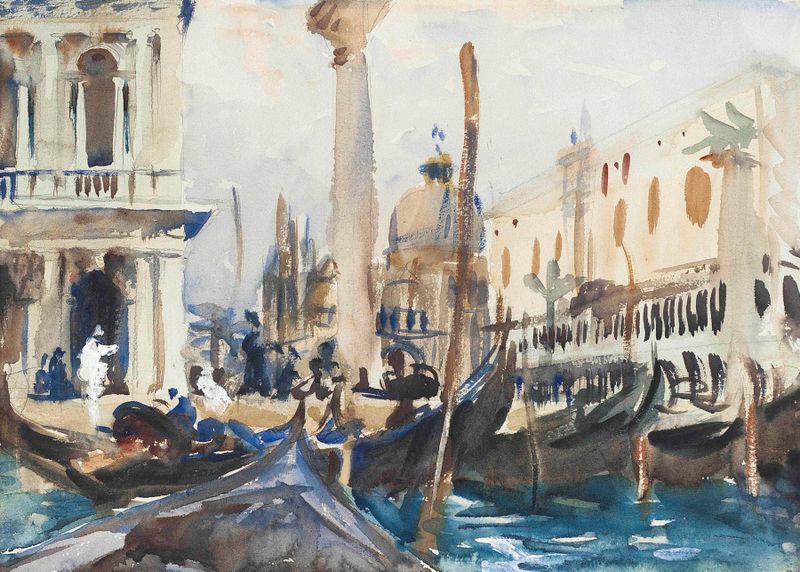
The Piazzetta with Gondolas
John Singer Sargent

The Façade of La Salute, Venice
John Singer Sargent





