
Huis Tussen Bomen — History & Facts
The balance between joy and sorrow often rests on a delicate precipice, and this painting captures that unsettling equilibrium with grace. Look to the center of the canvas, where the stately house stands, framed by towering trees that stretch upwards. The cool greens and browns of nature envelop the structure, yet the light filtering through the leaves casts dappled shadows that create a rhythm in the composition. The artist’s brushwork is meticulous, with each tree defined yet harmoniously integrated into the scene.
This careful balance of light and shadow invites viewers to navigate the space, feeling both comforted and slightly disquieted. Upon closer inspection, the interplay of natural elements reveals deeper tensions. The house, a symbol of domesticity and stability, is slightly off-center, suggesting a sense of unease within its otherwise serene setting. The vibrant foliage, while beautiful, conceals the secrets that lie beneath; it speaks to the chaos of life that often lurks behind idyllic facades.
The contrasting colors — the earthy tones of the ground against the vivid greens above — echo a struggle for balance between the security of home and the wild unpredictability of nature. Lodewijk Schelfhout painted Huis Tussen Bomen in 1913, during a time of great change in the art world as well as in society. The early 20th century was marked by a shift towards modernism, yet Schelfhout remained anchored in a more traditional landscape approach. Living in the Netherlands, he found inspiration in the beauty of his surroundings, reflecting the complexities of life in a world on the brink of upheaval.
More Artworks by Lodewijk Schelfhout
Browse all →
Hollands landschap met boerderij en weiland
Lodewijk Schelfhout
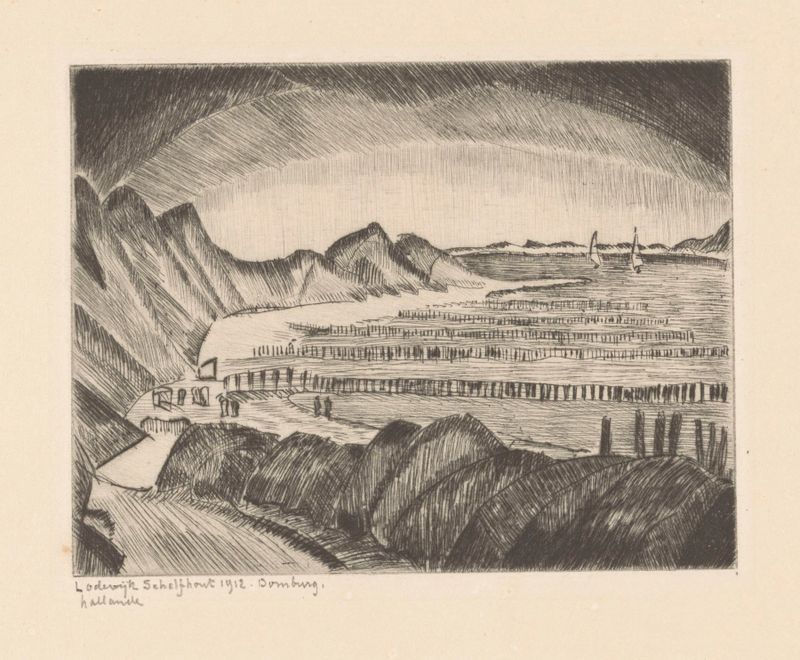
Strand van Domburg Plage de Dombourg
Lodewijk Schelfhout
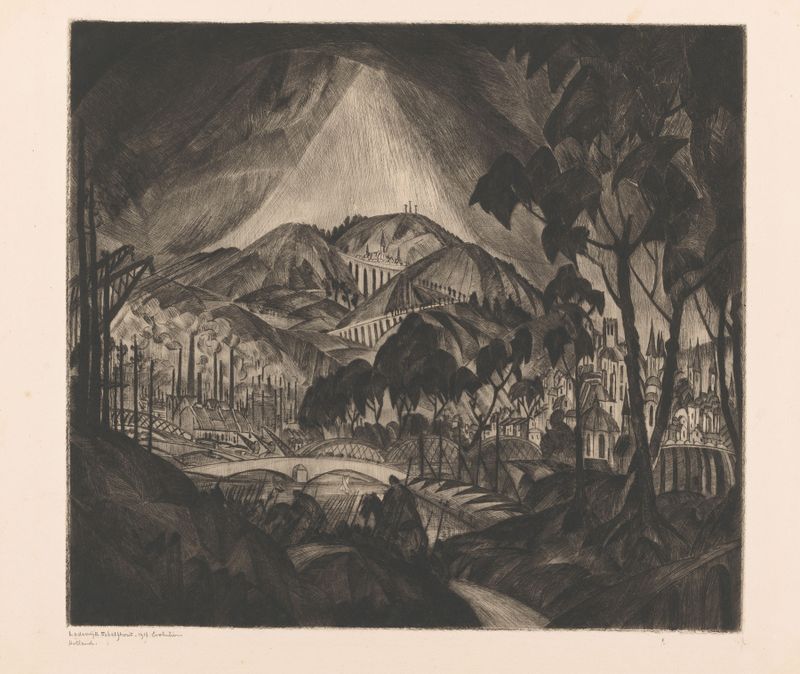
Heuvellandschap met industrie
Lodewijk Schelfhout
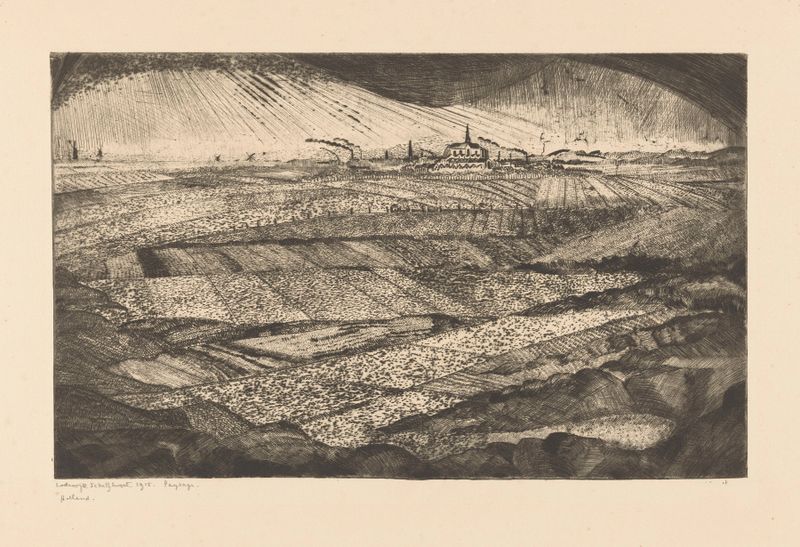
Paysage
Lodewijk Schelfhout
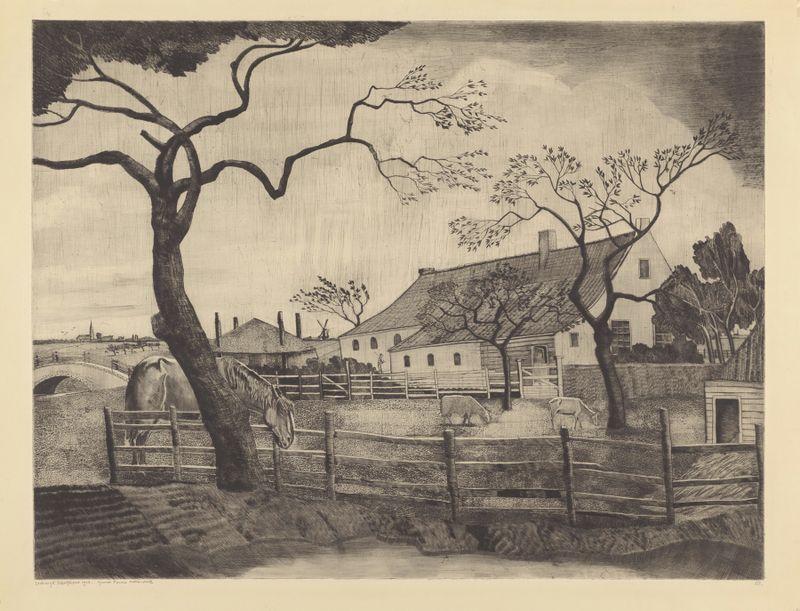
Boerderij met vee in Holland
Lodewijk Schelfhout
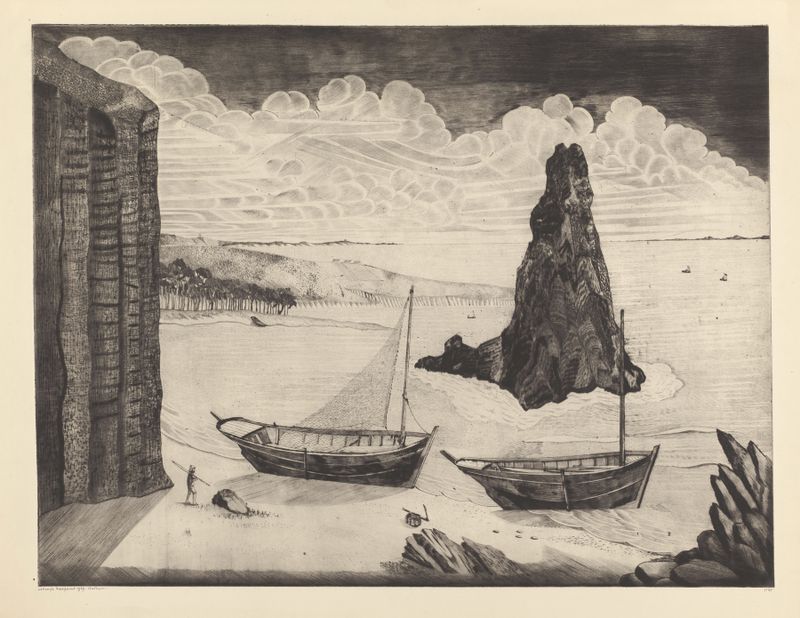
Twee afgemeerde schepen op een strand
Lodewijk Schelfhout
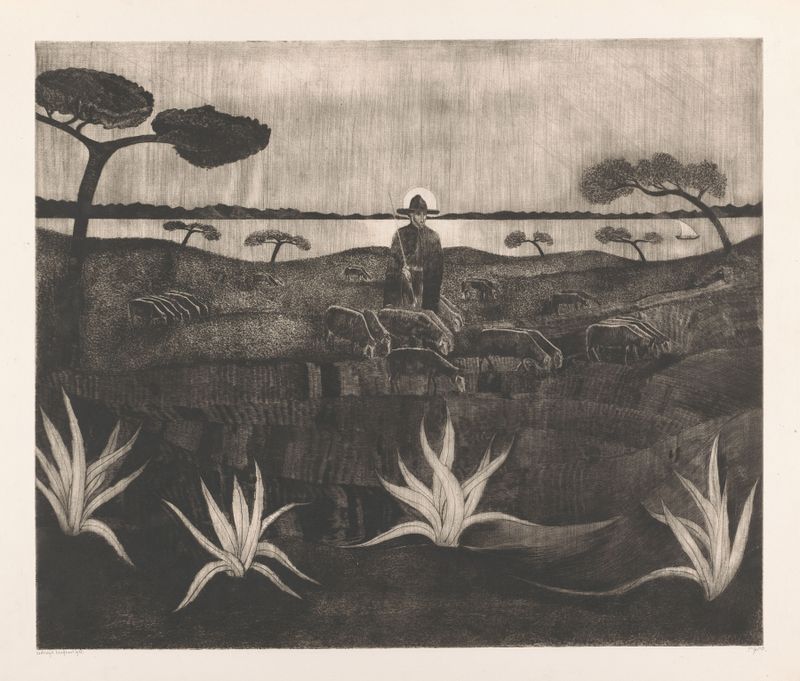
Herder met een kudde schapen in een heuvellandschap
Lodewijk Schelfhout
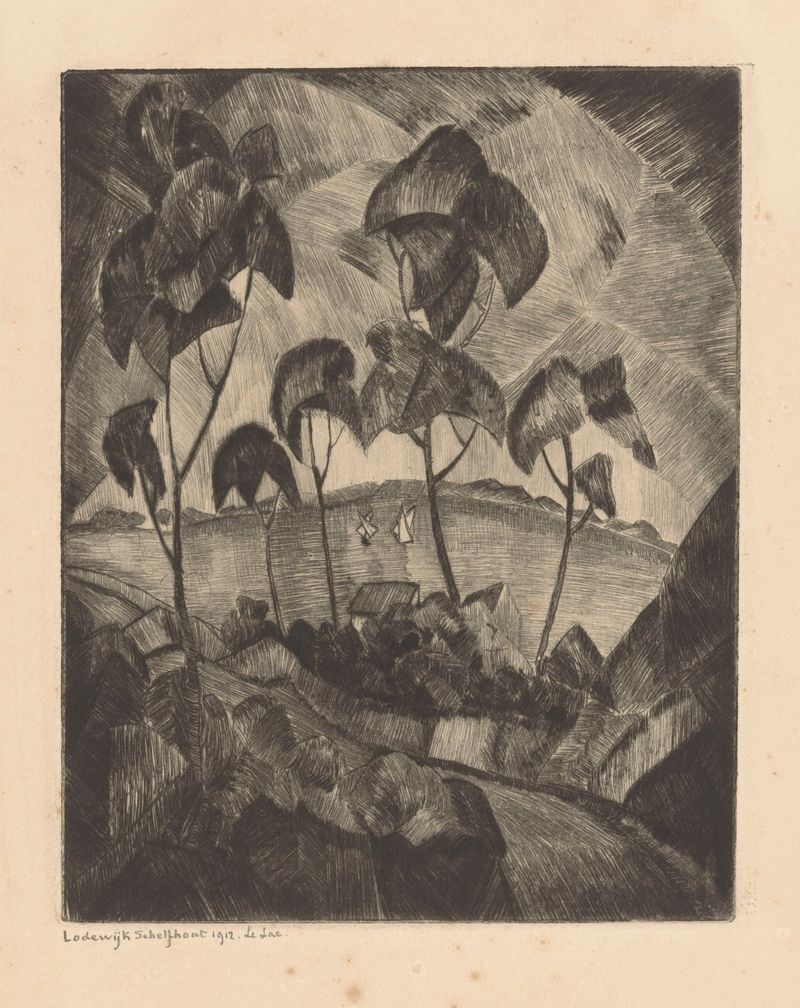
Meer in een heuvellandschap Le Lac
Lodewijk Schelfhout

Heuvellandschap met sparren
Lodewijk Schelfhout

Berglandschap met aquaduct L’Aqueduc
Lodewijk Schelfhout
More Architecture Art
Browse all →
The statue of Liberty
Frédéric Auguste Bartholdi

View of Houses in Delft, Known as ‘The Little Street’
Johannes Vermeer

View of Houses in Delft, Known as ‘The Little Street’
Johannes Vermeer

The Cathedral in Rouen. The portal, Grey Weather
Claude Monet

The yellow house
Vincent van Gogh

The Church in Auvers-sur-Oise, View from the Chevet
Vincent van Gogh