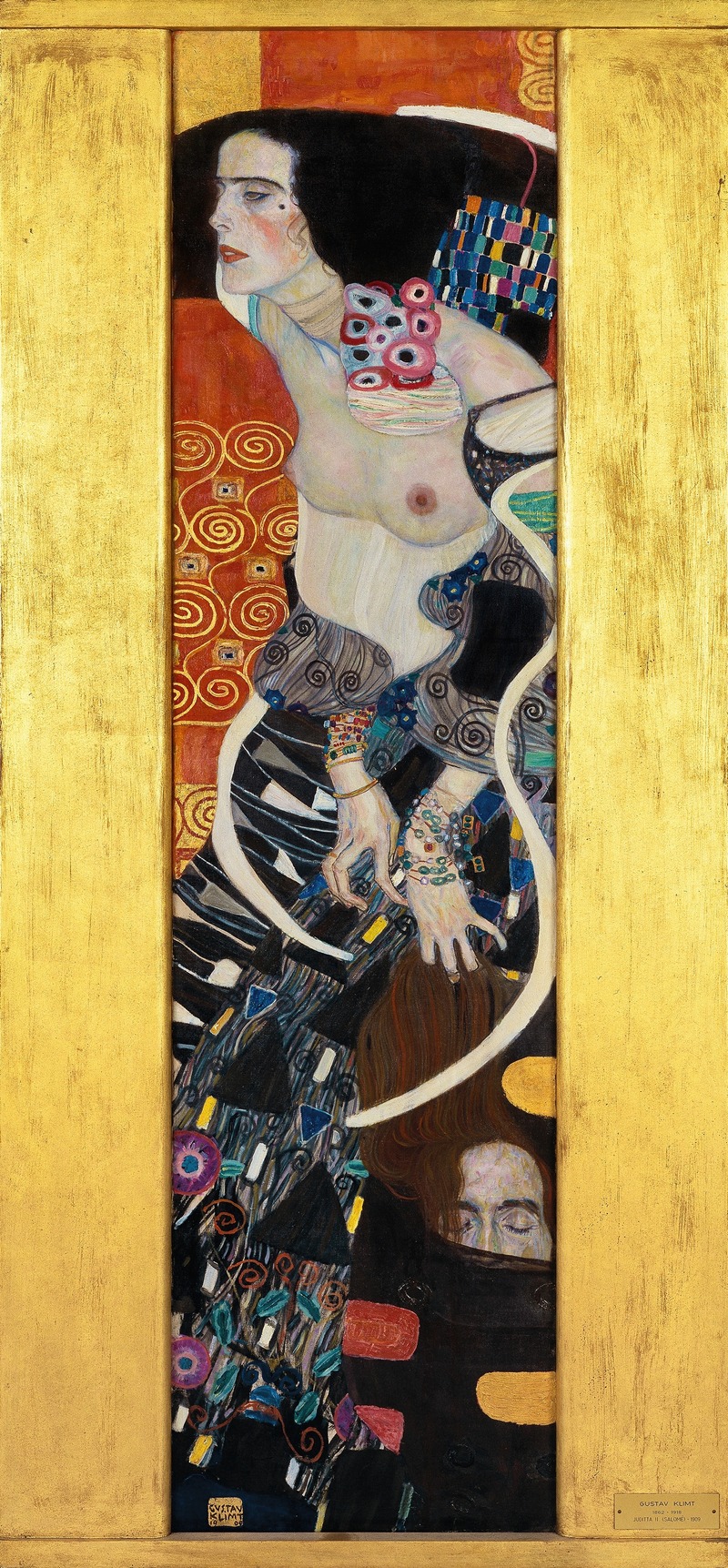
Discover insights about this artwork
Human Sorrow (Miseres humaines) — History & Facts
In Human Sorrow (Miseres humaines), Paul Gauguin presents a somber scene filled with deep emotion. The painting features figures that express grief and despair, surrounded by a dark, muted palette. Rich reds, deep blues, and earthy tones dominate the composition, enhancing the feeling of sorrow.
The figures are often depicted in a stylized manner, characteristic of Gauguin's unique approach to form and color. The painting is executed in oil on canvas, a medium that allows for rich textures and vibrant colors. Gauguin's brushwork is expressive, with visible strokes that convey movement and emotion. The dimensions are approximately 90 x 70 cm, making it a sizeable work that draws viewers in.
The use of color contrasts and bold outlines is typical of Gauguin's Post-Impressionist style. Paul Gauguin created this work during a period of exploration into human emotion and spirituality. 'Human Sorrow' reflects his interest in the darker aspects of life, influenced by his experiences in Tahiti and his desire to express deeper truths. An interesting fact about this painting is that it was inspired by Gauguin's own struggles with personal loss and existential questions.
This work stands as a testament to his ability to convey complex feelings through visual art.
More Artworks by Paul Gauguin
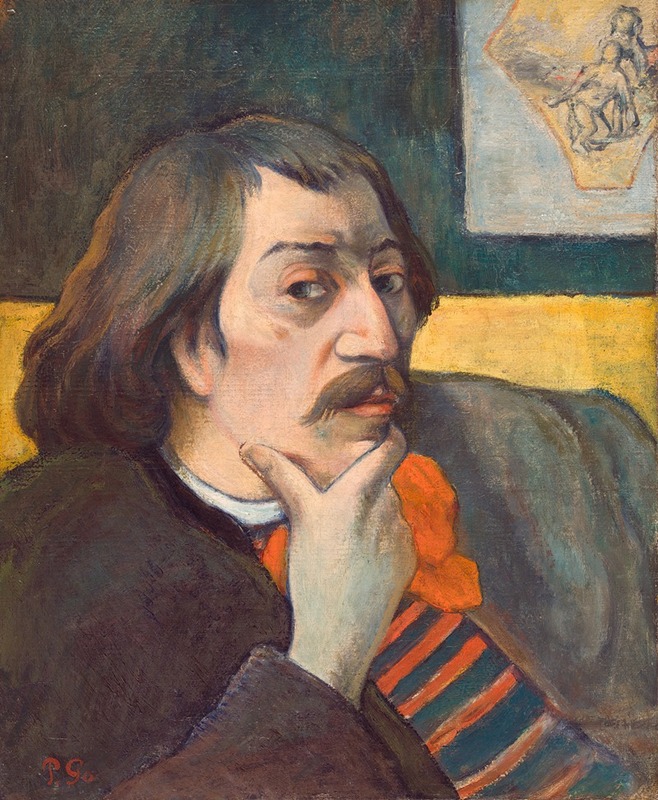
Self Portrait
Paul Gauguin
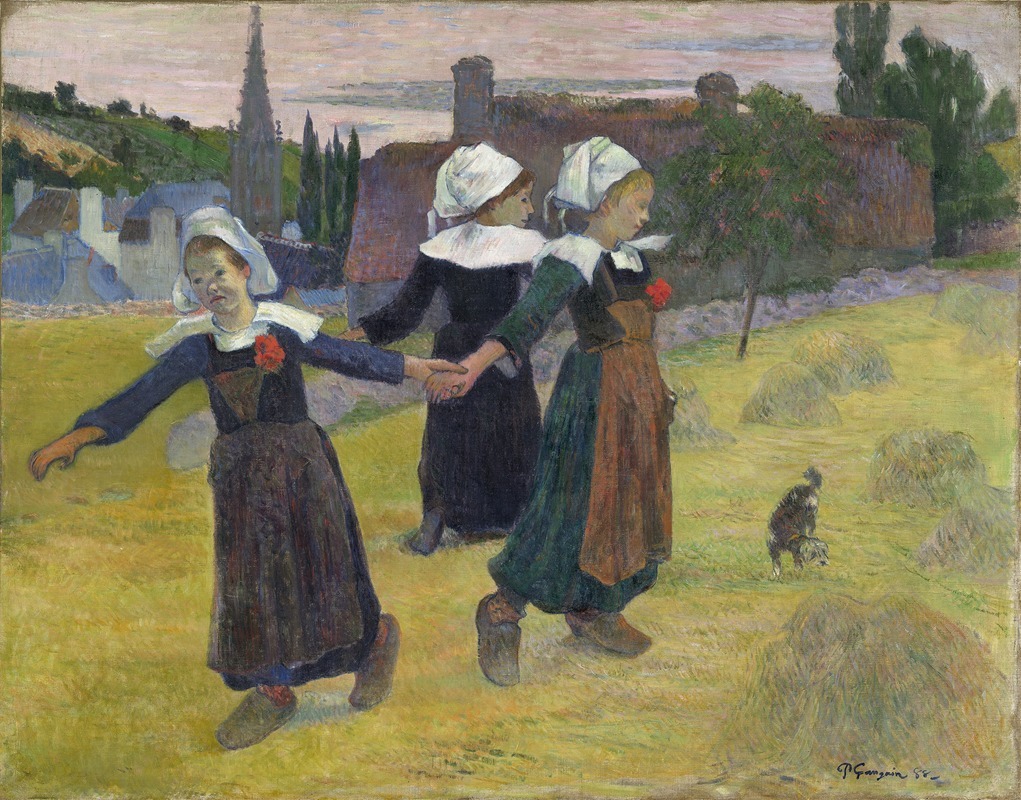
Breton Girls Dancing,Pont-Aven
Paul Gauguin
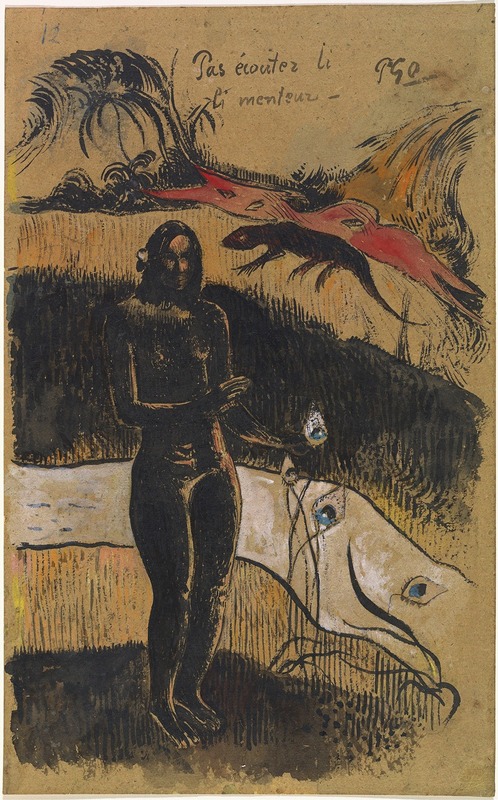
Nave Nave Fenua
Paul Gauguin
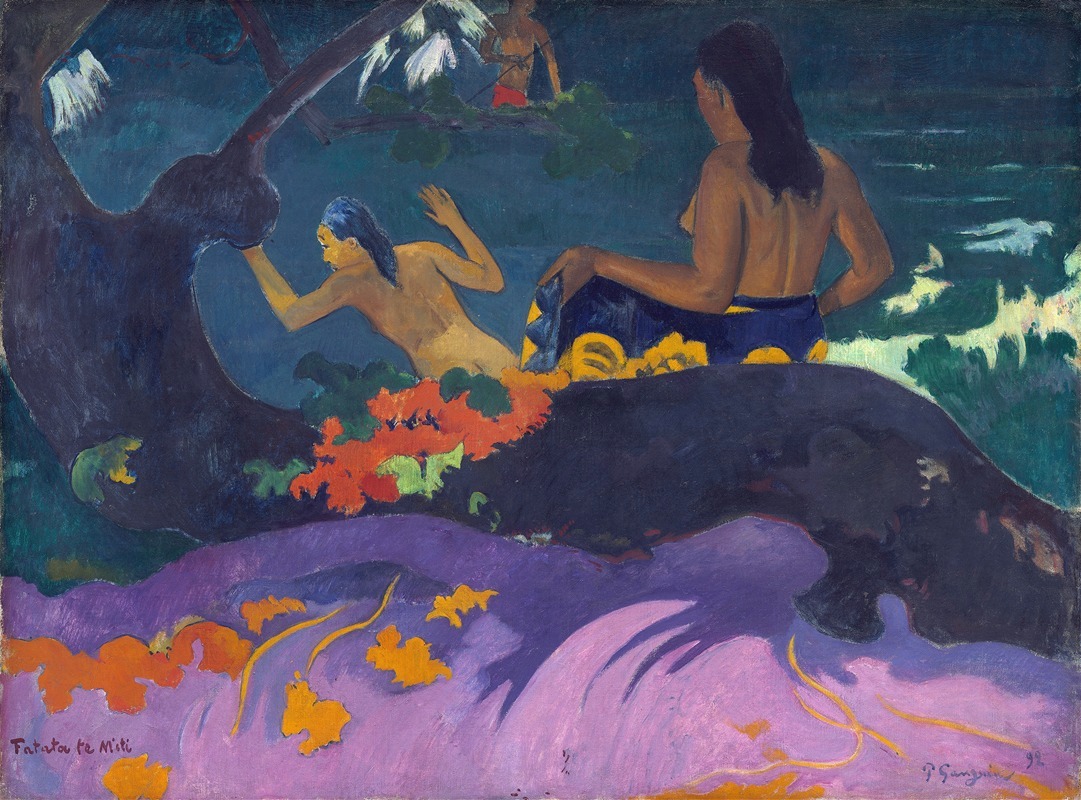
Fatata te Miti (By the Sea)
Paul Gauguin
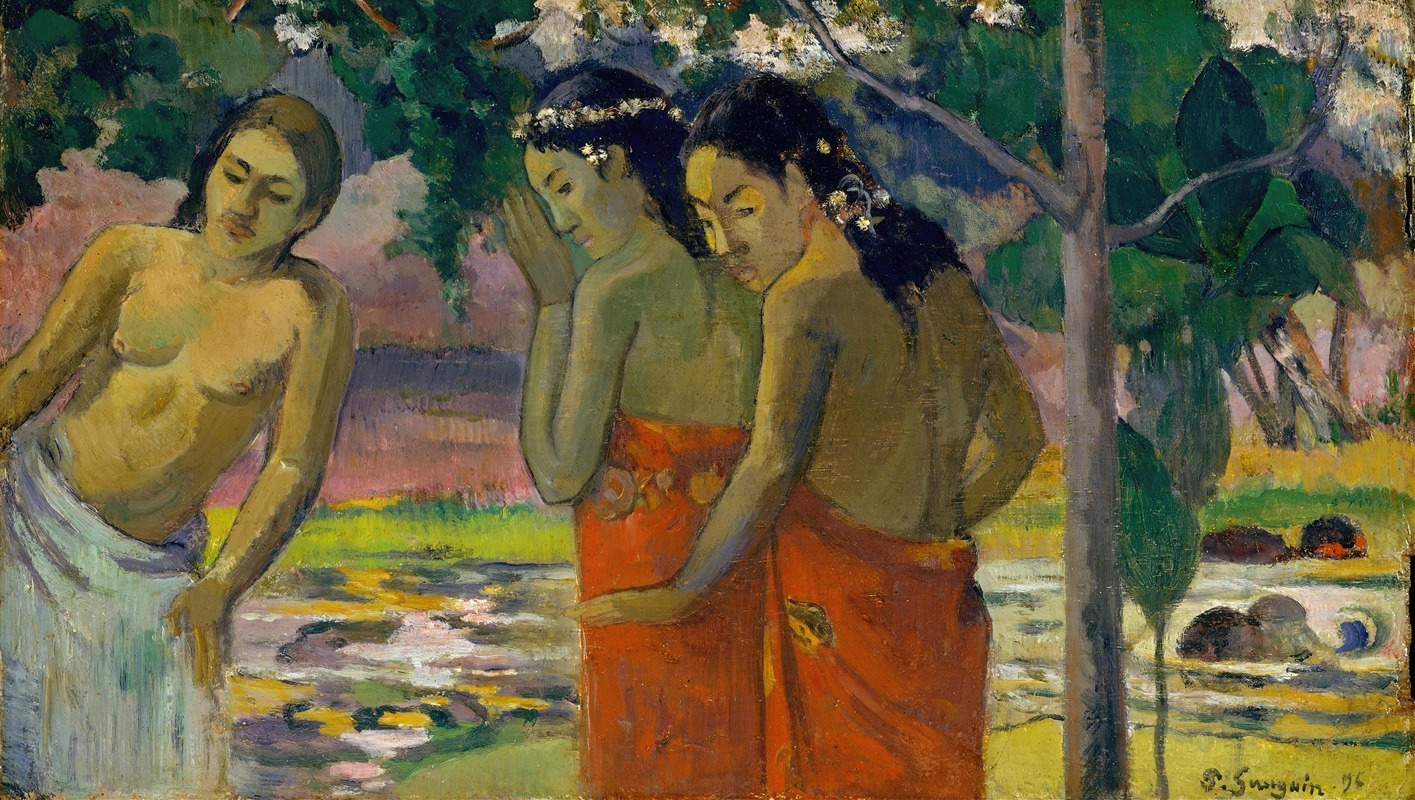
Three Tahitian Women
Paul Gauguin
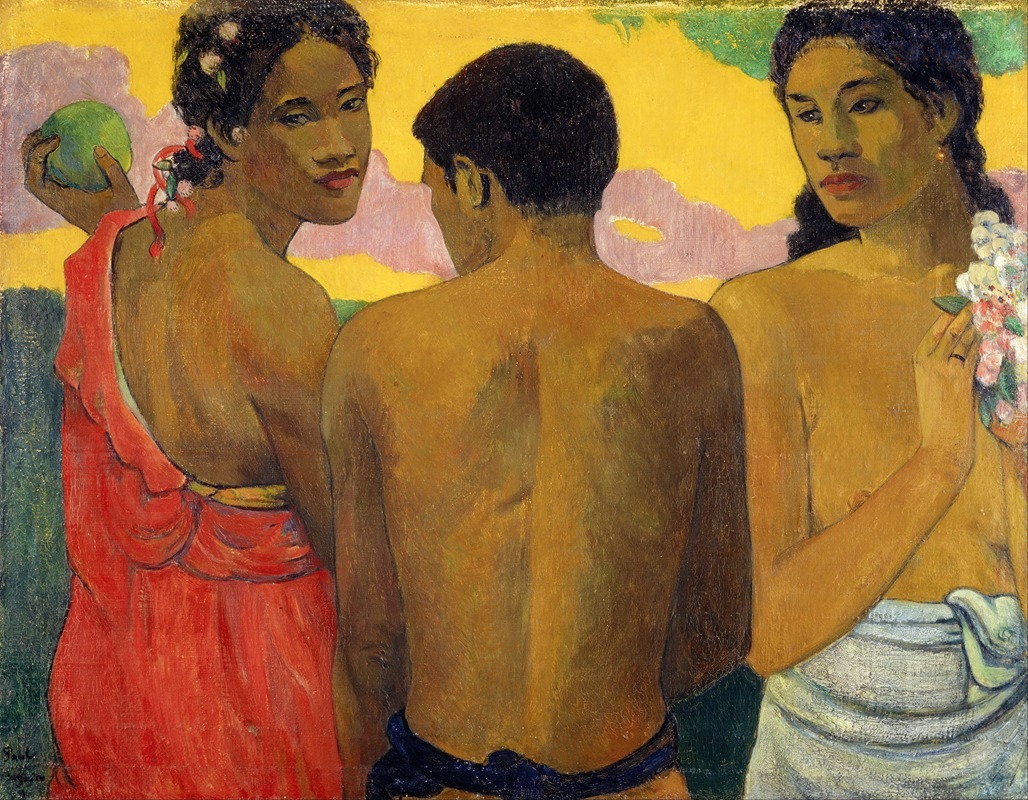
Three Tahitians
Paul Gauguin
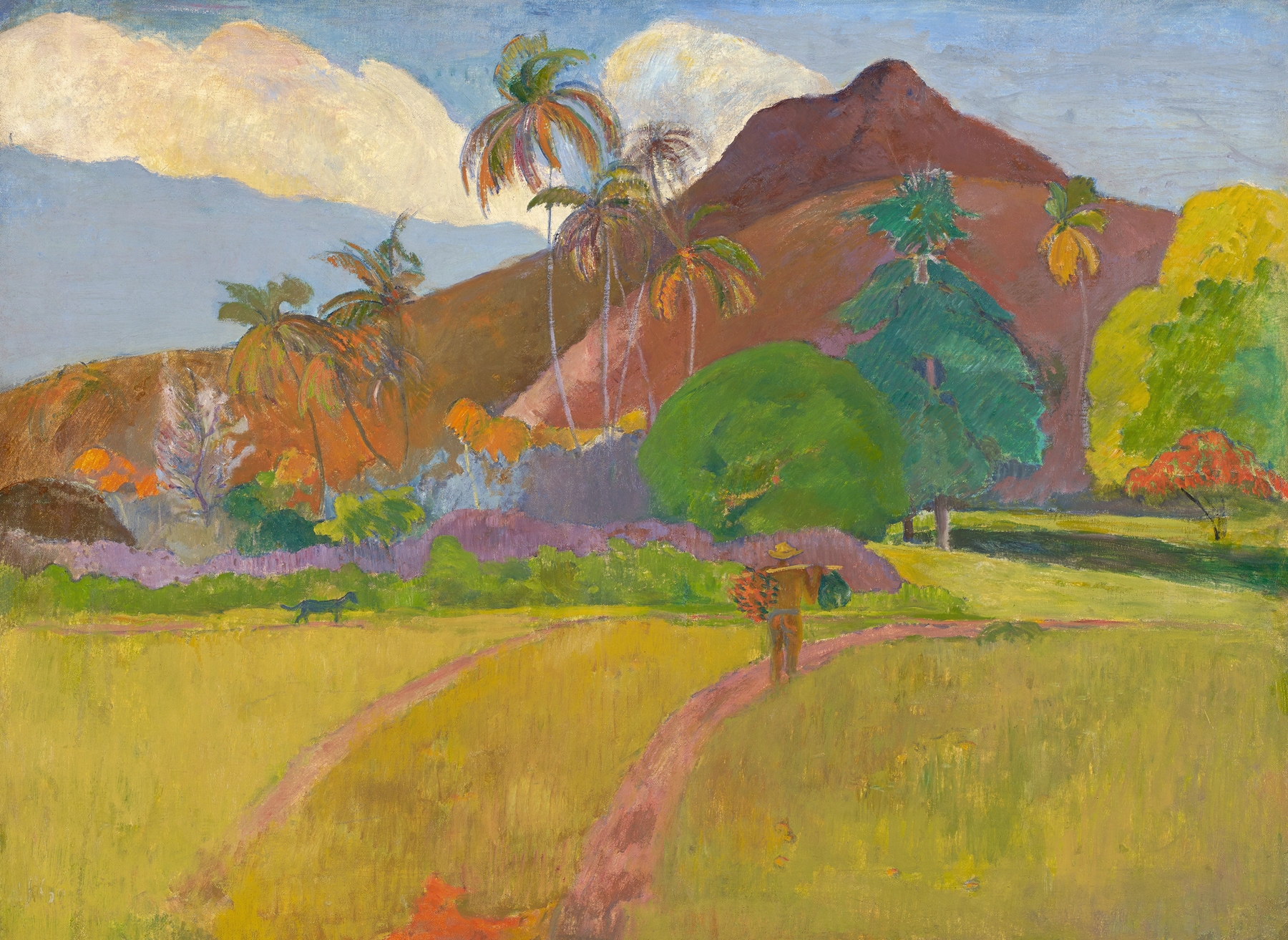
Tahitian Landscape
Paul Gauguin
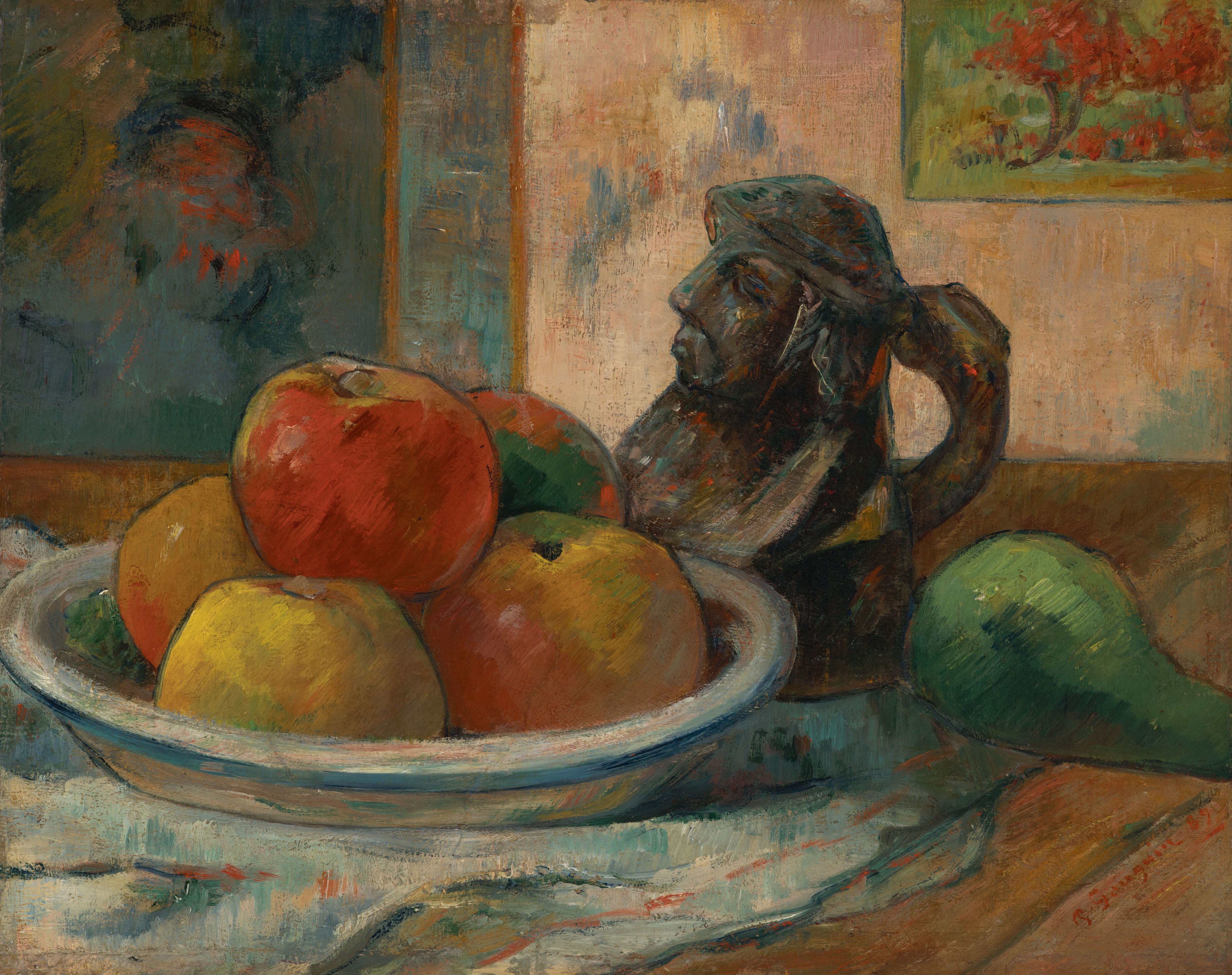
Still Life with Apples, a Pear, and a Ceramic Portrait Jug
Paul Gauguin
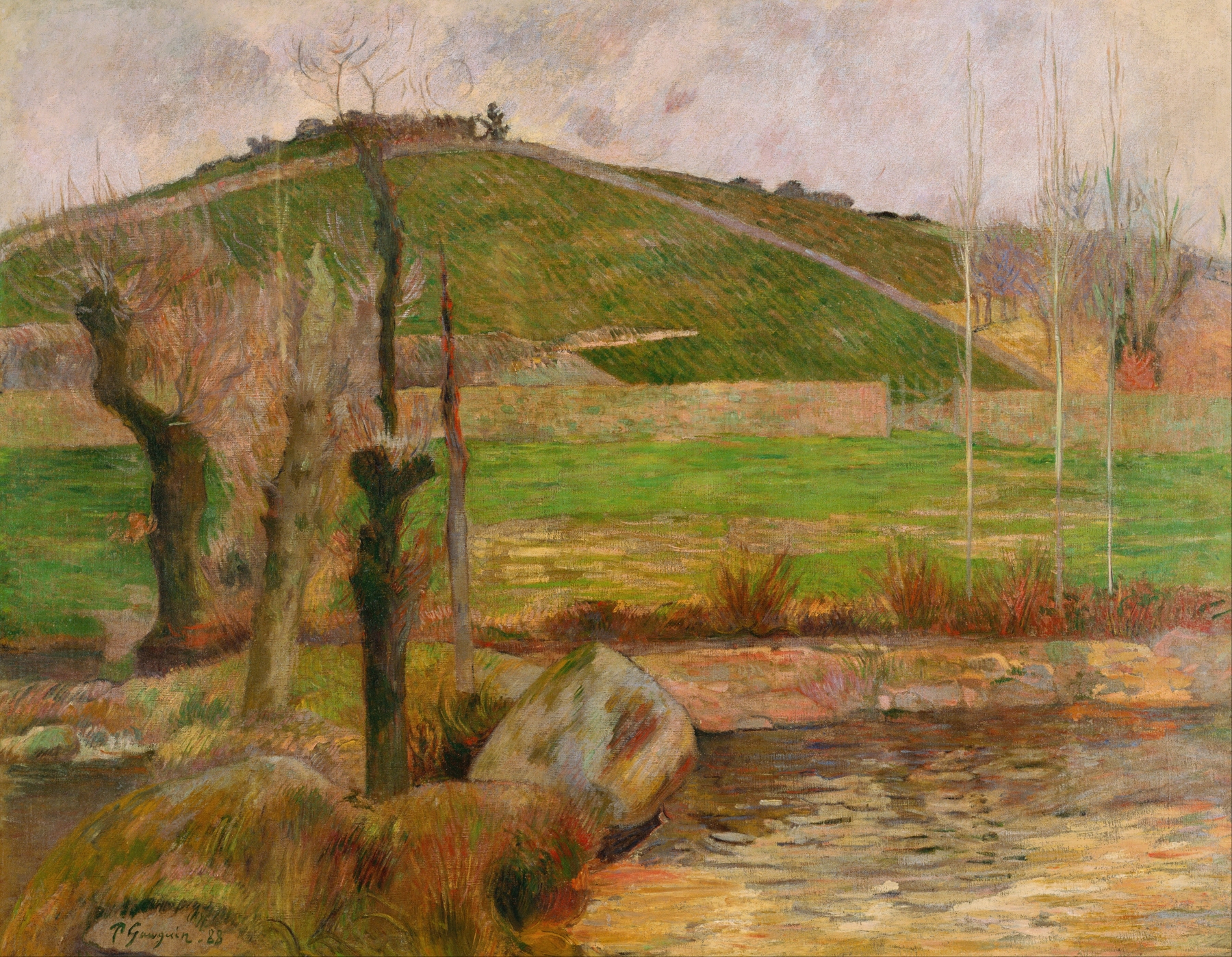
Landscape near Pont-Aven
Paul Gauguin

No te aha oe riri (Why Are You Angry?)
Paul Gauguin