
Icebound Brook — History & Facts
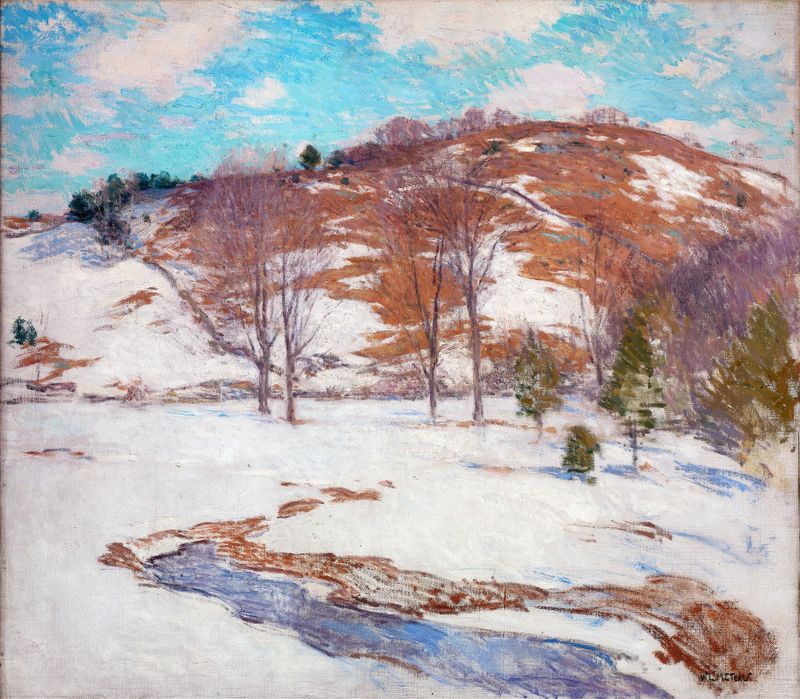
In Willard Leroy Metcalf's Icebound Brook, the transformative power of creation is laid bare, inviting the viewer to contemplate the intricate interplay of nature and artistry. Begin by focusing on the deep blues and whites that dominate the canvas. Notice how they swirl and merge, evoking the chill of winter air, while flecks of ochre break through, hinting at hidden warmth beneath the frost. The brook winds through the scene with a gentle, yet determined presence, drawing your eye along its icy path.
Each brushstroke captures the delicate balance of serenity and the tumult of a frozen landscape, revealing the artist's deft command over color and texture. Within this tranquil yet tumultuous setting lies a profound contrast between life and stillness. The frozen surface of the brook signifies a moment of pause, yet the flowing water beneath suggests an undying current of creativity waiting to burst forth. Shadows play upon the snow, hinting at movement and life, while the thick brushwork conveys the raw power of nature that remains just underneath the surface.
Metcalf's ability to balance these dichotomies evokes a sense of anticipation, as if the scene itself is caught in a moment just before transformation. In 1922, Metcalf captured this scene during a period of personal and artistic exploration, painting predominantly in his New Hampshire studio. This era was marked by a revival of interest in American Impressionism, where artists sought to embrace the American landscape with renewed vigor and authenticity. As the world began to emerge from the shadows of the Great War, Metcalf's work reflects both a search for solace and a celebration of the beauty that persists in nature, despite the harshness of winter.
More Artworks by Willard Leroy Metcalf
Browse all →
Indian Summer, Vermont
Willard Leroy Metcalf
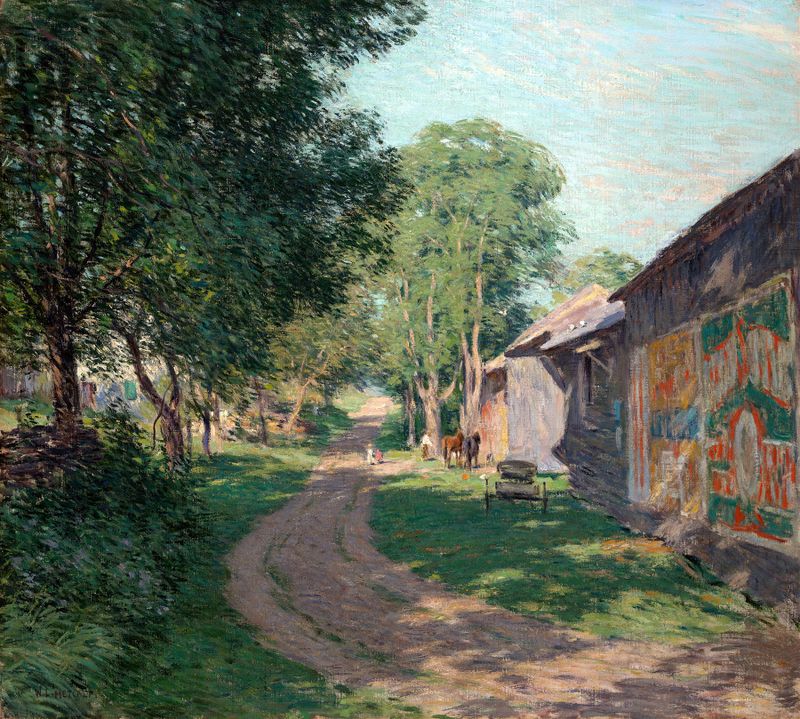
Midsummer Shadows
Willard Leroy Metcalf
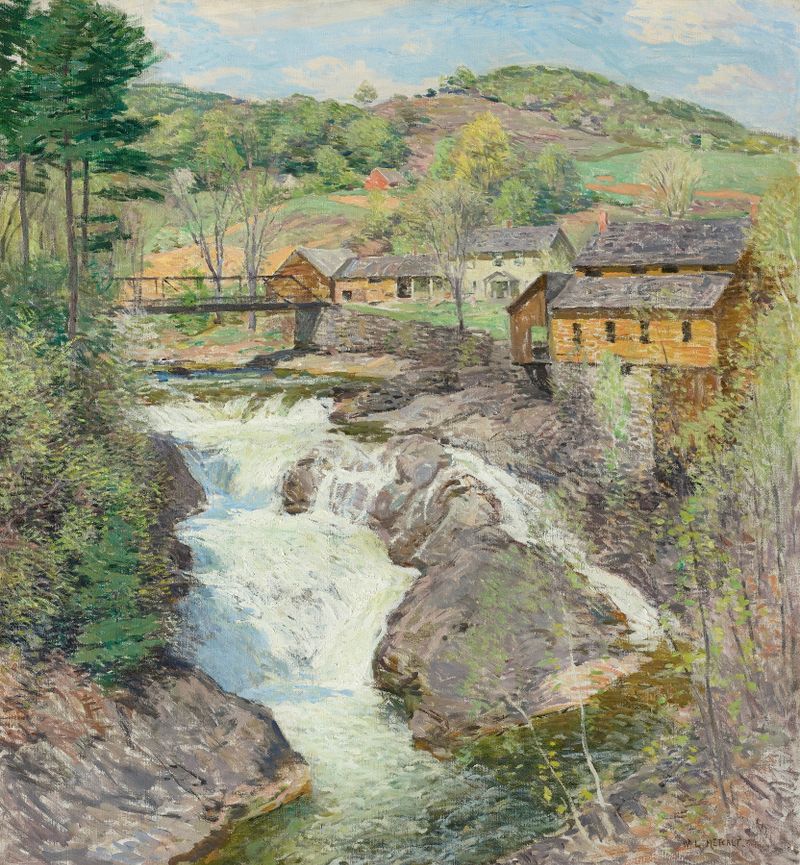
The Falls
Willard Leroy Metcalf
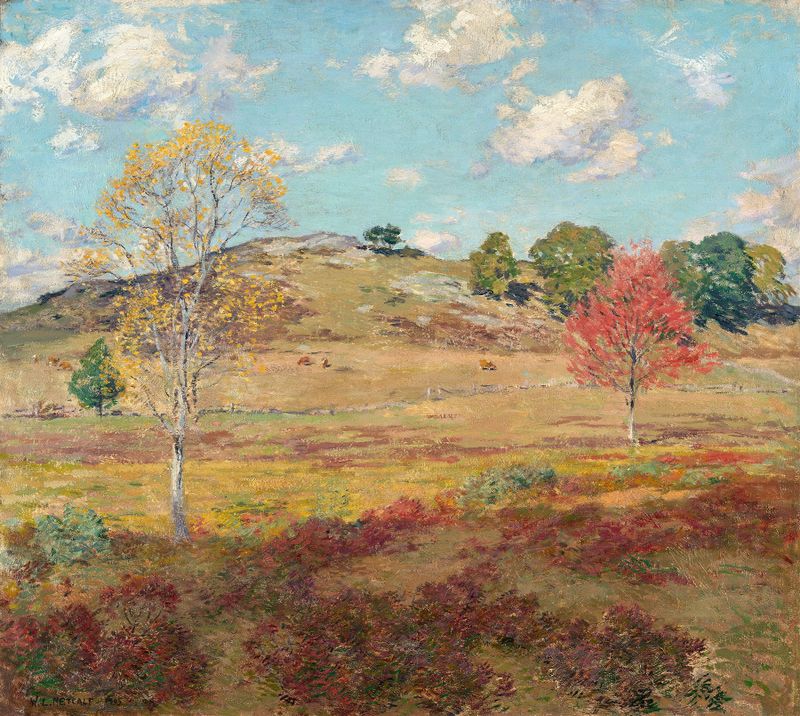
Early Autumn
Willard Leroy Metcalf
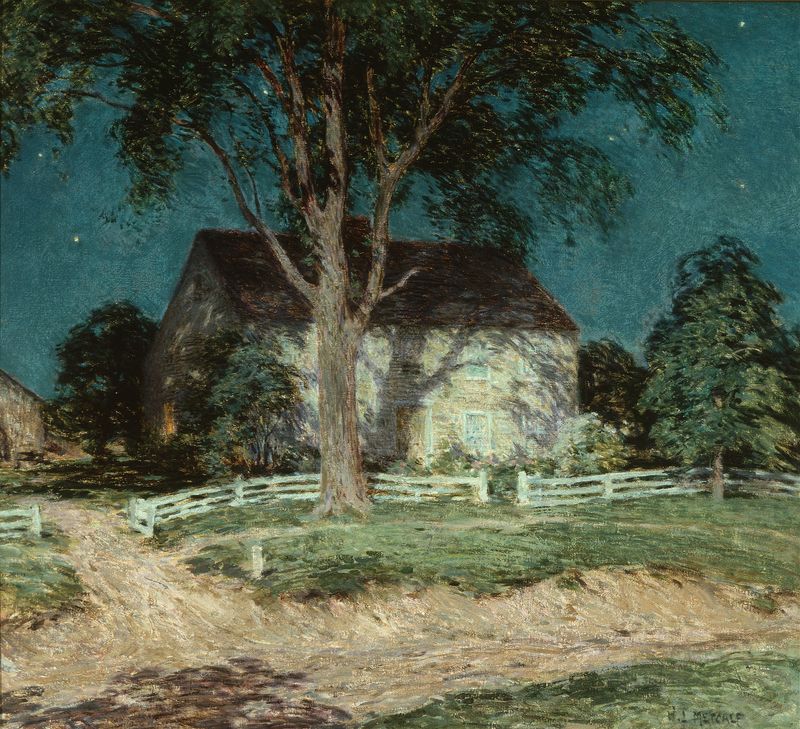
Old Homestead Connecticut
Willard Leroy Metcalf
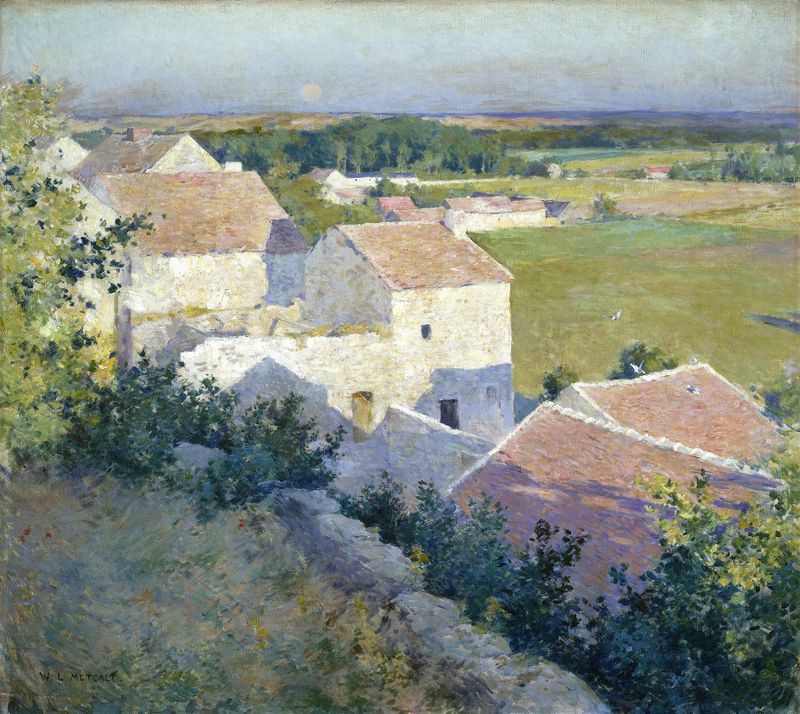
Midsummer Twilight
Willard Leroy Metcalf
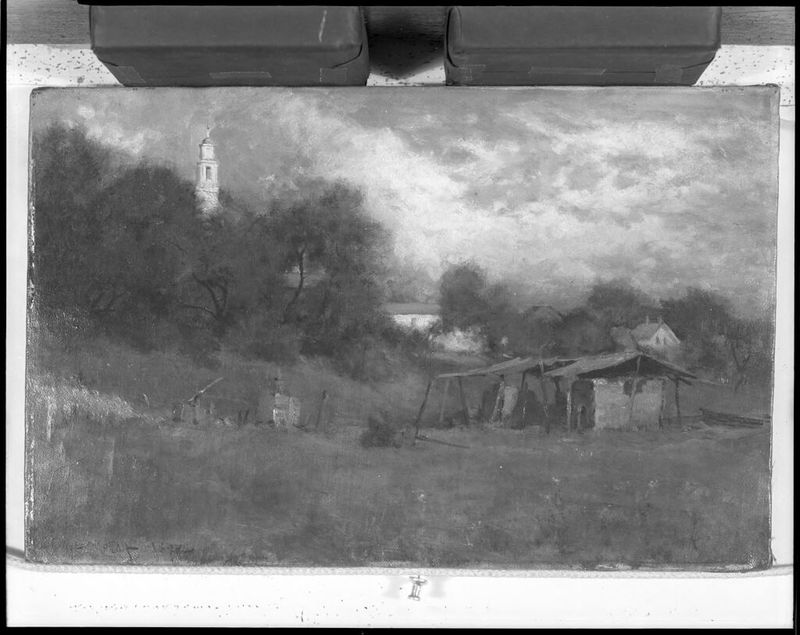
Landscape with Church Steeple
Willard Leroy Metcalf
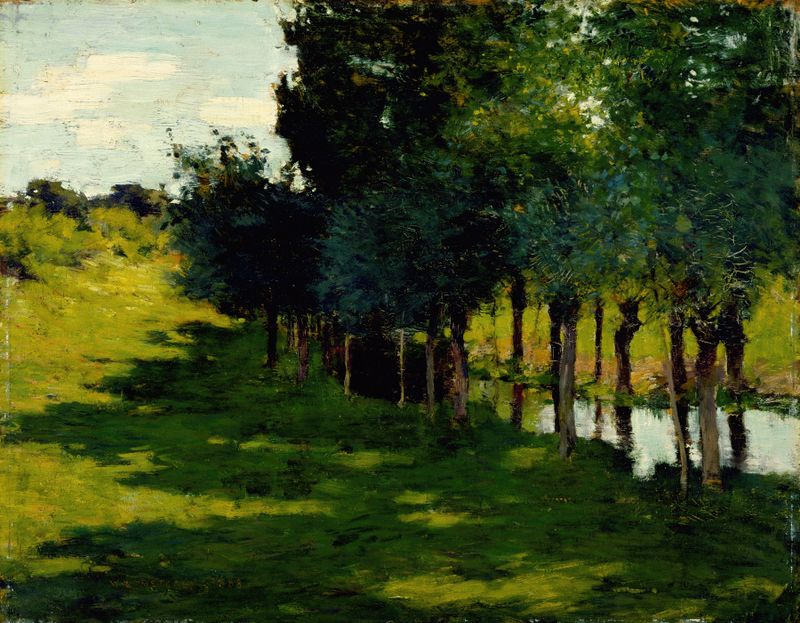
Sunlight and Shadow
Willard Leroy Metcalf
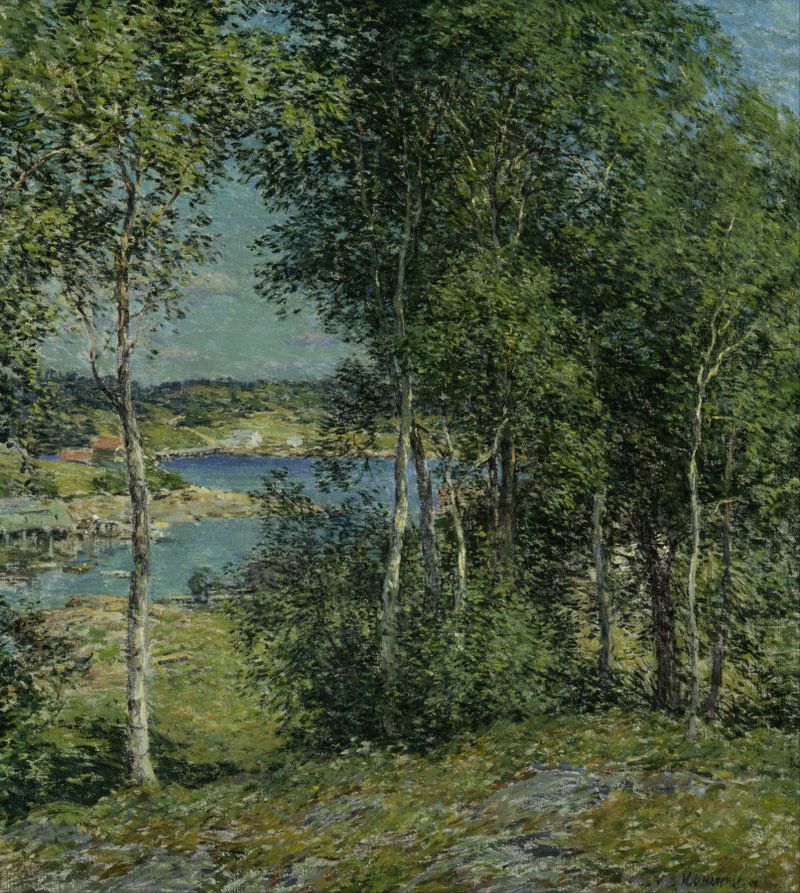
A Family of Birches
Willard Leroy Metcalf
Snow in the Foothills
Willard Leroy Metcalf





