
Midsummer Shadows — History & Facts
Each stroke holds the promise of transcendence, inviting us to witness a sliver of divine beauty in the ordinary. Look to the center of Midsummer Shadows, where dappled sunlight dances through a canopy of verdant leaves, casting intricate patterns on the ground below. The rich greens and soft earth tones envelop the viewer, drawing attention to the delicate interplay of light and shadow. Notice how the artist meticulously captures the fleeting moment when nature breathes—a testament to the ephemeral beauty of summer. As you explore further, observe the contrast between light and dark; it symbolizes the duality of existence.
The vibrant foliage represents life’s exuberance, while the deeper shadows hint at the mysteries lurking just beyond sight. These elements create a palpable tension, evoking feelings of serenity intertwined with an undercurrent of longing. Every glimmer of sunlight seems to whisper secrets of a deeper connection to the divine. In 1911, Metcalf painted this work during a transformative period in American art, when Impressionism was becoming a dominant force.
Based in the lush landscapes of New England, he immersed himself in nature's beauty, influenced by both the French masters and the burgeoning American style. This painting reflects his desire to capture fleeting moments, revealing not just the physical landscape, but the spiritual essence that lies within it.
More Artworks by Willard Leroy Metcalf
Browse all →
Indian Summer, Vermont
Willard Leroy Metcalf
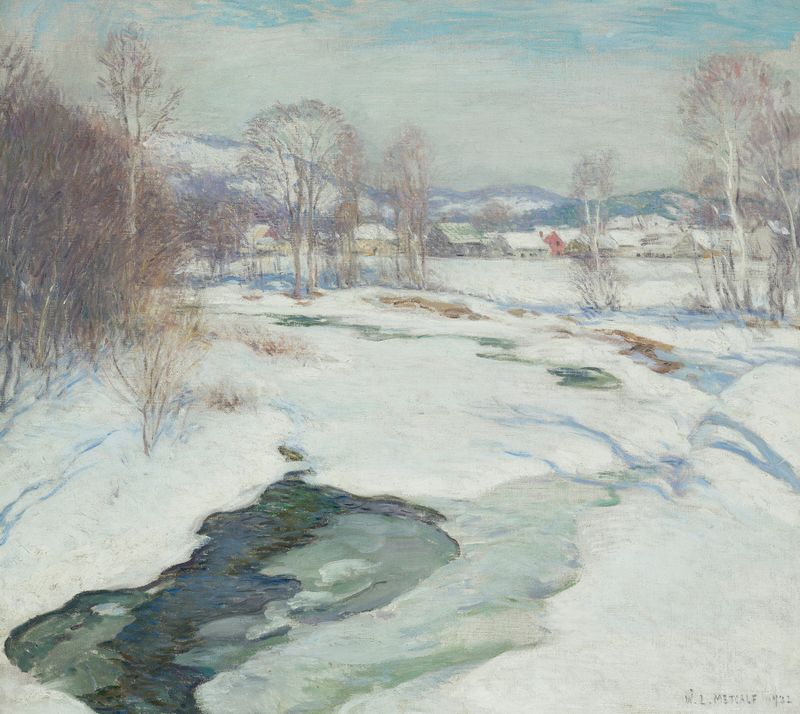
Icebound Brook
Willard Leroy Metcalf
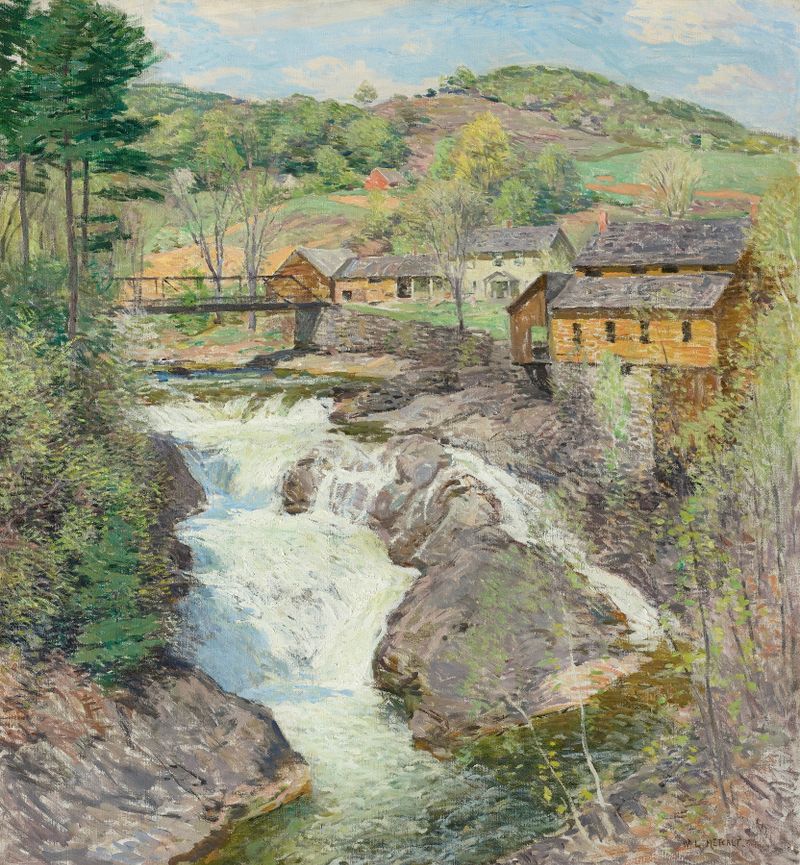
The Falls
Willard Leroy Metcalf
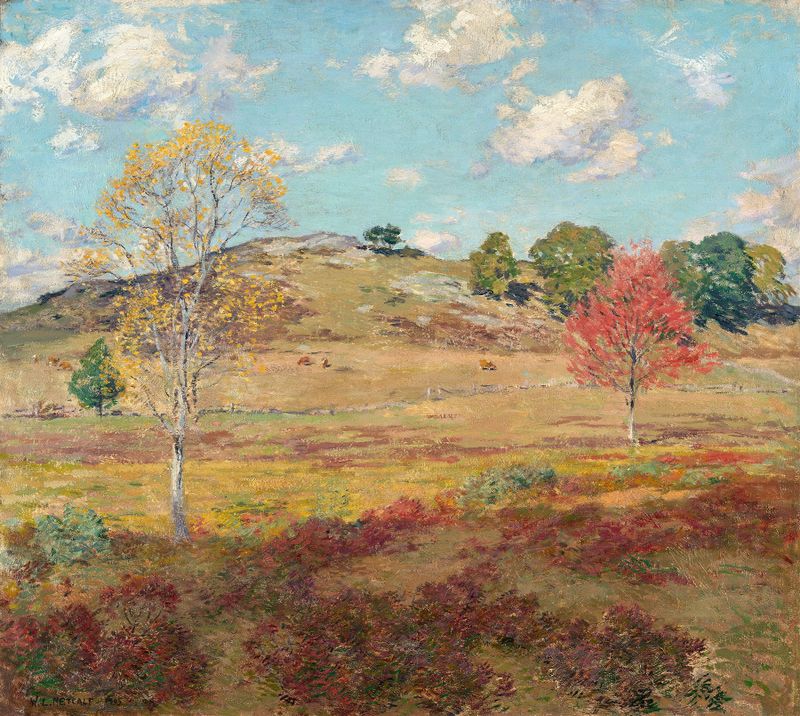
Early Autumn
Willard Leroy Metcalf
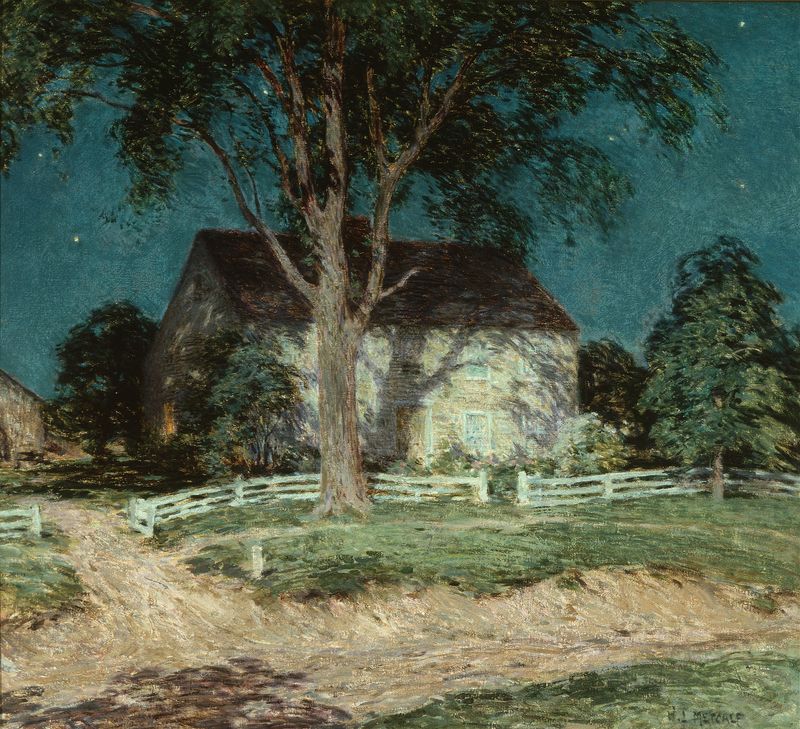
Old Homestead Connecticut
Willard Leroy Metcalf
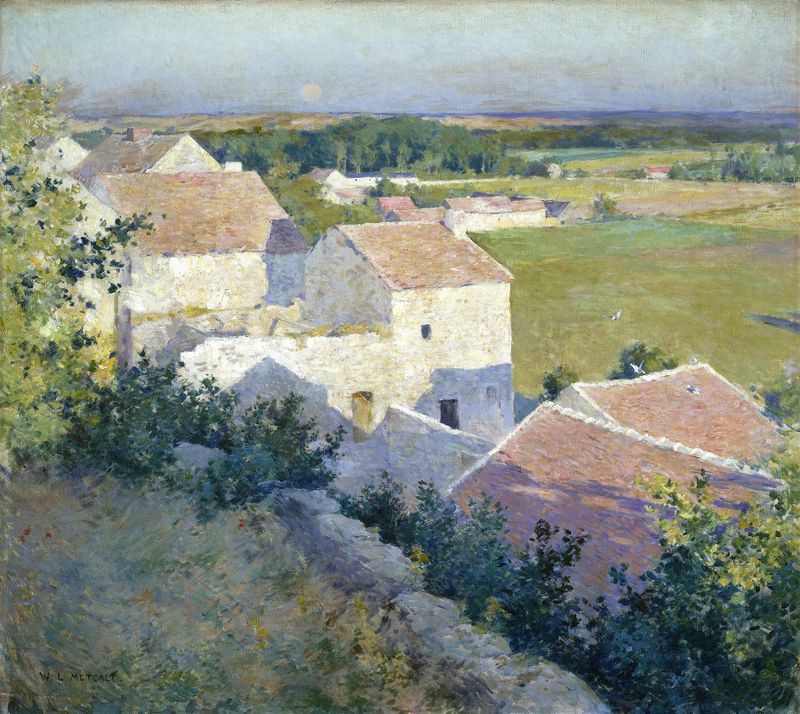
Midsummer Twilight
Willard Leroy Metcalf
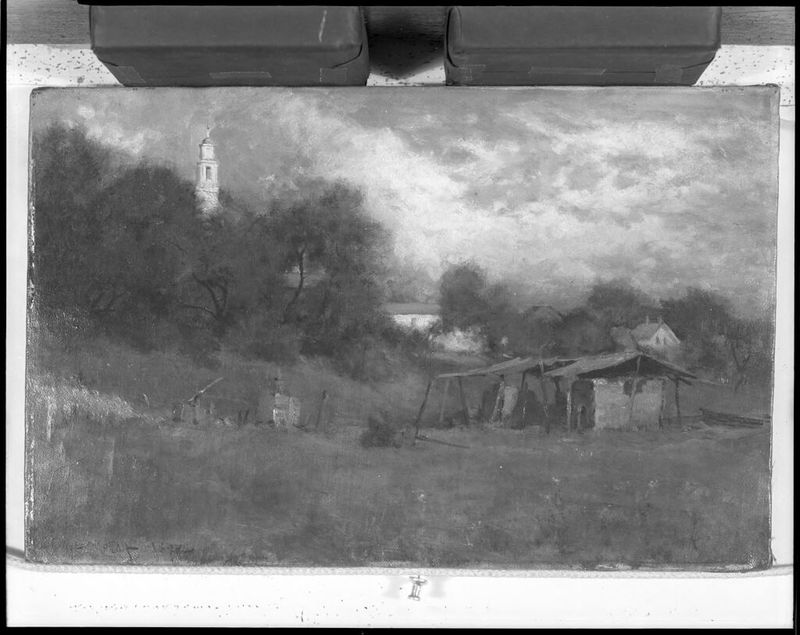
Landscape with Church Steeple
Willard Leroy Metcalf
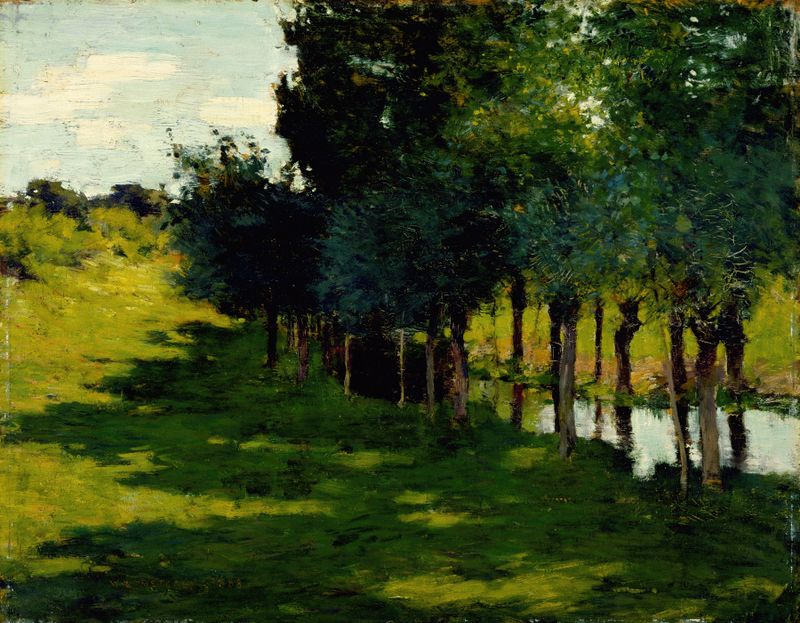
Sunlight and Shadow
Willard Leroy Metcalf
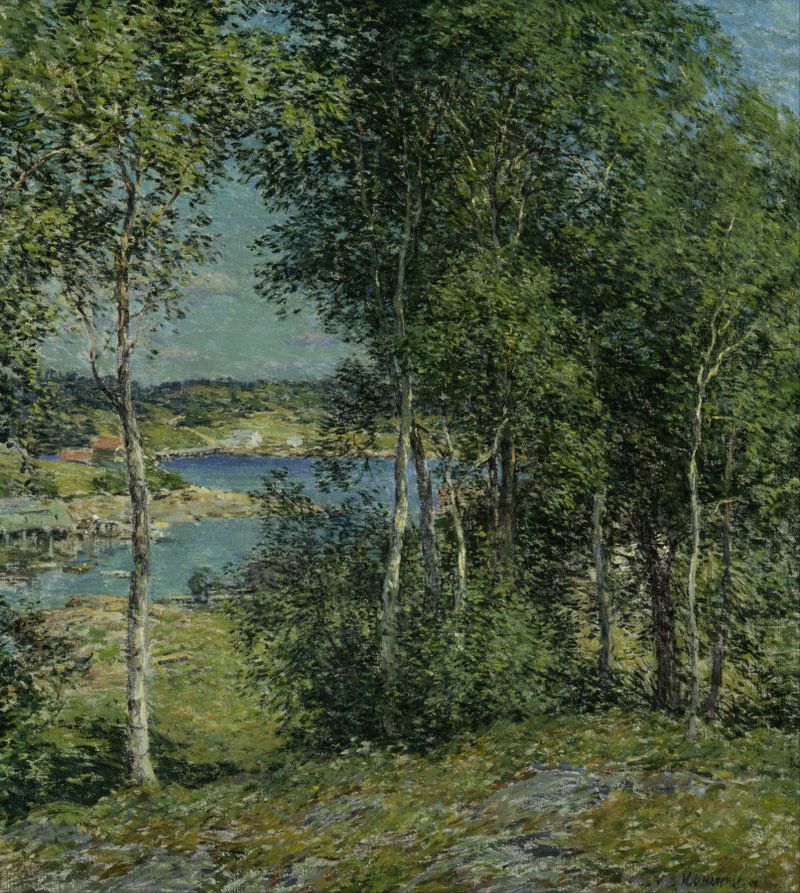
A Family of Birches
Willard Leroy Metcalf
Snow in the Foothills
Willard Leroy Metcalf





