
Indian Summer, Vermont — History & Facts
What secret hides in the quiet of the canvas? The stillness of autumn often belies the decay that whispers beneath layers of vibrant color, urging us to confront the fleeting nature of beauty. Focus on the warm oranges and deep reds that dominate the landscape, drawing your eye to the riotous foliage. Notice how the sunlight filters through the trees, casting a golden hue that not only illuminates but also enhances the sense of transience. The brushwork is both fluid and deliberate, capturing the moment just before nature yields to the inevitability of winter.
Every stroke seems to echo the soft rustle of leaves, breathing life into the stillness. Yet, within this scenic perfection lies an underlying tension. The vibrant palette plays a dual role, celebrating the beauty of autumn while hinting at the decay that follows—an unspoken reminder of mortality. Look closely at the ground; there, the scattered leaves are not just a part of the scene, but also a symbol of what has passed.
This juxtaposition of exuberance and decay invites contemplation on the cycles of life, urging the viewer to recognize both beauty and loss. In 1922, while creating this piece, the artist was deeply engaged in capturing the essence of American landscapes. Metcalf, a member of the Boston School, painted during a time of significant shift in the art world, appreciating both Impressionism and the burgeoning realism in nature. His work reflects his own experiences with change, embodying a moment of reflection in the ever-evolving relationship between humanity and the environment.
More Artworks by Willard Leroy Metcalf
Browse all →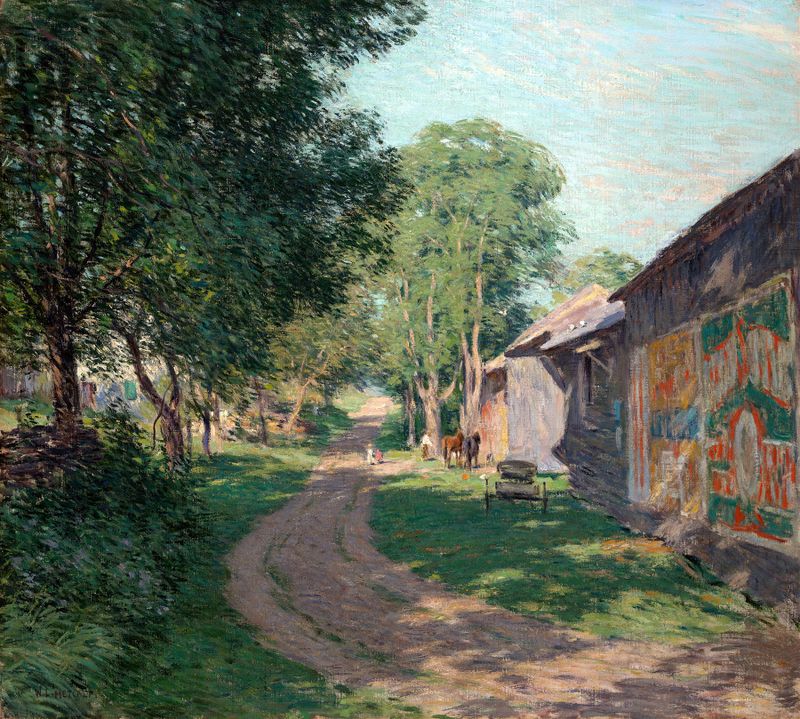
Midsummer Shadows
Willard Leroy Metcalf
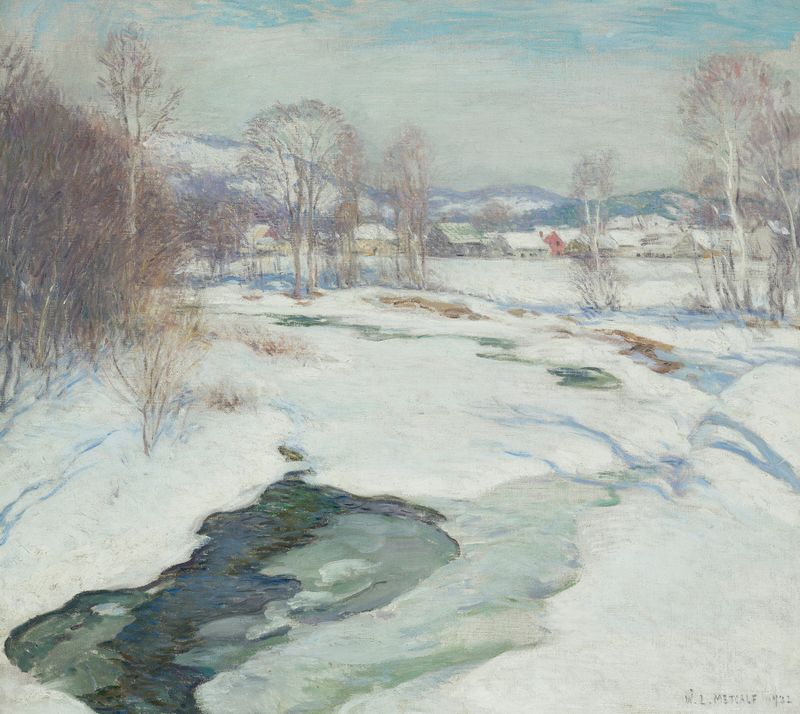
Icebound Brook
Willard Leroy Metcalf
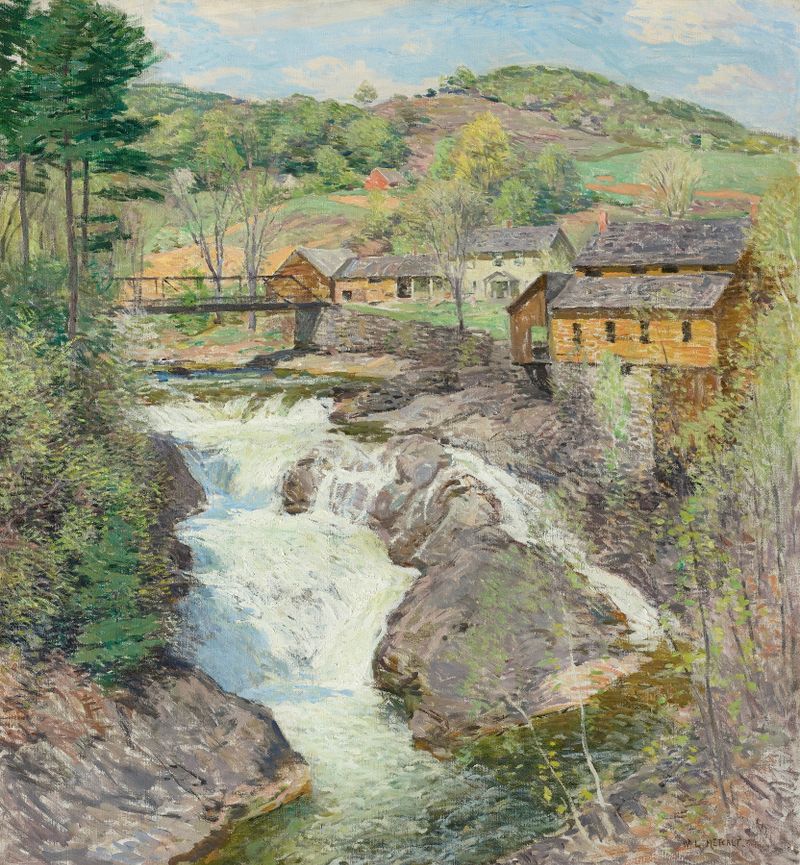
The Falls
Willard Leroy Metcalf
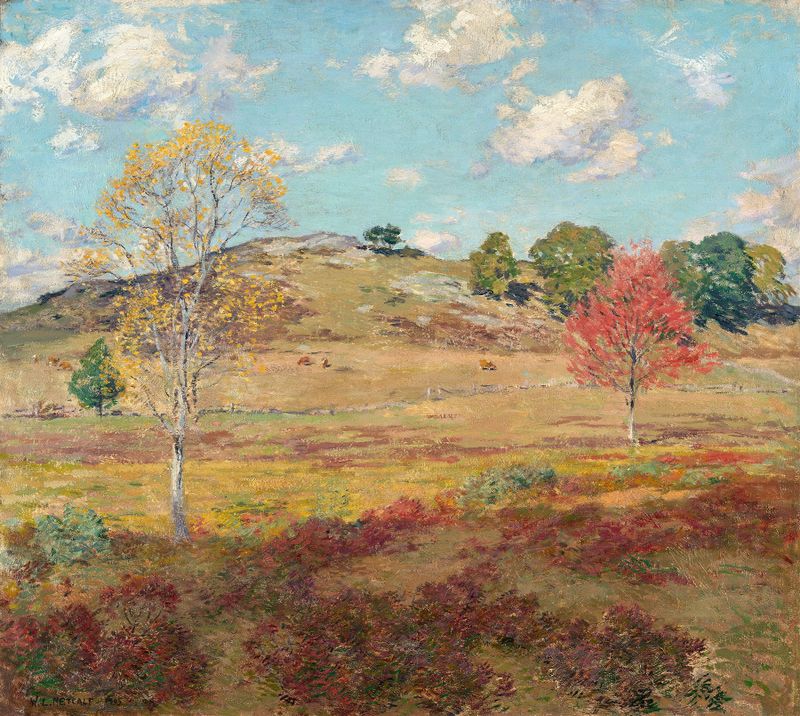
Early Autumn
Willard Leroy Metcalf
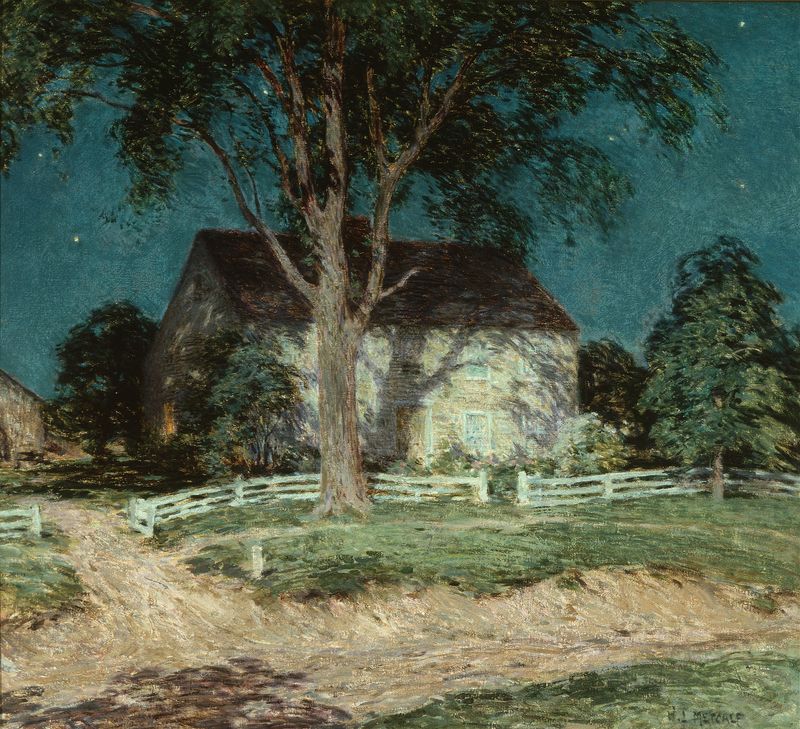
Old Homestead Connecticut
Willard Leroy Metcalf
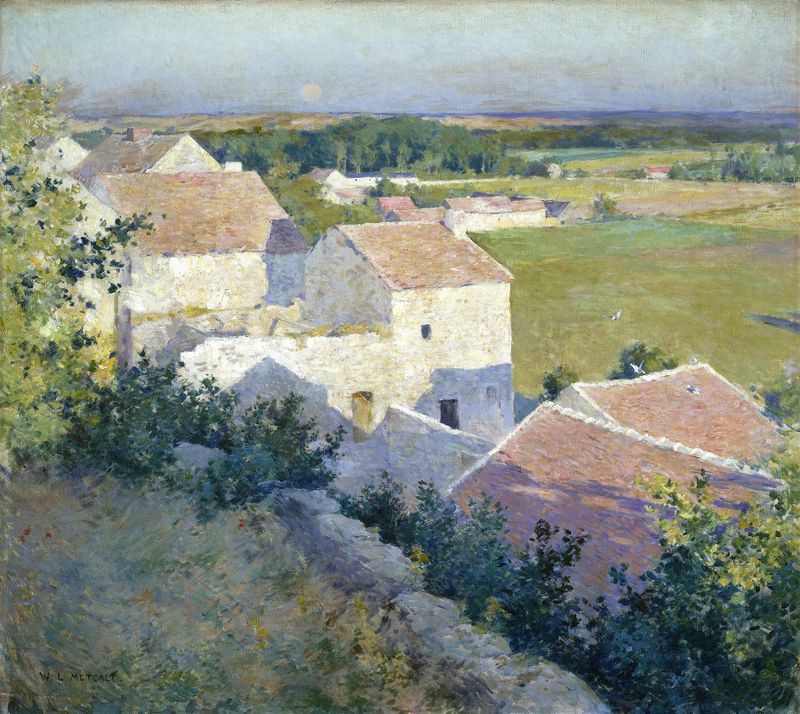
Midsummer Twilight
Willard Leroy Metcalf
Landscape with Church Steeple
Willard Leroy Metcalf
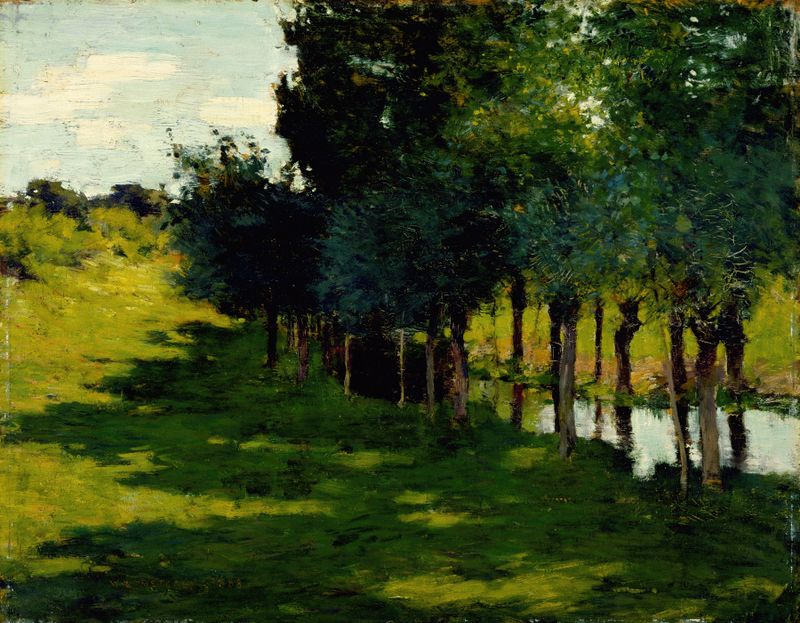
Sunlight and Shadow
Willard Leroy Metcalf
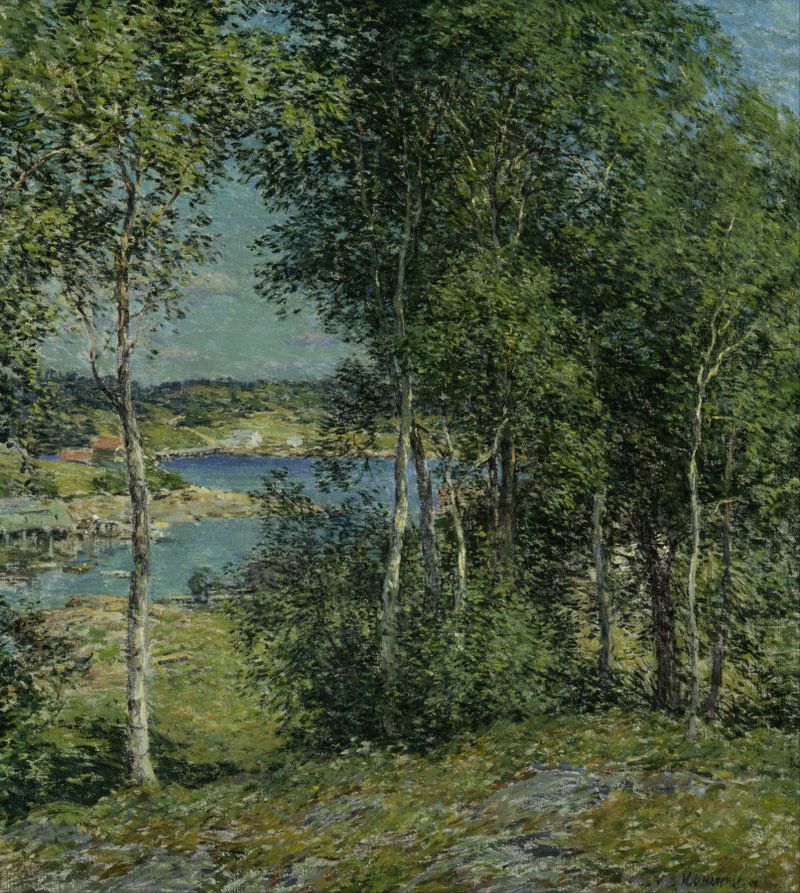
A Family of Birches
Willard Leroy Metcalf
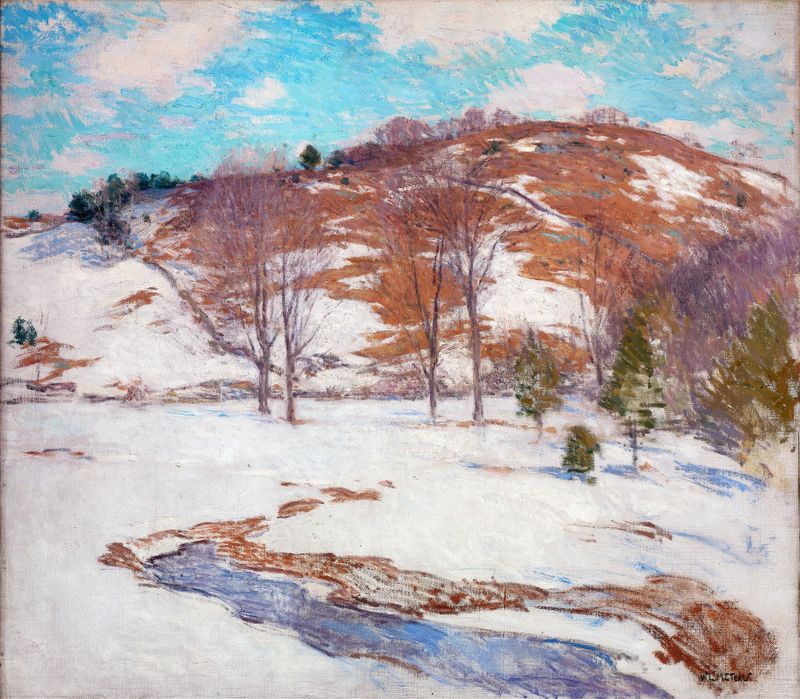
Snow in the Foothills
Willard Leroy Metcalf





