
Icy Bay & Mount Saint Elias — History & Facts
When did color learn to lie? The ethereal hues of blue and white stretch across the canvas, whispering of vast landscapes and untamed wilderness, yet concealing secrets beneath their beauty. Hope glimmers amidst the icy expanse, inviting the viewer to ponder what lies beyond the shimmering surface. Look to the center of the composition, where the majestic Mount Saint Elias rises, its jagged peaks piercing the sky. The artist’s meticulous brushwork captures the interplay of light and shadow, illuminating the snow-draped slopes while casting deep, enigmatic valleys into shadow.
The palette, dominated by cool blues and stark whites, juxtaposes the warmth of the sun's rays that peek through the clouds, drawing your eye toward the horizon where land and sky meld. Within these serene colors lies an emotional tension; the rigid beauty of the mountains clashes with the softness of the surrounding water, suggesting both resilience and vulnerability. The shimmering reflections on the bay evoke tranquility, yet the looming, formidable mountain hints at nature’s power and indifference. This duality of hope and peril resonates deeply, as if the landscape itself is a metaphor for the human experience—beautiful yet fraught with challenges. The work was created by Charles Hamilton Smith during a time when the Romantic movement was at its peak, somewhere in the early 19th century.
Living in England, the artist was immersed in a world that celebrated nature’s grandeur and explored themes of exploration and the sublime. This period was marked by a growing fascination with the natural world, as well as a shift towards capturing landscapes that evoke emotion, setting the stage for the vibrant visual narrative evident in this piece.
More Artworks by Charles Hamilton Smith
Browse all →
Situation of H.M.S. Hecla & Griper
Charles Hamilton Smith
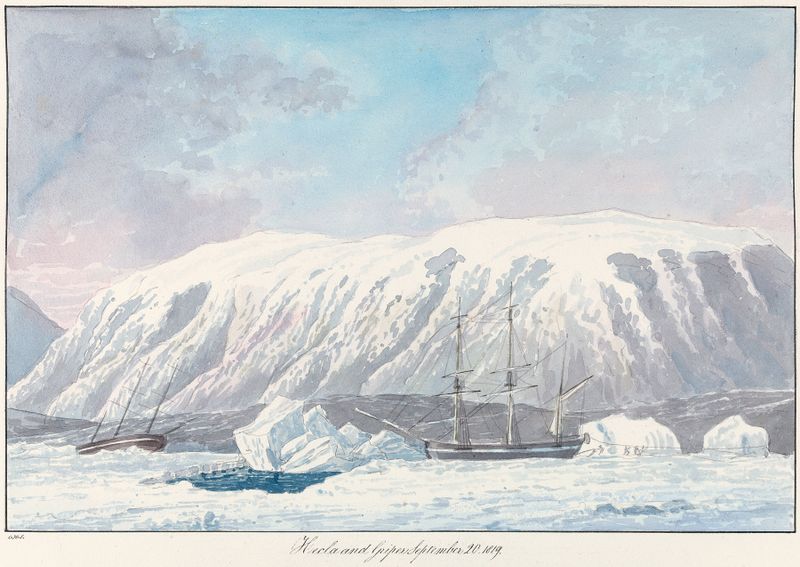
Hecla and Griper
Charles Hamilton Smith

Friendly Cove, Nootka Sound
Charles Hamilton Smith

Iceberg in Baffin’s Bay
Charles Hamilton Smith
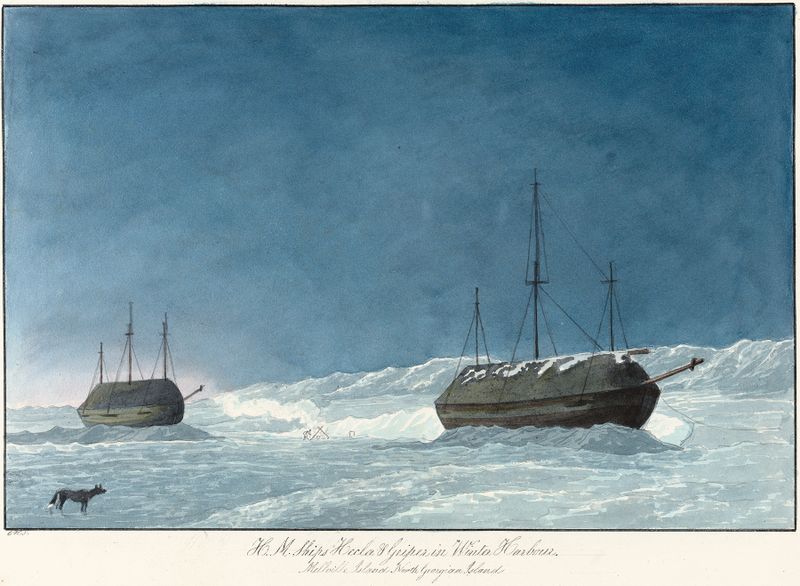
H. M. Ships Hecla and Griper in Winter Harbour
Charles Hamilton Smith

The Erebus & Terror in a Gale in the Pack of the Ice
Charles Hamilton Smith
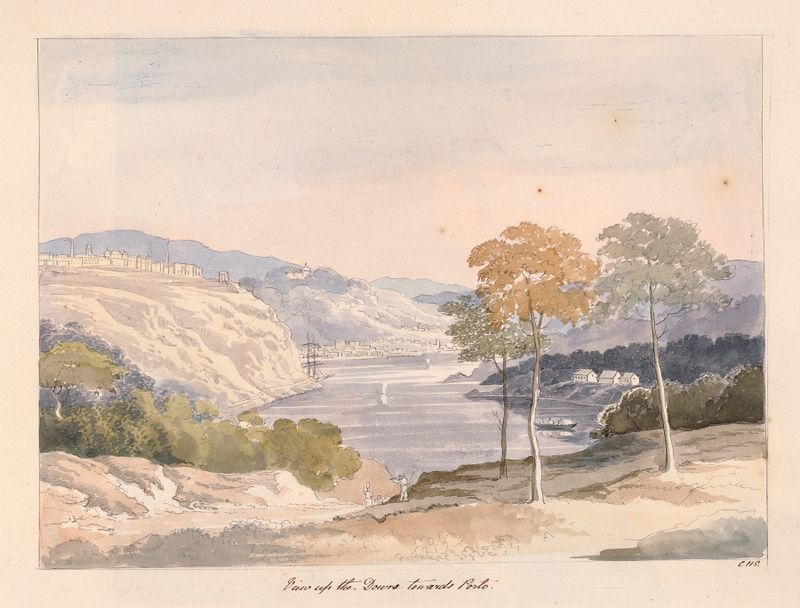
View of the Douro towards Porto
Charles Hamilton Smith
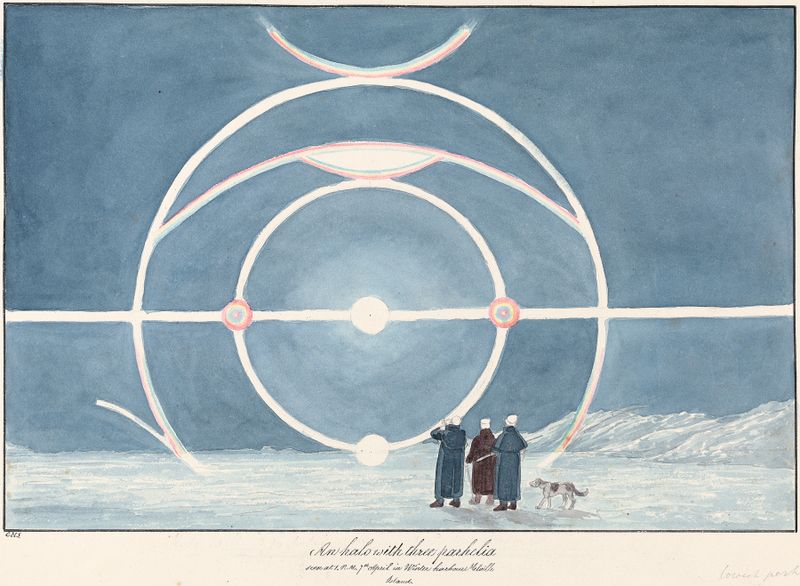
Halo with Three Parhelia, Winter Harbour Melville Island
Charles Hamilton Smith
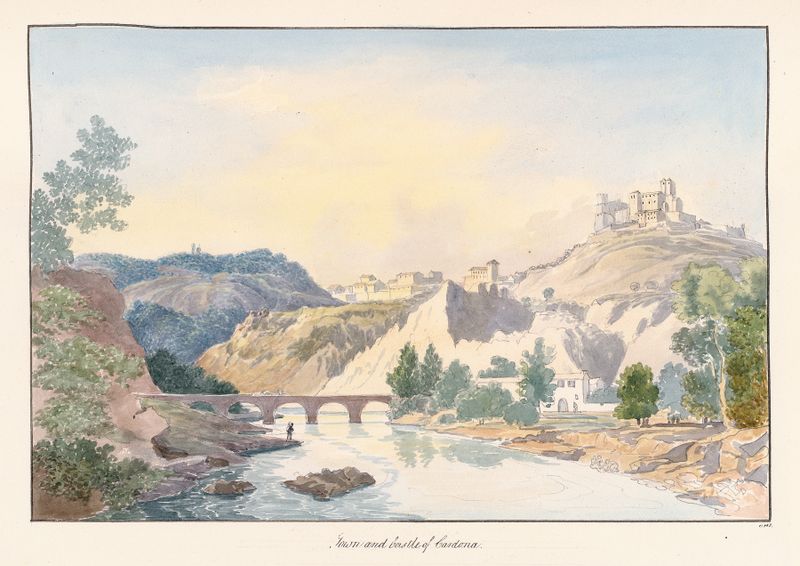
Town and Castle of Cardona
Charles Hamilton Smith
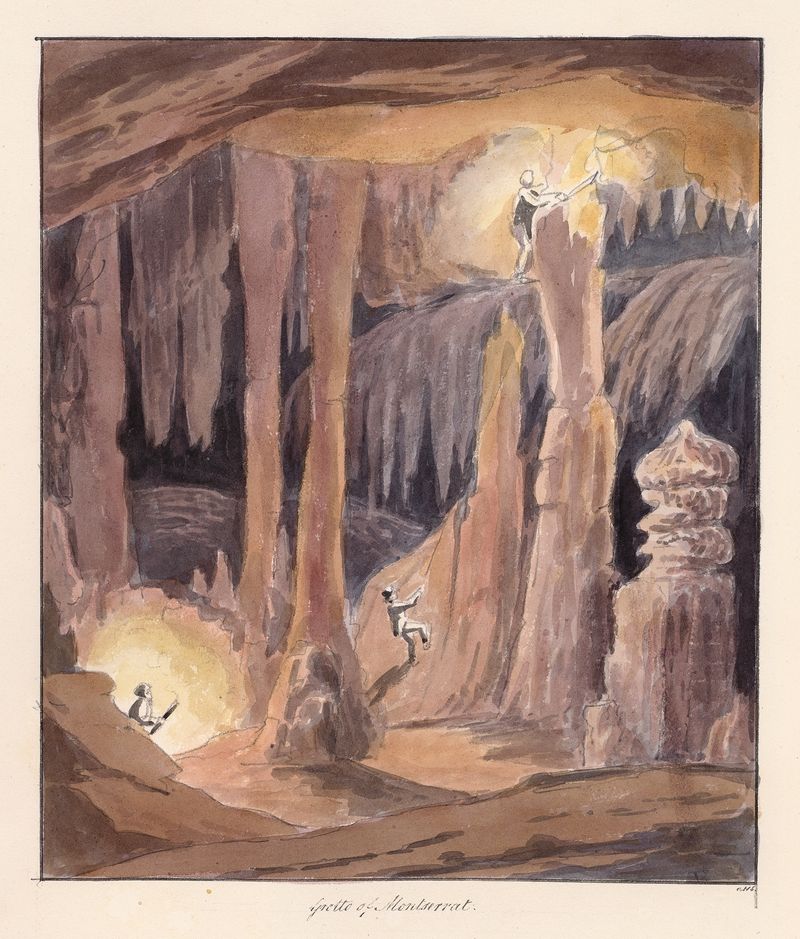
Grotto of Montserrat
Charles Hamilton Smith





