
Imaginary River Landscape — History & Facts
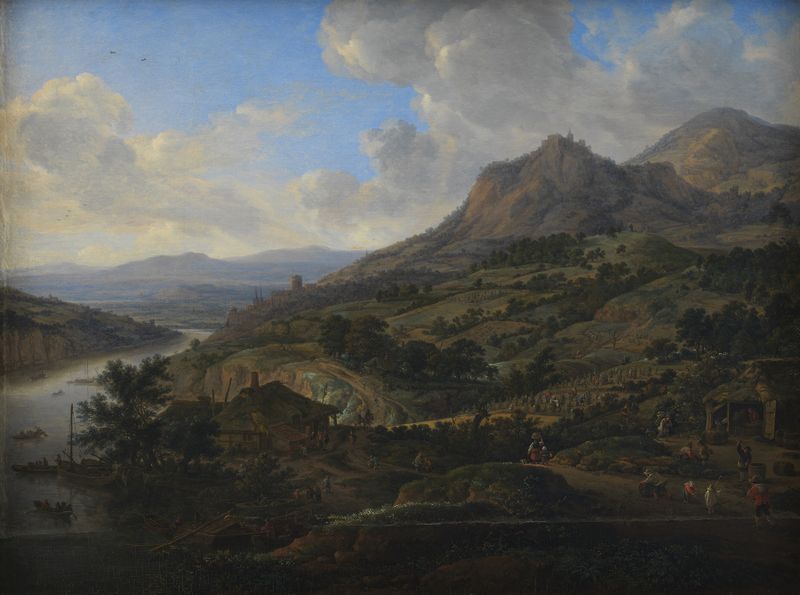
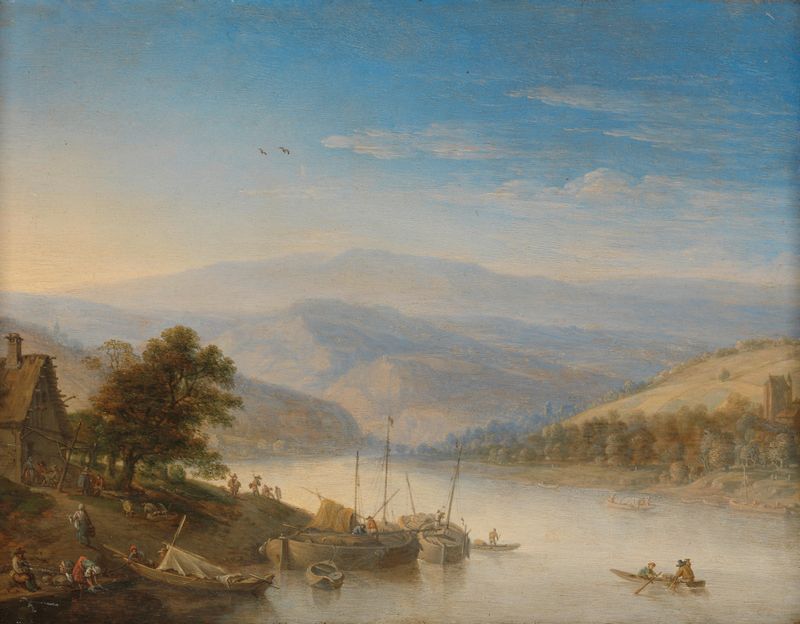
Can paint confess what words never could? In Imaginary River Landscape, the silent flow of a winding river holds a haunting emptiness, echoing the solitude of its surroundings. Focus on the gentle curves of the river as it meanders through the landscape, drawing your eye toward the horizon. The palette is a harmonious blend of soft greens and browns, invoking a serene tranquility that is deceptively inviting. Notice how Saftleven employs delicate brushstrokes to create layers of depth in the foliage, while a soft light cascades over the water's surface, hinting at an unspoken narrative beneath the calm exterior. Beneath the surface beauty lies a disquieting tension.
The absence of human figures suggests a world left to nature, echoing themes of isolation and introspection. The trees, standing like silent sentinels, seem to guard the secrets hidden in the depths of the river, while the expansive sky looms overhead, a vast canvas of potential yet to be fulfilled. This juxtaposition of serenity and emptiness invites the viewer to ponder what remains unsaid in our own lives. Saftleven painted Imaginary River Landscape in 1670 during a period marked by a growing interest in landscapes as subjects of art, moving away from strictly religious themes.
At that time, he was working in the Netherlands, where the natural world became a source of inspiration amid a backdrop of artistic innovation. The work reflects both a personal exploration of solitude and the broader shifts occurring within the art world, as landscapes began to gain prominence alongside still lifes and genre scenes.
More Artworks by Herman Saftleven
Browse all →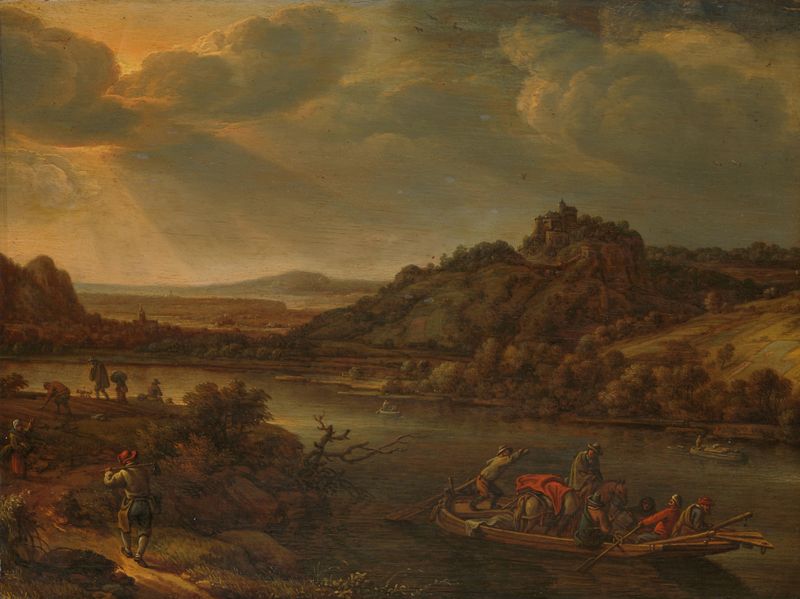
River view with ferry
Herman Saftleven
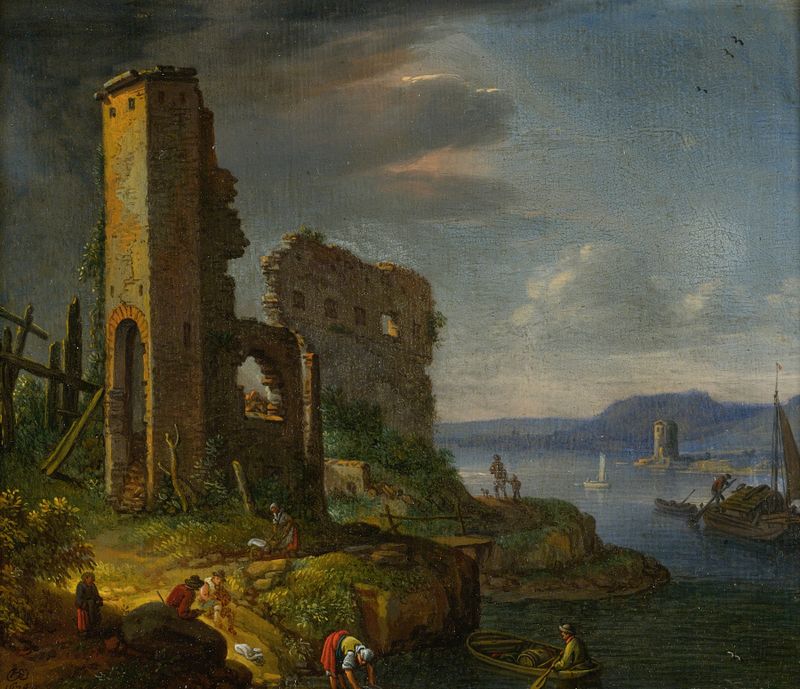
River Landscape With Ruins, Boats And Figures
Herman Saftleven
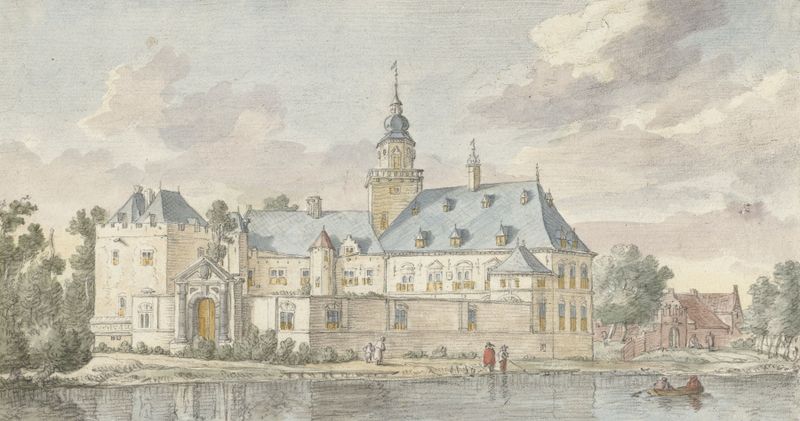
Gezicht op kasteel Nijenrode
Herman Saftleven
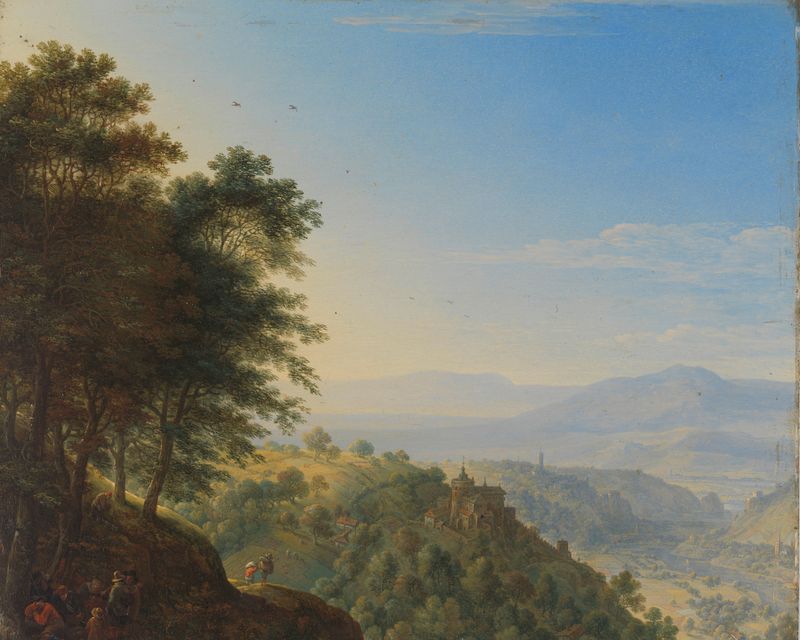
Berglandschap bij Boppard aan de Rijn
Herman Saftleven
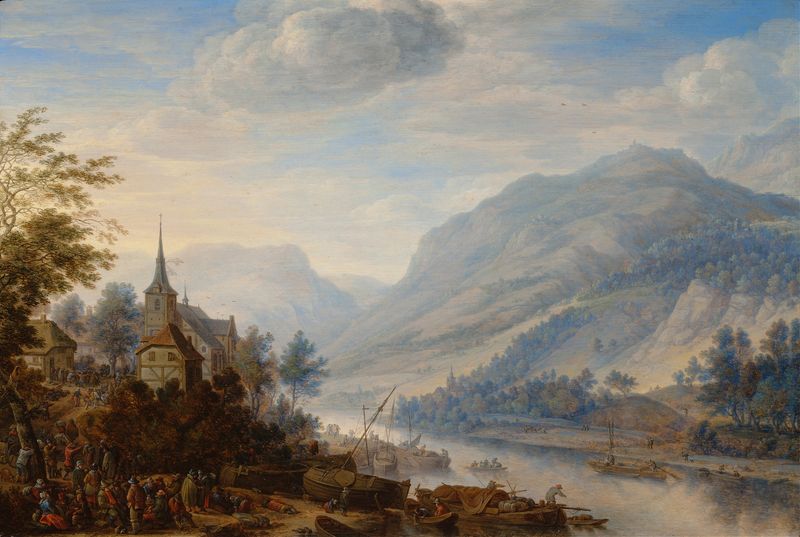
View of the Rhine at Reineck
Herman Saftleven
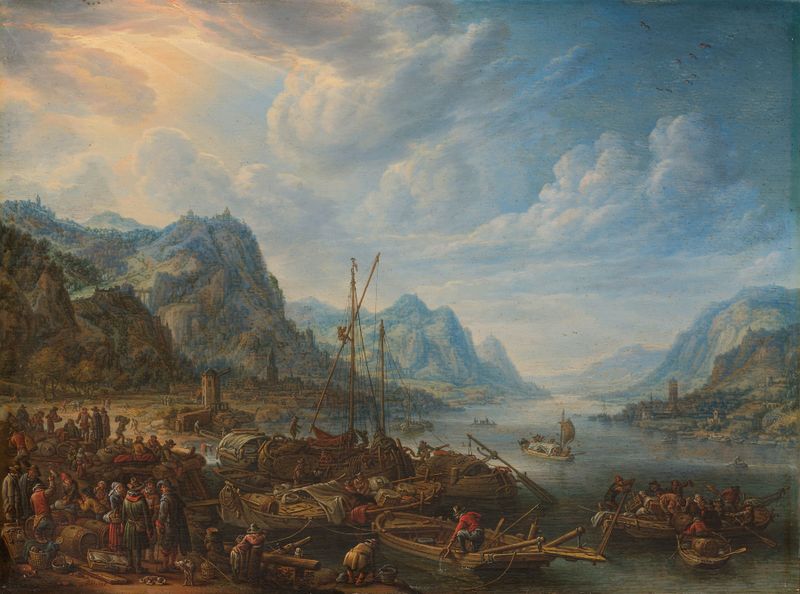
Riviergezicht met aanlegplaats
Herman Saftleven
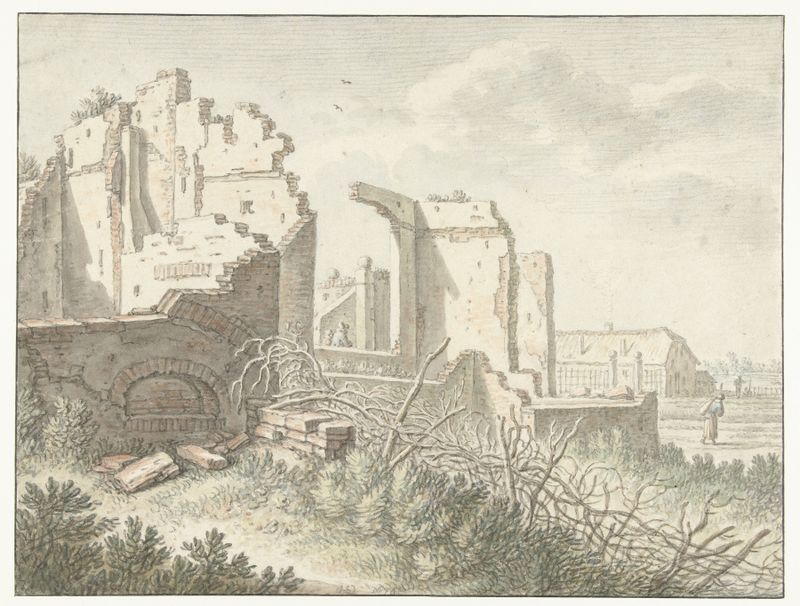
Ruïne buiten de Wittevrouwenpoort te Utrecht
Herman Saftleven
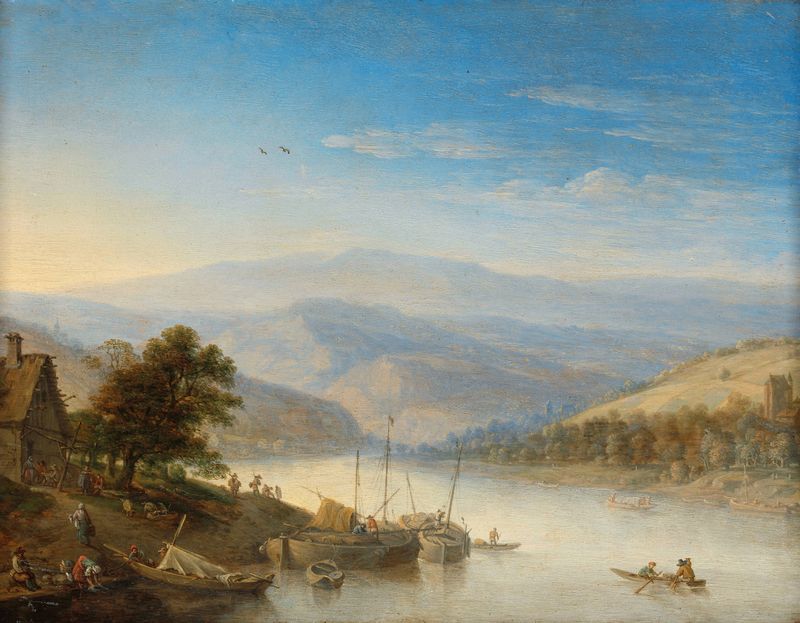
View of the Rhine River near Andernach
Herman Saftleven
Wine Harvest at the Rhine
Herman Saftleven
Gezicht op de Rijn bij Andernach
Herman Saftleven





