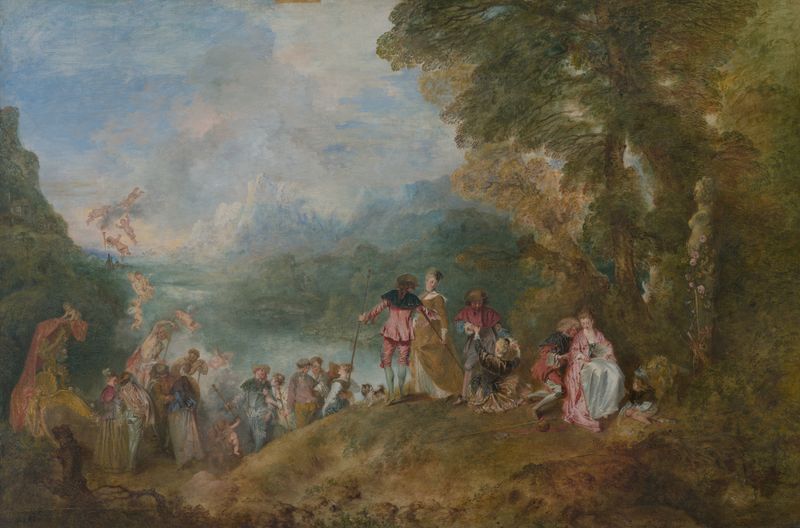
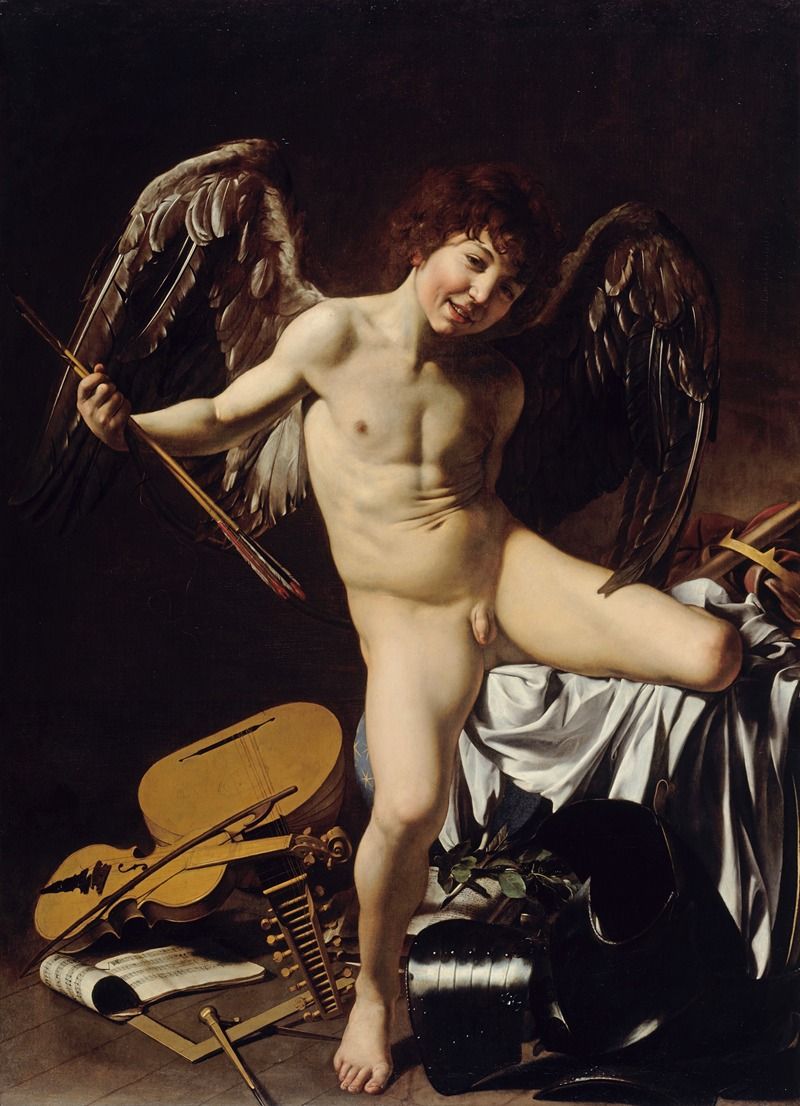
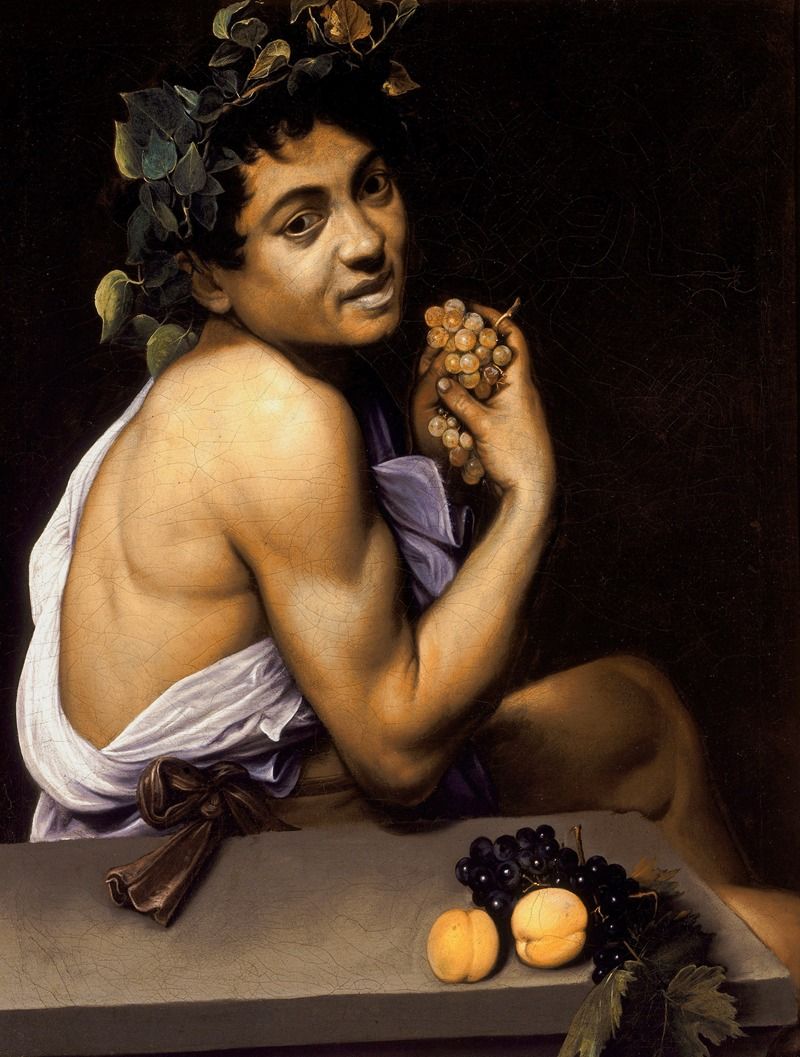
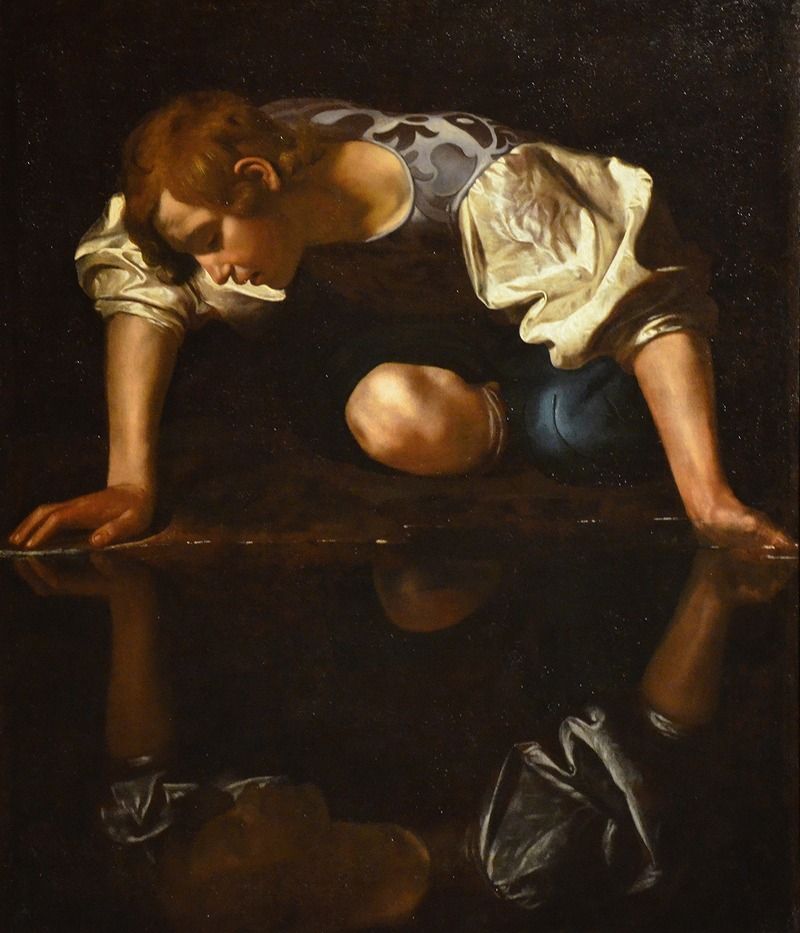
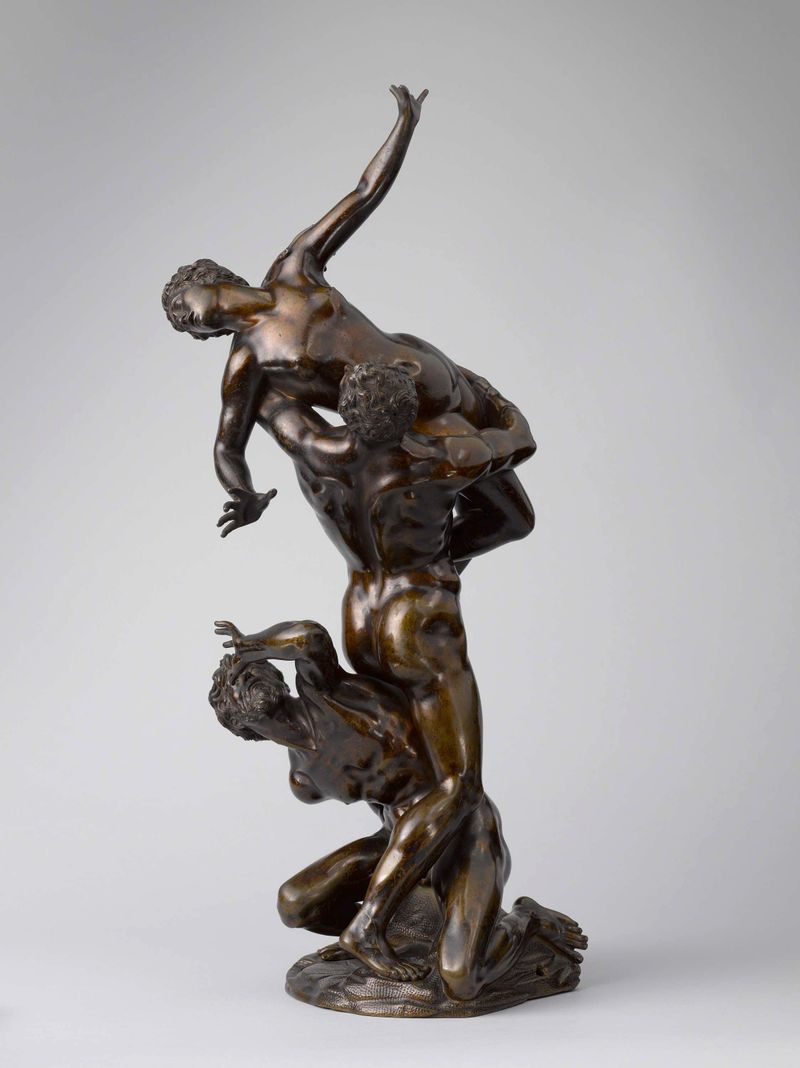
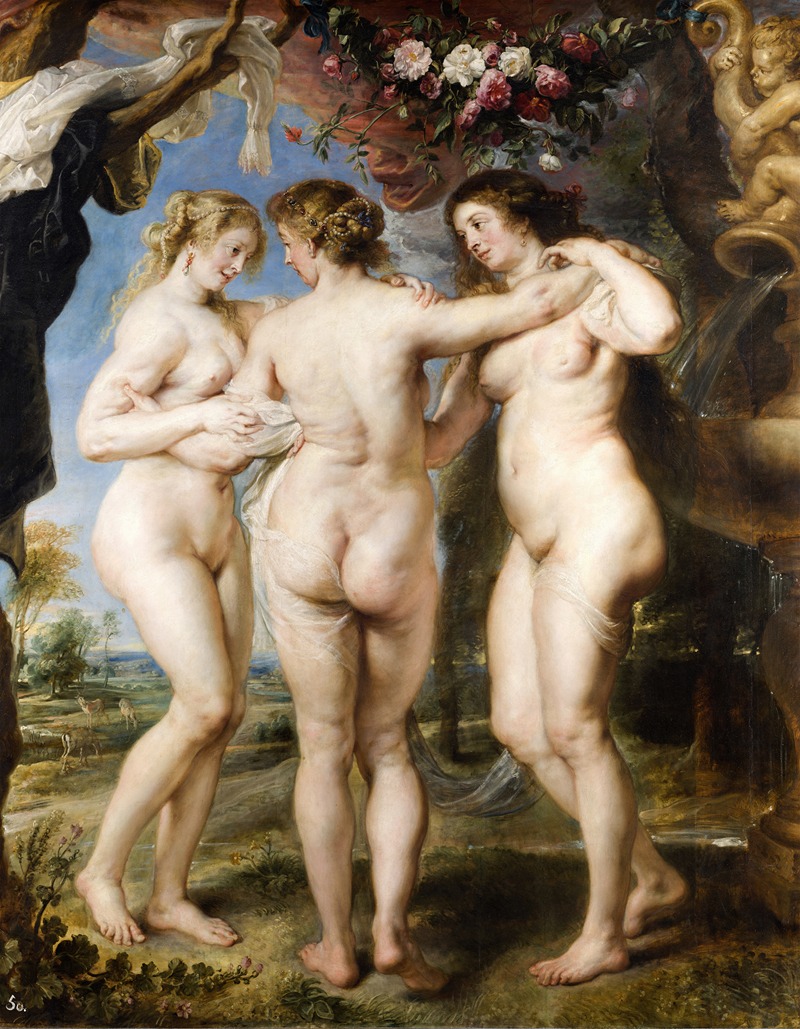
In den Ruinen römischer Architektur die drei Parzen, rechts ein Löwe aus Marmor — History & Facts
Is this a mirror — or a memory? In In den Ruinen römischer Architektur die drei Parzen, rechts ein Löwe aus Marmor, a haunting interplay of myth and decay unfolds, calling into question the nature of time and loss, as well as the painful echoes of betrayal. Look closely at the three Fates, their hands deftly spinning the threads of life amidst the crumbling remnants of ancient Rome. Notice how they are enveloped in a soft, ethereal light that casts their figures in both grace and sorrow. The muted earth tones contrast sharply with the stark white of the marble lion, drawing your gaze toward its watchful, yet distant expression.
The tension between the vibrant vitality of the figures and the lifelessness of the ruins evokes a profound sense of nostalgia for what once was. The emotional weight of this piece lies in the juxtaposition of creation and destruction. The Fates, embodiments of destiny, seem to deliberate over threads that could signify hope or despair. Meanwhile, the lion stands sentinel, a symbol of strength now rendered cold and still, perhaps hinting at betrayal — a strength once revered has succumbed to the ravages of time.
The backdrop of crumbling architecture serves as a reminder of the impermanence of glory, suggesting that even the most powerful can ultimately fall. Created during the Dutch Golden Age, when Weenix was deeply immersed in the exploration of still life and allegorical themes, this painting reflects both personal and cultural shifts. Living in a world poised between the grandeur of antiquity and the birth of a modern sensibility, the artist captured a moment rife with both classical admiration and the melancholy of decline, mirroring the tensions in his own life and the broader art world around him.
More Artworks by Jan Baptist Weenix
Browse all →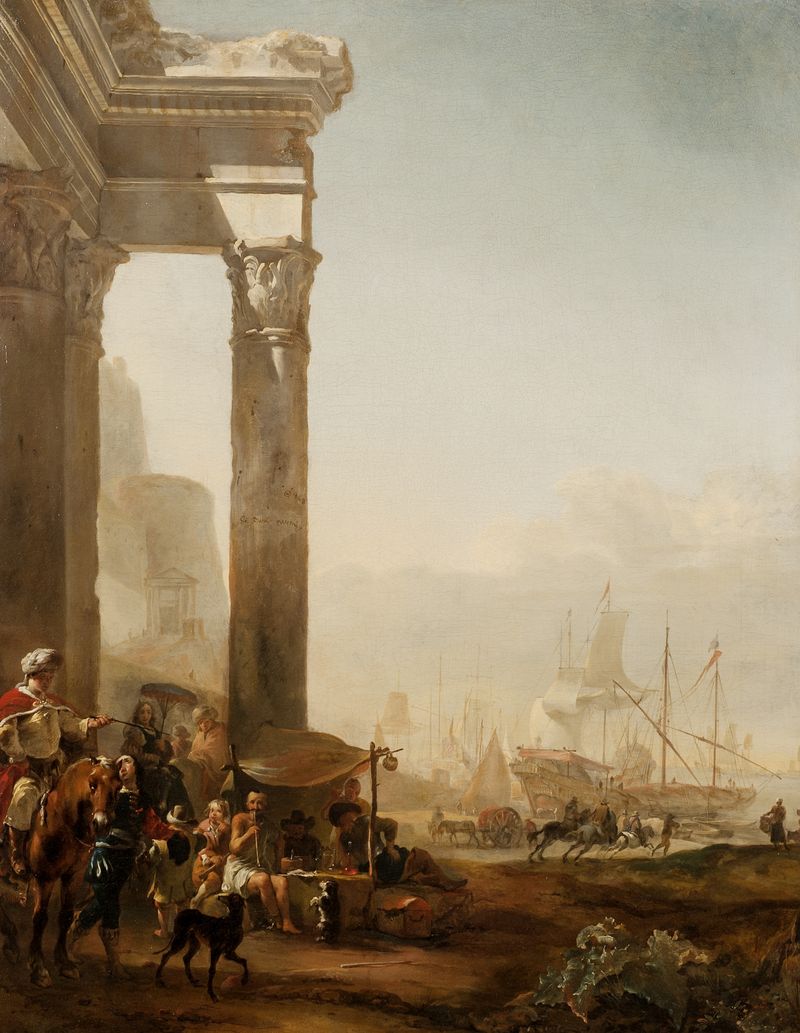
Harbour with Antique Ruins
Jan Baptist Weenix
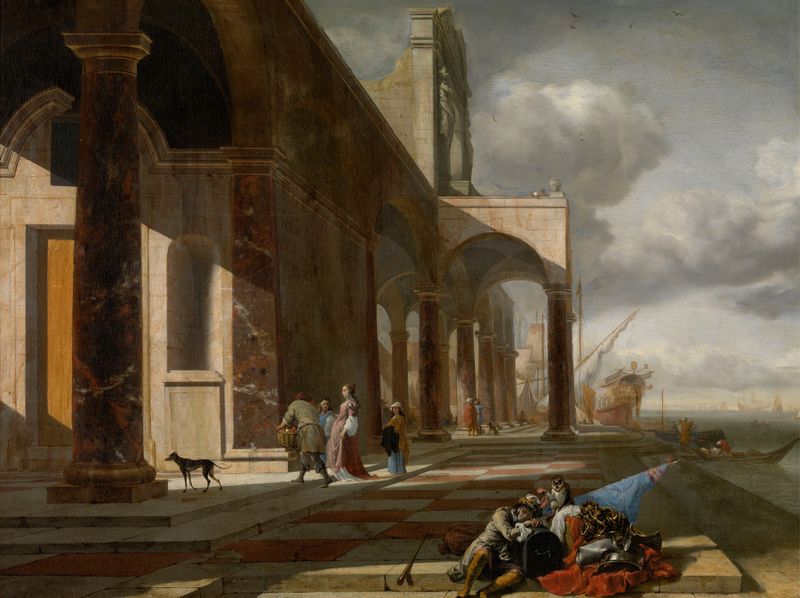
An Italian Seaport
Jan Baptist Weenix

Roman Landscape with Shepherds
Jan Baptist Weenix
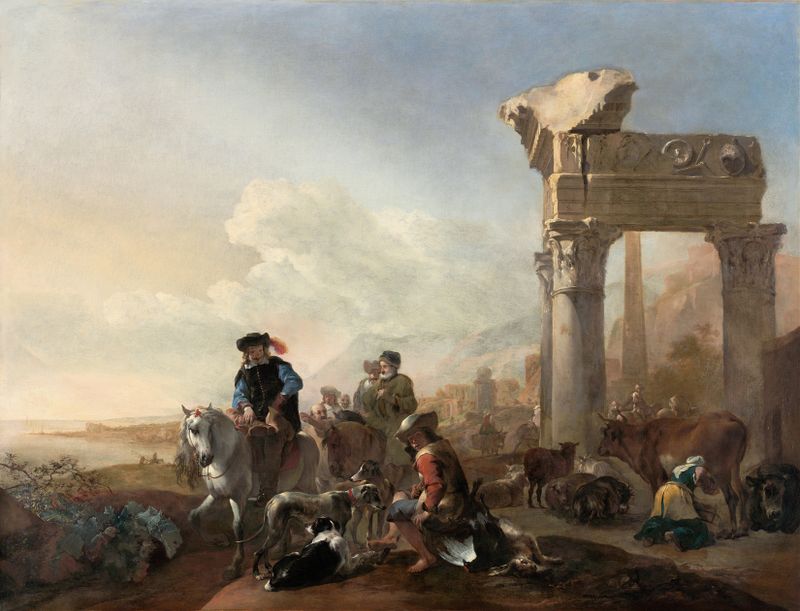
Hunters Near Ruins
Jan Baptist Weenix
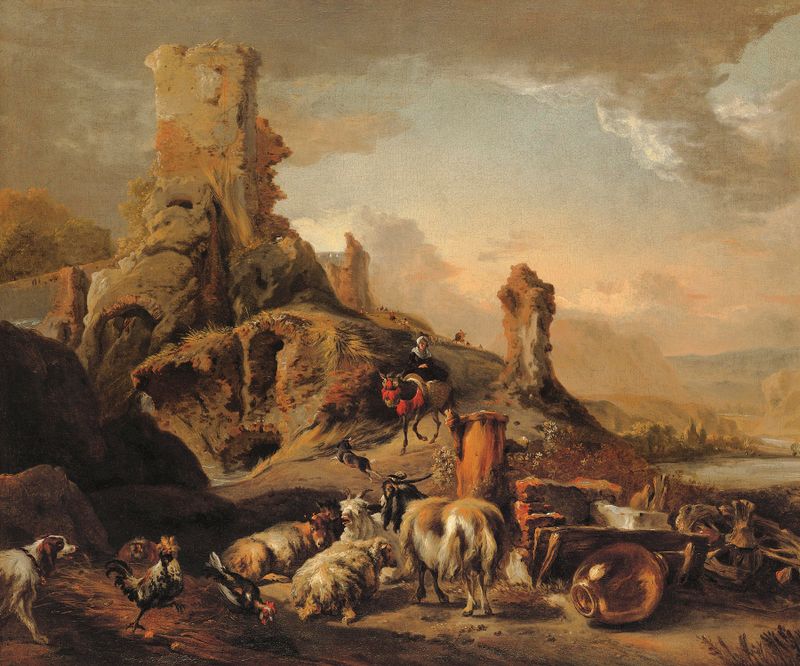
Shepherdess And Her Flock On A Path
Jan Baptist Weenix
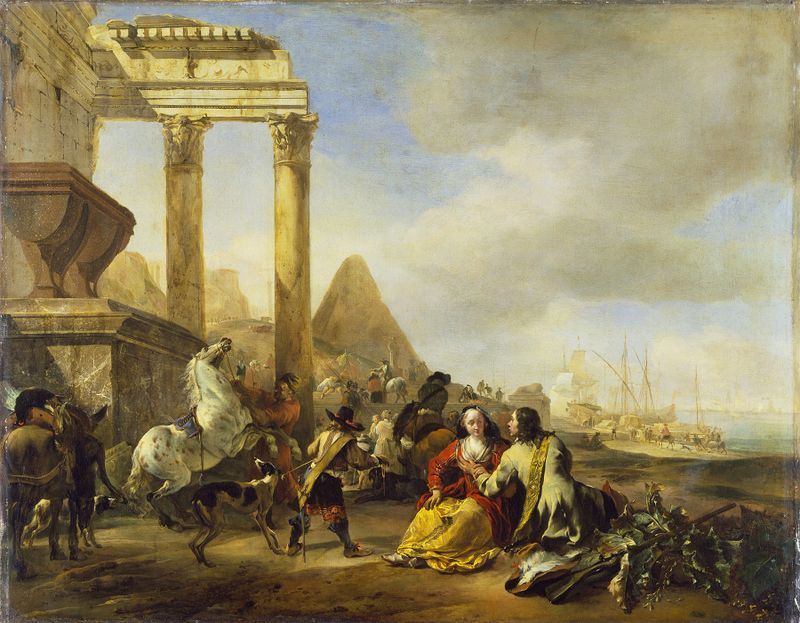
A Coast Scene with Classical Ruins
Jan Baptist Weenix

A Roman Temple With Cattle Herders
Jan Baptist Weenix

Architectural interior with foreign shippers, ruins and a shipyard beyond
Jan Baptist Weenix
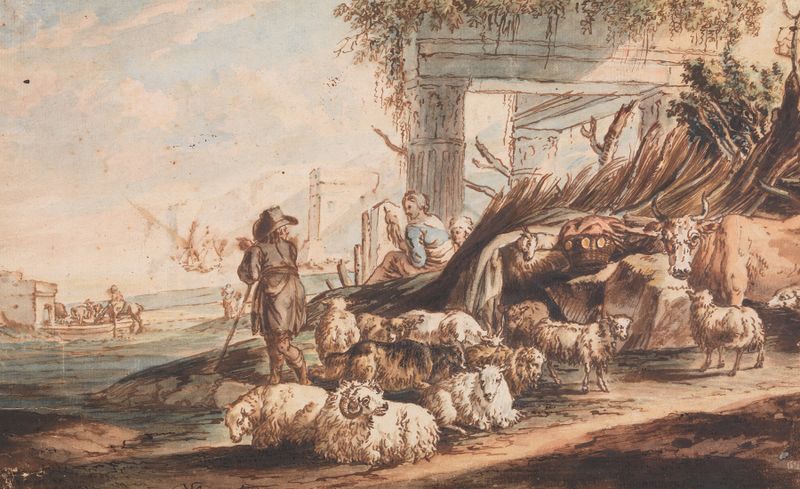
Shepherd with a flock of sheep and a cow among ruins
Jan Baptist Weenix

Portrait of a Man
Jan Baptist Weenix