In India, on the March — History & Facts
Can beauty exist without sorrow? In an entangled dance of chaos, the sublime often weaves its way through disarray, revealing a truth that resonates deeply. Look closely at the swirling forms that occupy the canvas; vibrant strokes of red and gold intermingle, creating a tumultuous backdrop that draws the eye in. Notice how the white figures emerge from the chaos, their expressions both serene and pensive, inviting contemplation amid the vibrant turmoil. The technique is a masterful blend of impasto and smooth washes, allowing the colors to pulsate with life while the figures remain steadfast, exuding an unyielding determination. Beneath the surface, the juxtaposition of chaos and calm becomes a metaphor for resilience.
The vibrant hues symbolize the vibrancy of life in India, while the figures represent a poignant juxtaposition of hope and despair. Their stillness amidst the swirling chaos speaks to the human condition—a reminder that beauty often arises from the depths of hardship, encapsulating a truth that transcends time and culture. Created during a period of personal and artistic exploration, the artist painted this work in an era marked by a quest for identity and meaning. Working in the early 20th century, the artist engaged with both contemporary arts movements and the rich cultural tapestry of India, seeking to capture the essence of a world in transformation.
The complexities of this period echo in the very fabric of the artwork, as the artist navigated both personal upheaval and broader societal changes.
More Artworks by Samuel Davis
Browse all →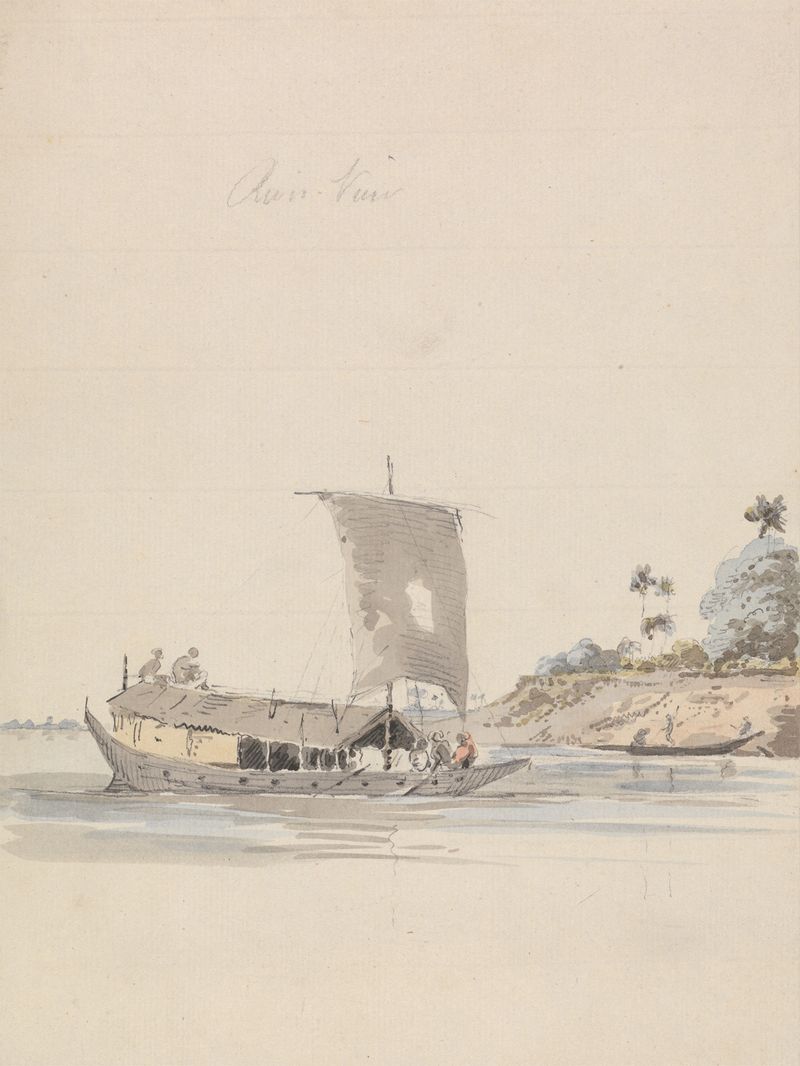
River View with a Junk (near Rajmahal)
Samuel Davis
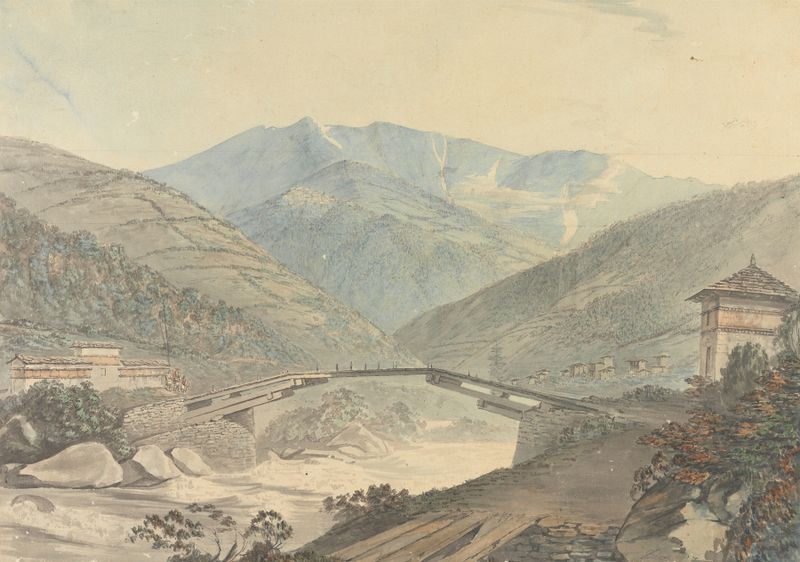
View near Tassisudon [Tashicho Dzong] in Bhutan
Samuel Davis
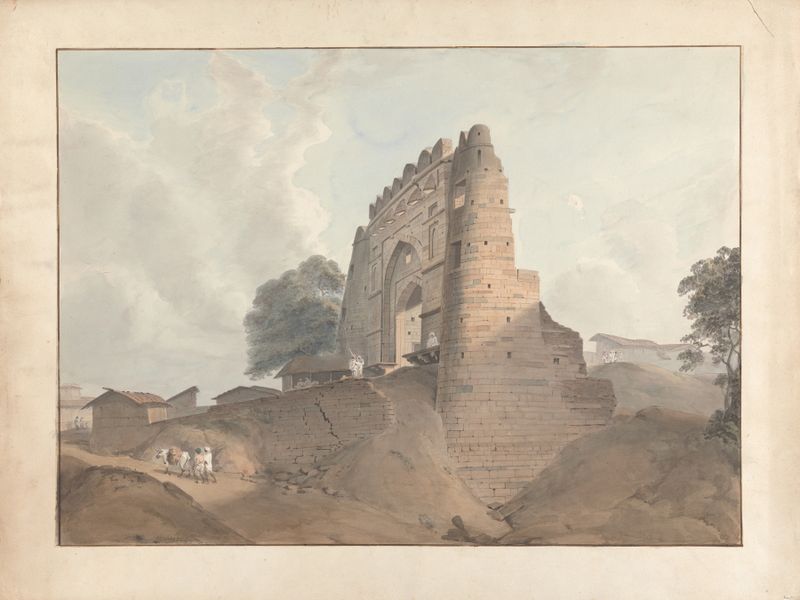
Gate of the Old Fort at Old Benares
Samuel Davis
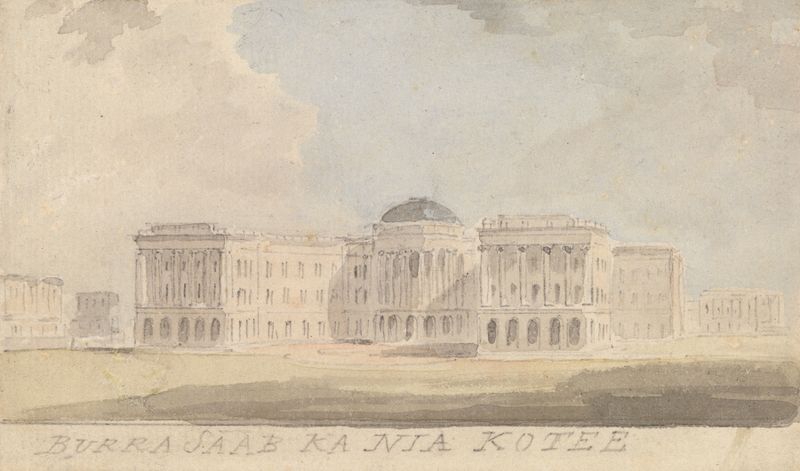
New Government House at Calcutta
Samuel Davis
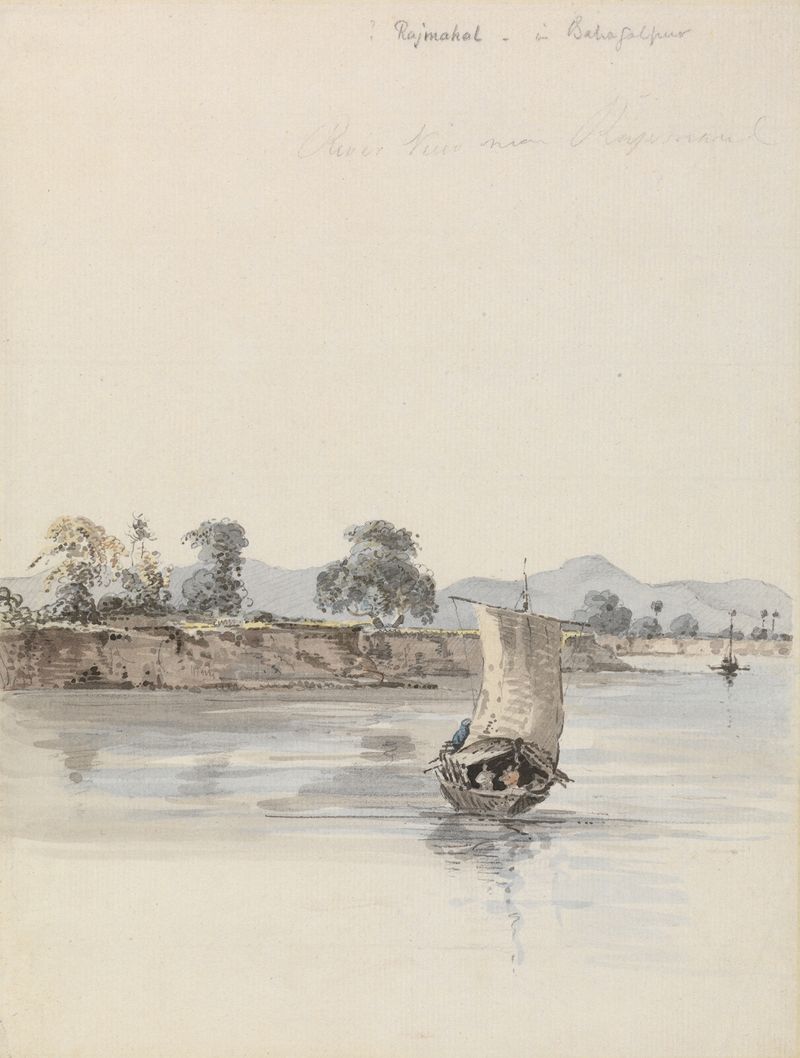
River View near Rajmahal
Samuel Davis
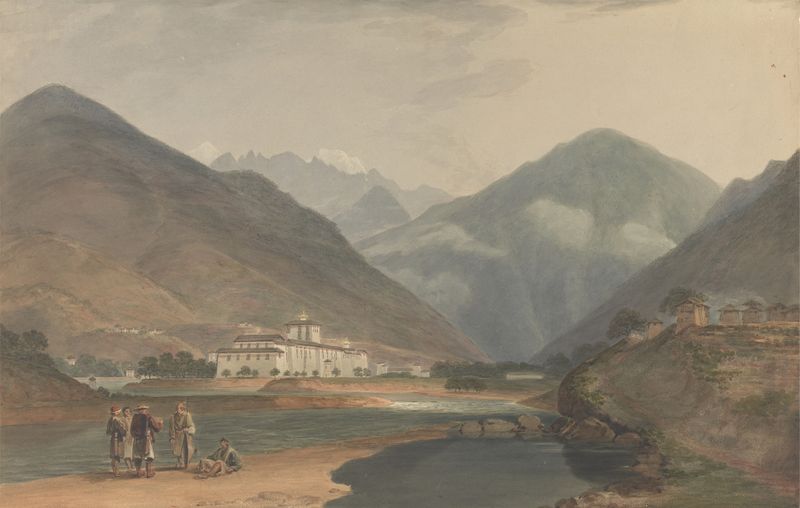
The Former Winter Capital of Bhutan at Punakha Dzong
Samuel Davis
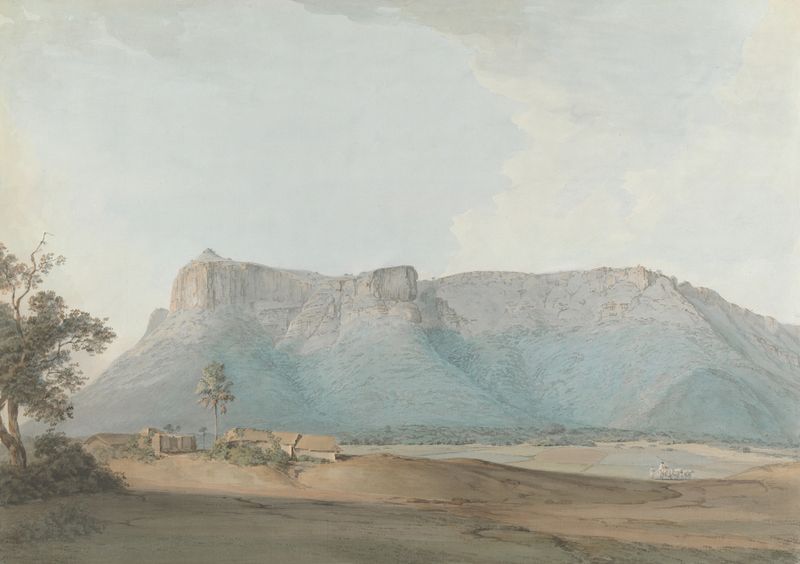
Rhotas from Akberpore
Samuel Davis
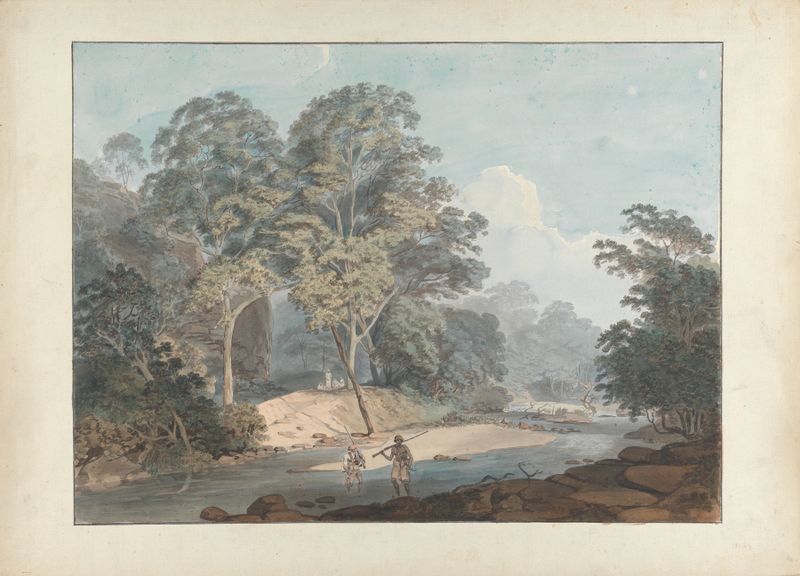
Rocky River Scene with Sepoys
Samuel Davis
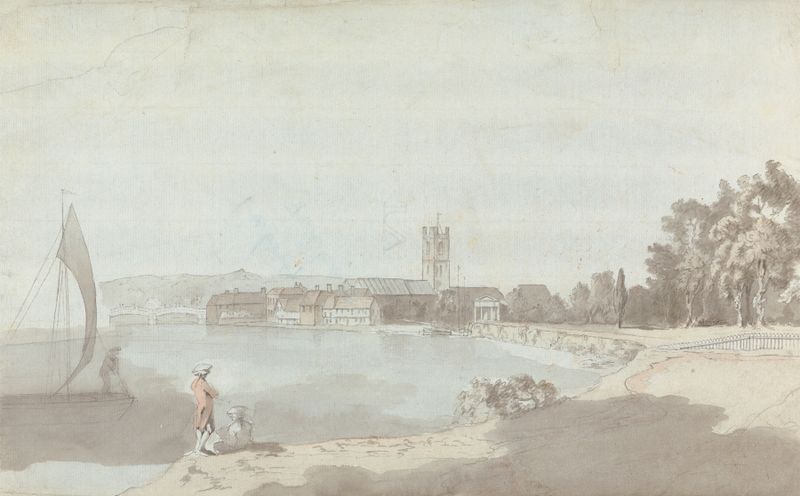
West Country Town by a River
Samuel Davis
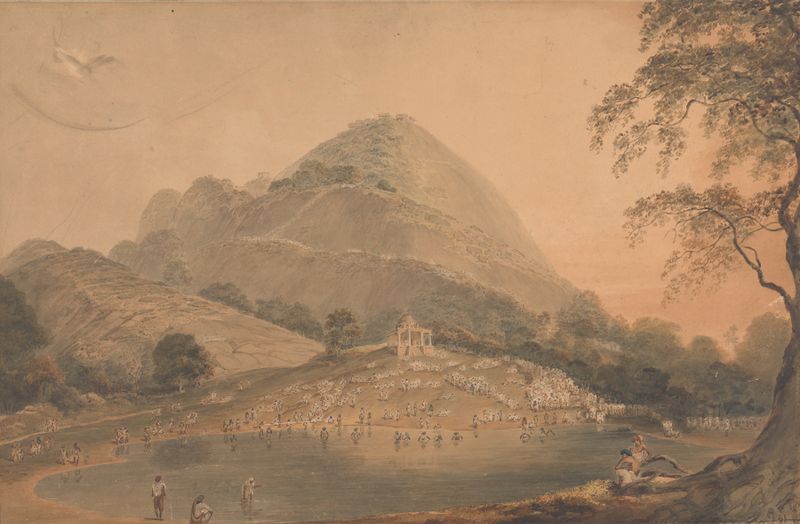
The Annual Resort of Hindoos to Mundar Hill near Bhagulpore [Bhagalpur]
Samuel Davis