In the forest — History & Facts
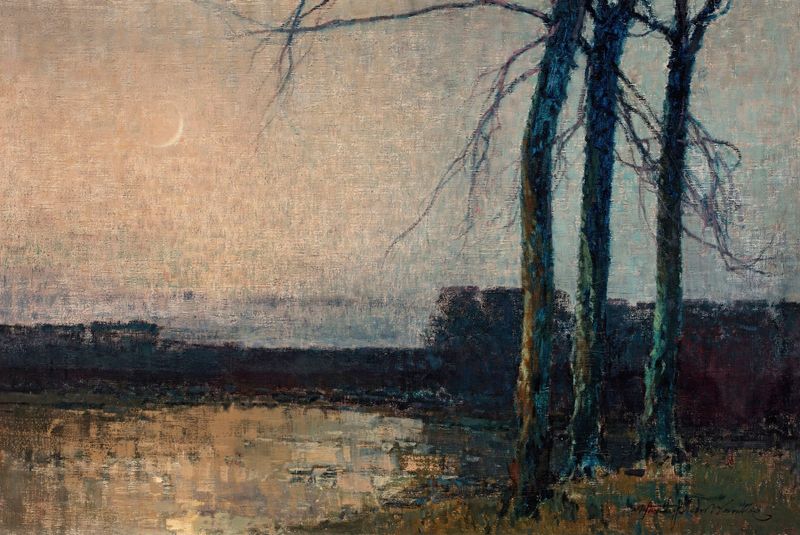
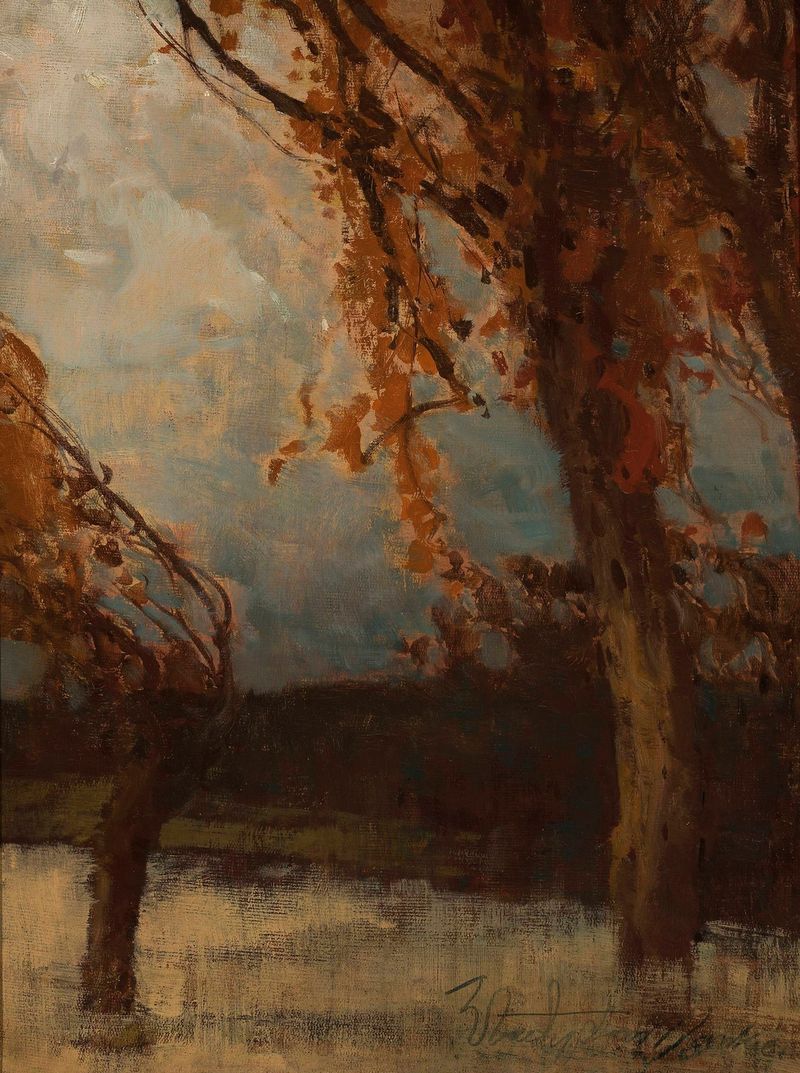
Did the painter know this moment would outlive them? In a stillness that feels both weighty and delicate, In the Forest captures the essence of awakening, a gentle reminder of nature's unfurling beauty and the passage of time. Focus first on the vibrant greens that dominate the canvas, where leaves seem to pulse with life. Notice how the dappled sunlight filters through the treetops, creating a mosaic of light and shadow on the forest floor. The brushwork is both expressive and meticulous, with strokes that celebrate the texture of bark and the softness of moss.
The composition invites your gaze to wander, each element harmonizing to evoke the tranquil allure of nature. Hidden within the serene landscape lies a deeper narrative. The interplay of light and dark suggests the duality of existence—growth and decay, promise and uncertainty. Small details, like the delicate wildflowers peeking through the underbrush, serve as symbols of resilience, reminding us that even in the depths of the forest, life finds a way to bloom.
This moment encapsulates not just a scene, but the eternal dance of life and renewal. Władysław Wankie created this work during a time when the art world was exploring new approaches to nature and environment. Though the exact date remains unknown, Wankie's focus on nature aligns with a broader movement among artists in the late 19th to early 20th century, who sought to capture the essence of the natural world and the emotional experience it evokes. In a time marked by industrial change, this painting seems to reach back to the roots of human connection with the wilderness, highlighting the timelessness of nature's beauty.