
Monument -design for legionaries monument — History & Facts
What secret hides in the quiet of the canvas? Beneath the surface of Monument - design for legionaries monument, a profound revelation awaits, inviting contemplation of memory, sacrifice, and the passage of time. Look closely at the serene central figure, poised in stoic readiness. Notice how the subtle chiaroscuro plays across the stone surface, creating an interplay of light and shadow that imbues the monument with a sense of life. The gentle curves and sharp lines of the design guide your gaze upward, mimicking the aspirations of those it commemorates.
The muted palette of grays and earth tones speaks to the gravitas of the subject, while the intricate engravings tell stories of valor etched into the very fabric of the stone. Delve deeper, and you'll uncover the tension between permanence and transience, as the figure stands as both a tribute and a reminder of mortality. Each detail resonates with emotion, suggesting the weight of history carried by the monument. The choice of materials encapsulates the duality of strength and fragility, emphasizing a poignant dialogue between the past and the present.
There’s a quiet longing in the work, a desire to honor those who have stood unwavering in the face of adversity. In 1916, Władysław Wankie created this design during a tumultuous period in European history marked by war and upheaval. As nations grappled with the effects of the First World War, he sought to pay homage to the legionaries whose sacrifices would not go unrecognized. This moment in his life reflected a dedicated focus on memorialization, capturing the collective memory of a nation striving to find its identity amidst chaos.
More Artworks by Władysław Wankie
Browse all →
More Historical Art
Browse all →
The Night Watch Militia Company of District II under the Command of Captain Frans Banninck Cocq
Rembrandt van Rijn
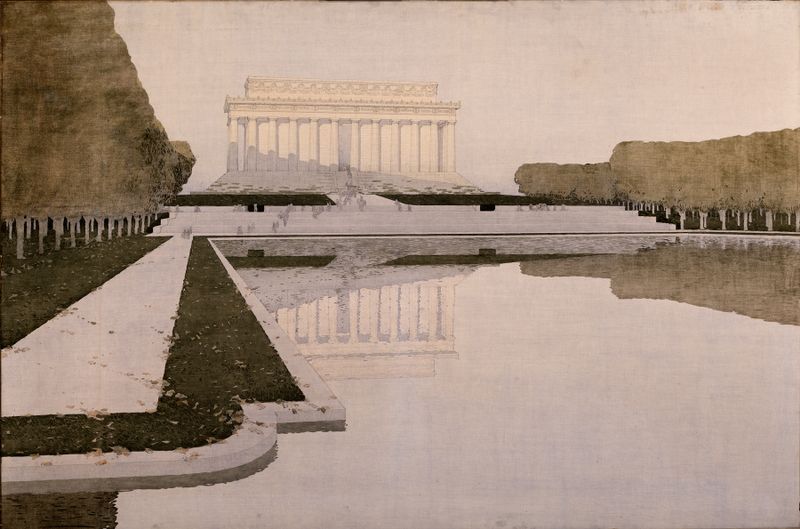
Lincoln Memorial
Henry Bacon
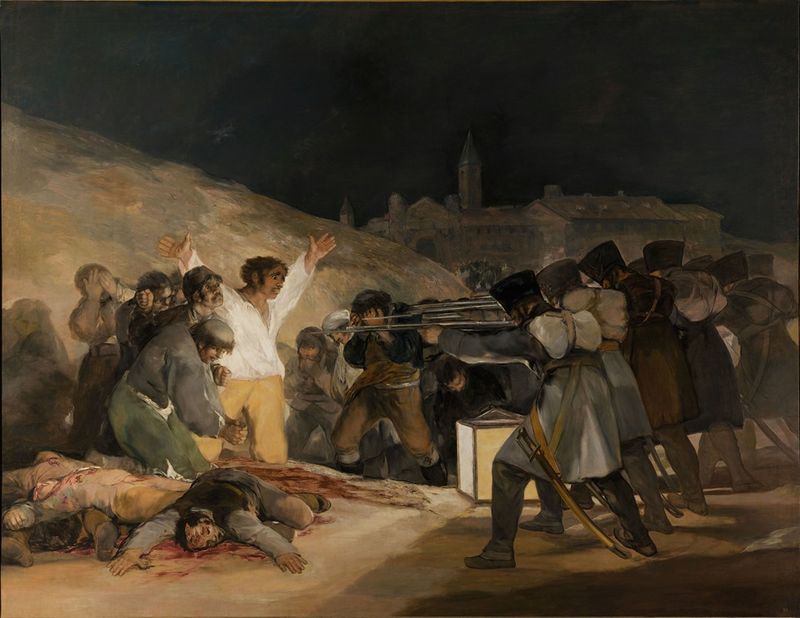
The Third of May 1808
Francisco de Goya

Isaac and Rebecca, Known as ‘The Jewish Bride’
Rembrandt van Rijn
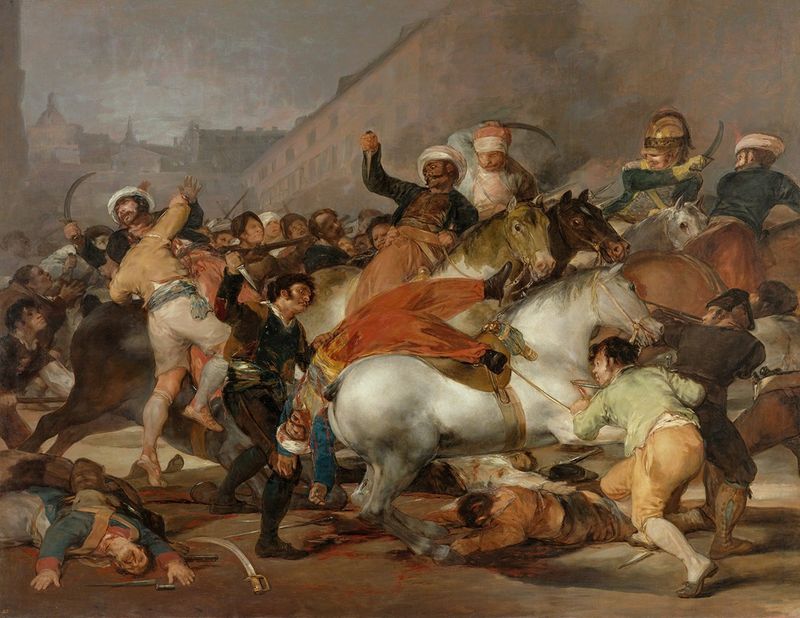
The Charge of the Mamelukes (1814)
Francisco de Goya

De vier ruiters van de apocalyps
Albrecht Dürer