
Independence Hall in Philadelphia — History & Facts
In the hands of Ferdinand Richardt, time becomes a living entity, captured in the essence of a place steeped in history. Each detail invites reflection on the moments that shaped a nation, urging us to connect with the past in ways both profound and personal. Look to the foreground where the majestic Independence Hall stands proudly, its red brick façade bathed in warm, golden light. The clarity of the architecture is striking, drawing your eye to the clock tower that hints at the relentless passage of time.
Notice how the gentle strokes of green in the surrounding trees contrast with the structured geometries, creating a harmony between nature and man-made achievement. Each element is meticulously rendered, giving life to the story held within these walls. Beneath the surface, the painting speaks of contrasts: the stillness of the building juxtaposed with the dynamism of history that flows around it. The light symbolizes hope and freedom, while the shadows cast by the trees evoke the weight of memory and sacrifice.
This duality reflects the ongoing dialogue between past and present, urging viewers to consider their role in the continuity of this legacy and the importance of these moments in shaping the future. Richardt created this work during a period of growing interest in American history and identity, likely in the mid-19th century. His focus on iconic sites like this reflects a broader movement among artists to capture the essence of American nationalism. As he painted, the country was grappling with its recent past, the burgeoning industrial age, and a solidifying sense of self, making his depiction of such a pivotal landmark all the more poignant.
More Artworks by Ferdinand Richardt
Browse all →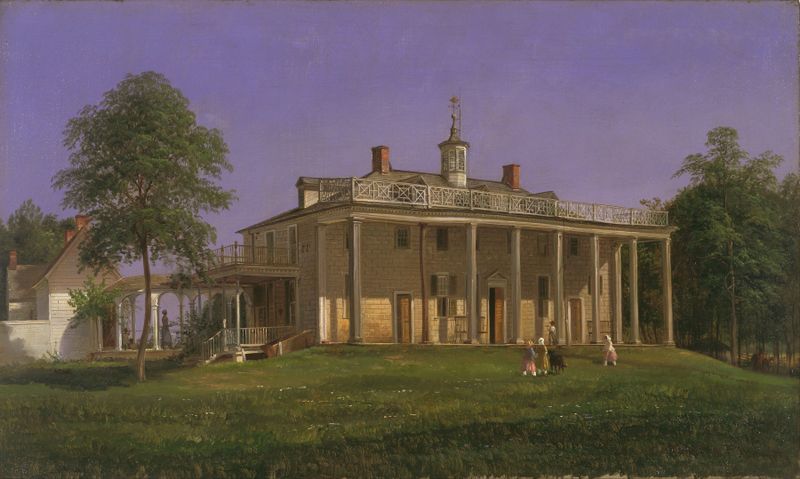
View of Mount Vernon
Ferdinand Richardt
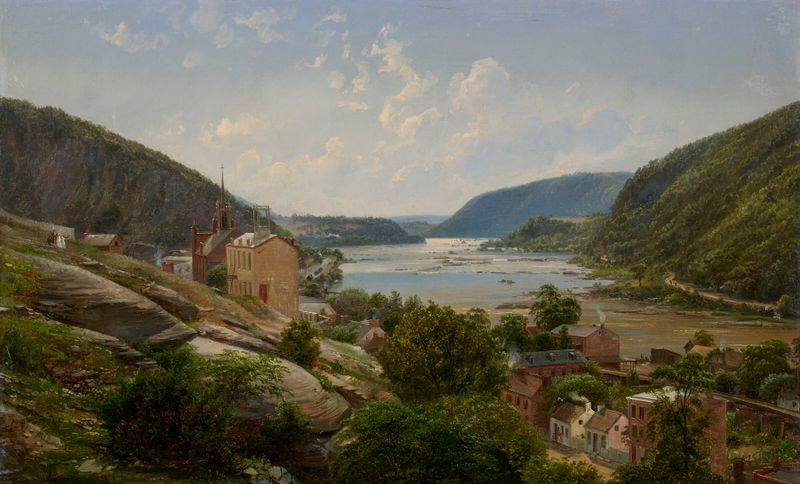
Harper’s Ferry, Virginia
Ferdinand Richardt
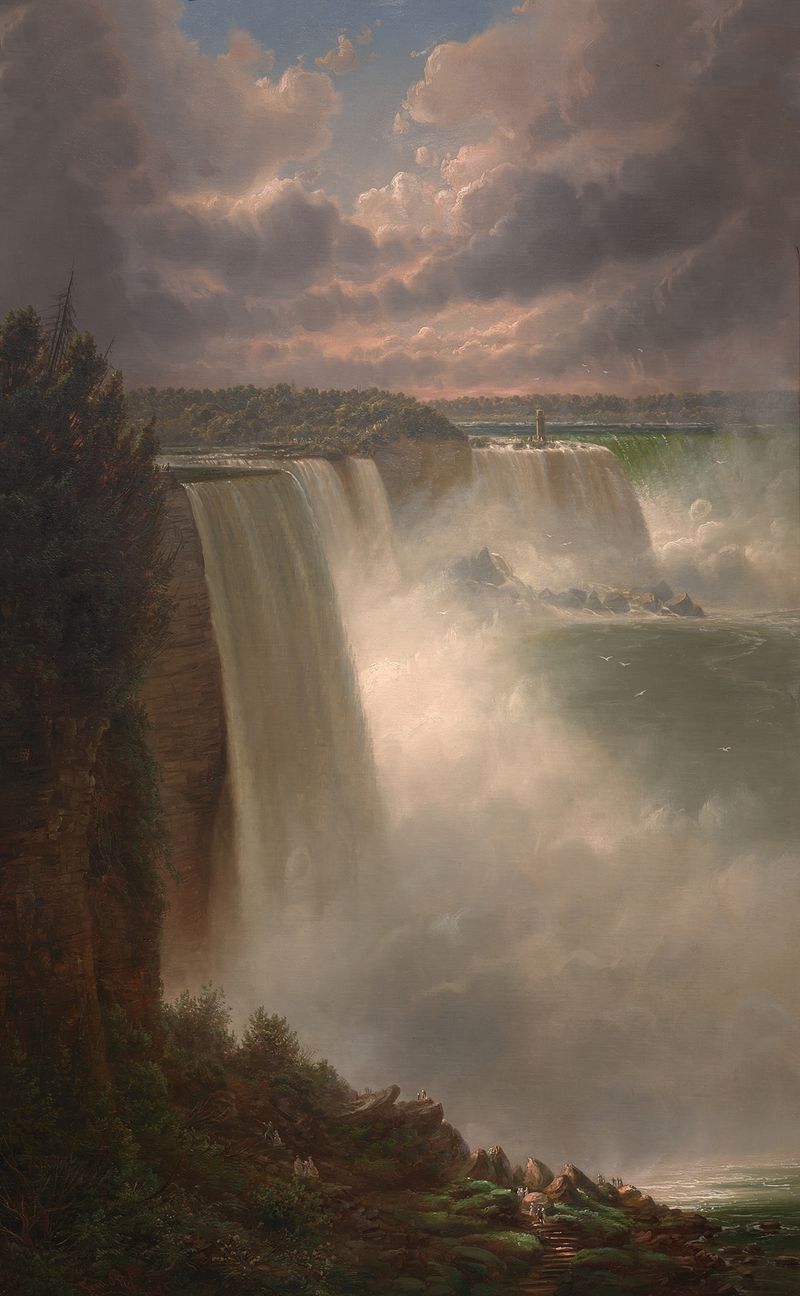
Niagara Falls
Ferdinand Richardt
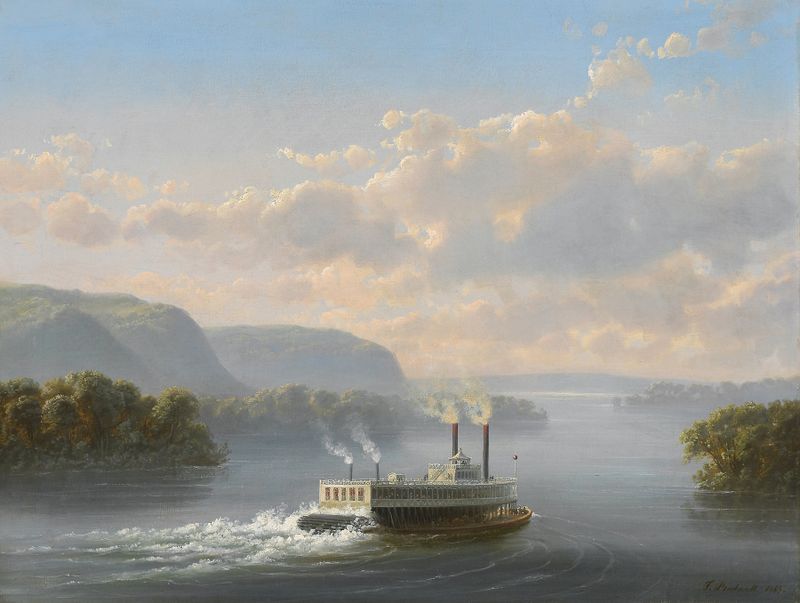
Steamwheeler on the Upper Mississippi
Ferdinand Richardt
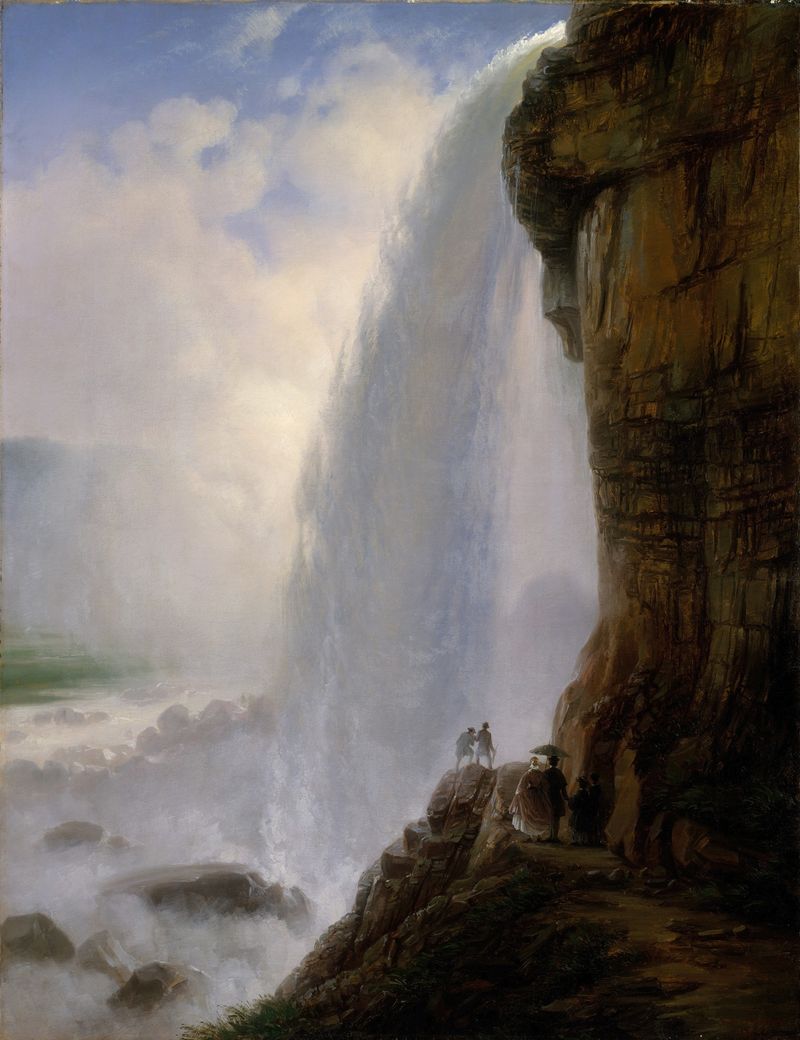
Underneath Niagara Falls
Ferdinand Richardt

View of the ruined castle of Hammershus
Ferdinand Richardt
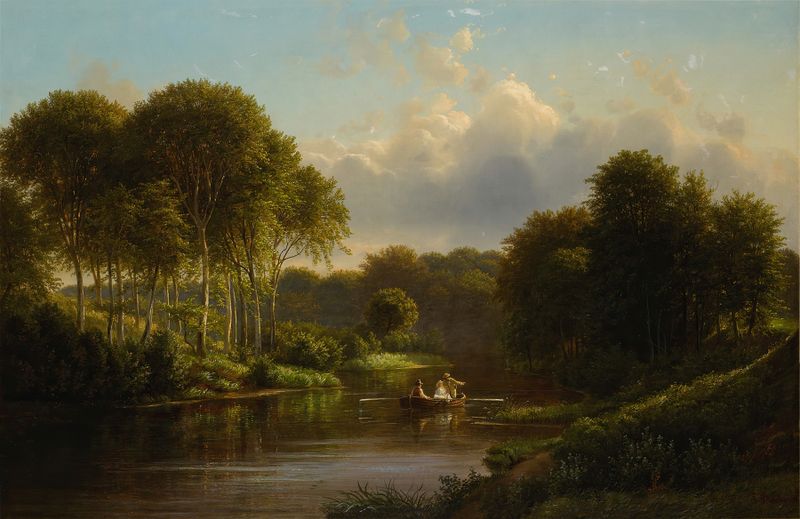
Boating on the Susquehanna
Ferdinand Richardt
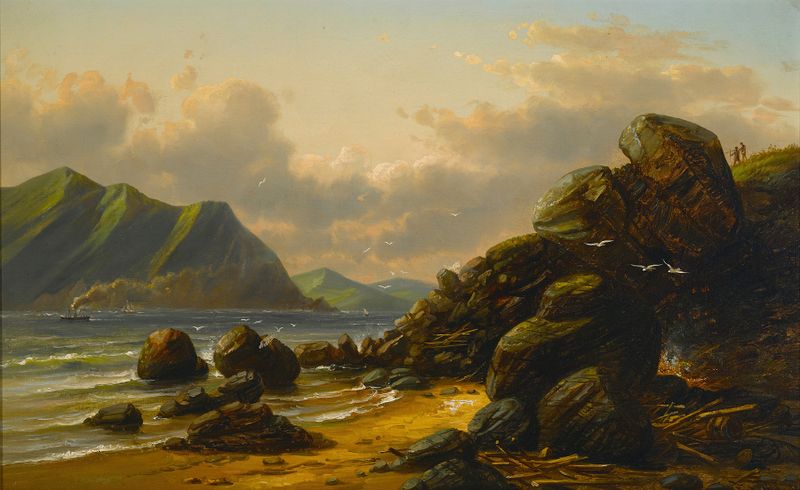
Land’s End, San Francisco
Ferdinand Richardt
More Architecture Art
Browse all →
The statue of Liberty
Frédéric Auguste Bartholdi

View of Houses in Delft, Known as ‘The Little Street’
Johannes Vermeer

View of Houses in Delft, Known as ‘The Little Street’
Johannes Vermeer

The Cathedral in Rouen. The portal, Grey Weather
Claude Monet

The yellow house
Vincent van Gogh

The Church in Auvers-sur-Oise, View from the Chevet
Vincent van Gogh