
Niagara Falls — History & Facts
Can paint confess what words never could? In Niagara Falls, the cascading waters are not just a spectacle; they are a timeless embodiment of nature’s raw power and beauty. Look to the center, where the thundering waterfall dominates the canvas. Notice how the artist captures the interplay of light and shadow, revealing the frothy white crests that seem to dance in the air. The vibrant greens and earthy browns of the surrounding landscape create a striking contrast with the brilliant blues and whites of the water, drawing your eye into the heart of the scene.
The meticulous brushstrokes create a sense of movement, as if you can feel the cool mist rising from the raging waters. Delve deeper, and you’ll find a complex dialogue between permanence and transience. The relentless flow of the water symbolizes the passage of time, while the rocky formations stand as silent witnesses to eons of change. There is a palpable tension between the force of nature and the stillness of the land, evoking a sense of awe and introspection.
This juxtaposition invites contemplation on the fleeting moments that shape our experiences, as if the artist urges us to reflect on our own impermanence. Ferdinand Richardt completed this piece in 1860 during a visit to the iconic waterfalls of North America. At this time, he was deeply engaged with Romanticism, a movement that emphasized emotion and the sublime in nature. His work comes at a moment when the world was grappling with industrialization, and the natural beauty of places like Niagara Falls served as a powerful reminder of the power and majesty of the untamed wilderness.
More Artworks by Ferdinand Richardt
Browse all →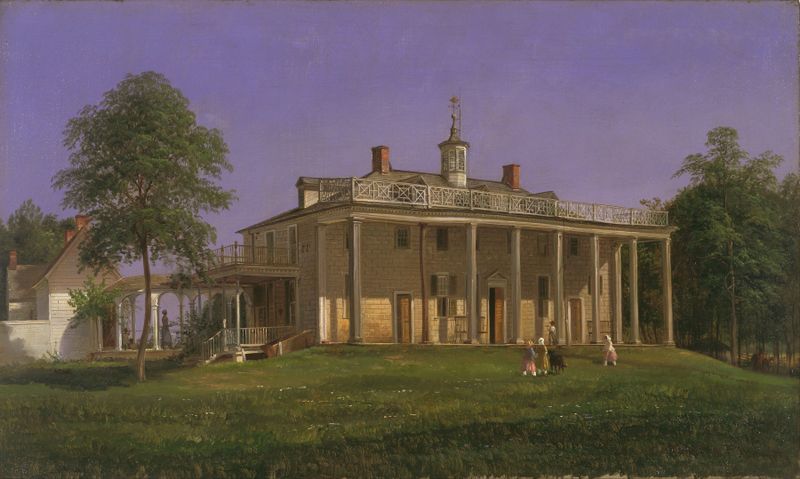
View of Mount Vernon
Ferdinand Richardt
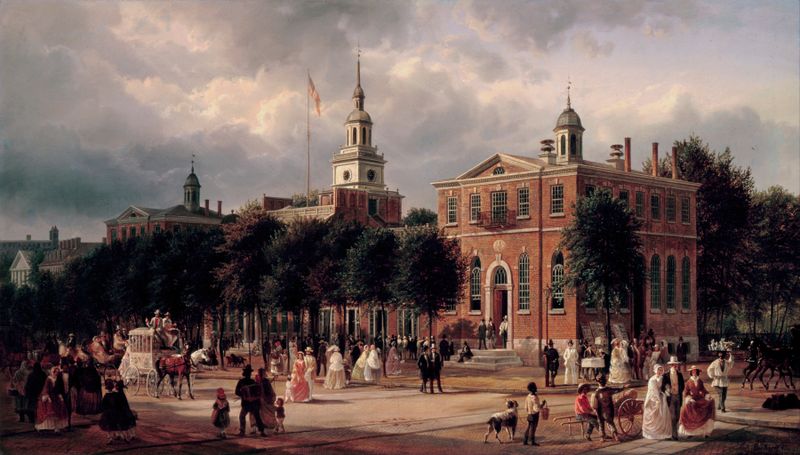
Independence Hall in Philadelphia
Ferdinand Richardt
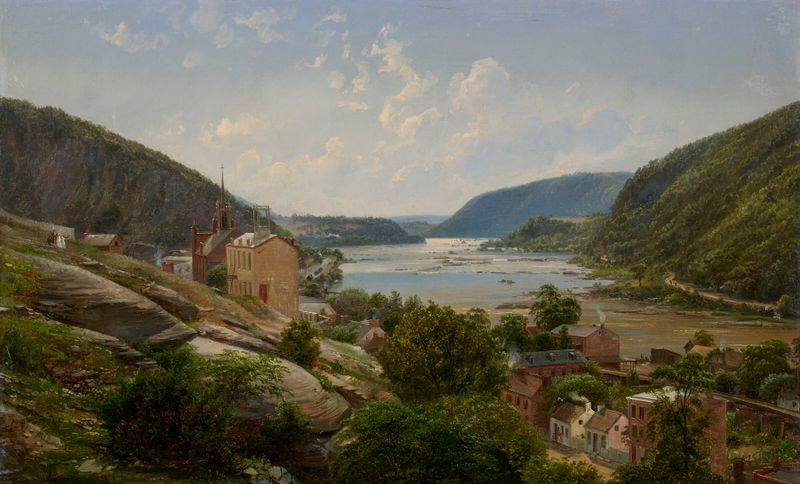
Harper’s Ferry, Virginia
Ferdinand Richardt
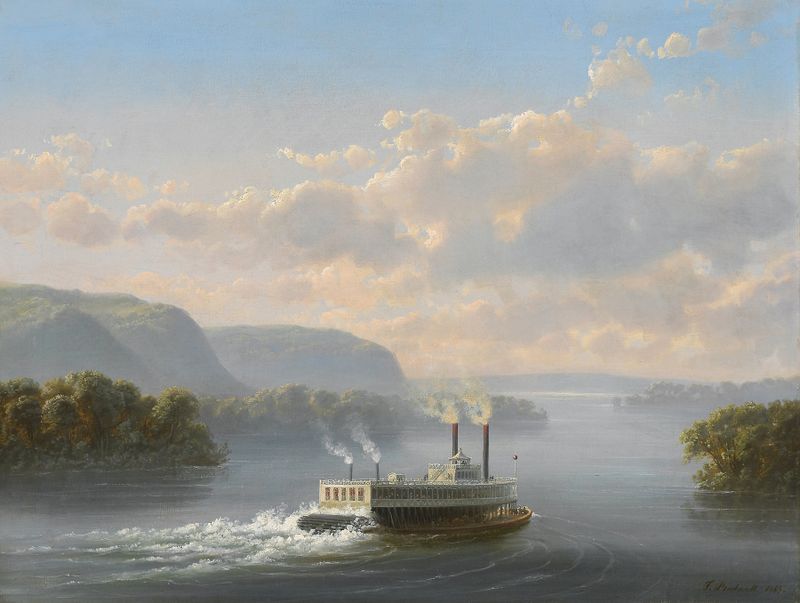
Steamwheeler on the Upper Mississippi
Ferdinand Richardt
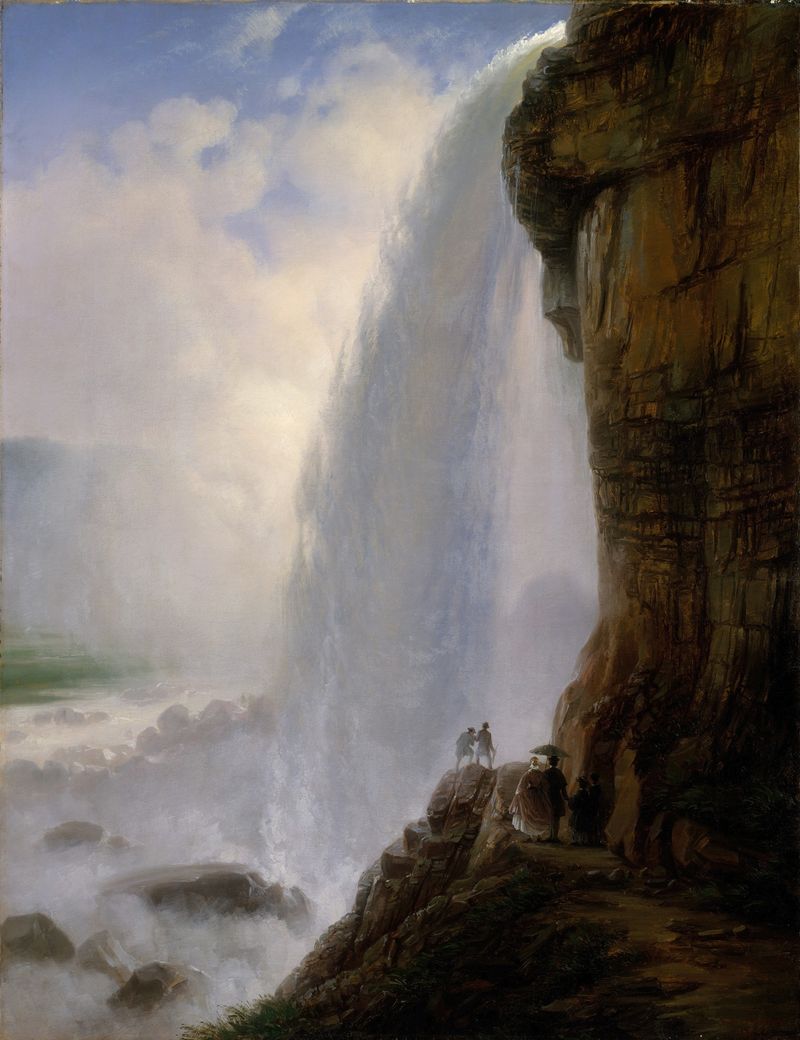
Underneath Niagara Falls
Ferdinand Richardt

View of the ruined castle of Hammershus
Ferdinand Richardt
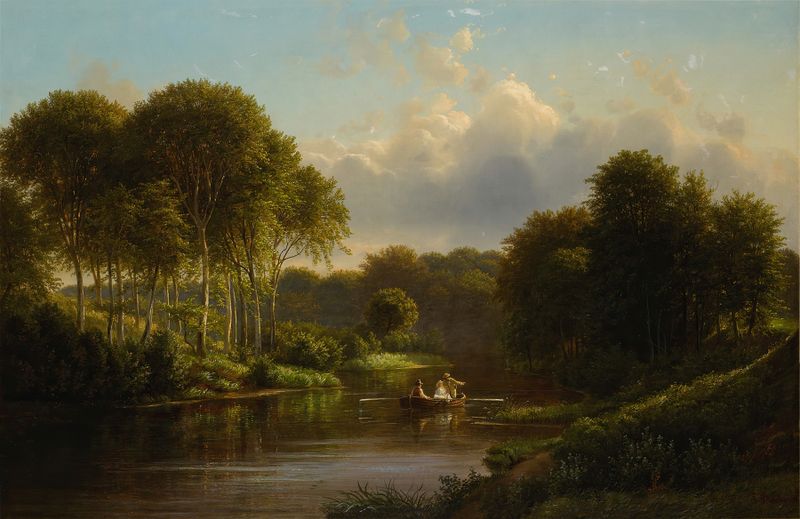
Boating on the Susquehanna
Ferdinand Richardt
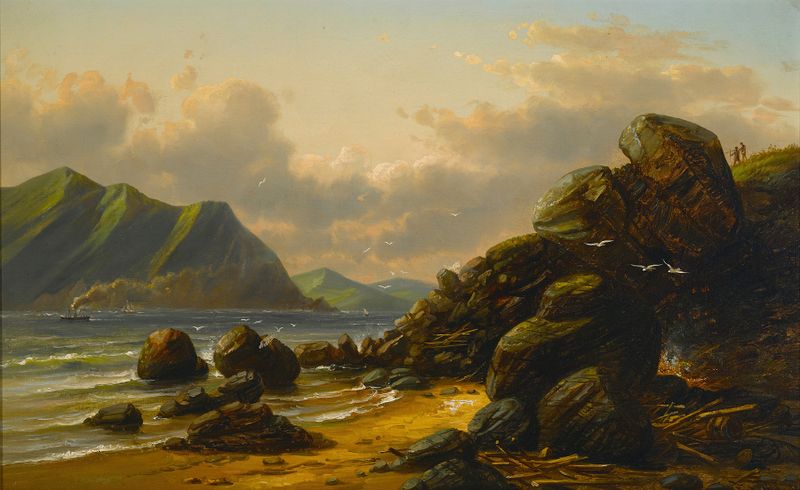
Land’s End, San Francisco
Ferdinand Richardt





