
View of the ruined castle of Hammershus — History & Facts
Could a single brushstroke hold eternity? In the delicate hues of View of the ruined castle of Hammershus, melancholy seeps from the canvas like morning mist, inviting contemplation of both beauty and decay. Look to the left at the crumbling stone walls, where the remnants of a once-mighty fortress rise against a backdrop of a muted sky. The artist’s careful brushwork captures the details of the weathered stones, each stroke vibrating with history. The palette, dominated by soft grays and muted greens, evokes a sense of nostalgia, while wisps of clouds dance across the horizon, suggesting the passage of time and the bittersweet essence of memory. Within this scene lies a poignant tension between permanence and transience.
The castle, though in ruins, stands defiantly against the elements, embodying resilience amidst decay. The distant horizon hints at an infinite expanse, contrasting the limited and fragmented nature of human endeavors. This interplay of light and shadow (and the stillness of the surrounding landscape) invites viewers to reflect on their own journeys through time, evoking a deep sense of longing. In 1849, Ferdinand Richardt painted this work during a period of significant artistic exploration, deeply influenced by Romanticism, which emphasized emotion and nature's sublime beauty.
While living in Denmark, he was captivated by the storied ruins of Hammershus, an embodiment of his longing for a connection with history and the natural world. At this time, the art landscape was shifting, moving towards the celebration of individual emotion and the fleeting moments of life, perfectly encapsulated in his evocative depiction.
More Artworks by Ferdinand Richardt
Browse all →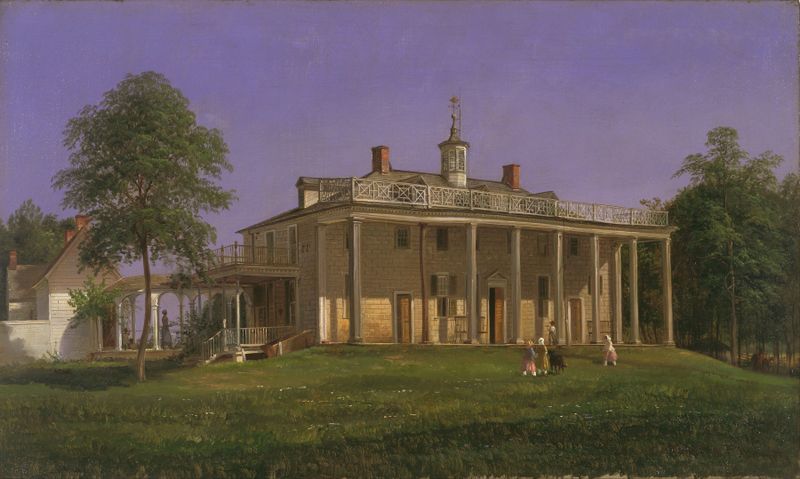
View of Mount Vernon
Ferdinand Richardt
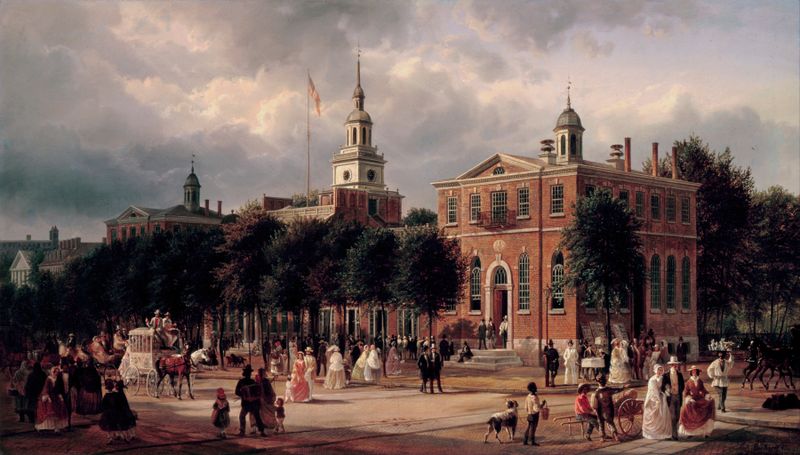
Independence Hall in Philadelphia
Ferdinand Richardt
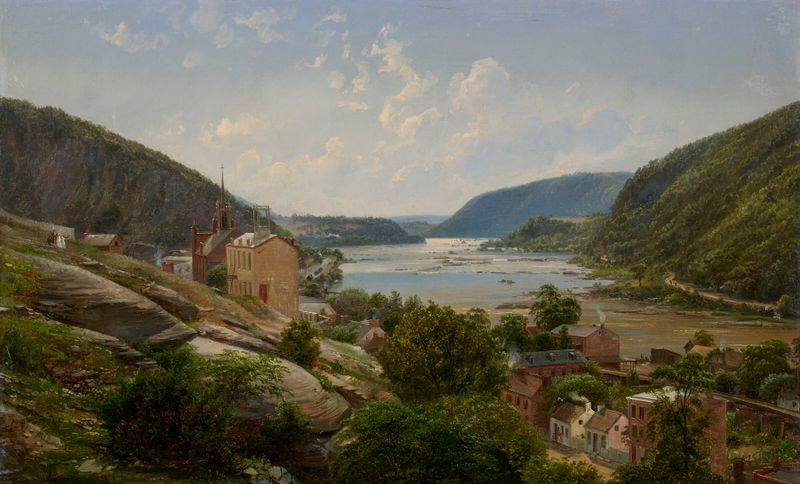
Harper’s Ferry, Virginia
Ferdinand Richardt
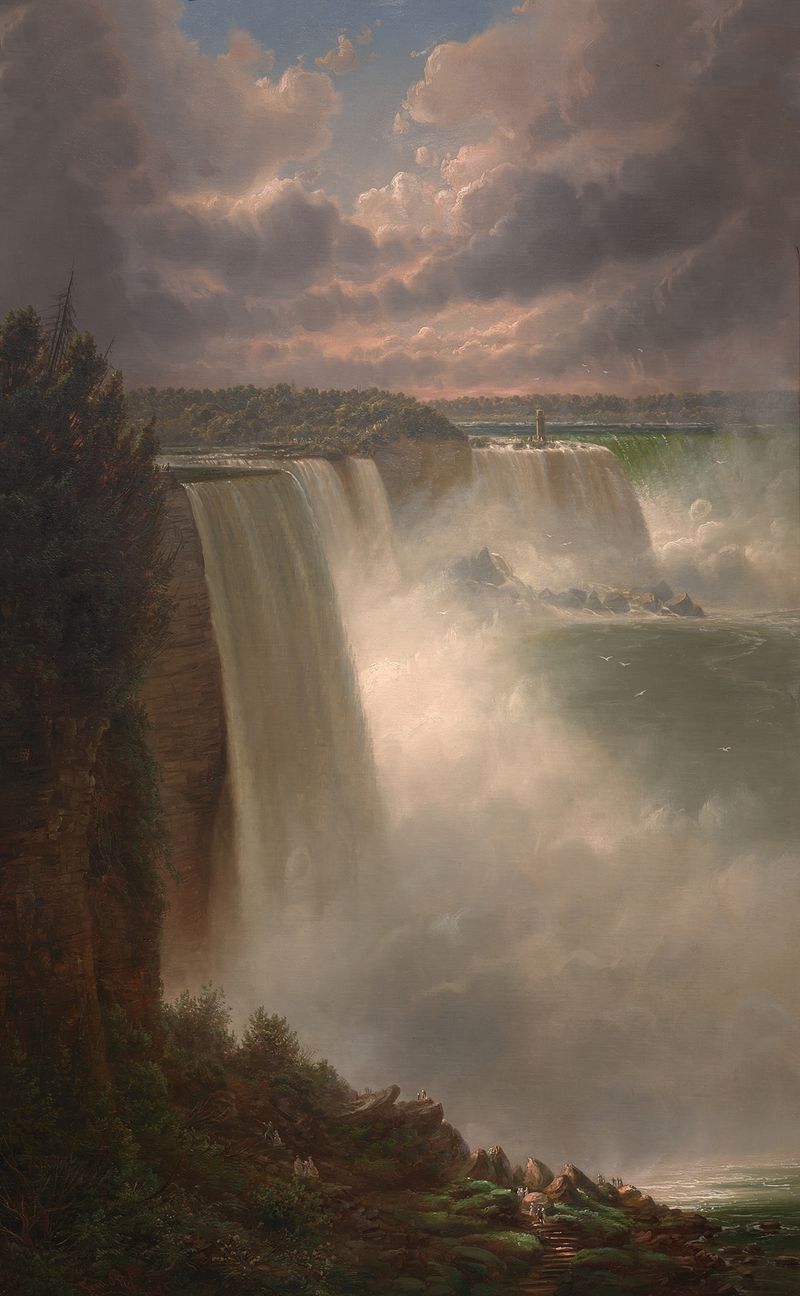
Niagara Falls
Ferdinand Richardt
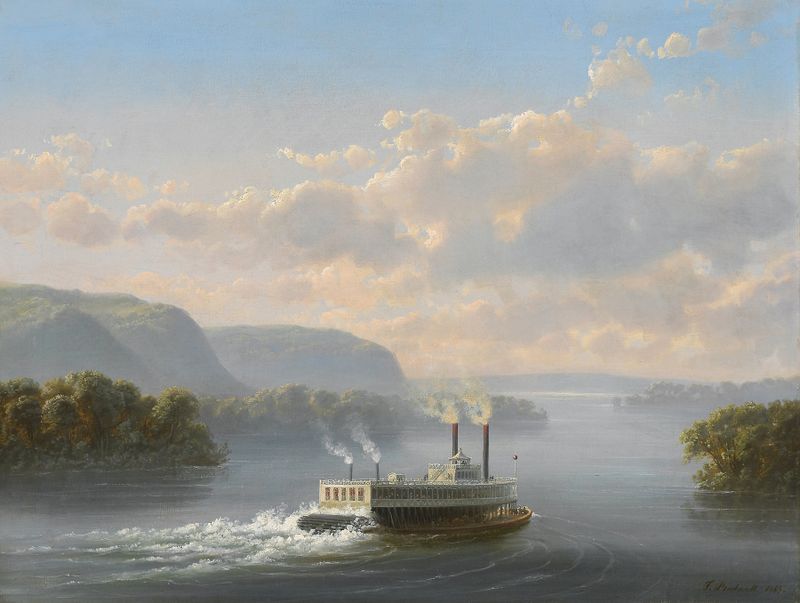
Steamwheeler on the Upper Mississippi
Ferdinand Richardt
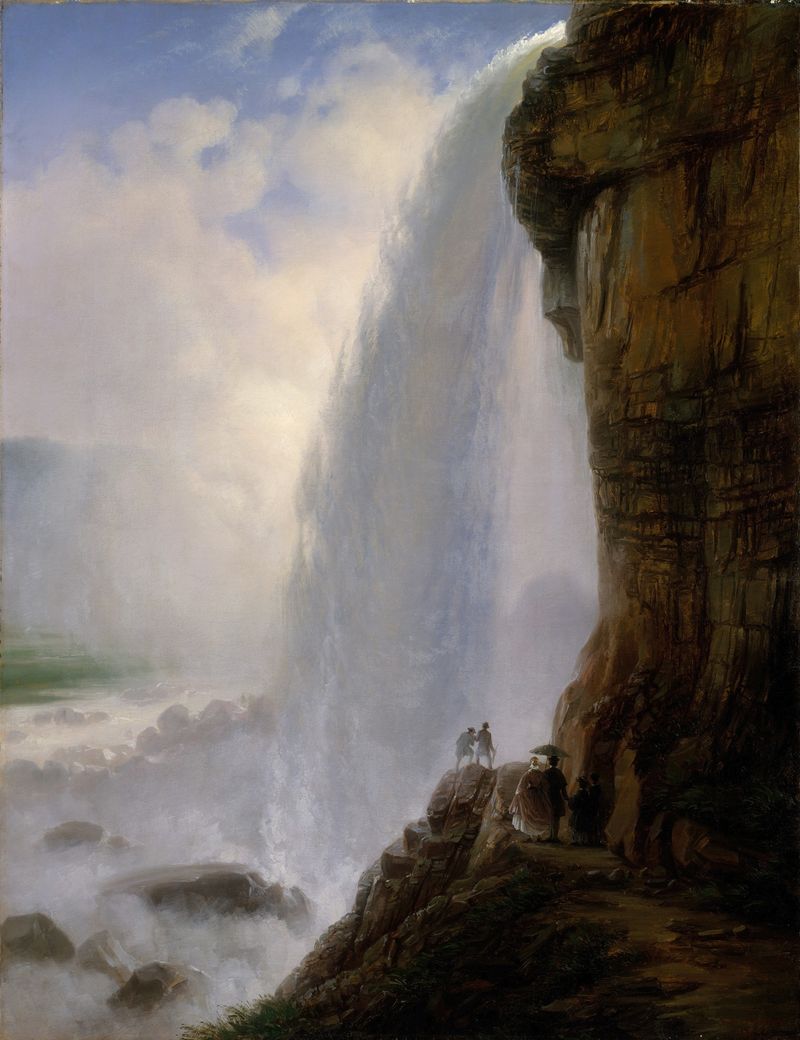
Underneath Niagara Falls
Ferdinand Richardt
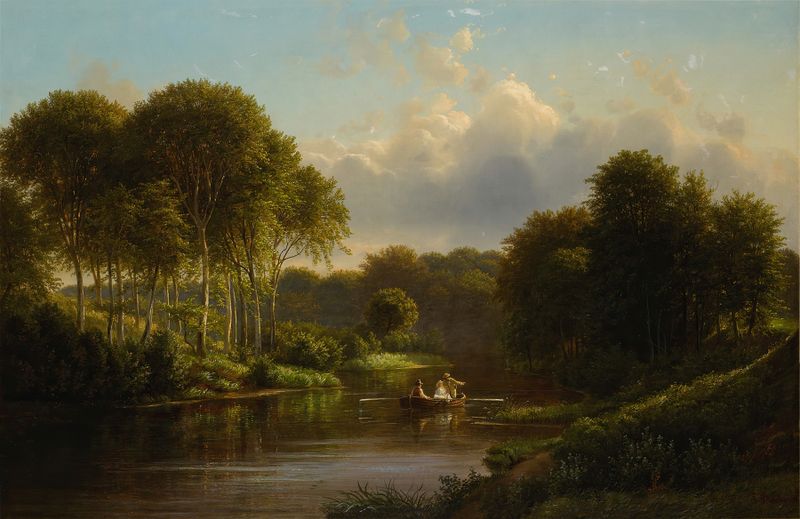
Boating on the Susquehanna
Ferdinand Richardt
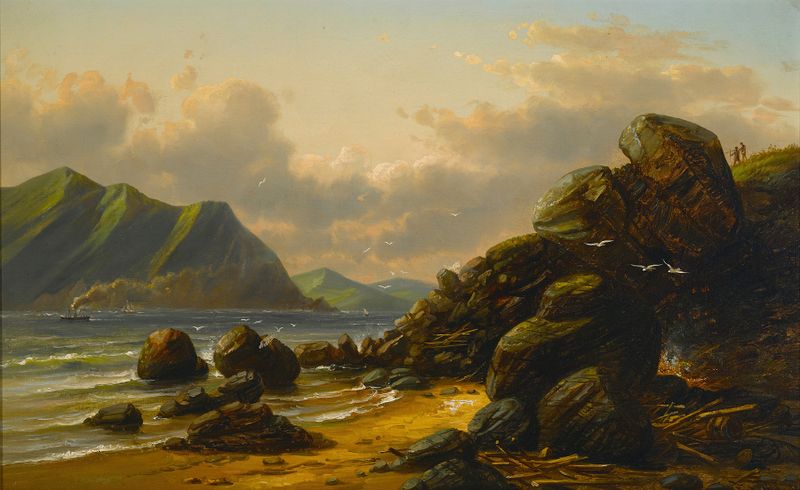
Land’s End, San Francisco
Ferdinand Richardt





