
Indian River Walk, Lover’s Lane — History & Facts
In the stillness of a painted moment, chaos and serenity exist side by side, inviting the viewer to step closer and explore their subtle interplay. Look to the left, where a winding path meanders through a dense thicket of trees. The lush greens and earthy browns envelop the scene, creating a sanctuary of nature that feels both inviting and foreboding. Notice how the dappled sunlight filters through the leaves, casting intricate shadows that dance upon the ground.
The brushstrokes are layered, evoking the sense of movement in the foliage while grounding the viewer in the tranquil but uncertain embrace of this riverside retreat. Yet, amidst this picturesque landscape lies an underlying tension. The river flows with an uncanny stillness, suggesting a deeper current of emotion beneath the surface. The juxtaposition of vibrant life and the creeping sense of solitude hints at a human presence that is both part of and apart from nature’s chaos.
The path could lead to connection or isolation, leaving us to ponder the choices that shape our journeys through life. Richardson painted Indian River Walk, Lover’s Lane in the 19th century, a time when artists were exploring the relationship between humanity and nature. Living during an era of rapid industrialization and change, he sought solace in the landscapes that surrounded him. This artwork reflects his attempt to fuse the beauty of the natural world with the complexities of human emotion, forging a timeless dialogue that resonates with viewers even today.
More Artworks by Theodore J. Richardson
Browse all →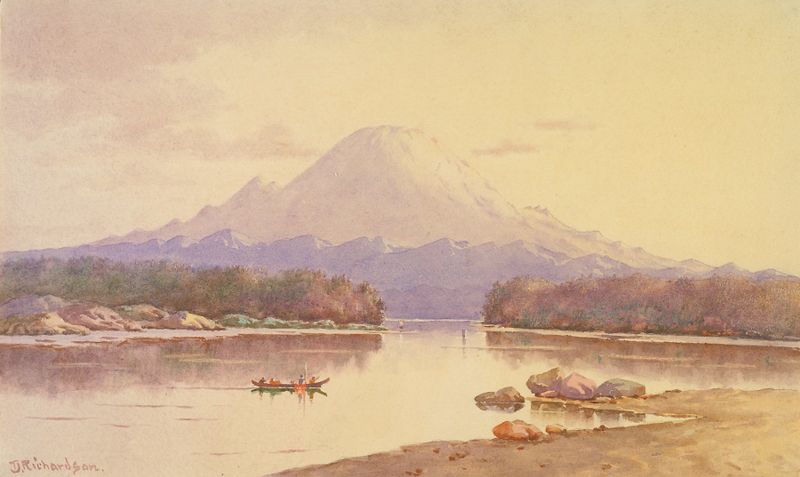
Mount Rainier
Theodore J. Richardson
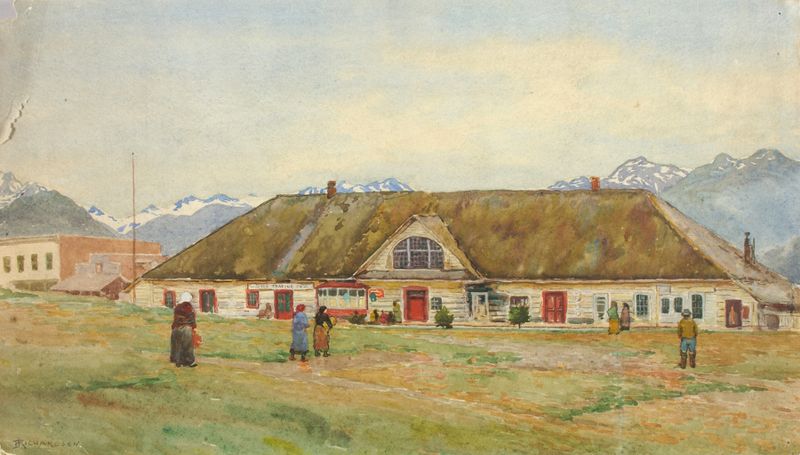
Old Russian Trading Post, Sitka
Theodore J. Richardson

The Ranch Native Village, Sitka, 1884
Theodore J. Richardson

Rear View Of Greek Church, Sitka, 1888
Theodore J. Richardson
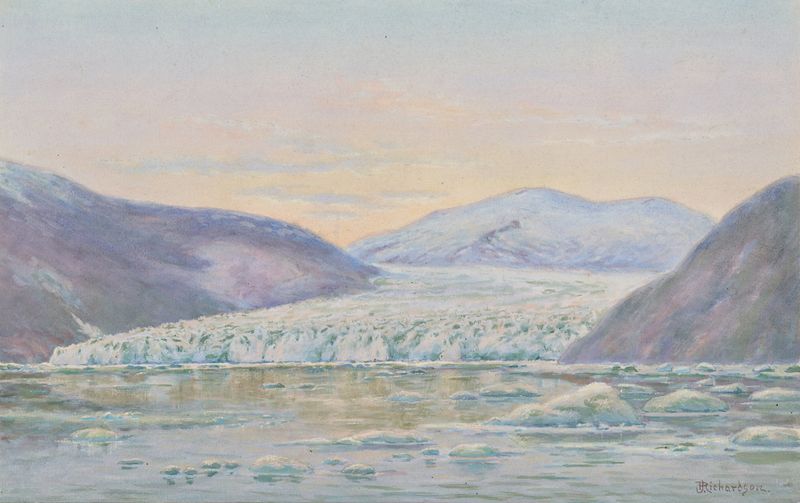
Taku Glacier, Evening
Theodore J. Richardson

St. Elias Alps
Theodore J. Richardson

Drying Blankets Over Canoes
Theodore J. Richardson

In The Old Quarter, Sitka, 1900
Theodore J. Richardson
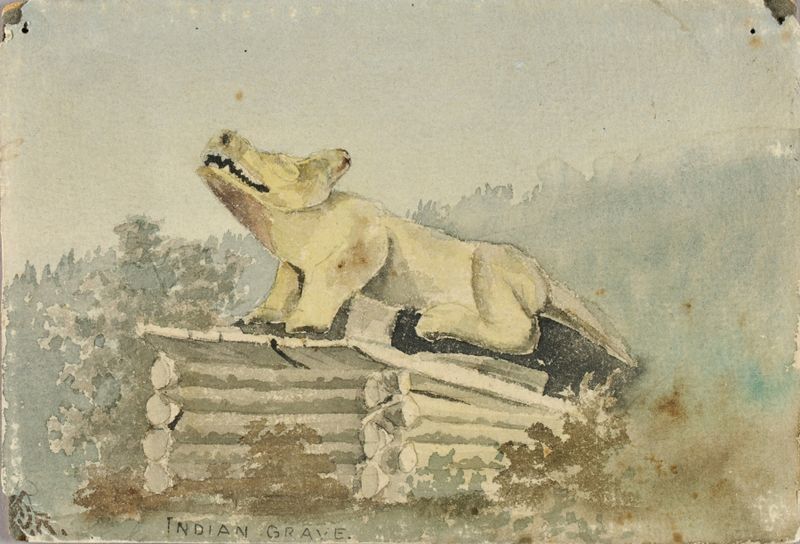
Indian Grave. Wolf Totem Over Medicine Man Grave, Wrangell
Theodore J. Richardson
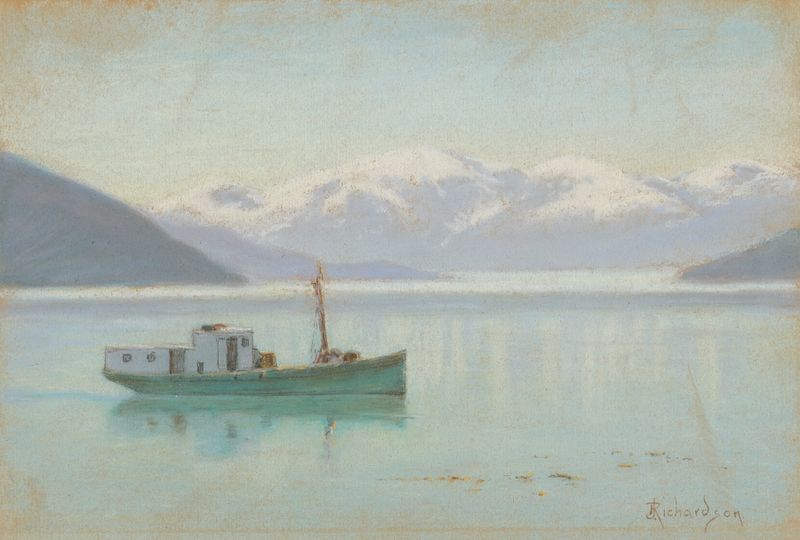
Jack Mantle’s Boat
Theodore J. Richardson





