
Indian shrine Hiesa in Udaipur From the journey to India — History & Facts
In a world where emptiness often feels daunting, the alchemy of art transforms it into a profound space for reflection. Focus first on the serene expanse of the painting, where muted colors blend seamlessly to evoke the tranquility of a sacred site. Gaze at the intricate details of the shrine, alive with the rich textures of stone and the gentle hues of ochre and ivory. Notice how light caresses the surface, illuminating the subtle contrasts between shadow and illumination, creating a dialogue that feels both intimate and expansive.
The composition invites you to wander through the stillness, each stroke revealing the artist's meticulous observation and respect for the spiritual ambiance. Delve deeper into the emotional undercurrents that pulse within the artwork. The emptiness surrounding the shrine suggests a sacred space that is not merely physical but resonates with the weight of contemplation. Here, absence becomes a tapestry of potential, encouraging viewers to explore their own thoughts and feelings.
The juxtaposition of the ornate shrine against the quiet backdrop accentuates the loneliness often felt in devotion, prompting a reflection on the search for meaning in a world that often feels devoid of it. In 1907, Jan Ciągliński created this piece while exploring India, a journey that profoundly influenced his artistic vision. At that time, he was captivated by the rich cultural tapestry of the subcontinent, which offered him a fresh perspective on spirituality and artistic expression. The early 20th century was a period of dynamic shifts in art, as artists sought to break free from tradition, and Ciągliński's work reflects this desire for exploration and understanding in a complex world.
More Artworks by Jan Ciągliński
Browse all →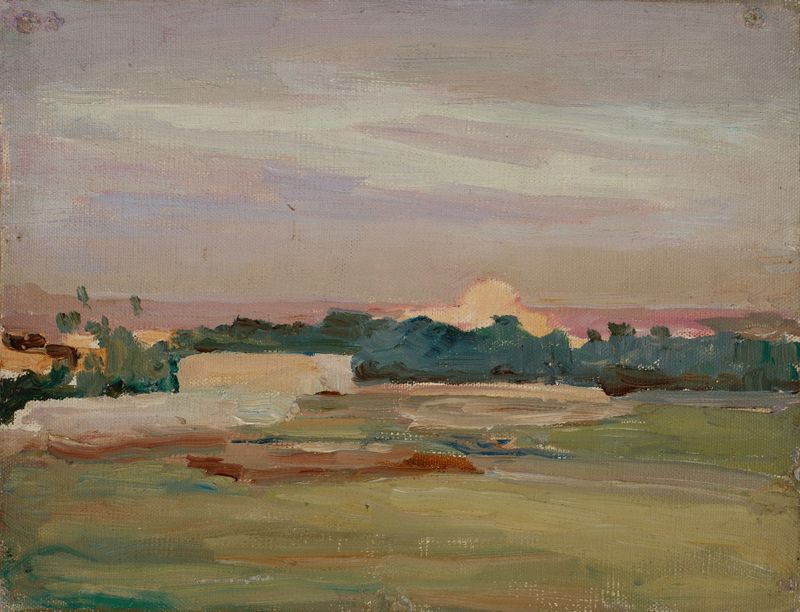
The Sirocco
Jan Ciągliński
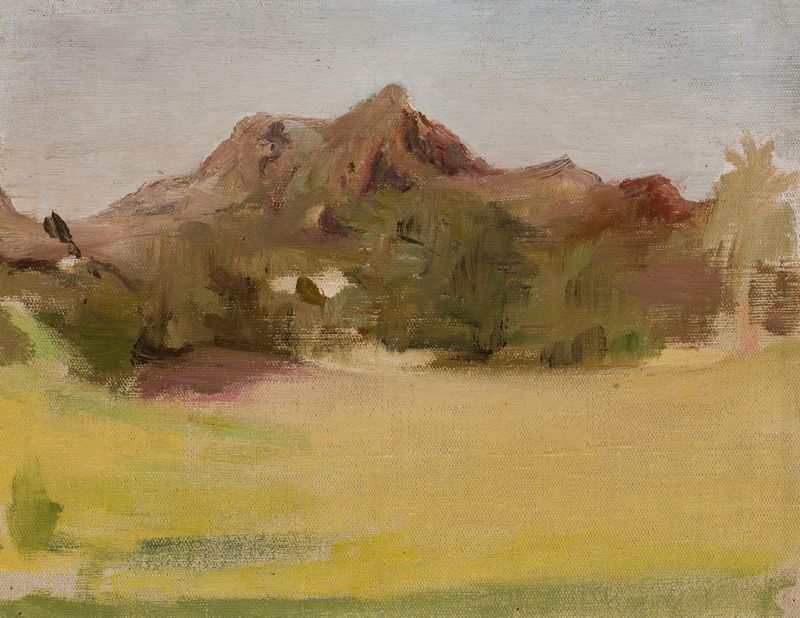
Mountain landscape. From the journey to India
Jan Ciągliński
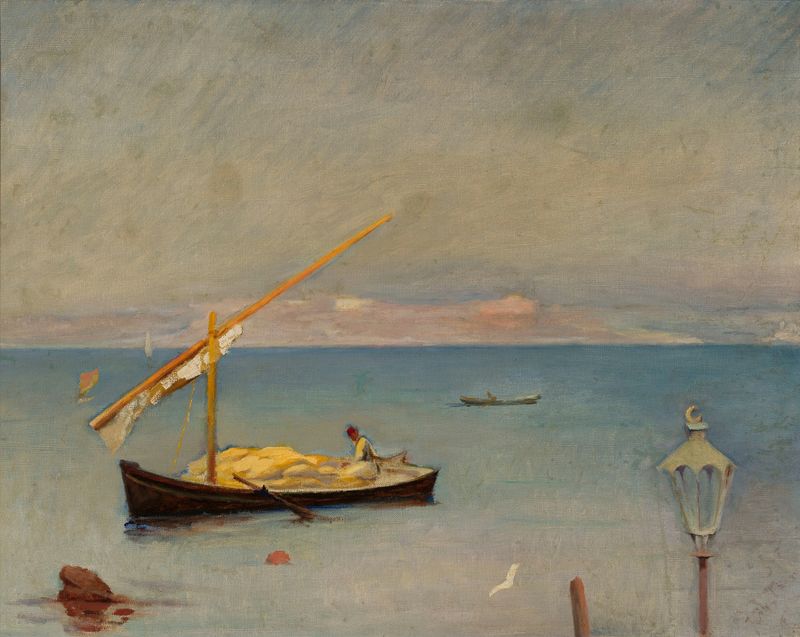
At Bosporus
Jan Ciągliński
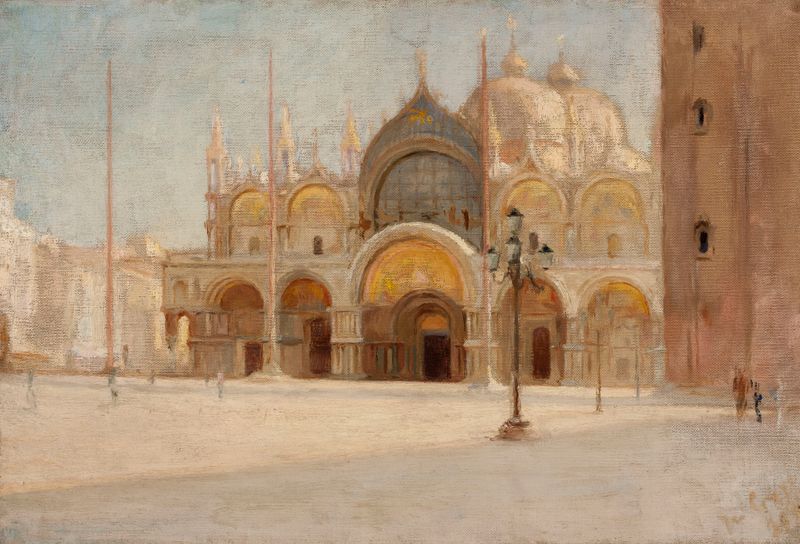
St Mark’s Square in Venice
Jan Ciągliński
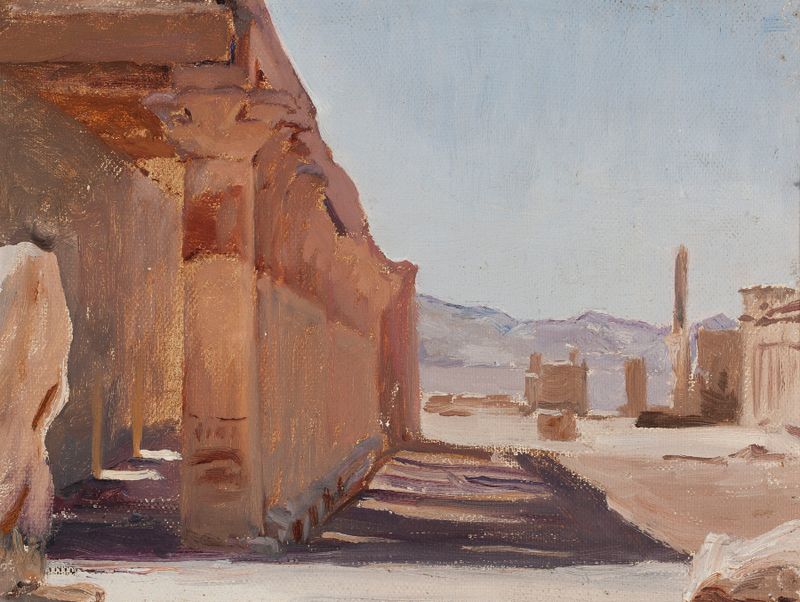
Temple. From the journey to Egypt
Jan Ciągliński
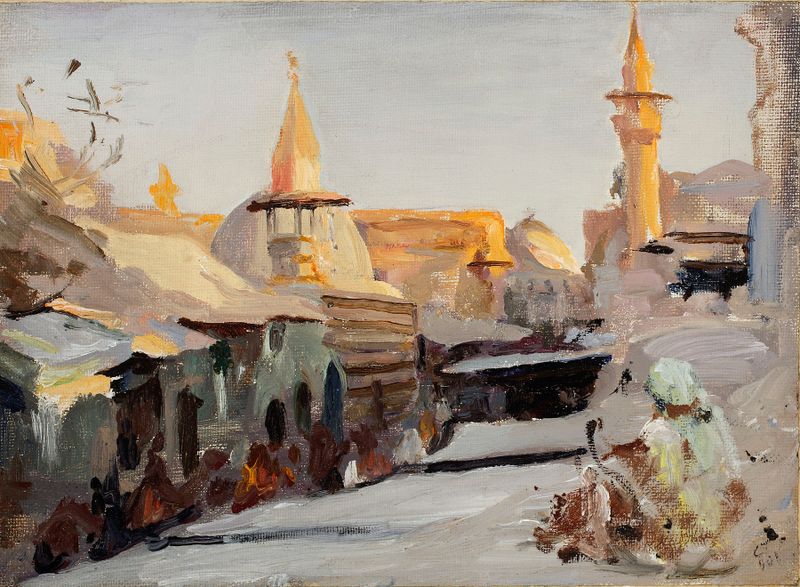
Street in Damascus. From the journey to Palestine
Jan Ciągliński
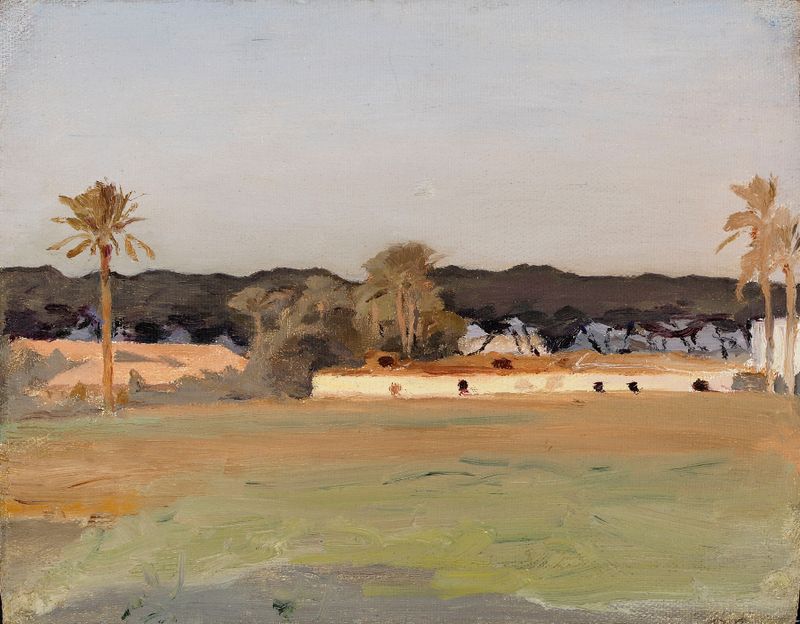
Evening. From the journey to Egypt
Jan Ciągliński
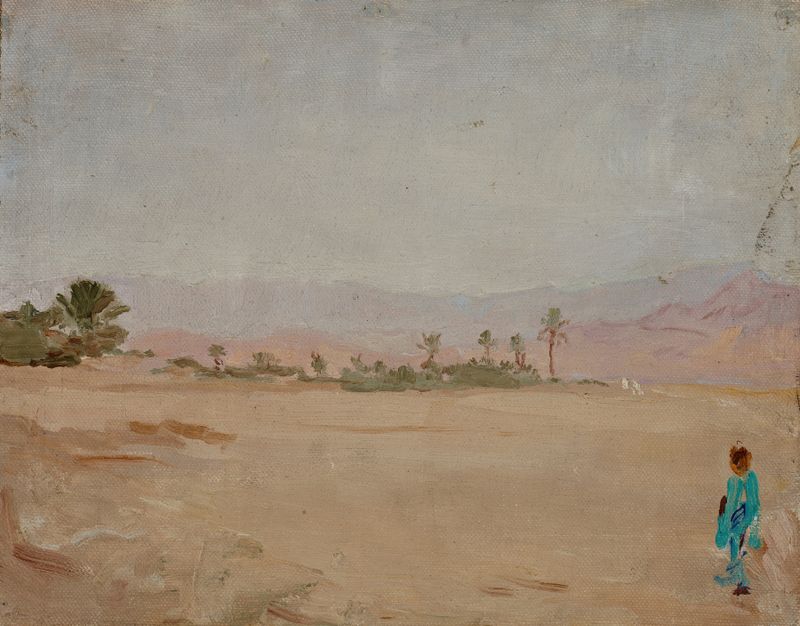
Sahara (Desert)
Jan Ciągliński
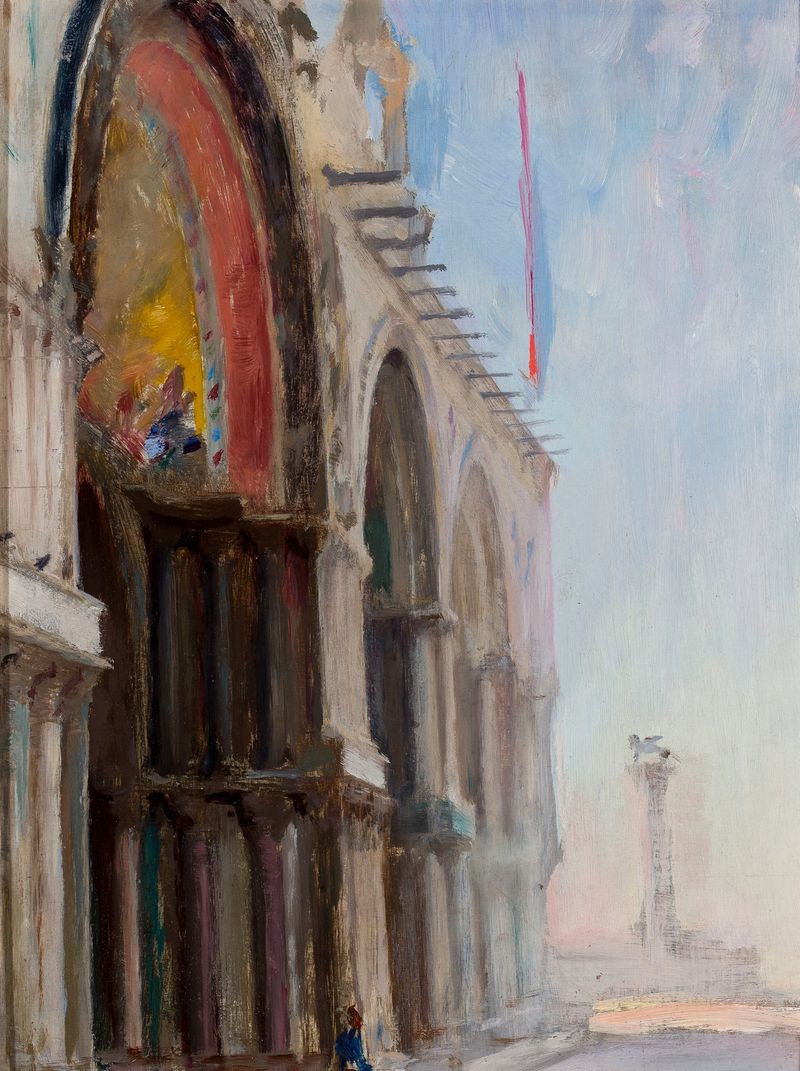
Venice – San Marco. From the journey to Italy
Jan Ciągliński
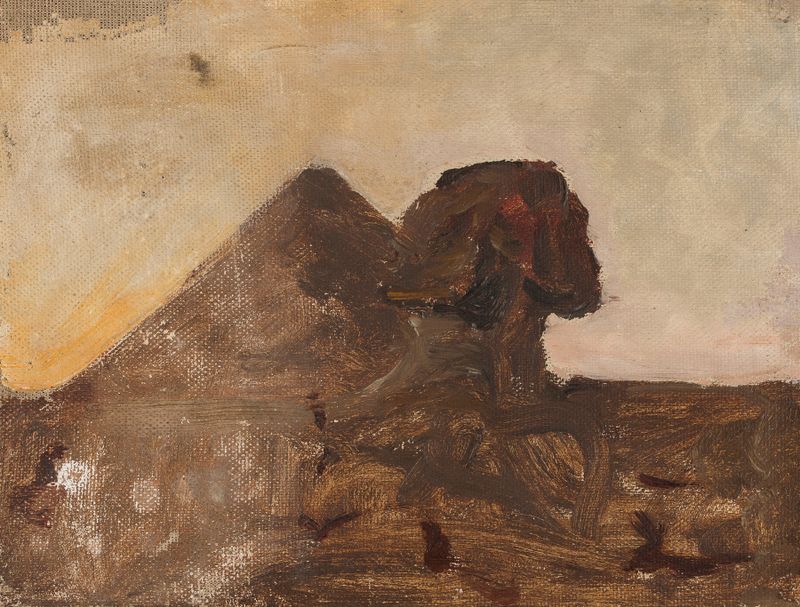
Evening in the desert – Sphinx and pyramid. From the journey to Egypt
Jan Ciągliński





