
Inondation À Venise — History & Facts
Did the painter know this moment would outlive them? In Inondation À Venise, the essence of mortality is woven into each brushstroke, a reminder that beauty and decay are inseparable companions. Look to the foreground where murky waters lap against the stone structures, their eroded façades whispering tales of yesterday. Notice how the light filters through the clouds, casting a subdued glow over the scene, amplifying the melancholy of a city caught between splendor and ruin. The palette is rich with earthy tones, deep blues, and muted grays, evoking the weight of history as it merges with the present moment. Within this tranquil yet unsettling landscape lies an interplay of transience and resilience.
The boats, nearly submerged, symbolize life’s fragility amid the inexorable march of time. In the distance, the iconic gondolas, traditionally romantic, now seem to float in an elegy rather than a celebration. Each detail, from the water’s undulating surface to the distant figures navigating the flooded streets, hints at the struggle against an unforgiving landscape that knows no mercy. Félix Ziem painted this work between 1880 and 1900, during a period when Venice faced increasing environmental challenges.
As urbanization threatened its delicate architecture, the artist captured the city's vulnerability, reflecting both his personal preoccupations with impermanence and the broader anxieties of an era witnessing profound transformation. In this moment, Ziem not only immortalized a scene but also spoke to the existential concerns that resonate with us today.
More Artworks by Félix Ziem
Browse all →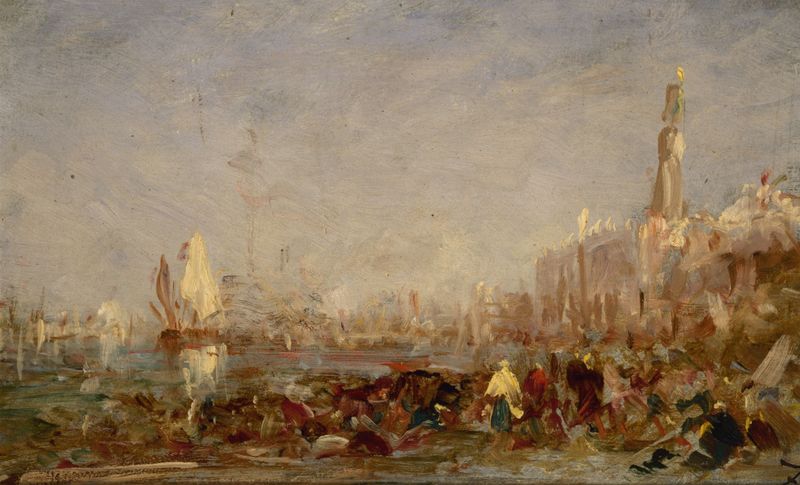
Venise
Félix Ziem
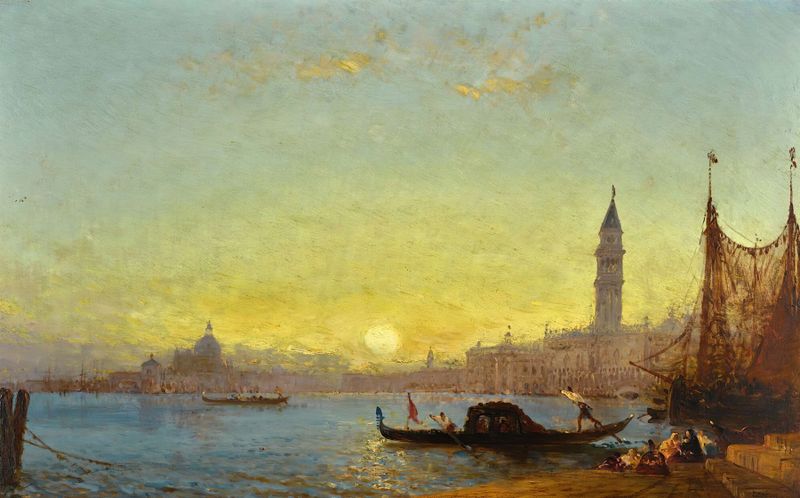
Coucher De Soleil À Venise
Félix Ziem
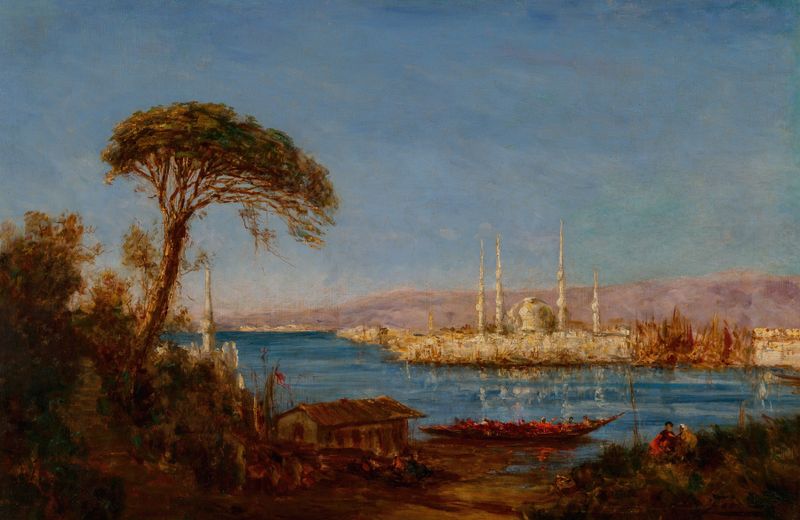
Constantinople
Félix Ziem
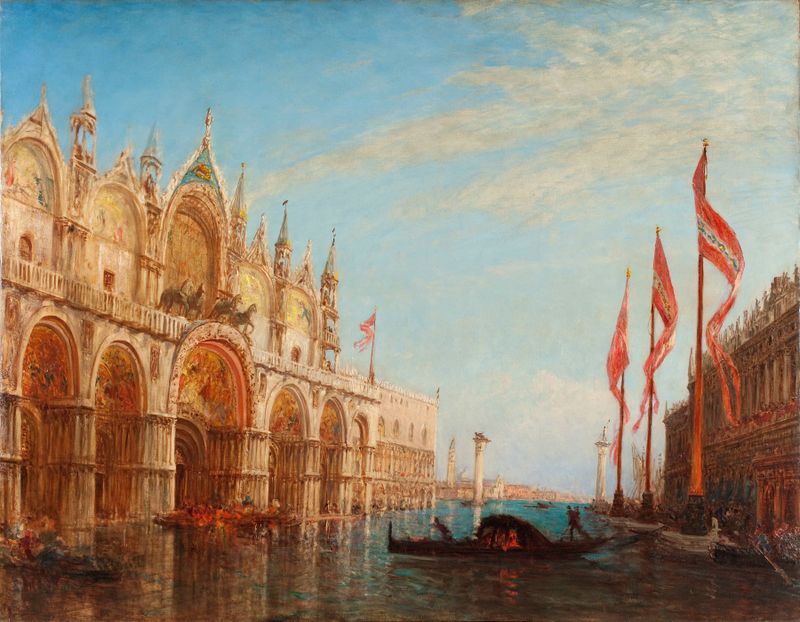
La place Saint-Marc, inondation de 1863
Félix Ziem
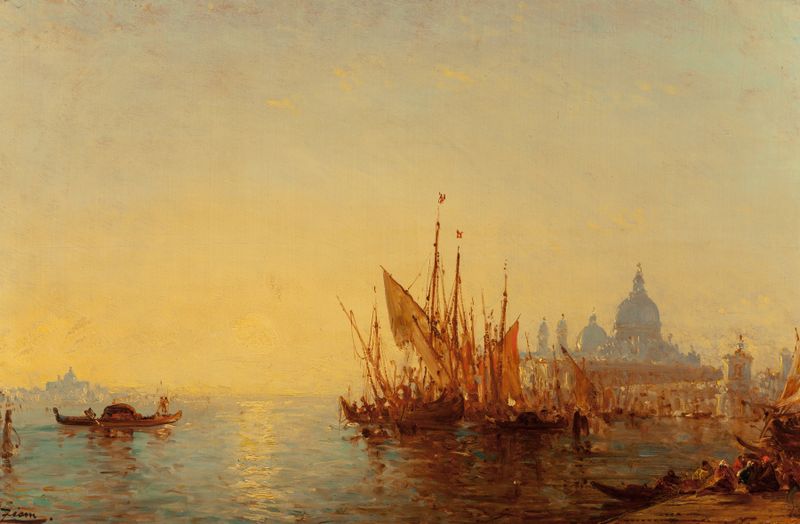
Bacino di San Marco
Félix Ziem
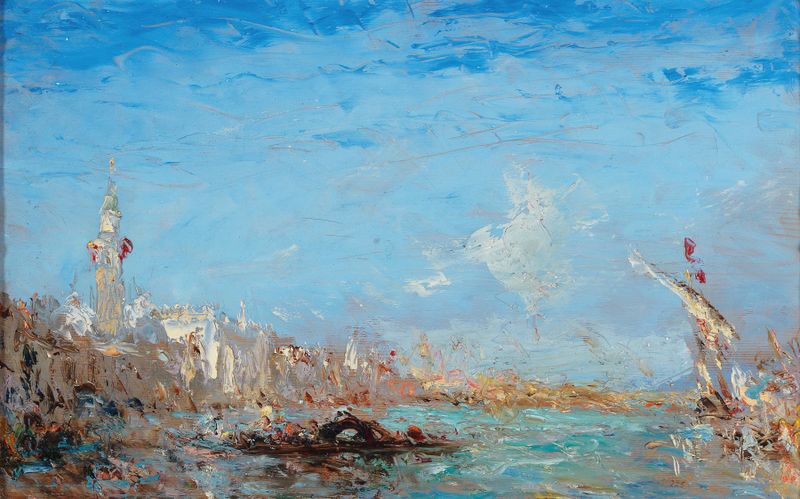
Canal Grande
Félix Ziem
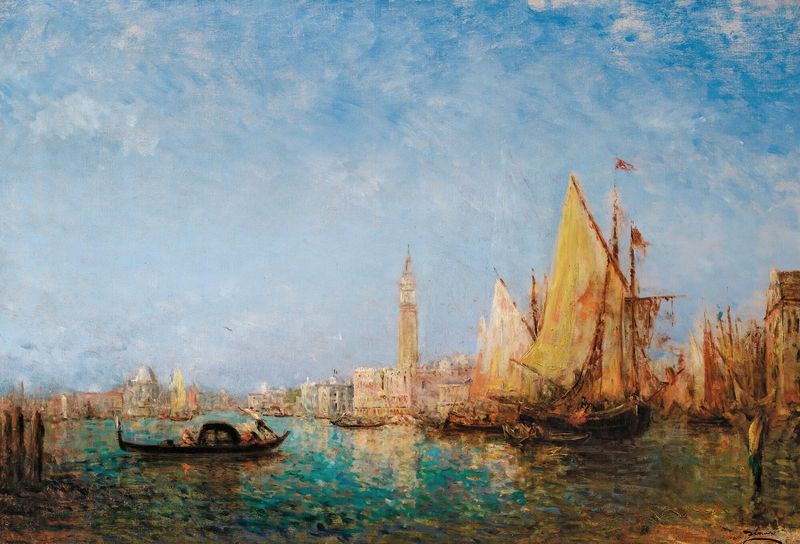
Le Palais Du Doge, Venise
Félix Ziem
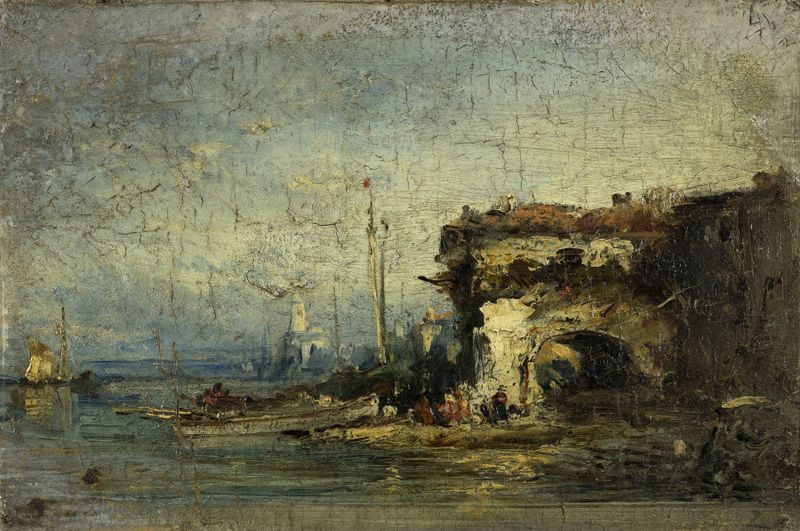
Vue d’Italie; la vieille porte
Félix Ziem
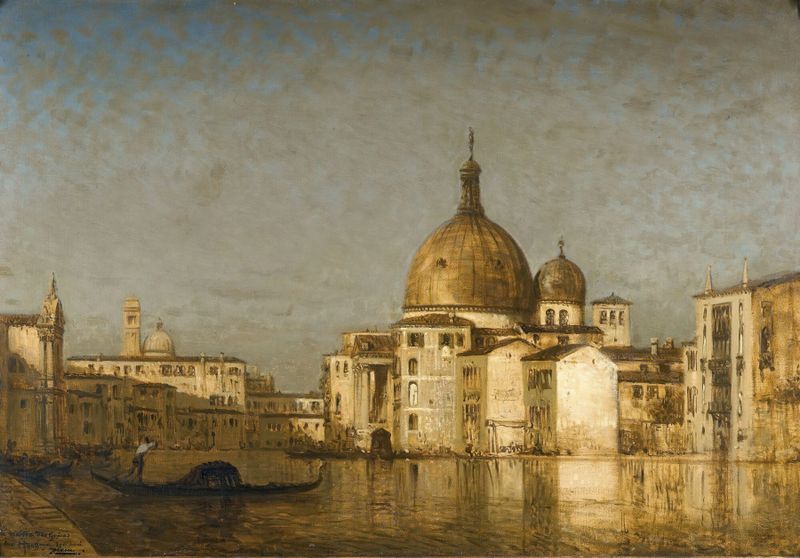
San Simeone Piccolo Au-Delà Du Grand Canal, Venis
Félix Ziem
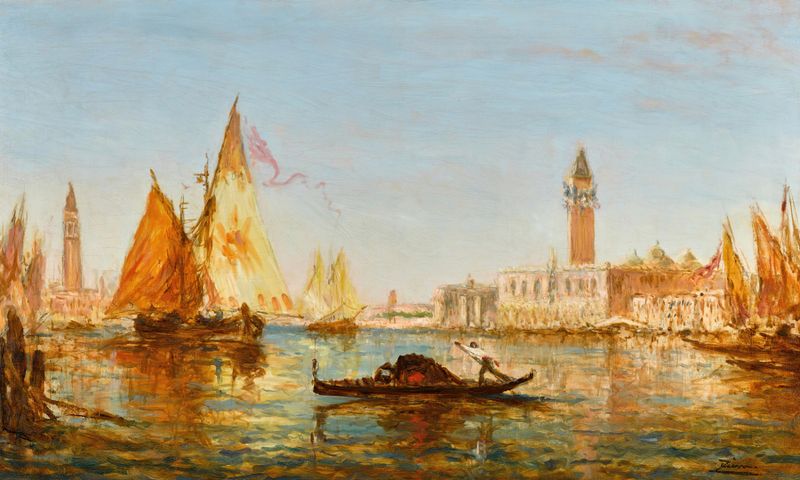
Venise, gondole et voiliers devant le Palais des doges et San Giorgio Maggiore
Félix Ziem





