
Interior of a Stable — History & Facts
In the stillness of a stable, the quietude speaks volumes about the balance between nature and nurture, where life finds harmony in its simplest forms. To navigate through this artwork, look first to the warm light cascading gently from the upper left corner, illuminating the texture of wooden beams and the soft silhouettes of horses nestled within their stalls. Notice how deep, earthy hues blend with soft whites and grays, creating a serene atmosphere that draws the viewer into the peaceful coexistence of man and beast. The composition is thoughtfully arranged, with horses positioned in a way that encourages the eye to wander, while the artist’s brushwork adds a tactile quality that evokes the scent of hay and the warmth of breath. Yet beneath this tranquil facade, there lies a tension born from contrasts.
The stable is a sanctuary, yet it is also a reminder of confinement. The intimate gestures of the horses—some resting, others stirring—speak to their comfort as well as their restraint. This duality of space, both protective and limiting, encapsulates the deeper emotional undercurrents of daily life, suggesting that every moment of peace comes at a cost. In 1895, Weissenbruch painted this scene in the Netherlands, a time when he sought to capture the essence of rural life through his landscapes and interiors.
As an artist aligned with the Hague School, he was influenced by the natural light and the subtleties of daily existence, reflecting a broader movement that emphasized realism and the beauty found in the ordinary. This work embodies his appreciation for the simple life, framed within a moment that resonates with viewers long after they leave its presence.
More Artworks by Johan Hendrik Weissenbruch
Browse all →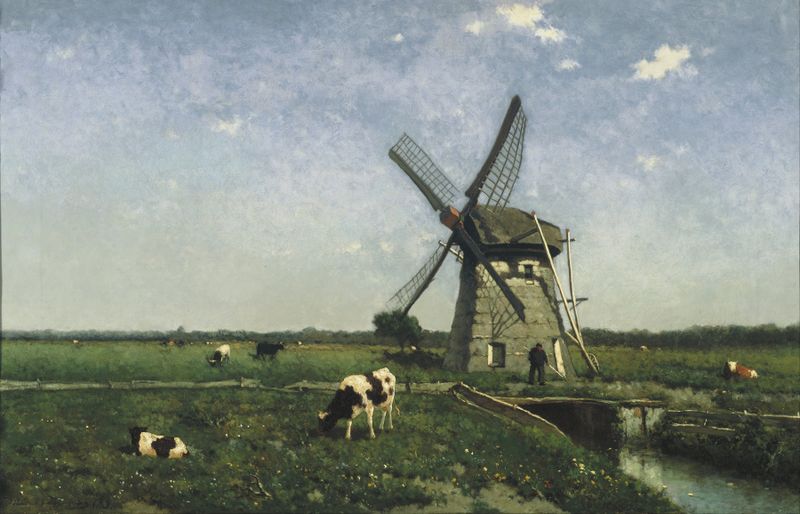
Landscape with Windmill near Schiedam
Johan Hendrik Weissenbruch
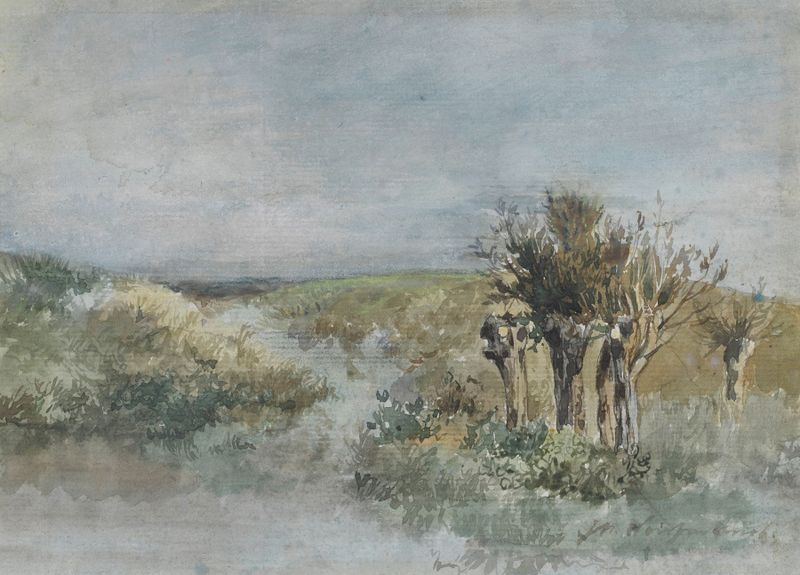
Landschap met knotwilgen langs een sloot
Johan Hendrik Weissenbruch
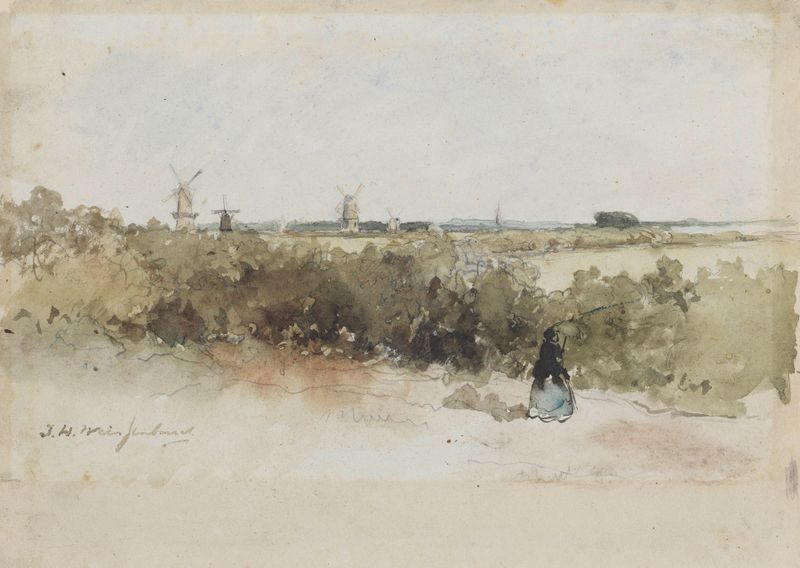
Landschap met windmolens
Johan Hendrik Weissenbruch
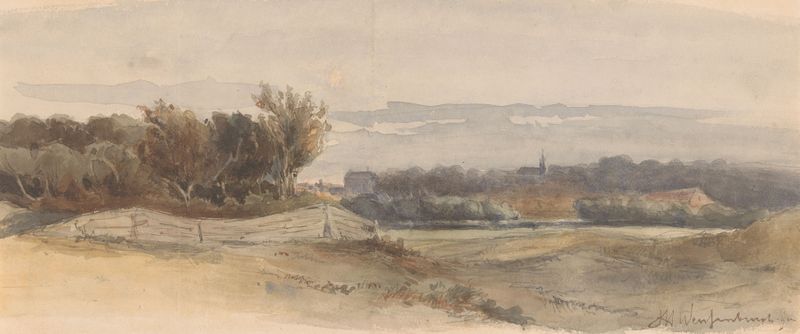
Panoramisch landschap
Johan Hendrik Weissenbruch
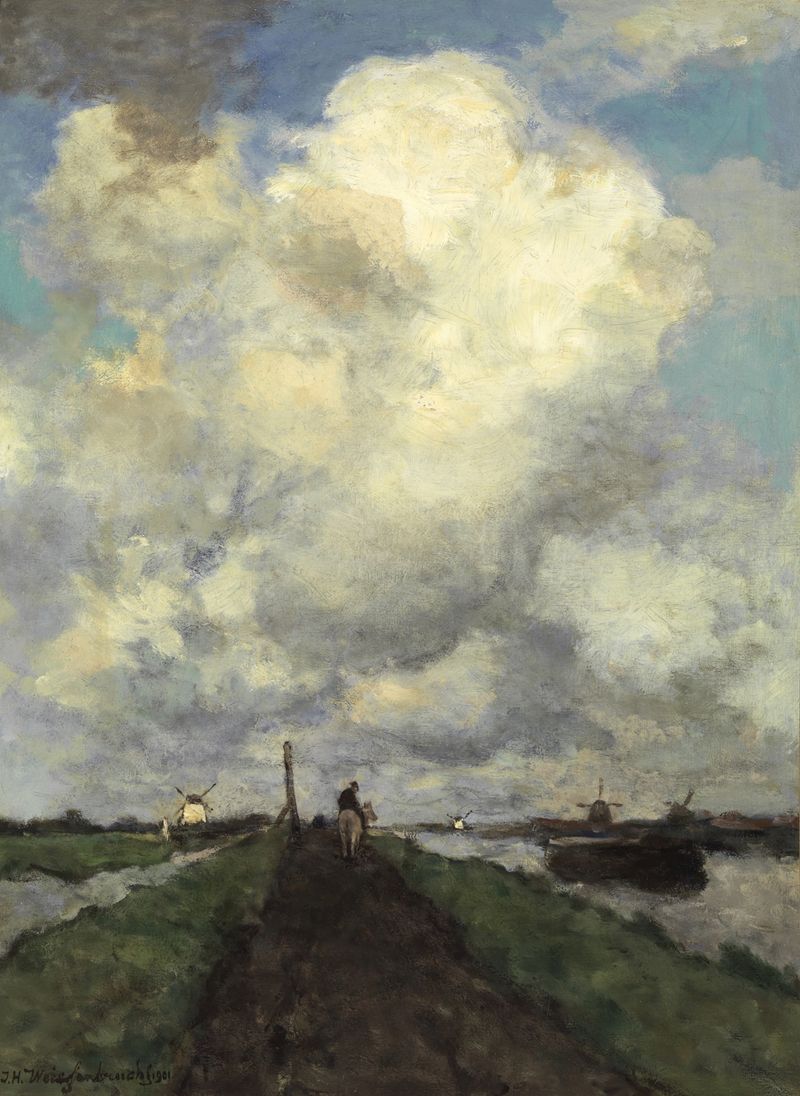
De witte wolk
Johan Hendrik Weissenbruch
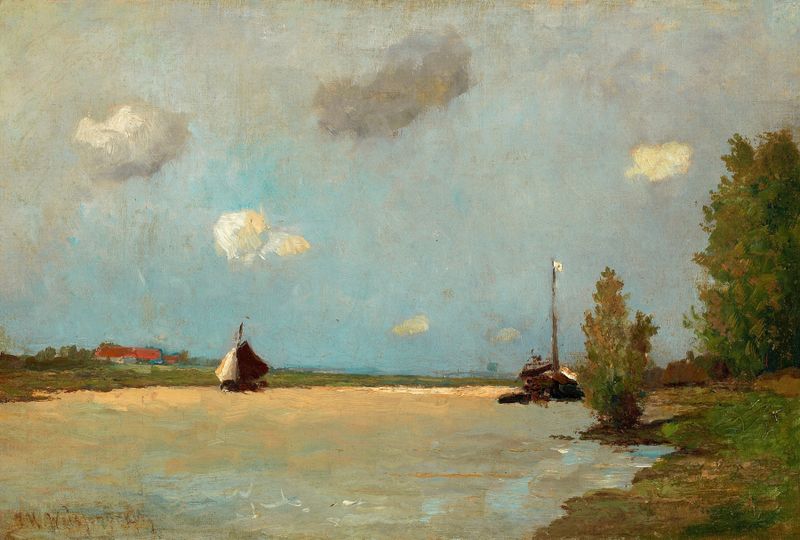
Dutch Landscape with Boats
Johan Hendrik Weissenbruch
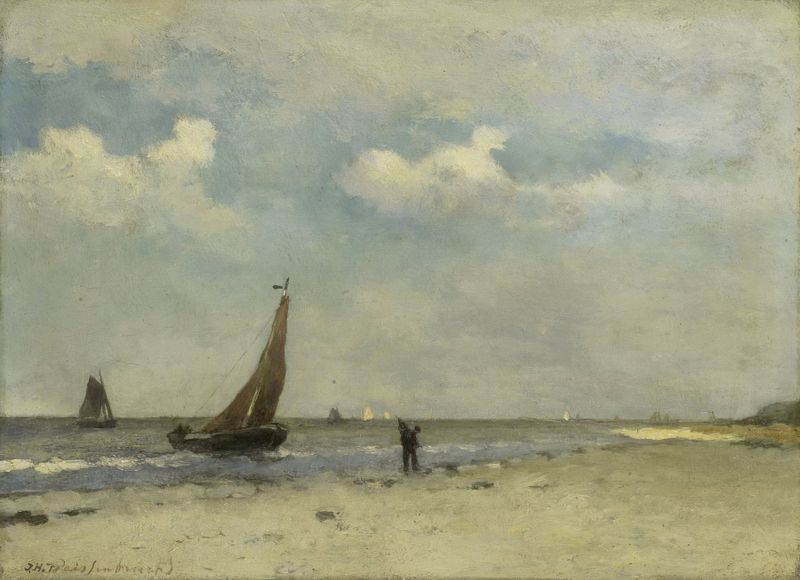
Beach Scene
Johan Hendrik Weissenbruch
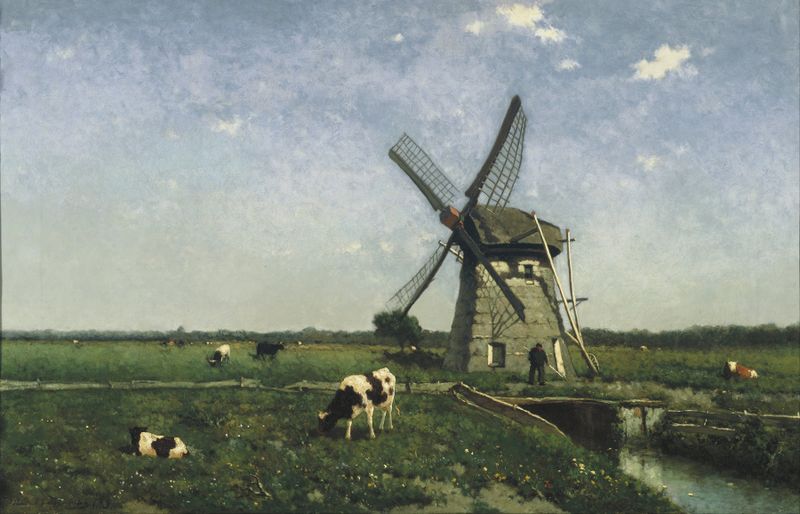
Landscape with Windmill near Schiedam
Johan Hendrik Weissenbruch
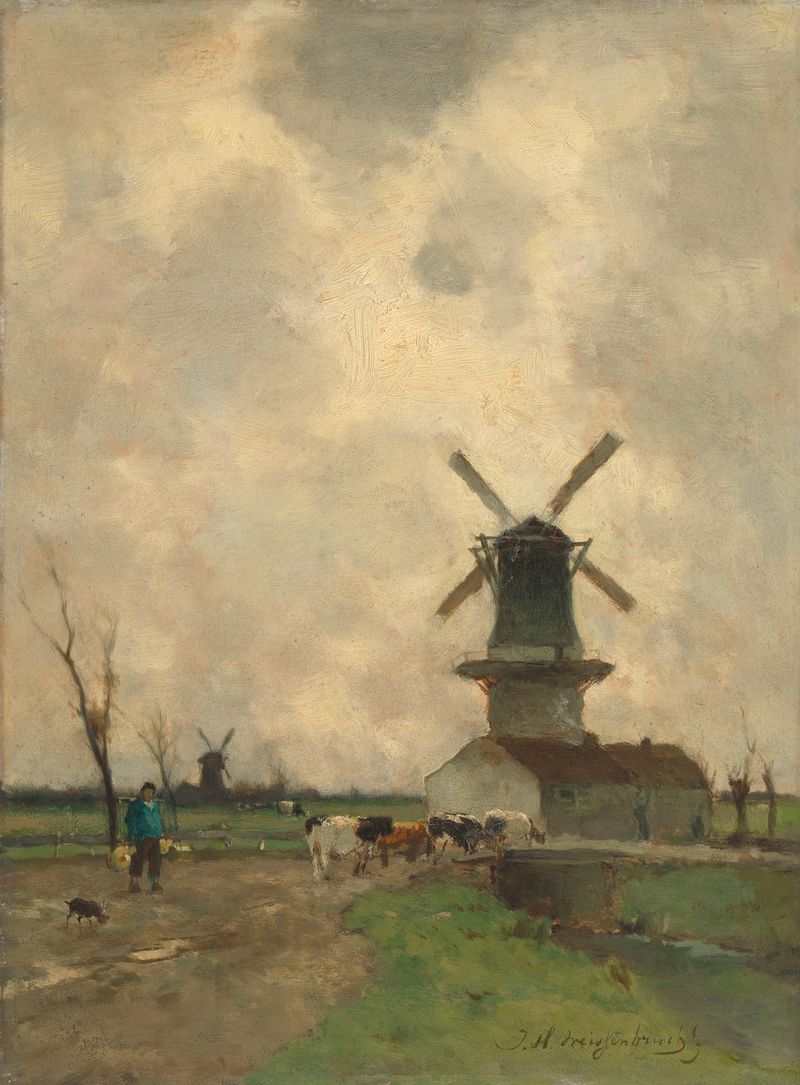
The Mill
Johan Hendrik Weissenbruch
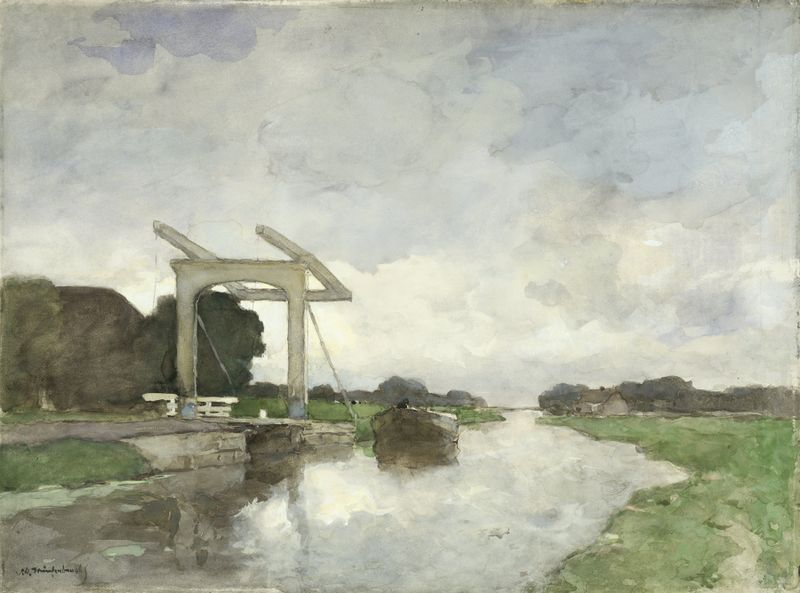
Drawbridge at Noorden
Johan Hendrik Weissenbruch





