Interior of the Capella Palatina in Palermo, Italy — History & Facts
Is this a mirror — or a memory? The intricate layers of a bygone era whisper to us from the depths of Martinus Rørbye's work, blurring the lines between reality and reverie. Focus on the ornate mosaics that adorn the walls, each shimmering tile reflecting the fractured grandeur of the Capella Palatina. The warm golden hues of the interior bathe the scene in light, creating a sanctuary that feels both sacred and haunting. Notice how the geometric patterns draw your eye upward, leading to the heavenly figures who seem to watch over the space as guardians of an ancient story, and how the interplay of light and shadow illuminates the delicate details. In this opulent interior, emotional tensions flicker like candle flames — the juxtaposition of majesty against the haunting specter of neglect invites a contemplation of madness.
The shimmering surfaces that suggest glory also hint at the fragility of memory, each flicker of gold a reminder of what once was and what might be lost to time. The quiet solitude of the space evokes a sense of both awe and melancholy, as if the walls themselves are not just witnesses, but participants in a dance of history. Martinus Rørbye painted this work between 1841 and 1842 during his travels through Italy, capturing not just the physical structure but the cultural essence of a place steeped in history. His time in Sicily came at a moment when European artists were increasingly fascinated by the intersection of heritage and the romanticization of the past.
Rørbye’s brushwork in this piece reflects his desire to explore and immortalize the mysteries of a world long gone, providing viewers a glimpse into the soul of a place that echoes with both beauty and sorrow.
More Artworks by Martinus Rørbye
Browse all →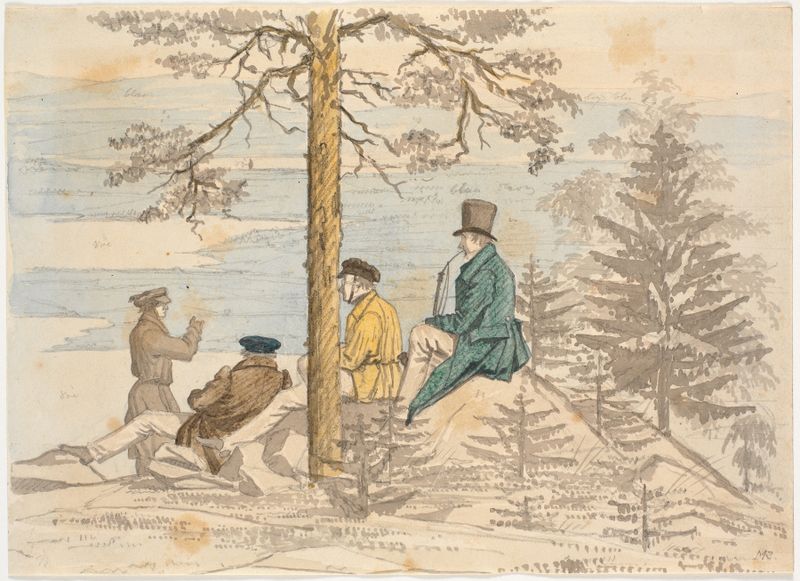
Fire mænd betragter udsigten fra Holmekollen
Martinus Rørbye
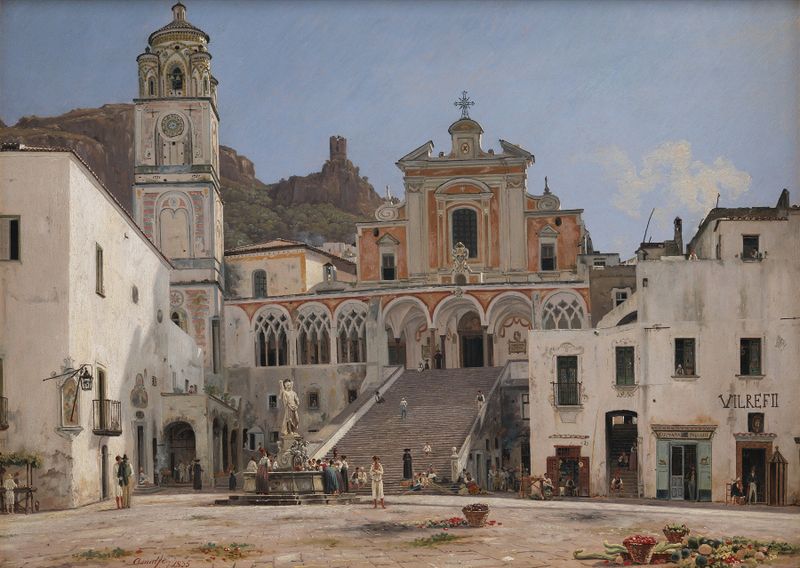
View of the Square in Amalfi
Martinus Rørbye
A Courtyard in Rome. Copy after Eckersberg
Martinus Rørbye
Udsigt mod Vesuv fra Procida
Martinus Rørbye
View of Copenhagen at Sunset
Martinus Rørbye
Entrance to an Inn in the Praestegarden at Hillested
Martinus Rørbye
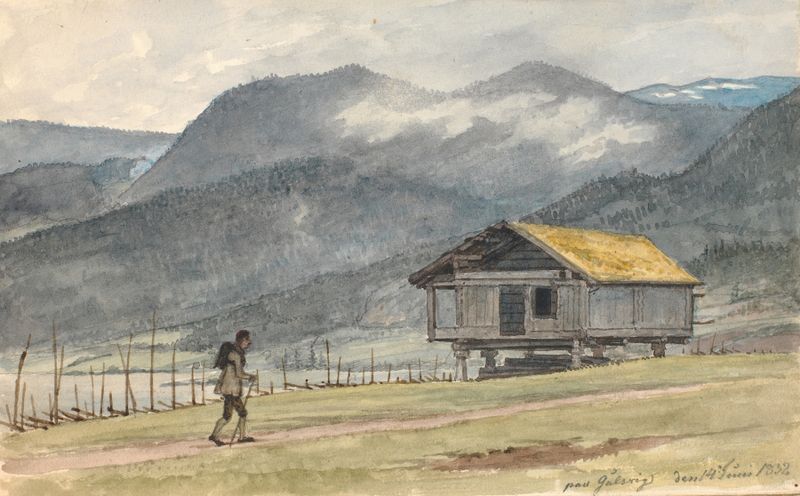
Fjeldlandskab med hytte og vandrer
Martinus Rørbye
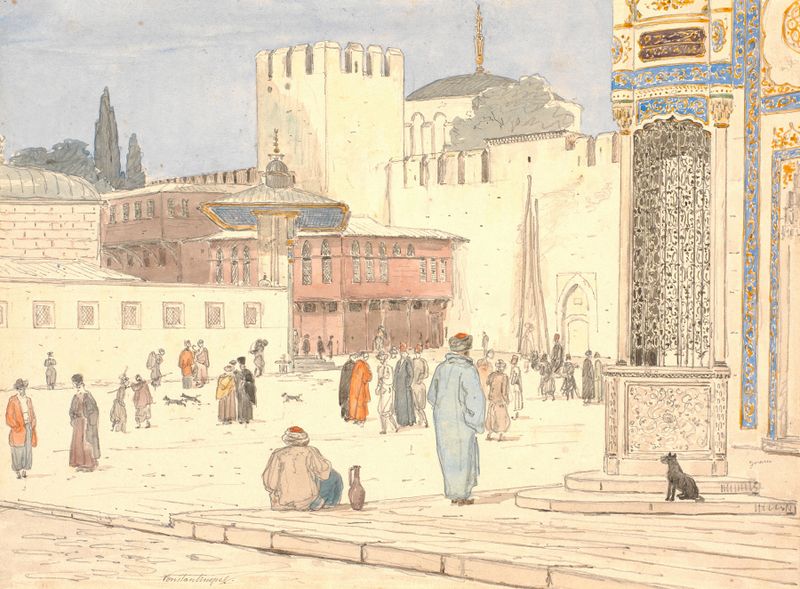
The Square in Front of Bab-i-Hümayan in Constantinople
Martinus Rørbye
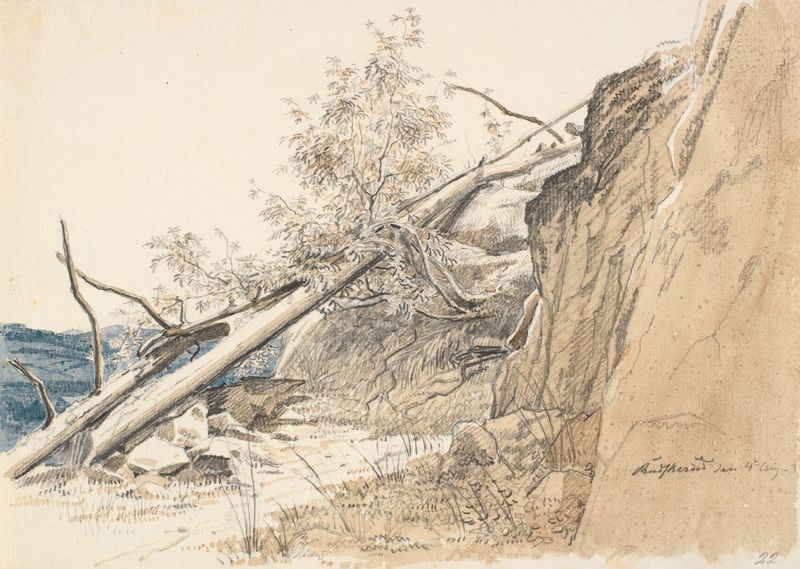
Tree Trunk Leaning Against a Rock. Norway
Martinus Rørbye
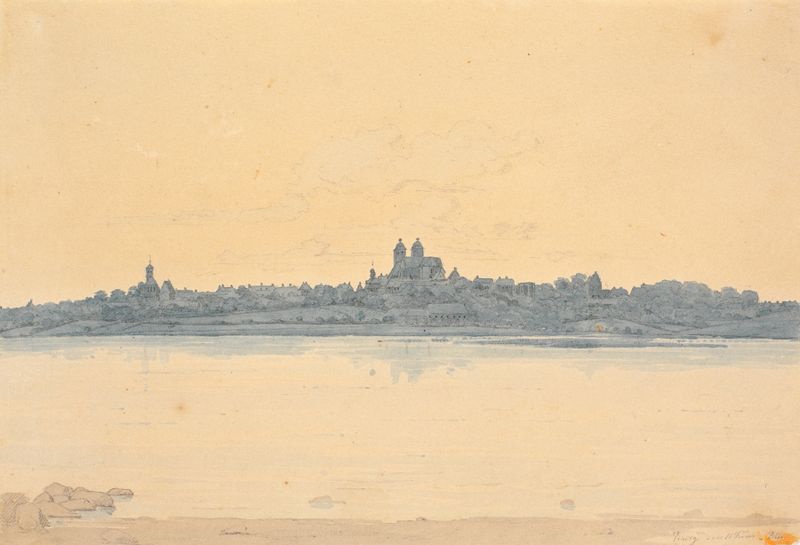
Viborg Seen from Asmild Klosterhave near Søndersø
Martinus Rørbye